
Are you looking to add vibrant, easy-care plants to your aquarium? Cryptocoryne plants might be exactly what your underwater world needs.
These lush, green plants not only bring natural beauty but also help create a healthy environment for your fish. Whether you’re a beginner or an experienced aquarist, understanding how to grow and care for Cryptocoryne can transform your tank into a stunning aquatic paradise.
Keep reading to discover why these plants are a favorite and how you can make them thrive in your aquarium.
Why Choose Cryptocoryne
Cryptocoryne plants are popular choices for aquariums. They grow well and look great underwater.
These plants fit many aquarium styles and help create a natural feel. They are easy to care for.
Variety Of Species
Cryptocoryne includes many species. Each species has unique shapes and colors. This lets you pick plants for any tank size.
Some species have long, thin leaves. Others have broad, round leaves. This variety adds interest to your aquarium.
- Cryptocoryne wendtii – popular and hardy
- Cryptocoryne balansae – large leaves
- Cryptocoryne pontederiifolia – narrow leaves
- Cryptocoryne undulata – wavy leaf edges
Adaptability To Conditions
Cryptocoryne plants adapt well to many water types. They grow in soft or hard water. They also tolerate low light.
These plants adjust to different temperatures. This makes them good for most home aquariums. They do not need special care.
- Grow in both low and medium light
- Tolerate different water hardness
- Survive a range of temperatures
- Handle slow changes in water conditions
Aesthetic Appeal
Cryptocoryne plants add natural beauty to aquariums. Their leaves come in green, brown, and red shades. This adds color variety.
The plants grow in bushy groups or tall stems. This creates depth and texture. They fit well with fish and other decorations.
- Colors range from green to red and brown
- Leaf shapes vary for visual interest
- Dense growth creates hiding places for fish
- Blend well with rocks and wood

Credit: www.reddit.com
Popular Cryptocoryne Types
Cryptocoryne plants are a favorite for aquarium lovers. They add beauty and help create a natural look.
These plants are easy to care for and grow well underwater. Many types suit different aquarium styles.
Cryptocoryne Wendtii
Cryptocoryne Wendtii is one of the most popular aquarium plants. It has green to brown leaves that can change color.
This plant grows well in low to medium light. It prefers a stable environment with gentle water flow.
- Leaf colors vary from green to reddish-brown
- Height ranges from 4 to 12 inches
- Easy to grow in many water conditions
Cryptocoryne Balansae
Cryptocoryne Balansae has long, narrow leaves. Its leaves can grow up to 20 inches long.
This plant likes soft, slightly acidic water. It needs medium light for good growth.
- Leaves are dark green with wavy edges
- Can grow tall and make a nice background plant
- Slow grower but very hardy
Cryptocoryne Parva
Cryptocoryne Parva is a small plant with short leaves. It is perfect for the front of the aquarium.
This plant grows slowly but stays compact. It prefers low to medium light and stable water conditions.
- Height usually stays under 4 inches
- Leaves are green and oval-shaped
- Good choice for small tanks and aquascaping
Planting And Placement Tips
Cryptocoryne plants are popular in aquariums for their easy care and attractive leaves. Proper planting and placement help them grow strong and healthy.
These plants adapt well to different conditions but doing a few simple things improves their growth. Here are tips for substrate, lighting, and tank position.
Substrate Selection
Cryptocoryne plants need a nutrient-rich substrate to root well. A fine gravel or aquarium soil works best. Avoid sharp or large gravel that can hurt the roots.
Adding root tabs can provide extra nutrients if your substrate is poor. Keep the substrate layer deep enough, around 2 to 3 inches, for good root growth.
- Use fine gravel or aquarium soil
- Substrate depth: 2-3 inches
- Add root tabs for nutrients if needed
- Avoid sharp or large gravel pieces
Lighting Requirements
Cryptocoryne plants do well in low to medium light. Too much light can cause algae on leaves and slow growth. Use moderate lighting for about 8 to 10 hours daily.
LED or fluorescent lights with a color temperature between 5000K and 7000K suit these plants. Avoid direct sunlight as it can be too strong.
- Light level: low to medium
- Duration: 8-10 hours per day
- Use LED or fluorescent lights
- Avoid direct sunlight
Ideal Tank Positioning
Place Cryptocoryne plants in the middle or back of the tank. This gives them space to grow and prevents them from blocking smaller plants.
Avoid strong water currents as they can damage leaves. These plants prefer calm areas with steady water flow and some shade from taller plants.
- Position in middle or back of tank
- Give enough space to spread leaves
- Keep away from strong water currents
- Provide shade with taller plants
Water Parameters And Maintenance
Cryptocoryne plants are popular in aquariums. They are known for their beautiful foliage and easy care. Understanding their water needs is important for healthy growth.
These plants adapt well to different conditions. Yet, they thrive best with specific water parameters and regular maintenance.
Optimal Ph And Temperature
Cryptocoryne plants prefer slightly acidic to neutral water. The ideal pH range is between 6.5 and 7.5. Stable pH levels help the plants stay healthy.
These plants do well in warm water. The best temperature range is 72 to 82 degrees Fahrenheit. Consistent temperature helps them grow strong.
Nutrient Needs
Cryptocoryne plants need nutrients to thrive. They absorb nutrients from both water and substrate. Regular fertilization supports their growth.
Choose fertilizers rich in iron and potassium. These nutrients enhance leaf color and plant health. Adding root tabs can also improve growth.
- Use liquid fertilizers weekly
- Apply root tabs every 2-3 months
- Check nutrient levels regularly
Dealing With Crypt Melt
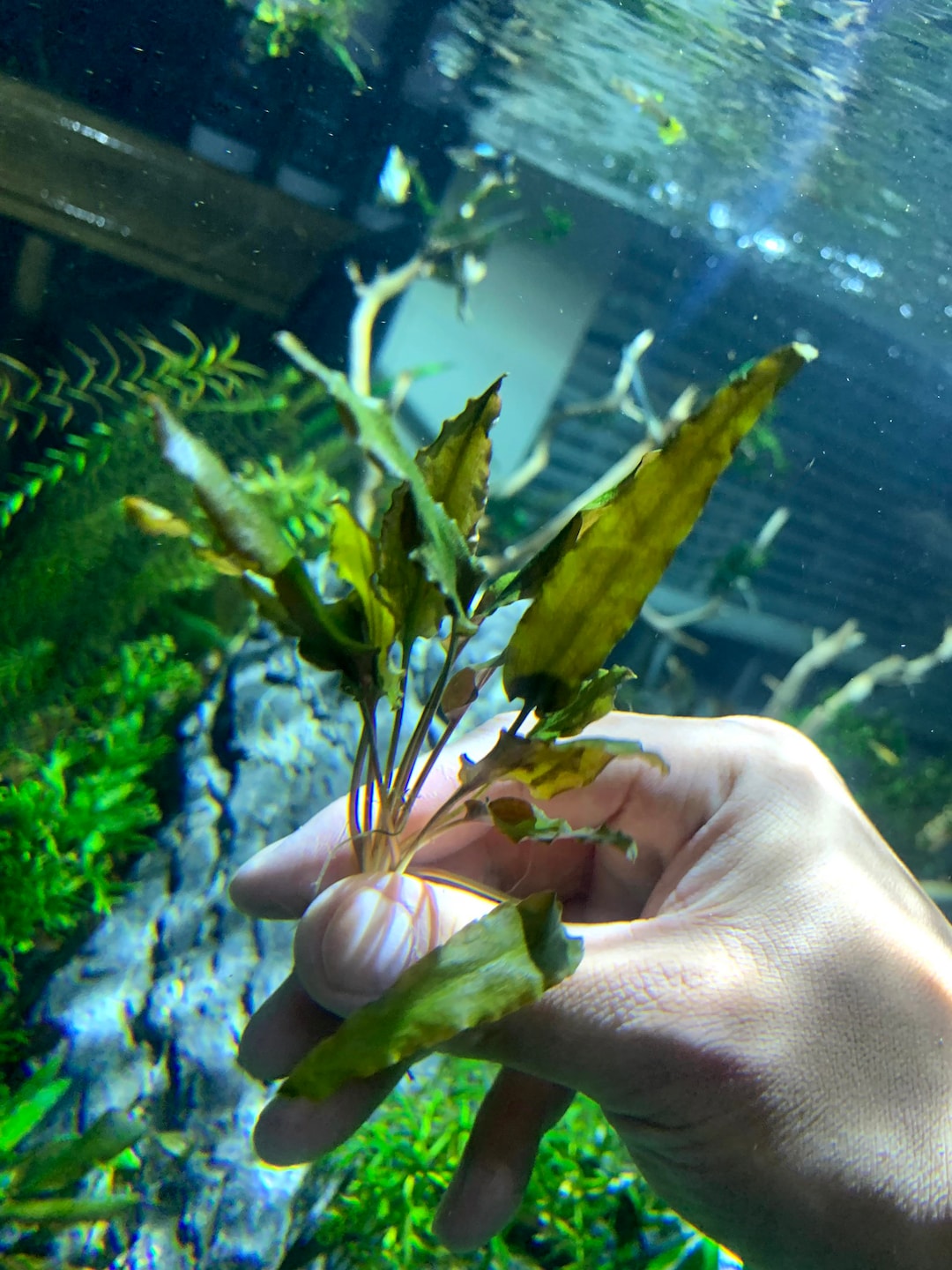
Crypt melt is a common issue with these plants. It occurs when leaves suddenly die back. This can happen due to changes in water conditions.
To manage crypt melt, keep water parameters stable. New leaves will grow back as the plant adapts. Patience is key during this process.
| Cause | Solution |
| Sudden water change | Gradual adjustments |
| Nutrient deficiency | Regular fertilization |
Propagation Techniques
Cryptocoryne plants grow well in aquariums and can multiply over time. Propagation helps keep your tank full and healthy.
There are several ways to grow new Cryptocoryne plants. Each method is simple and effective for aquarium hobbyists.
Separating Rhizomes
Cryptocoryne plants have rhizomes, thick stems that grow horizontally. You can cut these rhizomes to create new plants.
Make sure each piece has roots and leaves before planting it in the substrate. Use clean tools to avoid infections.
Using Plantlets
Cryptocoryne often produces small plantlets on runners. These baby plants can be gently removed and replanted.
- Wait until plantlets have a few leaves and roots.
- Use tweezers to carefully detach them from the main plant.
- Plant them in soft substrate for better root growth.
- Keep water conditions stable to avoid stress.
Encouraging Growth
| Factor | Tip |
| Lighting | Provide moderate, indirect light for 8-10 hours daily. |
| Water | Keep temperature between 72-82°F (22-28°C). |
| Substrate | Use nutrient-rich soil or sand mixed with fertilizer. |
| CO₂ | Adding CO₂ improves growth but is not mandatory. |
| Fertilizer | Use liquid or root fertilizers weekly for best results. |
Good care helps new Cryptocoryne plants grow strong and healthy in your aquarium.
Credit: www.etsy.com
Combining With Other Plants
Cryptocoryne plants fit well in many aquarium setups. They grow slowly and offer a calm look.
Choosing the right plants to combine with Cryptocoryne can create a healthy and attractive tank.
Complementary Species
Cryptocoryne works well with other low-light plants. These plants share similar care needs and thrive together.
- Anubias: slow-growing and tough leaves
- Java Fern: easy to care for and prefers shade
- Vallisneria: tall and adds background height
- Buces: small and colorful, good for foreground
Creating Depth And Layers
Use different plant heights to add depth. Place taller plants in the back and shorter ones in front. Cryptocoryne fits well in the middle layer.
| Layer | Plant Examples | Purpose |
| Background | Vallisneria, Amazon Sword | Add height and cover filter tubes |
| Midground | Cryptocoryne, Anubias | Fill space and create texture |
| Foreground | Dwarf Hairgrass, Bucephalandra | Cover substrate and add detail |
Balancing Colors And Textures
Mix plants with different leaf shapes and colors. This makes the aquarium look more natural and interesting.
Try these tips for balance:
- Combine broad leaves with thin, grassy leaves.
- Use green Cryptocoryne with red or purple plants.
- Mix smooth and rough textures for contrast.
- Place colorful plants near the front to catch attention.
Troubleshooting Common Issues
Cryptocoryne plants are popular in aquariums. They are beautiful but can face issues. Let’s discuss common problems and solutions.
Understanding these issues helps in maintaining healthy aquarium plants. Careful observation is key to resolving problems.
Yellowing Leaves
Yellowing leaves are a sign of nutrient deficiency. It often indicates a lack of nitrogen or iron.
- Add a complete aquarium fertilizer.
- Check your water parameters regularly.
- Ensure proper lighting for your plants.
Algae Control
Algae growth is common and can harm your plants. Controlling algae is essential for plant health.
| Method | Action |
| Lighting | Reduce light exposure |
| Water Change | Regular water changes |
| Algae Eaters | Add algae-eating fish |
Preventing Plant Decay
Plant decay can occur due to poor maintenance. Keep plants healthy with these simple steps.
Regular trimming helps keep plants vibrant.
Maintain clean water to prevent decay.
Monitor plant health and remove dead leaves promptly.

Credit: dustinsfishtanks.com
Enhancing Aquascape Design
Cryptocoryne plants bring beauty and depth to aquarium landscapes. They are easy to grow and suit many tank styles.
Using these plants can improve your aquarium’s look with natural shapes and colors. They add a calm, green touch.
Using Cryptocoryne For Focal Points
Cryptocorynes have unique leaf shapes and colors. These features make them perfect for creating focal points in your tank.
Place them near the center or front of the aquarium. Their textures draw attention and balance other plants.
- Choose larger Cryptocoryne varieties for main focus
- Use contrasting leaf colors to stand out
- Group plants to create natural clusters
Incorporating Hardscape Elements
Hardscape elements like rocks and wood work well with Cryptocoryne plants. They create natural-looking scenes.
Plant Cryptocoryne near stones or driftwood. The mix of textures adds depth and interest to the aquarium design.
- Use rocks to highlight plant clusters
- Place wood to guide viewer’s eye
- Combine shapes to mimic natural habitats
Seasonal Planting Ideas
Change your Cryptocoryne arrangement with the seasons. This keeps the aquarium fresh and lively all year.
Use different Cryptocoryne species that grow well in cooler or warmer water. Switch plants to match the season.
- Spring: Add bright green Cryptocoryne for new growth
- Summer: Use larger, darker leaves for shade
- Fall: Choose reddish or brown varieties for warm tones
- Winter: Plant slow-growing types for low light
Frequently Asked Questions
What Are Cryptocoryne Plants In Aquariums?
Cryptocoryne plants are popular aquatic plants used in aquariums. They offer lush greenery and thrive in low light. These plants help oxygenate water and provide shelter for fish. They are easy to maintain and adapt well to various water conditions.
How Do You Care For Cryptocoryne Aquarium Plants?
Care for Cryptocoryne plants involves moderate lighting and stable water conditions. Use nutrient-rich substrate for better growth. Avoid sudden water changes to prevent “Crypt melt. ” Regular trimming helps maintain shape. They thrive best in temperatures between 72°F and 82°F.
Can Cryptocoryne Plants Grow Without Co2 Injection?
Yes, Cryptocoryne plants can grow without CO2 injection. They are low-demand plants that adapt to natural aquarium conditions. However, adding CO2 can boost their growth rate and overall health. Proper lighting and nutrients remain essential for their development.
Why Do Cryptocoryne Plants Melt In Aquariums?
“Crypt melt” happens due to sudden changes in water parameters or lighting. Plants lose leaves but usually recover by growing new ones. To prevent melting, introduce Cryptocoryne slowly and maintain stable aquarium conditions. Patience is key during their adaptation phase.
Conclusion
Cryptocoryne plants add beauty and life to any aquarium. They grow well in many water types and need little care. These plants create a natural home for fish and improve water quality. Choosing the right Cryptocoryne can make your tank look healthy and full.
Start with easy types and watch them thrive. Enjoy the calm and peaceful feeling they bring to your underwater world.