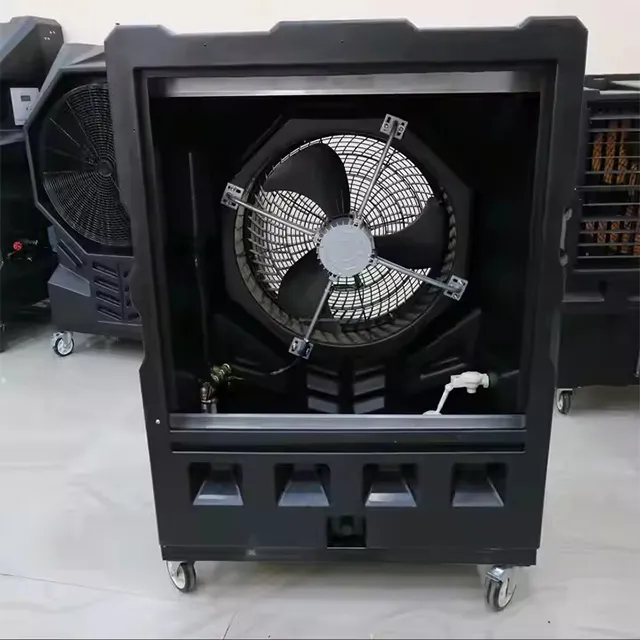
Are you struggling to keep your cooling tanks working efficiently? Proper room ventilation could be the missing piece to your puzzle.
When your cooling tanks are paired with the right ventilation, you not only protect your equipment but also improve safety and save energy. Imagine a setup where your tanks stay cool without overheating, and your workspace remains comfortable and safe.
Keep reading to discover how cooling tanks with room ventilation can transform your operations and why it’s crucial for your success.

Credit: www.diy.com
Benefits Of Cooling Tanks
Cooling tanks with room ventilation help keep products at the right temperature. They work well in many industries to protect goods and improve safety.
Proper ventilation supports the cooling system. It helps air flow and removes heat. This makes cooling tanks more effective and efficient.
Improved Temperature Control
Cooling tanks with room ventilation keep the temperature steady. Air movement stops hot spots and cools the whole tank evenly.
This control prevents damage to products caused by temperature changes. It also keeps the environment safe for workers.
Enhanced Product Quality
Good ventilation protects product quality. It stops moisture build-up and stops mold or bacteria from growing.
Consistent cooling keeps products fresh longer. This reduces waste and increases customer satisfaction.
Energy Savings
Ventilation helps cooling systems work better and use less energy. Air circulation lowers the load on cooling machines.
Lower energy use means lower costs. It also helps protect the environment by reducing power demand.
Role Of Room Ventilation
Cooling tanks need proper room ventilation to work well. Ventilation helps keep the air moving and controls the room’s environment. This makes sure the cooling tanks stay efficient and safe.
Good ventilation also stops problems like heat build-up and moisture. These issues can affect the tanks and the products inside. Let’s look at how ventilation helps with airflow, heat, and humidity.
Airflow Patterns
Airflow patterns describe how air moves around the cooling tanks. Proper airflow keeps fresh air coming in and hot air going out. This helps the cooling system work better and last longer.
- Prevents hot spots near the tanks
- Ensures even cooling in the room
- Removes stale air and replaces it with fresh air
- Reduces the chance of mold growth
Heat Dissipation
Cooling tanks produce heat that needs to leave the room. Ventilation helps remove this heat. Without good ventilation, the room temperature rises, making tanks work harder.
| Ventilation Effect | Impact on Cooling Tanks |
| Good air exchange | Reduces tank workload |
| Poor ventilation | Increases heat buildup |
| Blocked vents | Causes overheating risks |
| Constant airflow | Improves tank lifespan |
Humidity Control
Humidity affects the tank and room air quality. High humidity can cause rust and damage inside tanks. Ventilation helps lower humidity levels and keeps the room dry.
- Reduces moisture buildup on tank surfaces
- Prevents corrosion and rust
- Improves air quality for workers
- Protects products stored in tanks
Types Of Cooling Tanks
Cooling tanks help manage temperature in various systems. They keep liquids cold for industrial or commercial use.
There are different types of cooling tanks. Each type works best in certain environments and needs.
Chilled Water Tanks
Chilled water tanks store cold water to cool buildings or equipment. They use a cooling system to keep water at low temperatures.
- They provide steady cooling over time.
- They are energy efficient for large spaces.
- They need good insulation to keep water cold.
Direct Expansion Tanks
Direct expansion tanks use refrigerant to cool the liquid directly. This system cools faster but uses more energy.
| Feature | Advantage | Disadvantage |
| Cooling Speed | Fast | Higher energy use |
| System Complexity | Simple | Needs regular maintenance |
| Application | Small to medium tanks | Not for large volumes |
Hybrid Systems
Hybrid systems combine chilled water and direct expansion methods. They balance energy use and cooling speed.
Hybrid system benefits include:
- Flexible operation for different loads
- Improved energy savings
- Better control of temperature
Ventilation Methods For Cooling Rooms
Cooling tanks need proper ventilation to keep the room temperature low. Good airflow helps prevent overheating and maintains equipment safety.
This article explains three common ventilation methods used to cool rooms effectively.
Natural Ventilation
Natural ventilation uses outside air to cool the room without machines. It relies on wind and temperature differences.
- Open windows and vents allow fresh air inside.
- Air moves through the room by pressure differences.
- This method saves energy but depends on weather.
- It works best in mild climates with steady breezes.
Mechanical Ventilation
Mechanical ventilation uses fans and ducts to move air. It can control airflow regardless of outside weather.
| Type | Description | Use Case |
| Exhaust Fans | Pull warm air out of the room | Small rooms with heat sources |
| Supply Fans | Push fresh air into the room | Rooms needing constant fresh air |
| Air Conditioning | Cool and dehumidify the air | Hot climates or sensitive equipment |
Hybrid Ventilation
Hybrid ventilation mixes natural and mechanical methods. It switches between them based on conditions.
Benefits of hybrid ventilation include:
- Energy savings by using natural airflow first
- Reliable cooling when natural airflow is weak
- Flexible control with automated systems
Design Strategies For Efficiency
Cooling tanks need smart designs to work well. Proper planning helps save energy and costs.
This guide covers key ways to improve tank cooling with room ventilation.
Optimal Tank Placement
Place tanks away from heat sources like direct sunlight or machinery. This reduces extra cooling load.
Keep space around tanks for air to flow freely. Avoid tight corners or blocked areas.
Ventilation Layouts
Good ventilation moves warm air out and brings fresh air in. This keeps the room cool and dry.
- Install intake vents low to bring cool air inside.
- Place exhaust vents high to remove hot air.
- Use fans to improve air movement if needed.
- Check vents regularly to avoid blockages.
Insulation Techniques
Insulation stops heat from reaching tanks. It keeps the cooling system efficient.
| Insulation Type | Benefits | Common Use |
| Foam Panels | Lightweight, easy to install | Walls and ceilings |
| Reflective Foil | Blocks radiant heat | Tank surfaces |
| Fiberglass | Good thermal resistance | Pipes and ducts |
Monitoring And Maintenance
Effective monitoring and maintenance are crucial for cooling tanks with room ventilation. Regular checks ensure efficiency and longevity.
Neglecting these tasks can lead to problems that affect performance and safety. Let’s explore key areas to focus on.
Temperature And Humidity Sensors
These sensors are vital for maintaining the right environment in cooling tanks. They help in tracking conditions that affect cooling performance.
| Sensor Type | Function |
| Temperature | Monitors heat levels |
| Humidity | Tracks moisture content |
Routine Inspection
Regular inspections prevent minor issues from becoming major problems. Schedule checks to ensure all components are functioning well.
- Check sensor readings weekly
- Inspect for visible wear and tear
- Test system alarms and alerts
Troubleshooting Common Issues
Troubleshooting is essential when unexpected issues arise. Quick action helps maintain system performance.

Refer to this image for step-by-step troubleshooting tips.
Energy Efficiency Tips
Cooling tanks with room ventilation need to be energy efficient. There are simple ways to save energy and reduce costs.
Use these tips to make your cooling tanks more efficient and eco-friendly. Small changes can lead to big savings.
Using Variable Speed Fans
Variable speed fans help adjust airflow based on demand. They use less energy and keep the temperature stable.
- Install variable speed fans for better control.
- Adjust fan speed to match cooling needs.
- Monitor performance regularly.
Smart Ventilation Controls
Smart controls can automate ventilation systems. They make it easier to manage energy use in cooling tanks.
Smart controls adjust the system based on temperature and humidity.
They also help maintain optimal conditions.
Regular System Upgrades
Updating old systems can improve efficiency. Regular upgrades keep your equipment running smoothly.
| Upgrade | Benefit |
| New Fans | Lower energy use |
| Advanced Controls | Better system management |
| Efficient Motors | Reduced costs |

Credit: www.walmart.com
Case Studies And Examples
Cooling tanks with room ventilation help keep products at safe temperatures. Proper ventilation avoids heat buildup around tanks.
Case studies show how different industries use these systems to improve cooling and safety.
Industrial Cooling Applications
Factories use cooling tanks with ventilation to lower heat from machines. Ventilation removes hot air and brings cool air in.
One case involved a metal plant where ventilation cut tank temperatures by 15%. This stopped overheating and saved energy.
- Ventilation fans installed near cooling tanks
- Air flow directed away from heat sources
- Temperature sensors monitored tank heat levels
Agricultural Storage Solutions
Farms use cooling tanks for storing milk and produce. Ventilation keeps the room cool and stops mold growth.
A dairy farm added vents and fans to its tank room. The fresh air reduced humidity and kept milk fresh longer.
- Wall vents placed to bring fresh air inside
- Ceiling fans spread cool air evenly
- Regular cleaning of vents to prevent dust
Commercial Refrigeration
Stores use cooling tanks for ice and beverages. Good ventilation stops warm air from raising tank temperatures.
A supermarket used ventilation ducts to improve airflow in its storage room. This lowered energy costs and kept drinks cold.
- Ducts installed to remove warm air quickly
- Air conditioning adjusted for better cooling
- Temperature tracked to ensure tank safety

Credit: www.amazon.com
Frequently Asked Questions
What Is The Purpose Of Cooling Tanks With Room Ventilation?
Cooling tanks with room ventilation prevent overheating by removing heat efficiently. Proper airflow maintains safe temperatures, ensuring equipment longevity and safety. It also reduces humidity and controls air quality around the tanks.
How Does Room Ventilation Improve Cooling Tank Efficiency?
Room ventilation enhances cooling tank efficiency by circulating air and dissipating heat. This prevents hot spots and maintains a consistent temperature. Effective ventilation lowers energy costs and extends the lifespan of cooling systems.
What Are The Key Features Of Effective Room Ventilation?
Effective room ventilation includes proper air intake and exhaust, balanced airflow, and adequate ventilation rates. It prevents heat buildup and controls moisture. These features ensure cooling tanks operate under optimal conditions.
Can Poor Ventilation Damage Cooling Tanks?
Yes, poor ventilation can cause overheating and corrosion in cooling tanks. It leads to equipment failure, safety hazards, and increased maintenance costs. Proper ventilation is essential to protect tanks and maintain performance.
Conclusion
Cooling tanks need good room ventilation to work well and stay safe. Air flow helps control temperature and stops moisture build-up. Proper ventilation also keeps the space fresh and reduces risks. Regular checks keep the system running smoothly. Think of ventilation as a simple way to protect your equipment.
It saves money and avoids problems later. Taking care of cooling tanks with good air circulation is smart and easy. It helps your tanks last longer and perform better every day.