
Keeping your saltwater tank cool is key to the health and happiness of your marine life. If your tank gets too warm, your fish and corals can suffer, and you might face costly problems.
But how do you cool your saltwater tank effectively without breaking the bank or stressing your underwater friends? You’ll discover simple, practical tips that make a real difference. By the end, you’ll know exactly what steps to take to keep your tank at the perfect temperature—making your marine environment thrive like never before.
Keep reading to protect your investment and enjoy a vibrant, healthy saltwater tank.
Credit: www.vevor.ca
Choosing The Right Cooling Method
Cooling saltwater tanks is important to keep fish healthy. You need to pick a method that fits your tank size and environment. Different methods have different costs and maintenance needs.
Understanding the options helps you keep water temperature steady. This prevents stress for marine life and keeps your tank clean.
Evaporative Cooling Techniques
Evaporative cooling lowers temperature by water evaporation from the tank surface. It is simple and uses less electricity. It works best in dry, warm places.
- Use a fan to blow air across the water surface
- Add a shallow water tray for more evaporation
- Keep water moving to increase evaporation speed
- Monitor humidity to avoid too much moisture
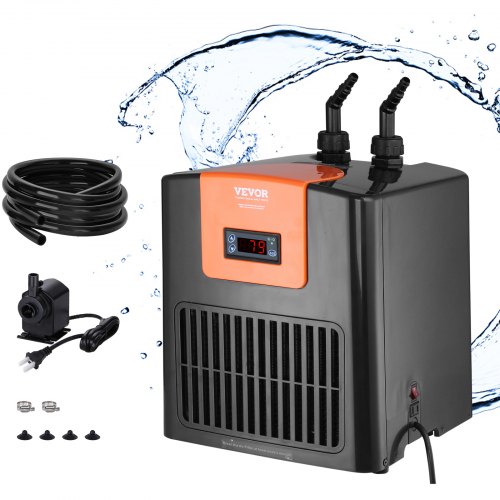
Chiller Systems
Chiller systems cool water by removing heat through a refrigeration cycle. They are effective for large tanks and precise temperature control. These systems need more power and regular upkeep.
| Feature | Evaporative Cooling | Chiller Systems |
| Best For | Small to medium tanks | Large tanks |
| Power Use | Low | High |
| Maintenance | Low | Medium to high |
| Cost | Low | High |
Fans And Ventilation
Fans help cool tanks by increasing air flow over the water. They reduce heat by speeding evaporation. Ventilation removes warm air from the tank area. This method is easy and low cost.
- Use clip-on fans above the tank
- Open vents near the tank to let warm air escape
- Combine fans with evaporation for best results
- Check that fans do not dry out the tank too fast
Thermoelectric Coolers
Thermoelectric coolers use electric current to move heat from one side to the other. They work well for small tanks or specific spots. These coolers have no moving parts and low noise.
| Pros | Cons |
|---|---|
| Compact size | Limited cooling power |
| Quiet operation | Higher cost per cooling watt |
| Easy installation | Not suitable for large tanks |

Credit: www.reddit.com
Optimizing Tank Placement
Keeping your saltwater tank cool helps the fish and corals stay healthy. Placing the tank in the right spot can reduce heat problems. This guide covers three key ways to place your tank for better cooling.
Consider sunlight, airflow, and shade when choosing a location. These factors work together to keep your tank temperature stable without extra energy use.
Avoiding Direct Sunlight
Sunlight heats saltwater tanks quickly. Avoid placing tanks near windows or glass doors that get strong sun. Direct sun can raise water temperature too fast.
- Place tanks in shaded rooms or corners
- Use curtains or blinds if near windows
- Keep tanks away from south or west-facing windows
- Check sunlight patterns throughout the day
Maximizing Airflow
Good airflow helps remove heat from around the tank. Air moving over the water surface cools it by evaporation. Place tanks where air can flow freely.
| Airflow Tip | Why It Helps |
| Near a window with a breeze | Fresh air cools tank surface |
| Use fans if room is still | Increases air movement to cool water |
| Keep tank away from walls | Allows air to circulate on all sides |
Using Shade Structures
Shade structures block sunlight and help keep tanks cooler. You can use natural or man-made options to protect your tank.
- Place tanks under trees or large plants for natural shade
- Use shade sails or fabric covers above tanks
- Build or buy a canopy to shield tanks from sun
- Ensure shade does not block airflow
Maintaining Water Quality
Keeping a saltwater tank cool is important for fish health. Clean water helps fish stay strong and active.
Good water quality means managing temperature, salt, and cleanliness. This keeps the tank safe for all creatures inside.
Regular Water Changes
Changing water often removes waste and dirt. It also replaces minerals that fish need.
Use fresh saltwater that matches your tank’s salt level. Change about 10-20% of the water every week.
- Use a siphon to remove dirty water
- Mix saltwater with the same temperature as the tank
- Pour new water slowly to avoid stress
Monitoring Temperature Fluctuations
Keep the tank temperature steady. Sudden changes can harm fish and corals.
Use a thermometer to check water temperature daily. Adjust cooling devices if needed.
- Set cooling system to stable temperature
- Avoid placing tanks near heat sources
- Use fans or chillers for better control
Balancing Salinity Levels
Salt levels must stay stable for fish health. Too much or too little salt causes stress.
Check salinity using a hydrometer or refractometer. Adjust salt or water to keep it right.
- Test salinity weekly
- Add fresh water to lower salt level
- Add salt mix to raise salt level
Insulating Your Tank
Keeping your saltwater tank cool is very important. Insulation helps keep the temperature steady. It lowers energy costs and protects your fish.
This guide covers materials, tips for DIY insulation, and ways to stop heat from entering your tank.
Materials For Insulation
Many materials can insulate your tank well. Choose based on cost, ease of use, and effectiveness.
- Foam board: Lightweight and easy to cut. Good for sides and bottom.
- Reflective foil: Reflects heat away. Use on tank walls.
- Spray foam: Fills gaps and seals edges tightly.
- Bubble wrap: Cheap and simple. Best for temporary use.
- Styrofoam sheets: Strong and water-resistant, ideal for long-term insulation.
Diy Insulation Tips
Insulating your tank yourself saves money. Follow these tips to do it right.
- Clean the tank surface before adding insulation.
- Cut insulation materials to fit the tank size exactly.
- Seal edges with waterproof tape or spray foam.
- Avoid covering tank vents or filtration areas.
- Check insulation regularly for water damage or mold.
Preventing Heat Transfer
Stopping heat from entering your tank keeps water cool. Use these methods to prevent heat transfer.
| Method | Description |
| Shade Cover | Blocks sunlight from heating the tank. |
| Reflective Foil | Reflects radiant heat away from the tank walls. |
| Insulated Stand | Prevents heat from the surface under the tank. |
| Ventilation | Allows cool air to flow and heat to escape. |
Automating Temperature Control
Keeping saltwater tanks at the right temperature is crucial. Automating this process ensures stable conditions for your aquatic life.
With advanced technology, you can automate temperature control easily. This guide helps you understand the key components.
Temperature Sensors And Controllers
Sensors and controllers are the backbone of automated temperature regulation. They detect changes and adjust settings to maintain the ideal environment.
- Install reliable temperature sensors in your tank.
- Connect sensors to a controller for automatic adjustments.
- Ensure the controller is compatible with your tank setup.
Integrating With Smart Systems
Smart systems offer seamless integration for monitoring and control. They can be accessed remotely for convenience and peace of mind.
Setting Alerts And Alarms
Alerts and alarms are essential for quick response to temperature changes. They notify you of potential issues before they become problems.
| Alert Type | Description |
| Temperature Spike | Notifies if the temperature rises suddenly. |
| Temperature Drop | Alerts if the temperature falls below the set range. |
| System Failure | Warns of any malfunction in the control system. |
Energy Efficiency Tips
Cooling saltwater tanks uses a lot of energy. Saving energy helps lower bills and protects the environment.
Use simple steps to cool your tank efficiently without wasting power.
Choosing Energy-saving Equipment
Pick coolers and chillers that use less electricity. Look for devices with high energy ratings.
Energy-saving machines keep water at the right temperature without extra power use.
- Use chillers with variable speed compressors
- Choose energy-efficient pumps and fans
- Select LED lighting to reduce heat output
- Buy equipment with Energy Star or similar labels
Scheduling Cooling Cycles
Run cooling systems during cooler parts of the day. This reduces energy needed to cool the water.
Use timers or smart controllers to manage cooling periods automatically.
- Cool tanks at night or early morning
- Limit cooling during hot afternoon hours
- Adjust cooling cycles based on tank temperature
- Use sensors to turn off cooling when not needed
Reducing Heat Sources Nearby
Keep the tank away from direct sunlight and heat-producing devices. This lowers the cooling load.
Shield the tank area to reduce heat gain and improve cooling efficiency.
- Place tanks in shaded or indoor areas
- Avoid placing tanks near lights or heating units
- Use insulation around the tank to keep it cool
- Ventilate the room to remove warm air
Troubleshooting Common Cooling Issues
Cooling saltwater tanks is important to keep fish and coral healthy. Problems with cooling can cause stress and damage. This guide helps you fix common cooling problems.
We cover how to handle overheating, avoid equipment failure, and control algae growth. These tips help maintain a stable tank environment.
Dealing With Overheating
Overheating can harm your tank’s life. Check if the room temperature is too high or if the cooling system is working well. Clean fans and filters regularly.
- Place the tank away from direct sunlight.
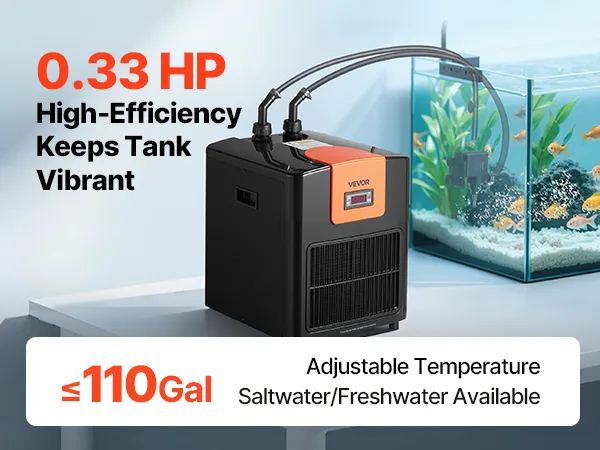
- Use a reliable chiller or fan system.
- Monitor water temperature daily.
- Ensure good water flow around the cooling device.
- Clean cooling equipment to avoid dust buildup.
Preventing Equipment Failure
Equipment failure causes temperature swings. Regular checks help avoid sudden breakdowns. Watch for strange noises or leaks in coolers and pumps.
| Equipment | Common Issue | Solution |
| Chiller | Leaks or frost build-up | Inspect seals and clean coils |
| Fan | Stops working | Check power and clean blades |
| Water Pump | Low flow or noise | Clean impeller and replace if needed |
Managing Algae Growth
Algae can block cooling parts and raise tank temperature. Keep algae under control to maintain proper cooling.
- Reduce light exposure to the tank.
- Keep nutrient levels low by regular water changes.
- Use algae-eating fish or snails.
- Clean tank walls and equipment weekly.
Credit: www.vevor.ca
Frequently Asked Questions
How To Maintain Optimal Temperature In Saltwater Tanks?
Maintaining optimal temperature involves using reliable chillers or fans. Regular monitoring and adjusting equipment prevents overheating. Proper tank placement away from heat sources also helps keep temperature stable.
What Equipment Cools Saltwater Tanks Efficiently?
Efficient cooling equipment includes aquarium chillers, fans, and cooling pumps. Chillers are most effective for large tanks. Fans improve evaporation and air circulation, aiding temperature control.
Why Is Cooling Important For Saltwater Tanks?
Cooling prevents heat stress in marine life, ensuring healthy growth. Stable temperatures reduce algae blooms and maintain water chemistry balance. Proper cooling enhances overall tank stability.
Can Evaporation Help Cool Saltwater Tanks?
Yes, evaporation cools by releasing heat through water vapor. Increasing surface agitation or using fans boosts evaporation. However, evaporation raises salinity, so regular water top-offs are necessary.
Conclusion
Keeping saltwater tanks cool protects fish and coral health. Choose reliable cooling methods that fit your tank size. Regularly check water temperature to avoid sudden changes. Simple steps like using fans or chillers help maintain balance. Clean equipment often to ensure it works well.
Cooler water keeps your tank stable and thriving. Small efforts make a big difference in tank care. Stay consistent, and your saltwater tank will flourish.