
Have you ever looked at a photo or a video and felt something was just a little off with the colors? Maybe the reds seemed dull, or the blues appeared too harsh.
What if you could fix that instantly by adjusting something as simple as the temperature? Color-enhancing temperature adjustments are a powerful way to make your images and videos pop, bringing out the true vibrancy you want to see. You’ll discover how small changes in temperature can transform your visuals, making them more eye-catching and emotionally engaging.
Ready to learn the secret to captivating colors that grab attention every time? Keep reading, because what you’ll find here could change the way you edit forever.
Color Temperature Basics
Color temperature changes the look of light in photos. It affects the mood and feel of an image. Understanding it helps you adjust colors better.
Color temperature is measured in Kelvin (K). Lower values mean warm colors. Higher values mean cool colors. Each creates a different atmosphere.
Warm Vs Cool Tones
Warm tones include reds, oranges, and yellows. Cool tones include blues, greens, and purples. Both have unique effects on photos.
- Warm tones make images feel cozy and inviting.
- Cool tones create calm and peaceful vibes.
- Warm tones often mimic sunrise or sunset light.
- Cool tones often mimic shade or overcast skies.
Impact On Image Mood
Changing color temperature changes how viewers feel about an image. Warm images feel friendly. Cool images feel distant or calm.
| Color Temperature (K) | Effect on Mood |
| 2000 – 4000 | Warm, cozy, energetic |
| 4000 – 6000 | Neutral, natural, balanced |
| 6000 – 8000 | Cool, calm, distant |
Techniques For Temperature Adjustment
Color temperature adjustment changes the warmth or coolness of an image. It helps make photos look natural or creative.
You can adjust temperature using software or camera settings. Each method gives you control over colors.
Using Photo Editing Software
Photo editing software lets you change temperature after taking a photo. This method is flexible and easy to use.
Most programs have sliders to make the image warmer or cooler. Warmer means more yellow and red tones. Cooler means more blue tones.
- Open your photo in the software
- Find the temperature or white balance slider
- Move the slider to the right to warm the image
- Move the slider to the left to cool the image
- Adjust until the colors look right
Manual Camera Settings
You can set the color temperature inside your camera before taking photos. This helps get the right color balance in-camera.
Cameras have white balance presets or a custom setting. Choosing the correct preset matches the light source’s color temperature.
- Choose presets like daylight, cloudy, tungsten, or fluorescent
- Use custom white balance to set exact temperature
- Adjust settings based on lighting conditions
- Take test shots and check colors
- Change settings if colors look unnatural
Boosting Vibrancy With Temperature
Color temperature adjustments help make images look more lively. Changing temperature affects how warm or cool colors appear.
Using the right temperature can bring out details and make colors pop. This technique improves the overall feel of photos and designs.
Enhancing Warm Colors
Increasing the temperature adds warmth to an image. This makes reds, oranges, and yellows look stronger and richer.
Warm colors can create a cozy and inviting atmosphere. Adjusting temperature helps highlight these tones naturally.
- Raise temperature to deepen reds and oranges
- Use subtle shifts for natural warmth
- Enhance skin tones with mild warming
- Avoid overdoing it to keep colors realistic
Amplifying Cool Hues
Lowering the temperature cools the image, boosting blues, greens, and purples. This gives a fresh and calm look.
Cool colors often feel clean and peaceful. Adjusting temperature helps these hues stand out without looking harsh.
- Reduce temperature to strengthen blues and greens
- Apply gentle cooling for natural effects
- Use cooling to balance warm tones
- Keep changes moderate for realism
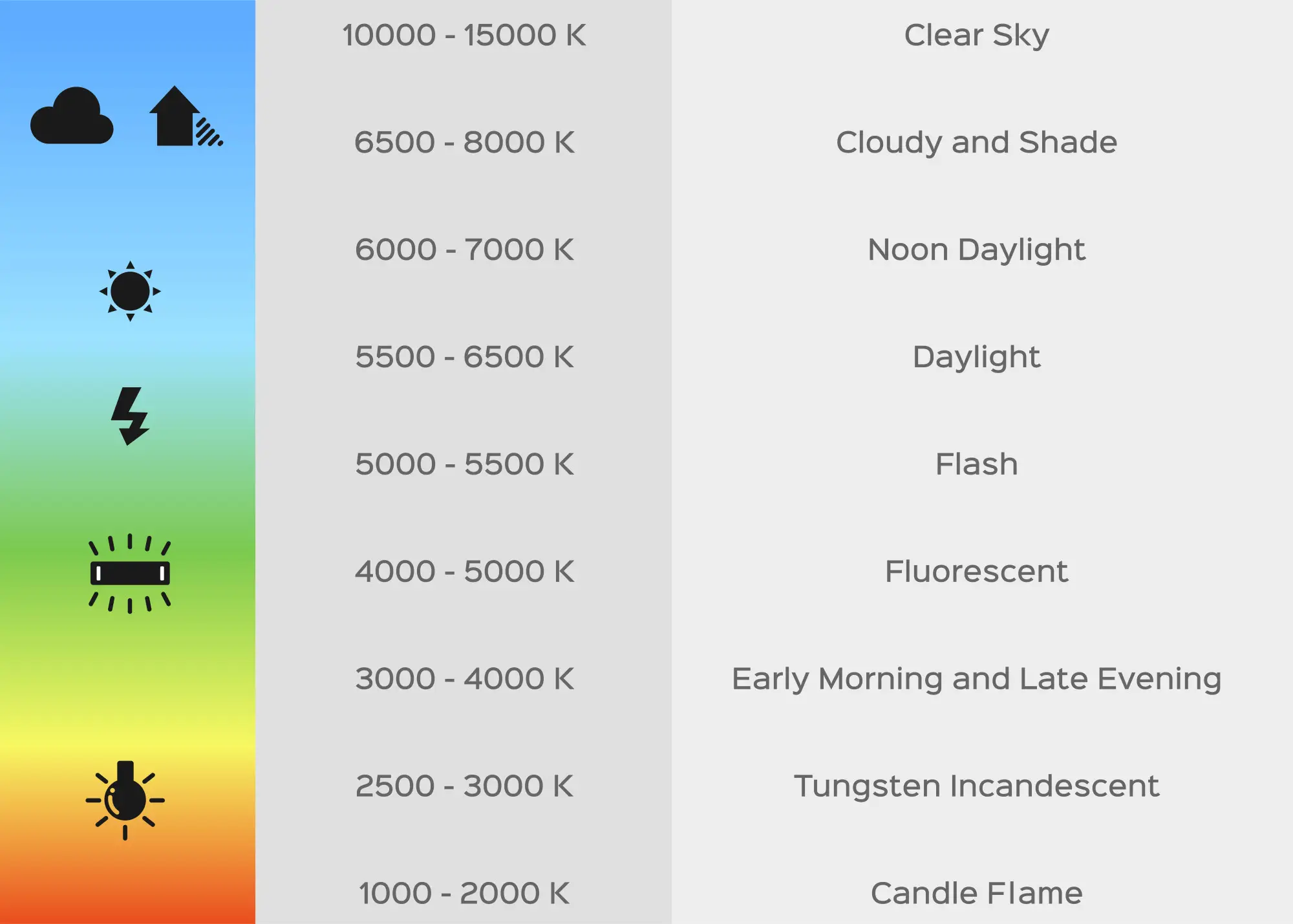
Credit: clipchamp.com
Balancing Color And Contrast
Color-enhancing temperature adjustments help balance color and contrast in images. These changes improve visual appeal without losing detail.
Adjusting temperature affects warm and cool tones. This adjustment can make images look more natural or dramatic.
Avoiding Over-saturation
Over-saturation makes colors look too bright and fake. It can hide important details in your photos.
Keep saturation at a level that enhances colors without making them look unnatural or harsh.
- Use small temperature changes to control color strength
- Check images on different screens to ensure balance
- Reduce saturation if colors start to bleed
Maintaining Natural Look
Natural-looking images feel comfortable and real. Keep temperature adjustments subtle to protect skin tones and backgrounds.
Focus on balancing warm and cool colors. This helps keep the image true to life and visually pleasing.
- Adjust temperature gradually to avoid harsh shifts
- Match color temperature to the original lighting
- Use contrast adjustments to highlight details softly
Practical Tips For Instant Results
Color-enhancing temperature adjustments can make your photos look amazing. Learn quick ways to adjust colors for better results.
With just a few tweaks, your images can appear more vibrant and realistic. Follow these simple tips to see immediate improvements.
Quick Adjustments
Quick adjustments are great for fast results. Use these methods to enhance color and mood in your photos.
- Adjust the color temperature to make your image warmer or cooler.
- Use the tint slider to add green or magenta tones.
- Try auto white balance for an instant fix.
Using Presets And Filters
Presets and filters offer easy ways to change colors. They save time and give consistent results.
| Filter Type | Effect |
| Warm | Increases reds and yellows |
| Cool | Enhances blues and greens |
| Black & White | Removes all colors |

Credit: www.youtube.com
Common Mistakes To Avoid
Color-enhancing temperature adjustments can improve your photos. They help make colors look natural and vivid.
Many beginners make mistakes that spoil the image quality. Avoiding these errors will give you better results.
Overdoing Temperature Shifts
Too much temperature change makes photos look fake. It can add an unwanted blue or orange tone.
Small adjustments often work best. Large shifts can hide real details and reduce image quality.
- Start with small temperature changes
- Check if colors still look natural
- Use subtle shifts to enhance mood
- Avoid extreme warm or cool tones
Ignoring White Balance
White balance sets the right color tone in photos. Ignoring it can cause strange color casts.
Always fix white balance before adjusting temperature. This keeps colors accurate and true to life.
- Use white balance tools in your editor
- Pick a neutral gray or white area
- Correct color casts before other edits
- Check your photo on different screens
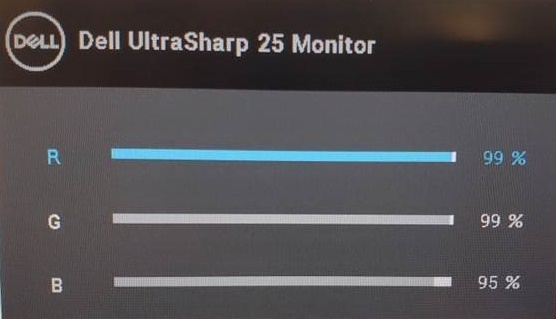
Credit: www.dell.com
Frequently Asked Questions
What Is Color-enhancing Temperature Adjustment?
Color-enhancing temperature adjustment modifies image warmth or coolness. It improves color vibrancy and visual appeal. This technique balances tones for natural and vivid results in photography and design.
How Does Temperature Affect Color Perception?
Temperature changes shift color tones towards warm (orange/red) or cool (blue). It influences mood and clarity by enhancing specific hues. Proper adjustment ensures accurate and attractive color representation in images.
Why Use Temperature Adjustments In Photo Editing?
Temperature adjustments correct lighting issues and enhance color richness. They help create mood, emphasize details, and unify image tone. This tool is essential for professional and creative photo enhancement.
Can Temperature Adjustments Improve Skin Tones?
Yes, temperature adjustments balance skin tones by reducing unnatural color casts. Warmer tones add healthy glow; cooler tones reduce redness. This technique ensures realistic and flattering portrait edits.
Conclusion
Color-enhancing temperature adjustments can improve your photos easily. Warm tones add a cozy, inviting feel. Cool tones create calm and fresh moods. Small changes make big differences in your images. Experiment with settings to find what suits you best. Keep practicing to understand how colors affect emotion.
Your pictures will look more vibrant and natural. Enjoy the creative process and have fun editing.