
Have you ever wondered how much heat your clownfish can handle? If you keep these colorful little swimmers, knowing their temperature tolerance is key to keeping them healthy and happy.
Too hot or too cold, and your clownfish could get stressed or sick. But don’t worry—this guide will help you understand exactly what temperatures your clownfish thrives in. By the end, you’ll be confident in creating the perfect environment for your finned friends.
Ready to protect your clownfish from temperature troubles? Let’s dive in!
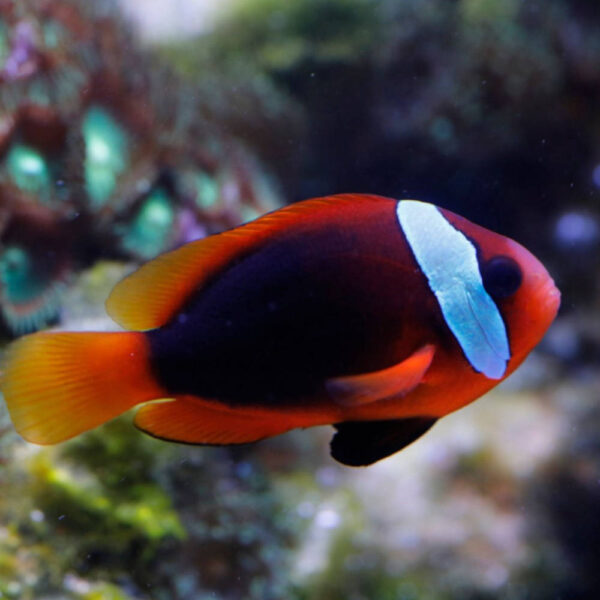
Credit: roxyaquarium.com.au
Clownfish Habitat Basics
Clownfish live in warm ocean waters. They are best known for their bright colors and friendly nature. Understanding their habitat helps keep them healthy.
These fish form close bonds with sea anemones. Their natural environment provides shelter and food. Knowing this is key for aquarium care.
Natural Environment
Clownfish naturally live in shallow coral reefs in the Indian and Pacific Oceans. They prefer water temperatures between 75°F and 82°F (24°C to 28°C). The coral reefs provide hiding spots and protection.
- Water temperature: 75°F to 82°F
- Depth: 1 to 15 meters
- Common locations: Coral reefs near Australia, Southeast Asia
- Symbiotic partner: Sea anemones
- Salinity: Stable ocean salt levels
Common Tank Setups
Setting up a tank for clownfish means mimicking their natural home. The water should stay warm and clean. A proper tank size and decorations help clownfish feel safe.
| Tank Feature | Recommended |
|---|---|
| Tank size | 20 gallons or more |
| Water temperature | 75°F to 80°F |
| Salinity | 1.020 to 1.025 specific gravity |
| Decorations | Live rock and artificial or live anemones |
| Filtration | Strong biological filter |
| Lighting | Moderate to bright for anemones |

Credit: www.bulkreefsupply.com
Temperature Range For Clownfish
Clownfish live in warm ocean waters. Their temperature needs are important for their health. Knowing the right range helps keep them safe.
This guide covers the minimum and maximum temperature limits clownfish can tolerate. It helps aquarium owners create a good environment.
Minimum Temperature Limits
Clownfish need water that is not too cold. If the temperature drops below a certain point, they can get sick or stressed.
- The lowest safe temperature is around 72°F (22°C).
- Temperatures below 70°F (21°C) may cause health problems.
- Keep the water stable to avoid sudden cold shocks.
- Below 68°F (20°C), clownfish may stop eating.
Maximum Temperature Limits
Clownfish also have a high temperature limit. Too warm water can reduce oxygen and stress the fish.
| Temperature (°F) | Temperature (°C) | Effect on Clownfish |
| 82°F | 28°C | Upper safe limit |
| 84°F | 29°C | Stress signs appear |
| 86°F and above | 30°C and above | Health risks increase |
Effects Of Temperature On Clownfish
Clownfish live in tropical waters where temperature affects their daily life. Changes in water temperature can cause different reactions in their behavior and health.
Understanding how temperature impacts clownfish helps keep them safe in aquariums and the wild.
Behavioral Changes
Clownfish change how they act when water temperature shifts. They may swim less or hide more to save energy.
- Less active swimming during high temperatures
- Increased hiding in cooler or warmer water
- Reduced feeding when water is too warm or cold
- More aggressive behavior if stressed by temperature
Health Impacts
Temperature changes can cause health problems for clownfish. Their immune system weakens, making them prone to disease.
| Temperature Range (°C) | Health Effect |
| Below 22 | Slow metabolism, weak immune response |
| 22 – 28 | Optimal health and activity |
| Above 28 | Stress, increased risk of infections |
Maintaining Ideal Water Conditions
Clownfish need the right water temperature to stay healthy. Keeping water stable helps them live longer.
Water that is too hot or too cold can stress clownfish. It is important to maintain a good temperature.
Temperature Regulation Techniques
Use heaters to keep the water warm in cold weather. Chillers help cool the water if it gets too hot.
Place the tank away from windows and direct sunlight. This stops sudden temperature changes.
- Set aquarium heaters to 75-82°F (24-28°C)
- Use aquarium chillers if temperature rises above 82°F
- Keep tank away from heaters, air vents, and sunlight
- Use lids to reduce evaporation and temperature swings
Monitoring Tools And Tips
Thermometers help track water temperature easily. Digital ones give quick and clear readings.
Check temperature at least twice daily. This prevents surprises and keeps clownfish safe.
- Use digital or glass aquarium thermometers
- Place thermometer in the middle of the tank
- Record temperature readings every morning and evening
- Adjust heaters or chillers based on readings
Temperature And Clownfish Breeding
Clownfish are popular for their vibrant colors and unique behaviors. Temperature plays a key role in their breeding success.
Understanding the right temperature range is crucial for clownfish to spawn and for eggs to hatch successfully.
Optimal Conditions For Spawning
Clownfish prefer warm waters for spawning. The ideal temperature range is between 25 to 28 degrees Celsius.
This warm environment encourages clownfish to lay eggs. Stable temperatures also reduce stress for the breeding pair.
- Maintain consistent water temperature
- Avoid sudden temperature changes
- Monitor temperature with reliable equipment
Incubation Temperature Effects
The temperature of the water affects how fast clownfish eggs develop. Higher temperatures speed up incubation, while lower temperatures slow it down.
Temperatures between 26 to 28 degrees Celsius are best for healthy egg development. This ensures the larvae are strong when they hatch.
| Temperature Range (°C) | Effect on Incubation |
| 26 – 28 | Optimal for egg development |
| Below 25 | Slower development, possible risk |
| Above 28 | Faster development, possible stress |
Common Temperature-related Issues
Clownfish are sensitive to water temperature changes. Keeping the tank temperature stable is very important.
Extreme temperatures can cause health problems for clownfish. Understanding these issues helps keep them safe.
Stress Symptoms
Clownfish show stress when water temperature is too high or too low. Stress weakens their immune system.
Common signs of stress include unusual swimming, hiding, and loss of appetite. Their colors may also fade.
- Erratic swimming or floating
- Loss of appetite
- Hiding more than usual
- Faded or dull coloration
Disease Risks
Temperature swings increase the risk of diseases in clownfish. Warm water can encourage bacteria and parasites.
Common diseases include ich, fin rot, and fungal infections. These illnesses worsen if the clownfish stay stressed.
- Ich (white spot disease)
- Fin rot
- Fungal infections
- Bacterial infections
Adapting To Temperature Fluctuations
Clownfish live in warm ocean waters and need stable temperatures. Sudden changes in water temperature can stress them. Understanding how to help clownfish adjust is important for their health.
Temperature changes happen due to weather or tank problems. Clownfish can adapt if changes happen slowly. Quick shifts can cause illness or death.
Gradual Adjustment Methods
Slowly change the water temperature to help clownfish get used to new conditions. Raise or lower the temperature by no more than 1 degree Celsius each day.
Use a reliable heater or chiller with a thermostat. Monitor the water temperature twice a day. Avoid sudden changes to keep clownfish safe.
- Check water temperature regularly
- Adjust heater or chiller slowly
- Keep temperature changes under 1°C per day
- Observe fish behavior for stress signs
Emergency Measures
If water temperature changes too fast, act quickly to protect clownfish. Move them to a stable tank with the right temperature if possible.
Use fans or ice packs outside the tank to cool water if it gets too warm. For cold water, use heaters and insulate the tank to raise temperature.
- Transfer fish to a stable environment
- Use external cooling or heating tools
- Avoid direct contact of ice or heat with water
- Watch fish for signs of shock or illness
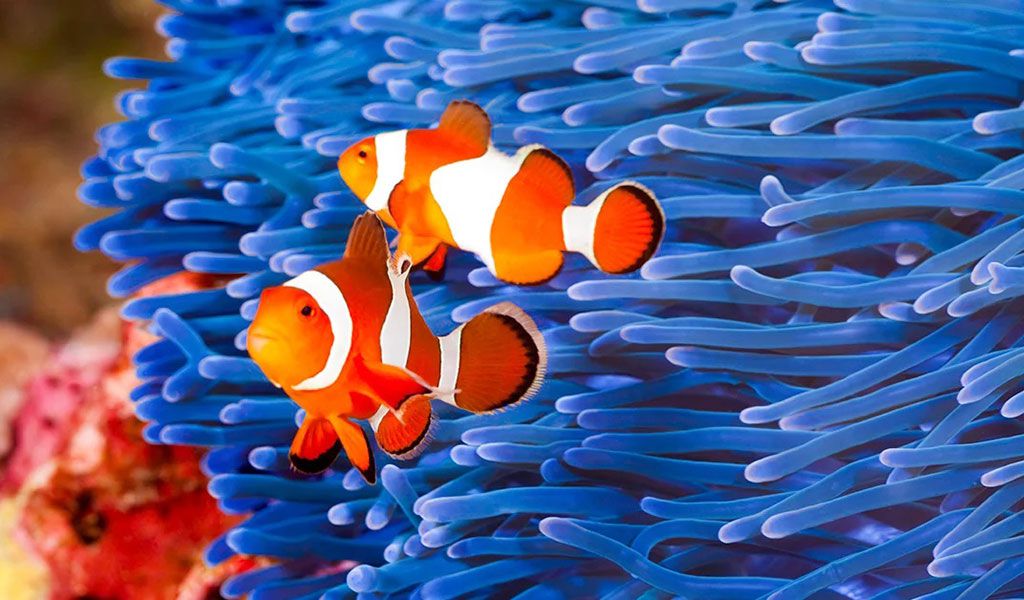
Credit: www.hygger-online.com
Frequently Asked Questions
What Is The Ideal Temperature For Clownfish?
Clownfish thrive best between 75°F and 82°F (24°C – 28°C). Maintaining this range ensures their health and activity.
How Do Clownfish React To Temperature Changes?
Clownfish tolerate minor fluctuations but prolonged extremes cause stress. Sudden drops or rises can weaken their immune system.
Can Clownfish Survive In Colder Waters?
Clownfish cannot survive well below 70°F (21°C). Cold water slows metabolism and may lead to illness or death.
What Happens If Clownfish Water Gets Too Hot?
Temperatures above 85°F (29°C) can cause stress and oxygen depletion. Prolonged heat may result in fatal consequences for clownfish.
Conclusion
Clownfish live best in warm water between 72 and 78 degrees Fahrenheit. They can handle small changes but not sudden drops or rises. Keeping their tank temperature steady helps them stay healthy and active. Watch your clownfish closely for signs of stress.
Proper temperature care makes a big difference in their life. Small efforts keep clownfish happy and strong. Remember, stable warmth supports their natural behavior and growth. Temperature matters a lot for clownfish well-being. Take care of their environment to enjoy their bright colors and lively nature.