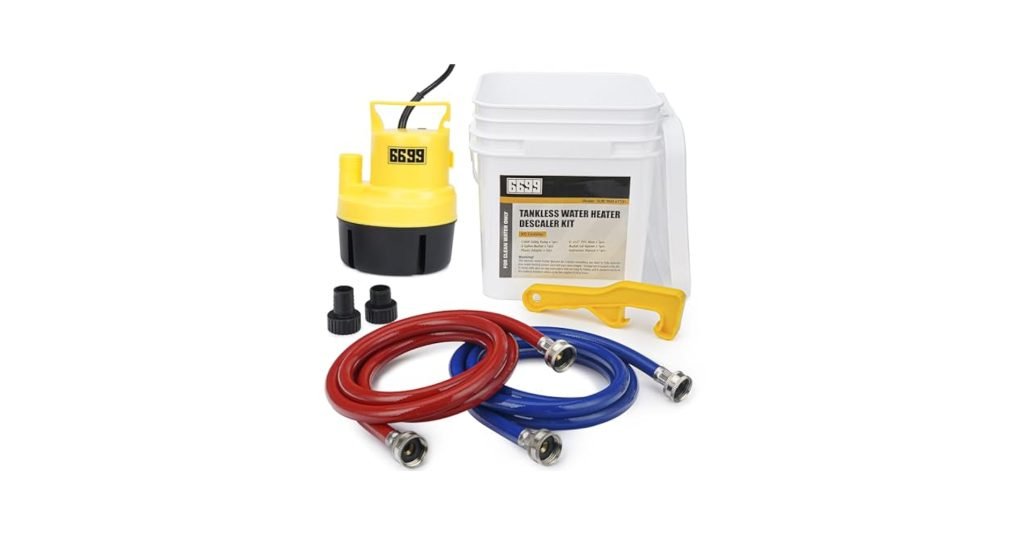
If you rely on submersible heaters to keep your water warm, keeping them clean is key to making sure they work properly. Dirty heaters can waste energy, heat unevenly, or even break down.
But cleaning them doesn’t have to be a hassle. You’ll discover simple and effective ways to clean your submersible heater so it runs smoothly and lasts longer. Keep reading to learn how a little maintenance can save you time, money, and frustration.
Why Clean Submersible Heaters
Submersible heaters keep water warm in tanks or pools. Dirt and scale build-up can affect their work.
Cleaning these heaters helps them last longer and work better. It saves energy and prevents damage.
Impact Of Dirt And Scale
Dirt and scale reduce heater efficiency. They cover heating parts and block heat transfer.
- Increase energy use as heaters work harder
- Cause uneven heating and hot spots
- Lead to early heater failure
- Raise maintenance and replacement costs
Benefits Of Regular Maintenance
| Benefit | Description |
| Better Efficiency | Heaters use less energy to heat water |
| Longer Lifespan | Less wear and tear on heating elements |
| Lower Costs | Fewer repairs and replacements needed |
| Safe Operation | Prevents overheating and electrical issues |

Credit: www.amazon.com
Tools And Materials Needed
Cleaning submersible heaters requires specific tools and materials. Using the right supplies helps keep the heater safe and working well.
This guide covers cleaning solutions, protective gear, and cleaning tools needed for the job.
Cleaning Solutions
Choose safe and effective cleaning solutions to remove dirt and deposits. Avoid harsh chemicals that can damage the heater.
- White vinegar for mineral buildup
- Mild dish soap for general cleaning
- Isopropyl alcohol for grease removal
- Distilled water for rinsing
Protective Gear
Wear the right protective gear to stay safe during cleaning. This gear protects against chemicals and sharp parts.
| Protective Item | Purpose |
| Rubber gloves | Protect hands from chemicals |
| Safety goggles | Shield eyes from splashes |
| Protective apron | Keep clothes clean and dry |
| Mask | Prevent inhaling fumes |
Cleaning Tools
Use proper cleaning tools to reach all parts of the heater and remove dirt safely.
- Soft-bristle brush for gentle scrubbing
- Microfiber cloths for wiping
- Plastic scraper to remove stuck debris
- Bucket for mixing cleaning solutions
- Spray bottle for applying solutions
Preparing The Heater For Cleaning
Cleaning a submersible heater keeps it working well. Preparing the heater correctly makes cleaning safe and easy.
Take time to get the heater ready before you start cleaning. Follow these steps to avoid damage or injury.
Power Off And Unplug
Always turn off the heater before cleaning. This stops electricity from flowing and keeps you safe.
Unplug the heater from the power source. This prevents any accidental start or electric shock during cleaning.
- Switch off the heater using the power button or switch
- Unplug the heater from the wall socket or power strip
- Check that the heater is completely disconnected from electricity
Removing The Heater From Water
Take the heater out of the water carefully. This stops water damage and prepares the heater for cleaning.
Hold the heater firmly and lift it slowly. Avoid pulling on the cord to prevent damage.
- Grip the heater body, not the cord
- Lift the heater straight up to avoid splashes
- Place the heater on a dry, flat surface for cleaning
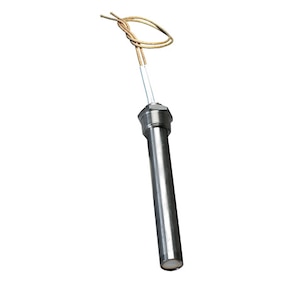
Credit: www.dwyeromega.com
Step-by-step Cleaning Process
Cleaning submersible heaters keeps them working well. Dirt and scale can reduce their heat output.
This guide shows simple steps to clean your heater safely and effectively.
Removing Surface Debris
First, unplug the heater and let it cool down. Use a soft cloth to wipe off loose dirt and grime.
Pay special attention to the heating element and any visible buildup on the surface.
- Unplug and cool the heater
- Use a soft cloth or sponge
- Wipe off dirt and dust
Soaking And Scrubbing
Fill a container with warm water and a mild detergent. Submerge the heater carefully for 15 to 30 minutes.
After soaking, use a soft brush to scrub the heater gently. This removes softer deposits.
- Use warm water and mild soap
- Soak heater for 15-30 minutes
- Scrub gently with a soft brush
Dealing With Stubborn Scale
For tough scale, use a vinegar solution or a descaling agent. Soak the heater for 1 hour or more.
After soaking, scrub again with a brush. Rinse the heater well with clean water before use.
- Prepare vinegar or descaling solution
- Soak heater for 1 hour or longer
- Scrub off loosened scale
- Rinse thoroughly with clean water
Drying And Inspecting The Heater
Cleaning submersible heaters is important to keep them working well. After cleaning, drying and inspecting the heater is needed.
Proper drying stops water damage. Checking the heater finds any problems early.
Safe Drying Techniques
Dry the heater in a dry, warm place. Avoid direct sunlight or high heat that can damage parts.
Use a soft cloth to wipe off water. Let the heater air dry fully before using it again.
- Place heater on a towel or rack
- Do not use a hairdryer or heat gun
- Wait at least 24 hours to dry completely
- Keep away from dust and dirt
Checking For Damage
Inspect the heater for cracks, rust, or loose parts. These can cause heater failure or safety risks.
Look at the power cord and plug for any signs of wear. Replace damaged parts before use.
- Check the heating element for cracks or corrosion
- Ensure seals and gaskets are intact
- Test the power cord for cuts or frays
- Look for loose screws or fittings
Reinstalling And Testing
Cleaning submersible heaters is crucial for their efficiency. After cleaning, proper reinstallation ensures they work well.
This guide will help you place and test your heater for optimal performance. Let’s dive in to make sure your device functions properly.
Proper Placement
Correct placement of your submersible heater is essential for even heat distribution. Make sure the heater is fully submerged in water.
- Position the heater near a water flow source.
- Avoid placing it directly on the tank bottom.
- Ensure the heater is not touching any decorations.
Ensuring Functionality
Once placed correctly, testing the heater is the next step. This ensures it operates at the right temperature.
| Test | Action |
| Thermostat Calibration | Set the thermostat to the desired temperature. |
| Temperature Check | Use a thermometer to verify the water temperature. |
| Safety Features | Ensure automatic shut-off works. |
Preventive Tips For Longevity
Submersible heaters are crucial for maintaining water temperature. Keeping them clean ensures they last longer.
Regular maintenance prevents damage and inefficiency. Follow these tips to care for your heater.
Regular Cleaning Schedule
Cleaning the heater often keeps it in good shape. Dust and dirt can cause it to overheat or fail.
Wipe the heater with a damp cloth once a month. Check for any build-up of debris.
- Unplug the heater before cleaning
- Use mild soap and water for tough spots
- Inspect the heater for cracks or damage
Water Quality Management
Good water quality extends the life of your heater. Poor water can corrode and damage it.
Test the water regularly to ensure it is clean. Balanced pH levels are important for heater health.
- Use water conditioners to prevent mineral build-up
- Check pH levels weekly to keep them balanced
- Replace water if it becomes cloudy or discolored

Credit: www.dugoutnorthbrook.com
Frequently Asked Questions
How Often Should I Clean Submersible Heaters?
Clean submersible heaters every 3 to 6 months to maintain efficiency. Regular cleaning prevents mineral buildup and extends heater life.
What Tools Are Needed For Cleaning Submersible Heaters?
You need a soft brush, mild detergent, and a cloth. Avoid abrasive tools to prevent damage to the heater’s surface.
Can Vinegar Be Used To Clean Submersible Heaters?
Yes, vinegar effectively removes mineral deposits. Soak the heater in vinegar for 30 minutes, then gently scrub and rinse.
Why Is Cleaning Submersible Heaters Important?
Cleaning prevents scale buildup, which reduces heat transfer and increases energy use. It also prevents heater malfunction and extends device longevity.
Conclusion
Cleaning submersible heaters keeps them working well and lasting longer. Dirt and buildup can cause problems or damage. Regular cleaning saves money and avoids heater failure. Use gentle tools and follow safety steps each time. Clean heaters heat water evenly and stay energy efficient.
Small efforts now prevent big repairs later. Keep your heater clean for better performance every day. Simple care makes a big difference.