
If you keep cichlids, you know how important water quality is for their health and happiness. One key factor you might overlook is water hardness.
Getting the right hardness level can make a huge difference in your cichlids’ colors, behavior, and overall well-being. In this guide, you’ll discover exactly what water hardness means, why it matters for your fish, and how to adjust it easily.
Stick with me, and you’ll gain the confidence to create the perfect environment your cichlids deserve.

Credit: aquadiction.world
Cichlid Species And Water Hardness
Cichlids are popular freshwater fish with many species. Each species prefers a certain water hardness level.
Water hardness affects fish health and behavior. Knowing the right hardness helps keep cichlids happy.
Types Of Cichlids By Hardness Preference
Cichlids live in waters with different hardness. Some like soft water, others need hard water.
- Soft Water Cichlids:These fish thrive in water with low mineral content.
- Moderate Hardness Cichlids:They prefer water with balanced minerals.
- Hard Water Cichlids:These species grow well in water with high mineral levels.
Natural Habitats And Water Conditions
Cichlids come from lakes, rivers, and streams around the world. Each habitat has unique water hardness.
Understanding their natural water helps create the right aquarium environment for each cichlid species.
| Habitat | Water Hardness | Example Species |
|---|---|---|
| African Rift Lakes | Hard to very hard | Mbuna, Peacock Cichlids |
| Amazon River Basin | Soft to moderate | Angelfish, Discus |
| Central America Rivers | Moderate | Convict, Firemouth |
Measuring Water Hardness
Water hardness is important for keeping cichlids healthy. It affects their growth and behavior. Measuring hardness helps create the right tank environment.
There are two main types of water hardness. Each type shows different minerals in the water. Knowing both types helps maintain balanced water.
General Hardness (gh) Explained
General Hardness measures minerals like calcium and magnesium in the water. These minerals help fish build strong bones and scales. GH shows how soft or hard the water is.
Low GH means soft water with fewer minerals. High GH means hard water with more minerals. Different cichlids prefer different GH levels.
- Soft water: 0-4 dGH (degrees of GH)
- Moderate water: 4-8 dGH
- Hard water: 8-12 dGH or more
Carbonate Hardness (kh) Basics
Carbonate Hardness measures carbonates and bicarbonates in water. KH helps keep pH stable. It stops sudden pH changes that can stress fish.
Low KH means weak pH stability. High KH means strong pH stability. Most cichlids do best with moderate KH levels.
- Low KH: 0-4 dKH
- Moderate KH: 4-8 dKH
- High KH: 8-12 dKH or more
Tools For Testing Hardness Levels
Testing water hardness is easy with simple tools. Test kits use drops or strips to show hardness levels. Digital meters give quick readings too.
Use test kits regularly to keep water safe. Compare results to your cichlid’s needs. Adjust water hardness with treatments if needed.
- Liquid test kits for GH and KH
- Test strips for quick readings
- Digital hardness meters for accuracy
Ideal Hardness Levels For Cichlids
Cichlids are a popular group of freshwater fish. They come from different habitats. Each type prefers specific water hardness.
Water hardness affects fish health and behavior. Knowing the right hardness helps keep cichlids happy and healthy.
Soft Water Cichlids
Soft water cichlids live in areas with low mineral content. Their water hardness is usually between 0 and 6 dGH.
These fish need soft water to thrive. Hard water can stress them and cause health problems.
- Ideal hardness: 0-6 dGH
- Examples: Apistogramma, some South American cichlids
- Water should be slightly acidic to neutral
Moderate Hardness Cichlids
Moderate hardness cichlids live in water with medium mineral levels. Their preferred hardness is 7 to 12 dGH.
These cichlids adapt well to average aquarium water. They like stable conditions with moderate hardness.
- Ideal hardness: 7-12 dGH
- Examples: Convict cichlid, some African cichlids
- Neutral to slightly alkaline water pH
Hard Water Cichlids
Hard water cichlids come from lakes with high mineral content. They need water hardness above 12 dGH.
These fish do best in hard, alkaline water. Soft water can cause stress and reduce their lifespan.
- Ideal hardness: 12+ dGH
- Examples: Lake Malawi and Tanganyika cichlids
- High pH, usually above 7.5

Credit: www.youtube.com
Adjusting Water Hardness
Water hardness affects cichlid health and tank conditions. Adjusting hardness helps create a suitable habitat. It is important to change hardness slowly and carefully.
Both raising and lowering hardness require safe methods. Avoid sudden changes that can stress your fish. This guide explains how to adjust hardness properly.
Raising Hardness Safely
Increase hardness by adding minerals slowly. Use products like crushed coral or specialized buffers. Test water hardness regularly to track progress.
- Add small amounts of crushed coral to your filter or substrate.
- Use commercial hardness buffers following package instructions.
- Make changes over several days to avoid shocking fish.
- Monitor water parameters every two days.
- Keep other water conditions stable during adjustment.
Lowering Hardness Techniques
Lower hardness by using reverse osmosis (RO) water or peat moss. Dilute tank water with soft water slowly. Avoid removing too many minerals at once.
| Method | Description | Key Point |
| Reverse Osmosis Water | Use RO water to dilute tap water hardness. | Mix slowly over days. |
| Peat Moss | Add peat moss to filter to soften water naturally. | Monitor pH changes. |
| Water Changes | Replace tank water with softer water regularly. | Do small changes to avoid stress. |
Common Mistakes To Avoid
Many make errors that harm cichlids. Avoid rushing changes or using harsh chemicals. Check water hardness before adding treatments.
- Changing hardness too fast can stress or kill fish.
- Using vinegar or acids without care can harm fish.
- Ignoring pH changes when altering hardness.
- Not testing water regularly during adjustments.
- Mixing incompatible water types suddenly.
Impact Of Hardness On Fish Health
Water hardness measures minerals like calcium and magnesium in water. It affects many aspects of cichlid fish health. Maintaining the right hardness helps keep fish strong and active.
Too soft or too hard water can cause problems for cichlids. Understanding hardness impact helps provide the best care for your fish.
Effects On Growth And Coloration
Water hardness plays a role in how cichlids grow. Proper hardness supports healthy bones and body development. It also influences their bright colors.
Hard water with enough minerals helps fish show their true colors. Soft water can make colors fade and slow growth rates.
- Hardness supports strong skeletons
- Minerals enhance vibrant coloration
- Low hardness may stunt growth
- Colors can dull in very soft water
Disease Resistance And Stress Levels
Cichlids in the right hardness water show better resistance to diseases. Hardness affects their immune system strength. Stress levels also stay low with balanced minerals.
Water that is too soft or too hard can stress fish. Stress weakens their defense against infections. Keeping stable hardness helps maintain healthy fish.
- Balanced hardness boosts immune response
- Stable water reduces stress
- Stress raises disease risk
- Extreme hardness changes cause illness
Maintaining Stable Hardness
Keeping water hardness stable is crucial for cichlids. It helps them thrive and stay healthy.
Learn how to manage water hardness with simple steps. Your fish will thank you.
Routine Water Testing
Testing your tank water regularly is important. It helps you keep track of water hardness levels.
- Use a reliable water test kit
- Check hardness weekly
- Record the results in a logbook
Water Source Considerations
The source of your water can affect hardness. Tap water and well water may differ greatly.
| Water Source | Hardness Level |
| Tap Water | Varies |
| Well Water | Often High |
| Rainwater | Low |
Using Buffers And Additives
Buffers and additives can adjust water hardness. They help maintain the right environment for cichlids.
Compatibility And Hardness
Cichlids are popular aquarium fish known for their vibrant colors and interesting behaviors. Their water hardness needs vary based on species. Understanding compatibility and water hardness is crucial for a healthy tank.
Water hardness affects fish health and behavior. Some cichlids thrive in hard water, while others prefer softer conditions. Knowing these preferences helps in creating a balanced aquarium environment.
Mixing Species With Different Needs
Mixing cichlid species with different water hardness needs can be tricky. It requires careful planning to ensure all fish thrive. Some species can adapt to a range of hardness levels, making them suitable for mixed tanks.
Research each species before adding them to your tank. Consider their specific hardness requirements and choose species with similar needs to avoid stress and health issues.
- Check compatibility charts for species
- Select adaptable species for mixed tanks
- Observe fish behavior for stress signs
Community Tank Hardness Management
Managing water hardness in a community tank is essential. It ensures all fish live comfortably. Regular testing and adjustments keep the hardness at optimal levels for your cichlids.
Use commercial products or natural methods to alter water hardness. Be mindful of changes, as sudden shifts can harm your fish. Consistency is key to a thriving community tank.
| Method | Description |
| Commercial products | Use additives to increase or decrease hardness |
| Natural methods | Include driftwood or peat to soften water |
| Regular testing | Monitor hardness levels weekly |
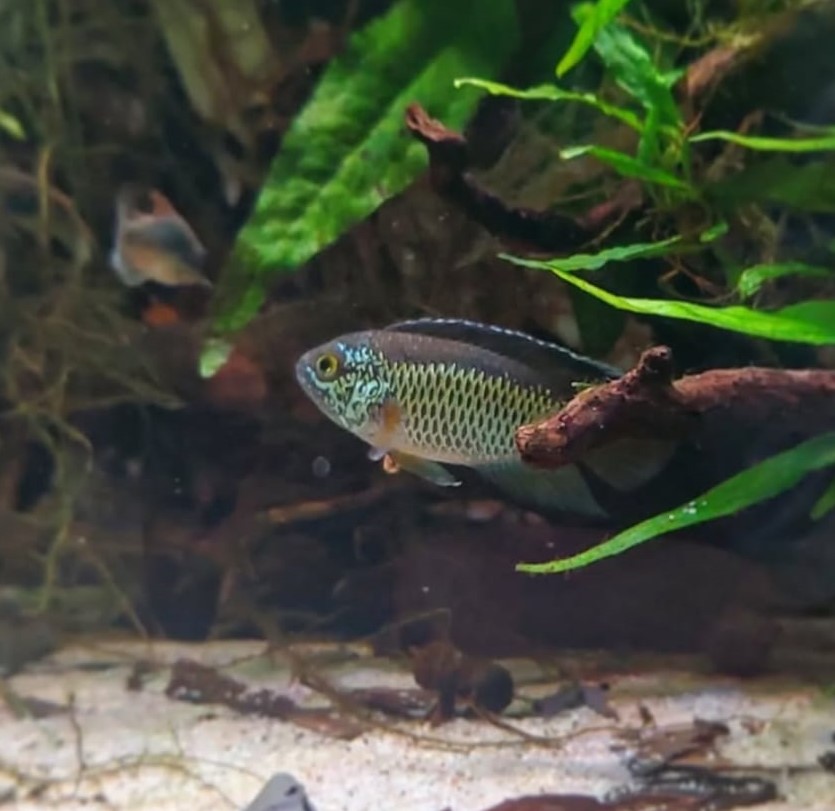
Credit: theaquariumhome.com
Frequently Asked Questions
What Is Ideal Water Hardness For Cichlids?
Ideal water hardness for cichlids ranges from 8 to 20 dGH. This helps maintain their health and natural behavior. Different cichlid species prefer varying hardness levels. Checking species-specific needs ensures optimal water conditions and promotes vibrant colors and active fish.
How Does Water Hardness Affect Cichlid Health?
Water hardness impacts cichlid osmoregulation and stress levels. Too soft or too hard water can cause health problems. Proper hardness supports strong bones and scales. Maintaining stable hardness reduces disease risks and improves breeding success in cichlids.
How To Measure Water Hardness For Cichlids?
Use a reliable water hardness test kit to measure dGH or ppm. Regular testing ensures water parameters stay within ideal ranges. Accurate measurement helps prevent sudden changes that may stress cichlids. Test kits are affordable and easy to use at home.
Can I Change Water Hardness For Cichlids?
Yes, you can adjust water hardness by adding minerals or using reverse osmosis. Adding crushed coral or limestone raises hardness. Diluting with distilled water lowers hardness. Make gradual changes to avoid shocking your cichlids and monitor levels closely.
Conclusion
Maintaining the right water hardness helps cichlids stay healthy. Hardness affects their growth, colors, and behavior. Test your water regularly for best results. Adjust hardness slowly to avoid stress on fish. Each cichlid species prefers different water hardness levels. Understanding this keeps your aquarium balanced and thriving.
Small changes can make a big difference. Keep learning and observe your fish carefully. Good water hardness means happy, vibrant cichlids. Simple care leads to a beautiful tank.