
Keeping your cichlid tank clean and healthy can feel like a challenge. But what if you had simple, effective tips that make maintenance easy and stress-free?
Imagine your fish thriving in clear water, with vibrant colors and lively behavior—without spending hours on tank chores. You’ll discover practical steps to keep your cichlid tank in top shape. Whether you’re a beginner or have some experience, these tips will help you create a stable environment your fish will love.
Ready to make your tank a beautiful, healthy home for your cichlids? Let’s dive in!
Choosing The Right Tank
Choosing the right tank is important for cichlid health and happiness. The tank must fit their size and behavior.
A proper tank helps keep water clean and gives fish enough space to swim freely.
Tank Size And Shape
Cichlids need a large tank because they grow big and are active swimmers. A small tank causes stress and fights.
Choose a tank with more length than height. Wide tanks give more swimming space and help reduce aggression.
- A minimum of 55 gallons is good for most cichlids
- Larger tanks allow more fish and better water quality
- Long tanks help separate territories and reduce fights
Suitable Filtration Systems
Cichlids produce a lot of waste, so strong filtration is needed. Good filters keep water clean and healthy.
Choose filters that provide mechanical, biological, and chemical filtration for best results.
- Canister filters are powerful and quiet
- Hang-on-back filters are easy to maintain
- Sponge filters help with biological filtration
- Use filters rated for larger tanks than yours

Credit: www.reddit.com
Water Quality Essentials
Good water quality is key to keeping cichlids healthy. Clean water helps fish grow strong and live longer.
Knowing how to care for water in your cichlid tank will make your fish happy. This guide covers important tips.
Maintaining Proper Ph Levels
Cichlids need stable pH levels to stay healthy. Most cichlids prefer pH between 7.0 and 8.5.
Test your tank’s pH regularly. Use buffers or natural materials to keep pH steady if needed.
- Use a reliable pH test kit
- Avoid sudden pH changes
- Add crushed coral to raise pH
- Use peat moss to lower pH
Controlling Temperature
Cichlids live best in warm water. Keep the tank temperature between 74°F and 82°F (23°C to 28°C).
Use a heater and thermometer to keep temperature steady. Avoid placing the tank near heat or cold sources.
- Set heater to the right temperature
- Check temperature daily
- Keep water stable to reduce fish stress
Regular Water Testing
Test water often to catch problems early. Check for ammonia, nitrite, nitrate, and pH levels.
Use test kits made for aquariums. Record results to track water quality over time.
- Test ammonia and nitrite weekly
- Check nitrate levels to keep them low
- Monitor pH and hardness regularly
- Perform partial water changes if needed
Feeding Best Practices
Feeding cichlids well keeps them healthy and active. Good feeding habits help them grow strong and show their best colors.
Knowing what and how much to feed is key. This guide covers balanced diets and feeding schedules for your cichlid tank.
Balanced Diet For Cichlids
Cichlids need a mix of foods to stay healthy. Their diet should include proteins, vegetables, and vitamins. Avoid feeding only one type of food.
- High-quality pellets or flakes designed for cichlids
- Frozen or live foods like brine shrimp and bloodworms
- Vegetables such as spinach, peas, or zucchini
- Occasional treats like small insects or crustaceans
Always remove uneaten food to keep the water clean. This helps prevent diseases and keeps your fish safe.
Feeding Frequency And Portions
Feed your cichlids small amounts two to three times a day. Overfeeding can cause water problems and health issues.
| Age/Size of Cichlid | Feeding Frequency | Portion Size |
| Juvenile | 3 times daily | Small pinch per feeding |
| Adult | 2 times daily | Moderate amount per feeding |
| Older or Less Active | Once daily | Small portion |
Watch your fish as they eat. Adjust portions if food is left over or fish seem hungry after feeding.

Credit: www.aqqapet.com
Cleaning And Maintenance Routine
Keeping a cichlid tank clean helps your fish stay healthy. A regular routine makes maintenance easier.
Focus on gravel care, tank walls, and filter cleaning. Each part needs attention to keep the tank safe.
Gravel And Substrate Care
Gravel collects waste and uneaten food. Clean it weekly to prevent bad odors and harmful bacteria.
- Use a gravel vacuum to remove debris
- Stir the substrate gently to avoid trapping gases
- Remove dead plants or leftover food from the gravel
- Do not clean all gravel at once to keep beneficial bacteria
Tank Wall Cleaning
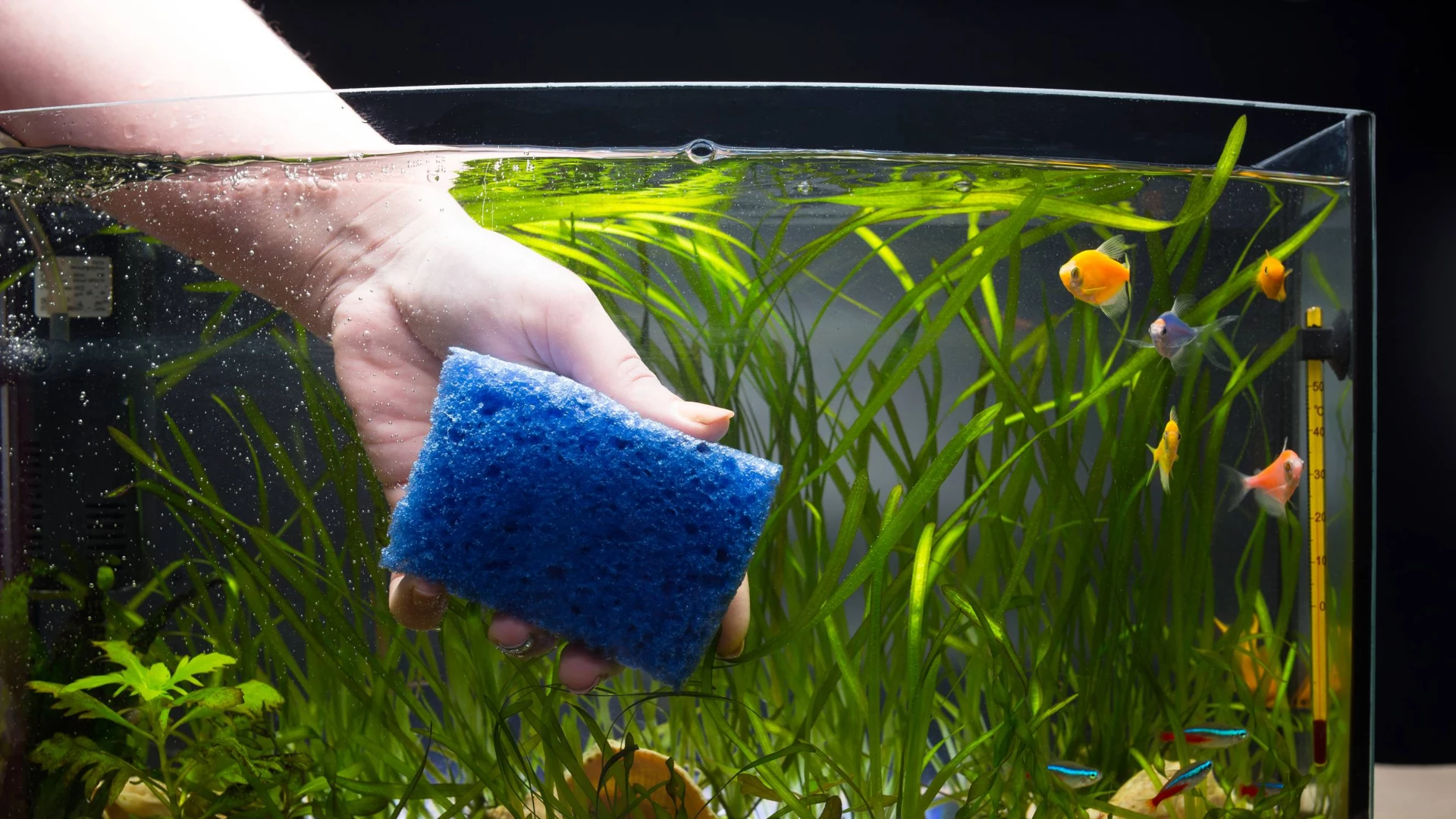
Algae grow on tank walls and block light. Clean walls regularly to keep the view clear.
| Method | Tool Needed | Frequency |
| Scrape algae | Algae scraper or magnetic cleaner | Weekly |
| Wipe outside glass | Soft cloth | Weekly |
| Rinse decorations | Bucket with tank water | Monthly |
Filter Cleaning And Replacement
Filters remove waste and keep water clear. Clean or replace filter media to keep it working well.
Follow these tips for filter care:
- Rinse filter sponges in tank water, not tap water
- Replace carbon or chemical media monthly
- Check filter flow weekly to spot blockages
- Do not clean all filter parts at once to keep bacteria alive
Managing Fish Health
Keeping your cichlids healthy is key to a thriving tank. Healthy fish live longer and look better.
Good care means watching for signs of illness and acting fast. This helps stop diseases from spreading.
Identifying Common Diseases
Cichlids can get sick from bacteria, parasites, or fungi. Spotting disease early helps protect your fish.
Look for changes like spots, swelling, or odd swimming. These signs mean your fish may need help.
- White spots or fuzz on skin or fins
- Red or inflamed areas on the body
- Fish scratching against tank surfaces
- Loss of appetite or hiding more than usual
- Rapid breathing or gasping at the surface
Quarantine Procedures
Always isolate new or sick cichlids in a separate tank. This prevents spreading diseases to healthy fish.
Use a quarantine tank for at least two weeks. Watch fish closely and treat any illness before adding them to the main tank.
- Set up a separate, clean tank with proper water conditions
- Keep new fish in quarantine before mixing with others
- Observe daily for signs of illness or stress
- Treat diseases early using recommended medications
- Clean and disinfect equipment after use
Decor And Environment Setup
Setting up a cichlid tank is fun and important. The right decor helps keep fish happy and healthy. This guide will help you choose safe decorations and create hiding spots.
Decor can change how your tank looks and feels. Make sure to pick items that are safe for your fish and will not harm them.
Choosing Safe Decorations
Choosing safe decorations is key to a healthy tank. Some materials can harm fish. It is important to know what to look for.
Always use non-toxic decorations. Avoid sharp edges that could hurt your fish. Make sure items are clean and free of chemicals.
- Use aquarium-safe rocks and stones
- Pick smooth decorations to avoid injuries
- Test items for safety before adding them
Creating Hiding Spots
Cichlids love to hide and feel safe. Hiding spots are important for their well-being. They help reduce stress and aggression.
Use caves, plants, and tunnels for hiding. These can be made from natural or artificial materials. Make sure they are stable and secure.
- Arrange rocks to form small caves
- Include tall plants for coverage
- Add tunnels for exploration
Managing Tank Mates
Cichlid tanks can be challenging to maintain due to their unique social behaviors. Properly managing tank mates ensures a harmonious environment.
Choosing the right companions for your cichlids is crucial. It prevents stress and aggression among the fish.
Compatible Species
Not all fish get along with cichlids. Some species are more compatible than others. Selecting compatible species reduces conflict in the tank.
Peaceful tank mates like certain catfish or plecos can coexist with cichlids. These species help in maintaining balance in the tank.
- Catfish: Often peaceful and stay at the bottom
- Plecos: Help clean algae without bothering cichlids
- Rainbowfish: Active swimmers that enjoy similar water conditions
Avoiding Aggression
Aggression in cichlid tanks can lead to stress and injury. Proper management can prevent these issues.
Providing hiding spaces is essential. Rocks, plants, and caves give fish places to retreat and claim territories.
- Use rocks to create natural barriers
- Add plants for cover and separation
- Include caves for hiding spots
Credit: www.dirtblastercleaningservices.com
Frequently Asked Questions
How Often Should I Clean My Cichlid Tank?
Clean your cichlid tank weekly by changing 20-30% of the water. Remove debris and vacuum the substrate. Regular cleaning maintains water quality and reduces harmful toxins.
What Is The Ideal Water Temperature For Cichlids?
Keep the water temperature between 75-82°F (24-28°C). This range suits most cichlid species and ensures their health and activity.
How Do I Prevent Algae Growth In A Cichlid Tank?
Limit light exposure to 8-10 hours daily. Avoid overfeeding and perform regular water changes. Adding algae-eating fish can also help control algae naturally.
What Filtration System Works Best For Cichlid Tanks?
Use a strong canister or hang-on-back filter with biological and mechanical filtration. Cichlids produce waste, so efficient filtration is crucial for clean water.
Conclusion
Caring for a cichlid tank takes regular effort and attention. Clean water and proper feeding keep fish healthy. Test water often to avoid problems early. Change tank water regularly to keep it fresh. Watch your fish daily for signs of stress.
Good tank care creates a happy, lively environment. Enjoy the beauty and activity your cichlids bring. Simple steps lead to a thriving aquarium. Keep these tips in mind for lasting success. Your fish will thank you with vibrant colors and energy.