
Are you eager to see your cichlids start spawning but unsure what signs to watch for? Understanding the clear signals your fish give before they spawn can make all the difference.
When you know what to look for, you’ll feel more confident and prepared to support your fish through this exciting process. Keep reading, because spotting these key behaviors early can help you create the perfect environment and increase your chances of successful breeding.
Let’s dive into the top cichlid spawning signs you don’t want to miss.

Credit: www.reddit.com
Cichlid Breeding Basics
Cichlids are popular aquarium fish known for their bright colors. Breeding them can be rewarding but needs care.
Understanding the signs of spawning helps keep the fish healthy. It also improves breeding success.
Types Of Cichlid Spawning
Cichlids spawn in different ways depending on the species. Knowing these types helps prepare for breeding.
There are three main spawning types: substrate spawners, mouthbrooders, and shell dwellers.
- Substrate spawners:Lay eggs on flat surfaces like rocks or leaves.
- Mouthbrooders:Carry eggs and fry in their mouths for protection.
- Shell dwellers:Use empty shells to lay and protect eggs.
Breeding Environment Setup
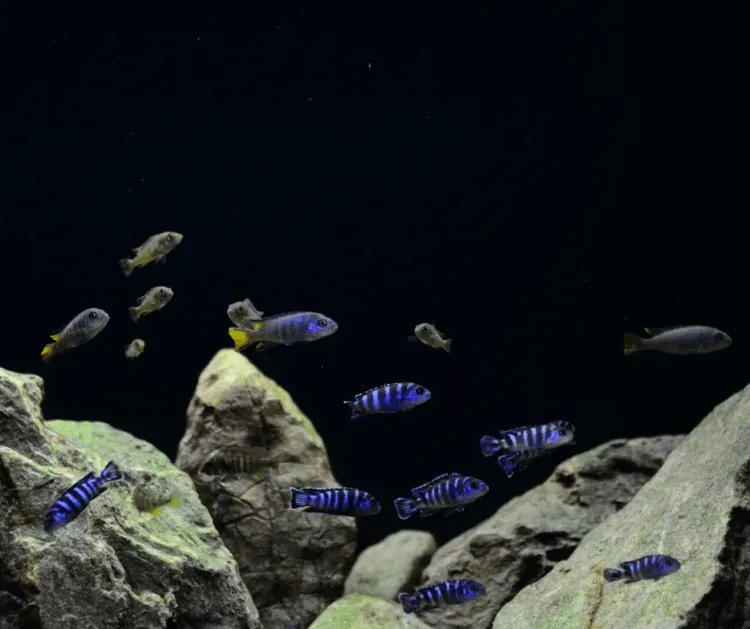
Setting up the tank properly helps cichlids feel safe to spawn. Clean water and hiding places are key.
Use smooth rocks, caves, or shells based on the cichlid type. Keep water temperature stable between 75-82°F.
- Keep pH between 7.0 and 8.0 for most cichlids
- Use gentle filtration to avoid strong currents
- Provide dim lighting to reduce stress
- Feed high-quality food to boost breeding readiness
Credit: aquadecorbackgrounds.com
Behavioral Changes Before Spawning
Cichlids show clear behavior shifts before they spawn. Watching these signs helps understand their needs.
These changes often include aggression, special movements, and close interactions with mates.
Increased Territoriality
Before spawning, cichlids become more territorial. They guard their space to protect eggs and young.
- The fish chase away intruders more aggressively.
- They build or clean nests inside their territory.
- Color patterns may become brighter to warn others.
Courtship Displays
Cichlids use courtship displays to attract mates. These behaviors show readiness to spawn.
| Display Type | Description |
|---|---|
| Fin Flaring | Spreading fins wide to look larger and more attractive. |
| Body Shaking | Quick, small shakes to get the partner’s attention. |
| Color Change | Brightening colors to signal health and readiness. |
Pair Bonding Signals
Pairs form bonds before spawning. These signals help keep the partners close.
Common bonding behaviors include:
- Swimming side by side
- Gentle touching or nipping
- Sharing the same hiding spot
Physical Indicators Of Readiness
Cichlids show clear physical signs before spawning. Watching these signs helps you know when they are ready.
These changes include color, body shape, and fin or scale appearance. Each signal tells you about their breeding stage.
Color Intensification
Cichlids often get brighter or deeper colors before spawning. This helps attract mates and shows good health.
Colors on the body, fins, and face can become more vivid. Some species show new color patterns during this time.
- Brighter blues, reds, or yellows appear
- Body patterns become sharper and clearer
- Fins may show more distinct markings
Body Shape Alterations
Ready-to-spawn cichlids may have rounder or fuller bellies. This change is especially clear in females carrying eggs.
Males might develop a thicker body or a more angular shape. These changes prepare them for defending territory.
- Females show swollen abdomen from eggs
- Males have bulkier, muscular bodies
- Both sexes may hold a firm posture
Fin And Scale Changes
Fins become more spread out and colorful before spawning. Scales can also look shinier or more raised.
Males often flare their fins to show strength. This behavior helps attract females and warn rivals.
- Fins grow longer and more pointed
- Scales reflect light with more shine
- Fin displays increase during courtship

Credit: naturalenvironmentaquatix.com
Nesting And Egg-laying Signs
Cichlids show clear signs when they prepare to spawn. Watching these signs helps you know when eggs will be laid.
Different behaviors like nest building and egg cleaning reveal their readiness to breed.
Nest Building Activities
Cichlids start by selecting a site to build their nest. They may dig pits or clear flat surfaces.
- Digging sand or substrate to make a shallow pit
- Moving small stones or shells to create a nest
- Cleaning leaves or tank surfaces near the nesting site
- Defending the chosen area from other fish
Egg Spotting And Cleaning
Once the nest is ready, the female lays eggs carefully on the surface. Parents keep the eggs clean.
| Behavior | Purpose |
| Fanning eggs with fins | Provides oxygen and removes debris |
| Removing fungus-infected eggs | Keeps the clutch healthy |
| Cleaning the nest surface | Prevents mold and bacteria growth |
Egg Deposition Behavior
The female deposits eggs one by one or in small groups. The male fertilizes them immediately after.
Signs of egg deposition include:
- Female swimming close to the nest repeatedly
- Male showing bright colors and guarding the site
- Both parents cleaning and fanning the eggs
Parental Care Patterns
Cichlids show strong parental care during spawning. They protect and nurture their eggs and young. This care increases the survival rate of their offspring.
Different species have unique ways to care for their eggs and fry. These care patterns include guarding, cleaning, and protecting the young fish.
Egg Guarding
Egg guarding is a key behavior in cichlid spawning. Parents stay close to their eggs to keep predators away. They may become very aggressive during this time.
Both the mother and father can guard the eggs. They watch for threats and chase off intruders. This helps the eggs develop safely.
Fanning And Cleaning Eggs
Cichlid parents fan their eggs with their fins. This movement brings fresh water to the eggs. It also removes debris and harmful fungus.
Cleaning the eggs keeps them healthy. Parents use their mouths or fins to wipe dirt away. This care prevents eggs from dying early.
- Fanning increases oxygen flow
- Cleaning removes harmful substances
- Both actions improve egg survival
Fry Protection
After hatching, cichlid parents protect their fry carefully. They keep the young fish close to avoid danger. Parents may carry fry in their mouths to safety.
Parents also lead their fry to food sources. They teach the young how to find food and avoid threats. This care helps fry grow strong.
Common Challenges In Cichlid Spawning
Cichlid spawning can be a complex process. Fish owners often face challenges in managing their environment. Understanding these challenges helps improve spawning success.
Learning about aggression, stress, and egg predation gives valuable insights. These are common issues that need careful attention.
Aggression Management
During spawning, cichlids may become aggressive. This behavior can harm other fish in the tank. Managing aggression is crucial to protect all tank inhabitants.
- Separate aggressive fish using dividers.
- Provide plenty of hiding spots.
- Monitor fish interactions closely.
Environmental Stress Factors
Environmental stress affects cichlid spawning. Poor water quality and incorrect temperature can hinder the process. Keeping the environment stable is important for healthy spawning.
| Factor | Ideal Condition |
| Water Temperature | 76-82°F |
| pH Level | 6.5-7.5 |
| Water Hardness | 5-15 dGH |
Preventing Egg Predation
Egg predation is a common issue in cichlid tanks. Other fish or even the parents might eat the eggs. Taking steps to prevent this increases the chances of successful hatching.
Tips For Successful Breeding
Breeding cichlids can be a rewarding experience. Understanding their spawning signs is key. Careful planning and attention to detail will improve your success.
There are several factors to consider when breeding cichlids. Water conditions, diet, and monitoring play significant roles.
Water Condition Optimization
Cichlids need specific water conditions to breed. Clean water is crucial for their health and breeding success.
Maintain a stable water temperature. Regular water changes ensure a healthy environment.
- Temperature: 76-82°F
- pH level: 6.5-7.5
- Hardness: Moderate to hard
Diet Enhancements
Proper nutrition is vital for cichlid breeding. A varied diet supports growth and spawning.
Include high-quality pellets and live foods in their diet. This boosts their energy and health.
- Pellets with high protein
- Frozen or live brine shrimp
- Vegetable-based foods
Monitoring And Record-keeping
Monitoring your cichlids is essential. Keeping records helps track their breeding patterns.
Note changes in behavior and appearance. This information guides future breeding efforts.
| Observation | Date | Notes |
| Spawning behavior | 2023-10-01 | Increased activity, building nests |
Frequently Asked Questions
What Are Common Signs Of Cichlid Spawning?
Cichlids display vibrant colors and increased activity during spawning. They clean a flat surface and build nests. Males become territorial and aggressive to protect the area. Females show swollen bellies as eggs develop. These behaviors indicate imminent spawning.
How Long Does Cichlid Spawning Take?
Cichlid spawning typically lasts from several hours to a few days. Eggs hatch within 2 to 7 days depending on species and water temperature. Fry become free-swimming about a week after hatching. Careful observation helps track progress.
How To Identify Male Vs Female Cichlids During Spawning?
Males show brighter, more vivid coloration and larger fins. Females have rounder, fuller bellies due to eggs. Males defend territories aggressively. Females remain near nesting sites to lay and care for eggs. These differences help distinguish sexes.
What Water Conditions Encourage Cichlid Spawning?
Stable temperature between 75-82°F (24-28°C) is ideal. Slightly alkaline pH around 7. 5-8. 5 supports breeding. Clean, well-oxygenated water boosts egg survival. Soft to moderately hard water suits most cichlids. Maintaining these conditions encourages spawning behavior.
Conclusion
Watching cichlids show spawning signs is exciting and rewarding. These signs help you know when fish are ready to breed. Notice their colors, behavior, and nest building closely. Providing a clean, safe tank supports healthy spawning. Patience is key; fish take time to prepare.
Enjoy the process and learn from each experience. This knowledge keeps your cichlids happy and thriving. Keep observing, and you will see new life soon. Caring well leads to successful breeding every time.