
Are you ready to take your cichlid breeding to the next level? Understanding selective pairing techniques can make all the difference in creating healthy, vibrant fish with stunning colors and strong genetics.
Whether you’re a beginner or have some experience, mastering these methods will help you avoid common mistakes and boost your success rate. You’ll discover easy-to-follow tips and proven strategies that will transform how you pair your cichlids. Keep reading, and you’ll soon see why selective pairing is the secret behind thriving cichlid tanks.

Credit: www.wikiwand.com
Choosing Compatible Species
Pairing cichlids correctly is important for a peaceful aquarium. Choosing species that get along helps avoid fights.
Look at traits like behavior, size, and habitat to find good matches. This keeps fish safe and healthy.
Assessing Temperament Traits
Temperament shows how aggressive or calm a cichlid is. Some species are very peaceful, others are very bold.
Choose fish with similar temperaments to reduce stress and fights. Avoid mixing very aggressive with very shy fish.
- Peaceful species prefer calm tanks
- Moderate species handle some competition
- Aggressive species need careful pairing
Matching Size And Age
Size and age affect how fish interact. Big fish may bully smaller ones. Young fish are often less aggressive.
Pair fish close in size and age. This helps avoid injuries and stress from bullying or chasing.
- Choose fish within 1-2 inches size difference
- Match similar age groups for better balance
- Watch out for fast growers that can outgrow others
Considering Habitat Preferences
Cichlids come from different water types and environments. Some like rocky areas, others like plants or open space.
Choose species that share habitat needs. This helps them feel safe and reduces stress in the tank.
- Rock-dwelling species need caves and stones
- Plant-loving cichlids need dense vegetation
- Open water species prefer roomy tanks
Preparing The Aquarium
Preparing the aquarium is important for cichlid selective pairing. The right setup helps fish feel safe and healthy. This improves their chances to pair successfully.
Focus on the environment, water quality, and hiding spots. These factors create a good space for cichlids to live and breed.
Setting Up Suitable Environment
Cichlids need a tank that looks like their natural home. Use sand or fine gravel as the bottom layer. Add rocks and plants to create structure.
Make sure the tank is large enough. A bigger space reduces fights and stress among fish.
- Use sand or fine gravel substrate
- Add rocks and live plants
- Choose a tank size of at least 30 gallons
- Keep enough open space for swimming
Ensuring Proper Water Conditions
Good water quality is key for cichlid health. Keep temperature steady between 75°F and 82°F. Use a heater and thermometer to control it.
Check water pH and hardness regularly. Most cichlids like pH between 7.0 and 8.0. Moderate hardness is best to mimic their natural water.
- Maintain temperature at 75°F to 82°F
- Keep pH level near 7.0 to 8.0
- Use a water filter for cleanliness
- Test water weekly for ammonia and nitrate
Providing Adequate Hiding Spots
Cichlids need places to hide and rest. Hiding spots reduce stress and help fish feel safe. Use caves, rocks, and plants for cover.
Arrange hiding spots evenly in the tank. This prevents fights and gives each fish a private area.
- Place rock caves and tunnels
- Use dense plants for cover
- Include driftwood or clay pots
- Space hiding spots throughout the tank
Introducing Potential Mates
Pairing cichlids takes care and patience. Introducing them slowly helps reduce fights.
This process helps both fish feel safe and get used to each other’s presence.
Quarantine Procedures
Always quarantine new cichlids before pairing. This stops diseases from spreading.
Keep the new fish separate for at least two weeks. Watch for signs of illness.
- Use a clean tank with proper filtration
- Feed high-quality food to boost health
- Check water conditions daily
- Look for spots, swelling, or strange behavior
Gradual Introduction Methods
Let the fish see each other before full contact. This lowers stress and aggression.
Use a divider in the tank or separate tanks side by side. This helps them adjust slowly.
- Start with a clear barrier between fish
- Observe their reactions for a few days
- If calm, remove the barrier slowly
- Provide plenty of hiding spots
Monitoring Initial Interactions
Watch the fish closely after they meet. Early signs show if they will pair well.
Look for chasing or biting. Separate them if fights become too strong.
- Check for calm swimming near each other
- Note if they share food without fight
- See if they build nests or show mating behavior
- Be ready to intervene if aggression rises
Observing Behavioral Cues
Watching cichlids closely helps in pairing them well. Their behavior shows if they will get along.
Learning to read their actions can prevent fights and promote harmony in your tank.
Signs Of Compatibility
Compatible cichlids swim calmly near each other. They show interest without chasing or biting.
- Swimming side by side without tension
- Sharing hiding spots peacefully
- Mirroring each other’s movements
- Calm body posture and smooth fin movement
- Gentle nudging or touching without aggression
Identifying Aggression
Aggressive cichlids may flare fins or chase others. Recognizing these signs early helps avoid injury.
| Behavior | What It Means |
| Chasing and biting | High aggression, not compatible |
| Flaring fins | Warning to back off |
| Hiding often | Fear or stress from aggression |
| Color darkening | Stress or readiness to fight |
| Rapid darting | Anxiety or agitation |
Encouraging Positive Interactions
Help cichlids bond by creating a safe and balanced environment. Use gentle methods to reduce tension.
Try these tips to promote peace:
- Provide plenty of hiding places
- Feed them together at the same time
- Keep the tank clean and well-oxygenated
- Observe regularly and separate if fights start
- Introduce pairs slowly and watch their reactions
Managing Pair Dynamics
Selective pairing of cichlids helps control breeding success. Managing their interactions is key to healthy pairs.
Understanding pair dynamics reduces stress and improves breeding results. Careful attention to behavior and environment is important.
Handling Conflicts
Conflicts between cichlid pairs can cause injury or stress. Watch for aggressive chasing or biting early on.
Separate fish if fights get serious. Use dividers or separate tanks to keep them safe while monitoring behavior.
- Observe pairs daily for signs of fighting
- Remove aggressive fish if needed
- Provide hiding spots to reduce tension
- Keep water clean to avoid stress-related fights
Adjusting Tank Conditions
Tank conditions affect how cichlids behave and breed. Keep water quality stable and suitable for the species.
Adjust temperature, pH, and hardness to match their natural habitat. Add rocks and plants for shelter and territory.
- Maintain temperature between 24-28°C (75-82°F)
- Set pH level around 6.5 to 7.5
- Use substrates and decorations for hiding spots
- Perform regular water changes to keep water clean
Timing Breeding Opportunities
Choose the right time to introduce pairs for breeding. Watch for signs that fish are ready to mate.
Breeding often happens after a period of rest or feeding. Plan introductions during calm tank conditions to avoid stress.
- Introduce pairs during stable water conditions
- Feed high-quality food to improve readiness
- Observe courtship behaviors like cleaning or guarding
- Avoid disturbing the tank during breeding periods
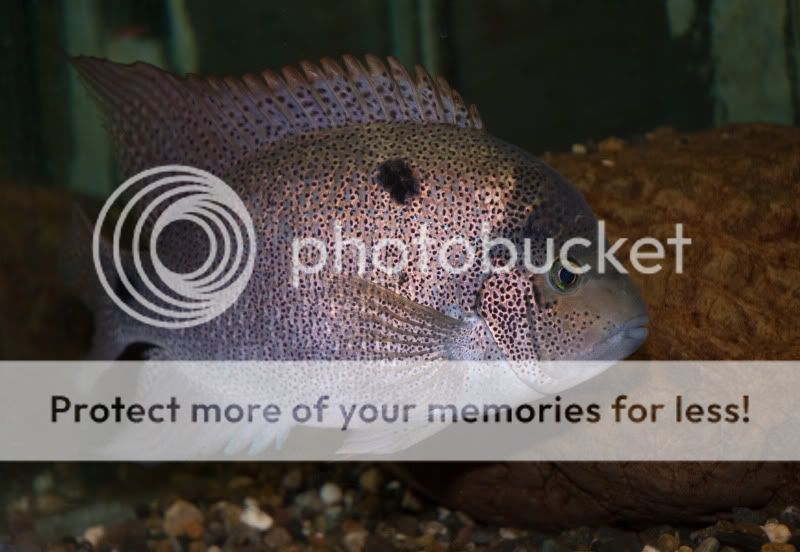
Credit: www.monsterfishkeepers.com
Common Challenges And Solutions
Cichlid selective pairing can be tricky. Fish may not pair up easily. This guide covers common challenges and solutions.
Learning these techniques helps create a peaceful aquarium. Healthy fish are more likely to pair successfully.
Dealing With Rejection
Cichlids sometimes reject partners. This can be frustrating. Fish may not like each other for several reasons.
Try to introduce them slowly. Use a divider in the tank. This allows them to see each other without direct contact.
- Observe their behavior closely
- Remove aggressive fish immediately
- Try different pair combinations
Addressing Health Issues
Health problems can affect pairing success. Sick fish are less likely to pair. Regular health checks are important.
Keep the water clean and at the right temperature. Feed them a balanced diet. This keeps them healthy and ready to pair.
| Common Health Checks | Action Required |
| Check for visible signs of illness | Consult a vet |
| Monitor for unusual swimming patterns | Adjust water conditions |
| Ensure proper diet | Use high-quality fish food |
Preventing Stress Factors
Stress affects fish behavior. It can prevent successful pairing. Keep the environment calm and stable.
Do not overcrowd the tank. Provide hiding spots and territories. These help reduce fish stress.
- Maintain consistent water conditions
- Limit loud noises near the tank
- Avoid frequent tank rearrangements
Expert Tips For Success
Cichlid selective pairing can be a fun and rewarding experience. With the right techniques, you can encourage successful breeding among these vibrant fish.
This guide provides expert tips to help you create an ideal environment for cichlid pairing. Follow these steps for best results.
Using Visual Barriers
Visual barriers help reduce stress and encourage natural behavior. They allow each fish to establish its own territory.
- Use rocks and plants to create hiding spots.
- Place dividers to separate aggressive pairs.
- Ensure each section has adequate space.
Leveraging Feeding Routines
Consistent feeding routines promote health and reduce competition. This helps cichlids focus on pairing instead of fighting for food.
| Time | Food Type |
| Morning | Flakes |
| Afternoon | Pellets |
| Evening | Live Food |
Recording Observations
Keeping track of behaviors and changes is vital. This helps you understand which conditions are best for pairing.
- Note any changes in color or behavior.
- Record the frequency of interactions.
- Document feeding habits and preferences.

Credit: www.sciencedirect.com
Frequently Asked Questions
What Is Selective Pairing In Cichlid Breeding?
Selective pairing involves choosing compatible male and female cichlids. This technique improves breeding success and offspring quality by matching temperament, size, and genetics.
How To Identify Compatible Cichlid Pairs?
Look for similar size, temperament, and species compatibility. Observing behavior over time helps ensure peaceful interactions and successful breeding outcomes.
Why Is Selective Pairing Important For Cichlids?
It reduces aggression and increases fry survival rates. Selective pairing also enhances desirable traits and maintains healthy genetic diversity within the species.
When Should I Introduce Cichlid Pairs For Breeding?
Introduce pairs during breeding readiness signs like color changes and courtship behaviors. Optimal timing improves mating chances and reduces stress on fish.
Conclusion
Selective pairing helps cichlids thrive and breed successfully. Choosing compatible fish reduces stress and fights in the tank. Observe behaviors carefully to find the best matches. Healthy pairs lead to stronger offspring and vibrant colors. Keep water conditions stable to support breeding efforts.
Patience and attention make the process rewarding and fun. Small steps create a balanced, peaceful aquarium environment. Try these techniques to enjoy happy, healthy cichlids.