
Are you struggling to give your cichlid fry the best start in life? Feeding them the right food is crucial, and live food can make a huge difference.
Your baby fish need nutrition that helps them grow fast and stay healthy. But choosing and offering live food can feel tricky if you’re not sure where to start. This guide will show you exactly how to feed your cichlid fry with live food, so they thrive from day one.
Keep reading, and you’ll discover easy tips that make a big impact on your fry’s survival and growth.
Credit: www.cichlid-forum.com
Choosing Live Food
Feeding cichlid fry with live food helps them grow strong. Live food provides natural movement and nutrition.
Choosing the right live food is important for fry health and development. Different live foods offer different benefits.
Best Live Food Options
Many live foods suit cichlid fry. Common choices include brine shrimp, daphnia, and microworms. These foods are easy to digest.
- Brine shrimp: small and high in protein
- Daphnia: good for digestion and growth
- Microworms: ideal for very small fry
- Bloodworms: rich but should be fed sparingly
- Copepods: natural and nutritious
Nutritional Benefits
Live foods provide essential proteins and fats. These nutrients help fry develop strong muscles and vibrant colors.
They also contain vitamins and minerals that support immune health. The movement of live food encourages fry to hunt and exercise.
- High protein helps muscle growth
- Healthy fats support energy and brain
- Vitamins boost immune system
- Minerals improve bone development
- Natural movement promotes activity
Sourcing Quality Live Food
Buy live food from trusted suppliers to avoid diseases. Fresh and clean live food reduces risks to fry health.
You can also culture some live foods at home. This keeps the supply fresh and cost-effective. Always check for signs of contamination.
- Choose reputable pet stores or online sellers
- Look for healthy, active live food
- Culture live food in clean containers
- Avoid food with mold or foul smell
- Rinse live food before feeding
Credit: www.cichlid-forum.com
Preparing Live Food
Feeding cichlid fry with live food helps them grow strong and healthy. Live food is rich in nutrients and easy for fry to eat.
Preparing live food properly is important to keep your fry safe and well-fed. This guide covers key steps to prepare live food.
Culturing Techniques
Grow live food like brine shrimp or daphnia in clean containers. Use fresh water and control temperature for best growth.
Feed the culture lightly with yeast or fish food. Avoid overfeeding to keep the water clear and healthy for the culture.
- Use aeration to keep oxygen levels high
- Change water regularly to prevent buildup
- Keep culture containers in a bright area but out of direct sunlight
Cleaning And Conditioning
Rinse live food before feeding it to fry. This removes dirt and unwanted particles that can harm fry.
Condition live food by placing it in clean water with fish food for a few hours. This boosts their nutrition for your fry.
- Use a fine mesh net to collect live food
- Rinse gently with fresh water to avoid stress
- Feed live food in small amounts to keep water clean
Avoiding Contaminants
Prevent contamination by using clean tools and containers. Dirty equipment can introduce harmful bacteria or parasites.
Check live food for signs of disease or decay. Do not feed sick or dead organisms to your fry.
- Wash hands before handling live food
- Keep live food cultures separate from other tanks
- Discard any live food that looks unhealthy or smells bad
Feeding Techniques
Feeding cichlid fry with live food helps them grow strong and healthy. Proper feeding techniques improve their survival rate.
Use the right methods to offer live food and keep the environment clean. This guide covers feeding frequency, environment, and tips to encourage eating.
Frequency And Quantity
Feed the fry small amounts several times a day. Overfeeding can pollute the water and harm the fry.
- Feed 3 to 5 times daily for the first two weeks.
- Reduce feeding to 2 or 3 times as fry grow.
- Offer only what fry can eat in 5 minutes.
- Remove leftover food to keep water clean.
Feeding Environment
A calm and clean tank helps fry eat better. Avoid strong water currents that may stress them.
| Factor | Ideal Condition |
| Water Flow | Gentle or still water |
| Temperature | Match species’ needs (usually 78-82°F) |
| Lighting | Moderate light to simulate natural day |
| Tank Size | Small to medium for easy feeding control |
Encouraging Fry To Eat
Getting fry to accept live food can be tricky. Use patience and gentle methods to help them start eating.
- Offer small live foods like baby brine shrimp or micro worms.
- Introduce food slowly, repeating at regular times.
- Use a pipette to place food near fry mouth.
- Keep the tank quiet during feeding to reduce stress.
- Remove uneaten food quickly to prevent water issues.
Monitoring Fry Health
Watching the health of cichlid fry is important for their survival. Good feeding habits help fry grow strong and stay healthy.
Live food offers essential nutrients, but you must check how the fry respond to it. Careful observation guides proper care.
Signs Of Proper Growth
Healthy fry show steady growth and clear eyes. Their colors become brighter as they develop. Active swimming and good appetite are positive signs.
- Consistent size increase over days
- Bright, clear eyes without cloudiness
- Strong swimming without lethargy
- Good response to live food feeding
- Minimal signs of disease or injury
Common Feeding Issues
| Issue | Cause | Solution |
| Uneaten Food | Overfeeding or slow digestion | Feed smaller amounts more often |
| Fry Not Eating | Wrong food size or type | Offer smaller or different live food |
| Water Quality Drops | Excess food waste | Remove leftovers quickly, clean tank |
| Uneven Growth | Competition or poor nutrition | Separate fry by size, improve diet |
Adjusting Diet As Fry Develop
As fry grow, their diet should change to match their needs. Gradually mix in finely crushed flakes or pellets. Reduce live food size over time.
- Start with small live food like baby brine shrimp
- Add finely crushed dry food after two weeks
- Increase portion size as fry get bigger
- Keep water clean during diet changes
- Watch for any feeding stress or refusal
Transitioning From Live Food
Feeding cichlid fry with live food is common at first. Live food helps them grow strong and healthy. At some point, you need to change their diet to prepared foods.
This change must be gentle. Sudden switches can upset their stomachs. A slow transition keeps fry healthy and eating well.
Introducing Prepared Foods
Start by mixing small amounts of prepared food with live food. Use finely crushed flakes or pellets made for fry. This helps fry get used to new tastes and textures.
Feed this mix several times a day. Watch how the fry react and adjust the amount of prepared food slowly.
Gradual Diet Changes
- Begin with mostly live food and little prepared food.
- Each day, add more prepared food and reduce live food.
- Observe fry behavior and health closely.
- Keep the food size small and easy to eat.
- Complete the transition over two weeks or more.
Maintaining Nutrition Balance
| Food Type | Protein (%) | Fat (%) | Vitamins |
|---|---|---|---|
| Live Food | 60-70 | 10-15 | High in natural vitamins |
| Prepared Food | 45-55 | 8-12 | Fortified with vitamins |
Balanced nutrition is key for fry growth. Use a mix of live and prepared foods during transition. This ensures protein, fat, and vitamins stay at healthy levels.
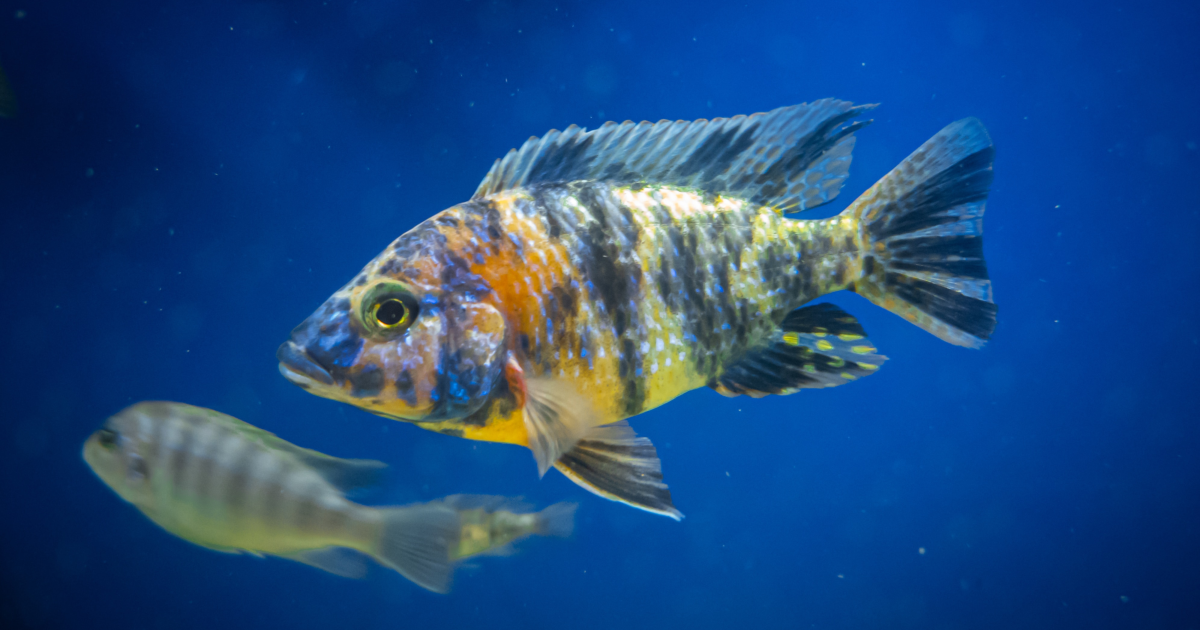
Credit: pethelpful.com
Troubleshooting Common Problems
Feeding cichlid fry with live food can be challenging. It’s important to address common issues for healthy growth.
Understanding and solving feeding problems ensures your fry thrive in their environment.
Dealing With Food Refusal
If your cichlid fry refuse live food, it may be due to stress or unfamiliarity.
- Offer smaller prey they can easily consume.
- Mix live and frozen foods to transition.
- Ensure the feeding area is calm and undisturbed.
Controlling Water Quality
Good water quality is crucial for cichlid fry health. Poor conditions lead to feeding issues.
| Water Parameter | Optimal Range |
| pH Level | 6.5 to 7.5 |
| Temperature | 76 to 82°F |
| Ammonia | 0 ppm |
Preventing Overfeeding
Overfeeding can harm fry, causing water pollution and health issues. Feed only what they consume in a few minutes.
Frequently Asked Questions
What Live Foods Are Best For Cichlid Fry?
Brine shrimp and microworms are top live foods for cichlid fry. They are nutrient-rich and easy to digest. These foods promote healthy growth and enhance coloration. Avoid large or hard live foods that can harm fry.
How Often Should Cichlid Fry Be Fed Live Food?
Feed cichlid fry live food 3 to 4 times daily. Small, frequent feedings ensure proper nutrition and growth. Overfeeding can pollute water and harm fry. Remove uneaten food promptly to maintain water quality.
Can Live Food Improve Cichlid Fry Survival Rates?
Yes, live food boosts survival rates by providing essential nutrients. It mimics natural diet and stimulates feeding instincts. Fry digest live food easily, promoting rapid growth. This leads to stronger, healthier cichlid fry.
How To Culture Live Food For Cichlid Fry?
Culturing brine shrimp or microworms at home is simple. Use clean containers, proper temperature, and aeration for good growth. Regularly harvest live food to feed fry fresh and nutritious meals. This ensures a steady, cost-effective food supply.
Conclusion
Feeding cichlid fry with live food helps them grow strong and healthy. Live food offers essential nutrients young fish need daily. It also encourages natural hunting behavior, making feeding time fun. Start with small, easy-to-catch live food to avoid choking.
Change food types often to keep fry interested and well-nourished. Keep water clean to protect delicate fry from sickness. Watching fry thrive brings joy and satisfaction to any fish keeper. Consistent care and good feeding habits ensure healthy cichlid development.
Live food remains one of the best choices for raising happy fry.