
If you want your cichlids to thrive and show their best colors, feeding them the right food is key. Frozen food is one of the healthiest options you can offer, but knowing how to feed it properly makes all the difference.
You’ll discover simple tips to make frozen food a favorite treat for your cichlids while keeping them strong and vibrant. Ready to unlock the secrets of perfect feeding and see your fish flourish like never before? Keep reading—you won’t want to miss this.
Credit: www.walmart.ca
Benefits Of Frozen Food
Feeding cichlids frozen food has many benefits. It helps keep fish healthy and strong.
Frozen food is easy to store and offers fresh nutrition for your cichlids.
Nutritional Advantages
Frozen food keeps most nutrients locked in. This means cichlids get vitamins and minerals.
It often contains more protein than dry food. Protein helps fish grow and stay active.
- High in natural vitamins
- Rich in proteins and fats
- Preserves essential minerals
Improved Digestion
Frozen food is easier for cichlids to digest. It contains less filler than some dry foods.
Better digestion means less waste. This keeps the tank cleaner and fish healthier.
- Soft texture helps digestion
- Less indigestible material
- Reduces stomach problems
Reduced Disease Risk
Frozen food is often safer than live or fresh food. It lowers the chance of spreading germs.
Freezing kills harmful bacteria and parasites. This helps protect your cichlids from illness.
- Kills parasites and bacteria
- Reduces chance of infections
- Maintains fish health longer

Credit: roxyaquarium.com.au
Types Of Frozen Food
Feeding cichlids with frozen food is a great way to ensure they get essential nutrients. There are different types of frozen food available for these fish.
Each type of frozen food offers unique benefits for cichlids, promoting health and vibrant colors.
Bloodworms And Brine Shrimp
Bloodworms are a favorite among cichlids. They are rich in protein and easy to digest.
Brine shrimp are small, nutritious, and help boost the fish’s immune system.
- Bloodworms are ideal for enhancing color
- Brine shrimp improve growth and vitality
Daphnia And Cyclops
Daphnia are tiny crustaceans packed with vitamins. They help in digestion and are great for small cichlids.
Cyclops offer essential fatty acids. They support cichlid development and energy.
| Daphnia | Improves digestion |
| Cyclops | Boosts energy |
Specialty Cichlid Mixes
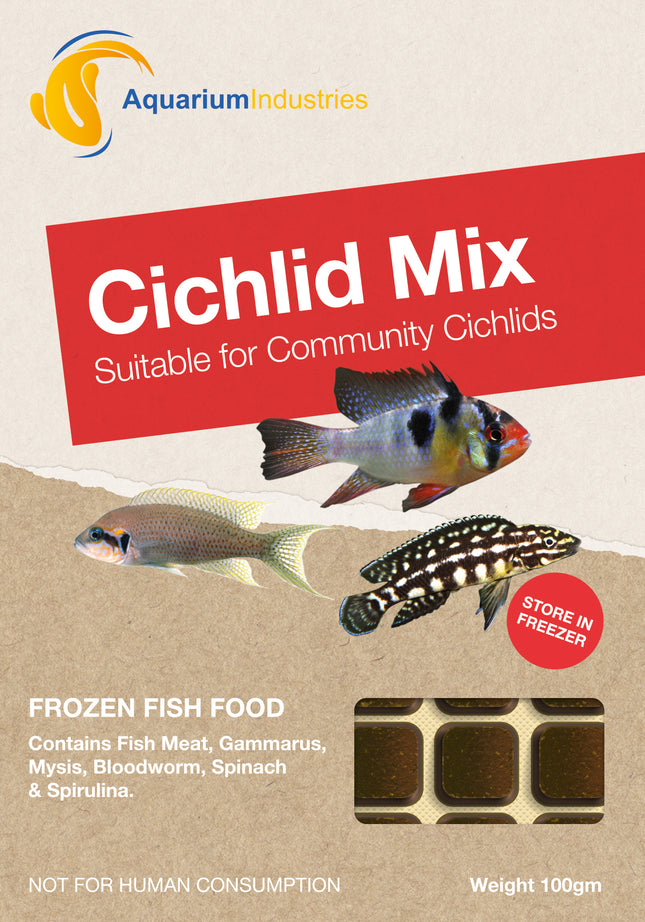
Specialty cichlid mixes are tailored for specific needs. They often combine various ingredients for a balanced diet.
These mixes ensure your cichlids receive all necessary nutrients in one meal.
- Custom blends for health
- Convenient feeding option
Preparing Frozen Food
Feeding cichlids with frozen food keeps them healthy and active. Proper preparation ensures food quality and safety.
Frozen food needs careful handling before feeding. This helps preserve nutrients and avoids health issues.
Thawing Techniques
Thaw frozen food slowly to keep its nutrients. Avoid using hot water or microwaves, as they can harm the food.
Place the frozen food in a small bowl of cool water. Let it sit until fully thawed but still cold.
- Use cool water for thawing
- Do not use hot water or microwaves
- Thaw just before feeding time
Portion Control
Feed cichlids small amounts of frozen food at once. Overfeeding can cause water pollution and fish health problems.
Offer only what the fish can eat in 5 minutes. Remove leftovers to keep the tank clean.
- Feed small portions at each meal
- Watch how much your fish eat
- Remove uneaten food promptly
Avoiding Contamination
Keep frozen food safe by storing it properly. Use clean containers and avoid refreezing thawed food.
Wash your hands and feeding tools before handling food. This stops germs from entering the tank.
- Store food in sealed, clean containers
- Never refreeze thawed food
- Clean hands and tools before use
Feeding Frequency And Quantity
Feeding cichlids frozen food helps keep them healthy. It is important to feed them the right amount and at the right times.
Too much or too little food can harm your fish. Learn how often and how much to feed for best results.
Daily Feeding Tips
Feed your cichlids small amounts two to three times a day. This keeps their digestion smooth and energy steady.
Watch them eat and remove leftover food after a few minutes. This prevents water pollution and health problems.
- Feed 2-3 times daily
- Use small portions each time
- Remove uneaten food quickly
Adjusting For Growth Stages
Young cichlids need more frequent feedings than adults. Their growth demands more energy and nutrients.
Adult cichlids eat less often but still need balanced meals. Adjust portions as they grow or slow down.
- Juveniles: feed 3-4 times daily
- Adults: feed 2-3 times daily
- Reduce quantity as fish size stabilizes
Signs Of Overfeeding
Overfeeding causes leftover food to dirty the tank. It also leads to obesity and poor water quality.
Watch for slow fish, bloating, or cloudy water. These signs mean you should cut back on feeding amounts.
- Uneaten food in tank
- Fish appear swollen or slow
- Water becomes cloudy quickly
Combining Frozen Food With Other Diets
Frozen food is a great source of nutrition for cichlids. It can work well alongside other food types. Mixing diets helps keep fish healthy and happy.
Using a mix of food types can provide balanced nutrients. It also keeps feeding time interesting for your fish.
Pellets And Flakes
Pellets and flakes are common dry foods for cichlids. They are easy to store and feed. Combining them with frozen food adds variety and nutrition.
Feed pellets or flakes first to avoid water pollution. Then add small amounts of frozen food. This keeps the tank clean and fish well-fed.
Live Food Integration
Live food is a natural diet for many cichlids. It offers protein and stimulates hunting behavior. Mixing live food with frozen food can boost health.
- Feed live food like brine shrimp or bloodworms once or twice a week.
- Use frozen food on other days to balance nutrition.
- Observe fish to ensure they eat all food within minutes.
- Remove uneaten food to keep water clean.
Vegetable Supplements
| Vegetable Type | Preparation | Feeding Tips |
| Spinach | Blanched and chopped | Feed twice a week |
| Zucchini | Thin slices, blanched | Offer in small amounts |
| Peas | Shelled and cooked | Good for digestion |
Vegetables add fiber and vitamins to the diet. Offer them alongside frozen food. This mix supports digestion and color enhancement.
Credit: petsdomain.com.au
Monitoring Health And Growth
Feeding cichlids frozen food is a good way to provide nutrients. Watching their health and growth helps keep them strong.
Careful monitoring helps spot problems early. It also shows if the diet meets their needs.
Behavioral Changes To Watch
Healthy cichlids are active and swim normally. Changes in behavior can signal health issues.
Look for signs like less movement or hiding more than usual. These can show stress or illness.
- Reduced activity or lethargy
- Loss of appetite
- Unusual aggression or hiding
- Erratic swimming patterns
Physical Indicators
Check your cichlids for clear eyes and smooth scales. Healthy fish have bright colors and no wounds.
Look for physical signs that may need attention. These include spots, swelling, or weight loss.
- Clear, bright eyes
- Intact fins and scales
- Even body weight
- No white spots or redness
- Firm, not bloated or thin
Adjusting Diet Based On Health
If cichlids show poor health signs, change their diet. Frozen food types can be rotated for balance.
Increase feeding if growth is slow but avoid overfeeding. Add vitamins or supplements if needed.
- Feed smaller amounts more often for sick fish
- Mix different frozen foods for variety
- Use supplements if fish look weak
- Reduce feeding if fish gain too much weight
Storage And Shelf Life
Frozen food is a good choice to feed cichlids. Proper storage keeps food fresh and safe.
Knowing how to store frozen food helps keep its nutrients and taste for your fish.
Freezing Best Practices
Freeze cichlid food in small portions. This stops thawing and refreezing, which can spoil food.
Use airtight containers or vacuum-sealed bags to protect the food from air and moisture.
- Portion food before freezing
- Use airtight or vacuum bags
- Label with date for easy tracking
Avoiding Freezer Burn
Freezer burn happens when food dries out and loses quality. It makes food less tasty and healthy.
Keep food sealed tightly and remove as much air as possible before freezing to avoid freezer burn.
- Seal food in airtight packaging
- Remove extra air from bags
- Keep freezer temperature steady at 0°F (-18°C)
Safe Storage Duration
Frozen cichlid food stays good for about 3 to 6 months. After that, it loses nutrients and taste.
Check the food regularly. Discard if it smells bad or looks icy and dry.
- Store food up to 6 months for best quality
- Keep freezer temperature constant
- Use older food first
Frequently Asked Questions
What Types Of Frozen Food Are Best For Cichlids?
Frozen foods like bloodworms, brine shrimp, and daphnia are ideal for cichlids. They provide essential nutrients and mimic natural prey, promoting health and vibrant colors.
How Often Should I Feed Frozen Food To Cichlids?
Feed frozen food to cichlids 2-3 times weekly as a supplement. Overfeeding can cause water quality issues and health problems.
Can Frozen Food Replace Dry Pellets For Cichlids?
Frozen food is a great supplement but should not fully replace pellets. A balanced diet with both ensures proper nutrition and variety.
How To Thaw Frozen Food Safely For Cichlids?
Thaw frozen food in a small container with tank water or at room temperature. Avoid using hot water to preserve nutrients and prevent shock.
Conclusion
Feeding cichlids frozen food helps keep them healthy and active. It offers good nutrition that fresh food might lack. Always thaw the food before feeding to avoid stomach problems. Feed small amounts to prevent waste and water pollution. Watch your fish closely to see what they like best.
A balanced diet makes your cichlids live longer and look brighter. Try different frozen foods to find what suits your fish. Caring for your cichlids with frozen food is simple and rewarding.