
If you keep cichlids, you know how important it is to keep them healthy and vibrant. But diseases can strike suddenly, turning your beautiful tank into a stressful mess.
What if you could stop many common problems before they even start? This guide is packed with simple, effective tips that will help you protect your cichlids and enjoy a thriving aquarium. Keep reading to discover how you can prevent diseases and keep your fish happy every day.
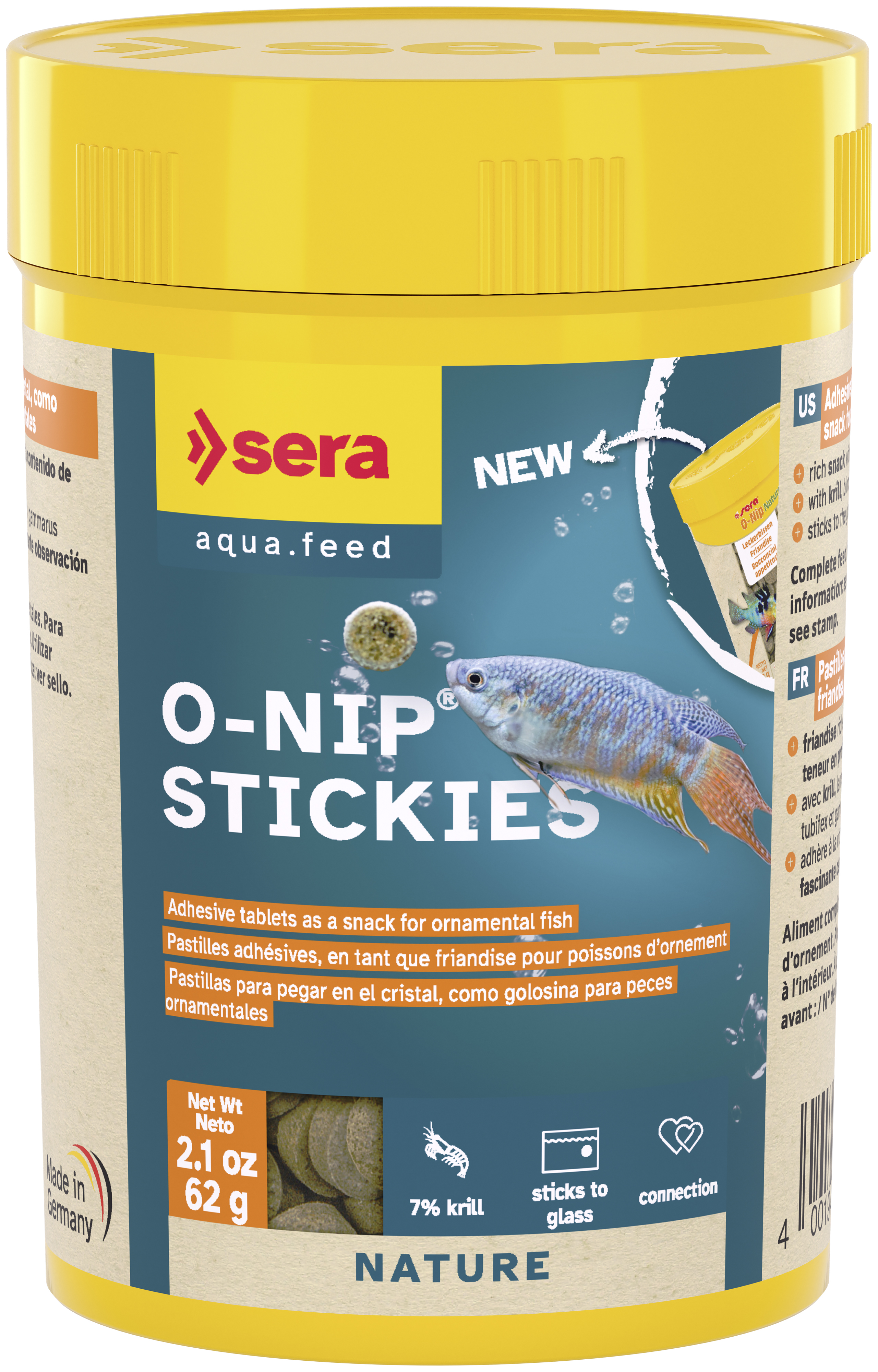
Credit: www.sera.de
Tank Setup Essentials
Setting up a tank properly helps keep your cichlids healthy. A good tank setup prevents many common diseases.
Focus on the right tank size, filtration, and water conditions. These basics create a safe home for your fish.
Choosing The Right Tank Size
Cichlids need enough space to swim and grow. A small tank causes stress and weakens their immune system.
Pick a tank that fits the number and size of your fish. Bigger tanks are easier to keep stable.
- Allow at least 20 gallons for one adult cichlid
- Add 10 gallons for each additional fish
- Use a long tank for territorial species
Proper Filtration And Aeration
Good filtration removes waste and keeps water clean. Dirty water causes disease and stress.
Aeration adds oxygen to the tank. Fish need oxygen to stay healthy and active.
- Choose a filter that fits your tank size
- Use mechanical, biological, and chemical filtration
- Add an air pump or air stones for extra oxygen
Maintaining Stable Water Parameters
Stable water conditions keep cichlids strong and disease-free. Sudden changes stress fish and weaken their defenses.
Check temperature, pH, and hardness regularly. Keep these within the species’ preferred ranges.
- Keep temperature between 75°F and 82°F (24°C to 28°C)
- Maintain pH between 6.5 and 8.0, depending on species
- Test water weekly and change 20% regularly
Quarantine Procedures
Quarantine is key to keeping cichlid fish healthy. It helps stop diseases from spreading in your tank.
Following clear quarantine steps protects your fish and your aquarium environment.
Isolating New Fish
Always isolate new cichlids before adding them to your main tank. Use a separate tank or container.
- Set up a quarantine tank with similar water conditions.
- Avoid sharing equipment between tanks.
- Keep the quarantine tank clean and well-aerated.
- Feed the fish high-quality food to boost their health.
Monitoring For Symptoms
Watch quarantined fish closely for signs of illness. Early detection helps treatment.
| Symptom | What to Look For |
| White Spots | Small dots on fins or body |
| Clamped Fins | Fins held close to the body |
| Loss of Appetite | Refusal to eat during feeding |
| Rapid Breathing | Gills move faster than normal |
| Unusual Swimming | Erratic or slow movements |
Duration And Best Practices
Keep new fish in quarantine for at least two weeks. This time helps spot hidden illnesses.
- Maintain stable water temperature and quality.
- Change 25% of the water every few days.
- Use aquarium salt if recommended for your fish species.
- Treat the fish if any symptoms appear.
- Only add fish to your main tank if they stay healthy.
Feeding For Health
Feeding your cichlids properly helps keep them strong and healthy. Good food supports their immune system and prevents diseases.
Choosing the right diet and feeding habits lowers stress and illness risks in your fish tank.
Balanced Diet Options
Cichlids need a mix of protein, vitamins, and minerals in their food. A balanced diet helps their body fight infections.
Use high-quality flakes, pellets, and fresh foods to meet their nutritional needs.
- Include spirulina or algae for plant-eating cichlids
- Feed protein-rich foods like brine shrimp or bloodworms
- Add vegetables like peas or spinach occasionally
Avoiding Overfeeding
Overfeeding causes leftover food to pollute the water. Dirty water can lead to disease in cichlids.
Feed small amounts that your fish can eat in 2 to 3 minutes. Remove uneaten food quickly.
- Feed 2 to 3 times daily
- Observe your fish to adjust food amounts
- Keep the tank clean by removing extra food
Supplements For Immunity
Supplements help boost your cichlids’ immune system. They can protect fish from common diseases.
Use vitamin-enriched foods or add liquid vitamins to the water as needed.
- Vitamin C supports tissue repair and healing
- Probiotics improve digestion and gut health
- Omega-3 fatty acids reduce inflammation
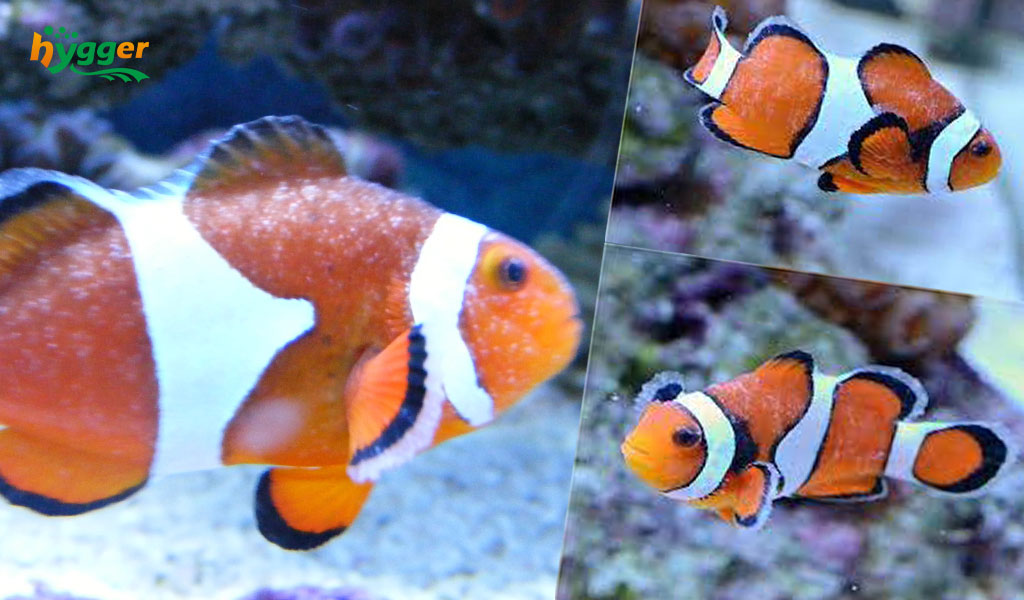
Credit: www.hygger-online.com
Regular Cleaning Routines
Keeping your cichlid tank clean helps prevent diseases. Dirt and waste can cause health problems.
Regular cleaning removes harmful bacteria and keeps water safe for fish to live in.
Tank Cleaning Schedule
Set a cleaning timetable to keep your tank healthy. Clean parts of the tank weekly or biweekly.
- Change 10-20% of the water every week.
- Clean the glass to remove algae and dirt.
- Check and clean filters regularly.
- Remove leftover food to avoid decay.
- Test water quality to keep parameters safe.
Safe Substrate Maintenance
Substrate can trap waste and cause harmful bacteria growth. Clean it carefully to keep it safe.
| Cleaning Task | Frequency | Notes |
|---|---|---|
| Vacuum gravel or sand | Weekly | Use siphon to remove debris without removing all substrate |
| Check for decaying plants | Weekly | Remove dead leaves to prevent rot |
| Avoid stirring up substrate too much | As needed | Disturbing substrate can release toxins |
Avoiding Harmful Chemicals
Use only fish-safe products for cleaning and water treatments. Harmful chemicals can stress or kill cichlids.
- Do not use household cleaners in or near the tank.
- Avoid soaps or detergents when cleaning tank parts.
- Use water conditioners to remove chlorine and chloramines.
- Check product labels to ensure they are aquarium safe.
Stress Reduction Techniques
Stress can weaken cichlids and make them prone to disease. Reducing stress keeps fish healthy and active.
Simple changes in the tank environment help lower stress levels for your cichlids.
Creating Hiding Spots
Cichlids feel safer with places to hide. Hiding spots reduce fear and aggression.
- Use rocks to build caves and crevices
- Add plants or artificial decorations
- Place driftwood for natural cover
- Arrange multiple hiding places around the tank
Minimizing Aggression
Aggression causes stress and injury. Control aggression by choosing the right fish and tank setup.
| Method | Details |
| Fish Selection | Choose compatible species and sizes |
| Tank Size | Provide enough space to reduce fights |
| Decorations | Use barriers to separate aggressive fish |
| Feeding | Feed regularly to lower competition |
Controlling Light And Noise
Bright light and loud noise stress cichlids. Control lighting and reduce sound around the tank.
Tips for light and noise control:
- Use a timer for consistent light cycles
- Keep tank away from loud appliances
- Use soft lighting or dimmers if possible
- Cover tank partially to block harsh light
Credit: www.cichlid-forum.com
Recognizing Early Signs
Cichlids are popular aquarium fish. They need care to stay healthy. Recognizing early signs of disease is important. This helps in preventing serious health issues.
Learn to spot symptoms early. This keeps your cichlids happy and healthy.
Common Symptoms Of Illness
Recognizing symptoms early can save your fish. Look for changes in their behavior and appearance.
- Loss of appetite
- Breathing difficulties
- Visible spots or lesions
Behavioral Changes
Behavioral changes can indicate illness. Monitor how your cichlids act in the tank.
Healthy cichlids swim actively. They react to their environment.
- Isolation from other fish
- Erratic swimming patterns
- Spending time near the water surface
Physical Indicators
Physical signs are easy to spot. Regularly check your fish for unusual changes.
Look for changes in color and size. Inspect their fins and scales.
| Indicator | Description |
| Faded colors | Indicates stress or illness |
| Clamped fins | Sign of discomfort |
| Swollen body | Possible internal issue |
Preventive Treatments
Keeping your cichlids healthy requires preventive care. This involves using various methods to avoid diseases.
By incorporating specific treatments, you can ensure the well-being of your aquatic pets.
Using Probiotics
Probiotics help in maintaining a balanced gut flora in cichlids. They promote better digestion and boost immunity.
- Choose probiotics specifically designed for fish.
- Include them in the fish diet regularly.
- Monitor fish behavior for any adverse effects.
Medication When Necessary
Sometimes, medication is required to prevent disease outbreaks. Always consult a vet before using any medication.
Medications can include:
- Antibiotics for bacterial infections
- Antiparasitic treatments
- Fungal infection remedies
Natural Remedies
Natural remedies can be effective in preventing diseases in cichlids. They are often safer and gentle on fish.
| Remedy | Benefits |
| Garlic | Boosts immune system |
| Aloe Vera | Reduces stress |
| Salt Baths | Prevents parasitic infections |
Water Quality Management
Good water quality is key to keeping cichlids healthy. Clean water helps prevent many common diseases.
Maintaining proper water conditions reduces stress for your fish. This lowers their chance of getting sick.
Regular Testing Protocols
Test your aquarium water often to catch problems early. Use kits to check key water parameters.
- Test pH levels
- Check ammonia and nitrite
- Measure nitrate concentration
- Monitor water hardness
Managing Ph And Hardness
Cichlids need stable pH and hardness for good health. Sudden changes can cause stress and illness.
| Parameter | Ideal Range | Effect on Cichlids |
| pH | 7.5 – 8.5 | Supports immune system |
| Hardness (GH) | 10 – 20 dGH | Maintains strong bones and scales |
| Carbonate Hardness (KH) | 8 – 12 dKH | Stabilizes pH levels |
Controlling Ammonia And Nitrates
Ammonia and nitrates harm fish and cause diseases. Keep their levels as low as possible.
Follow these tips:
- Change 10-20% of water weekly
- Use biological filters to break down waste
- Remove uneaten food and debris daily
- Keep stocking levels moderate to avoid overload
Frequently Asked Questions
What Are The Common Signs Of Cichlid Disease?
Common signs include white spots, clamped fins, lethargy, and loss of appetite. Early detection helps prevent severe outbreaks in your aquarium.
How Can I Prevent Cichlid Diseases Effectively?
Maintain clean water, quarantine new fish, and avoid overcrowding. Regular water changes and balanced diet also boost cichlid immunity.
Why Is Quarantine Important For New Cichlids?
Quarantine prevents spreading unseen diseases to your main tank. It allows observation and treatment before introducing new fish.
How Often Should I Clean My Cichlid Tank?
Clean your tank weekly by changing 20-30% of water and removing debris. This keeps water quality high and reduces disease risk.
Conclusion
Preventing cichlid diseases keeps your fish healthy and happy. Regular tank cleaning and water changes help a lot. Feeding them good food strengthens their immune system. Watch your fish daily for any signs of illness. Quarantine new fish before adding them to the tank.
Healthy habits make disease less likely to spread. Simple care routines protect your cichlids from many problems. Stay consistent and patient for the best results. Your fish will thank you with vibrant colors and active swimming. Keep these tips in mind for a thriving aquarium.