
Are you struggling to keep your aquarium water crystal clear and your aquatic friends healthy? Choosing the right filtration system for your species-specific aquarium can make all the difference.
The perfect filter doesn’t just clean the water—it creates a safe, balanced environment tailored to your fish’s unique needs. You’ll discover how to pick a filtration system that fits your aquarium’s specific species, ensuring vibrant colors, active behavior, and a thriving underwater world.
Keep reading to unlock the secrets to a cleaner, healthier tank your fish will thank you for.
Types Of Filtration Systems
Choosing the right filtration system is important for species-specific aquariums. Different fish and plants need different water conditions. Filtration helps keep the water clean and healthy.
There are four main types of filtration systems. Each type works in a different way to remove waste and toxins from the water.
Mechanical Filtration
Mechanical filtration removes solid particles from the water. It traps debris like uneaten food, fish waste, and plant matter. This helps keep the water clear and prevents clogging in other filters.
- Uses sponges, pads, or floss to catch particles
- Needs regular cleaning to work well
- Helps prevent harmful bacteria buildup
Biological Filtration
Biological filtration uses beneficial bacteria to break down toxins. These bacteria turn harmful ammonia into less harmful substances. This process keeps the water safe for fish and plants.
| Benefit | Explanation |
| Ammonia Removal | Bacteria convert ammonia to nitrites and nitrates |
| Supports Fish Health | Reduces toxic chemicals in water |
| Natural Process | Mimics cleaning in natural aquatic environments |
Chemical Filtration
Chemical filtration uses special media to remove toxins and impurities. It can absorb odors, discoloration, and harmful chemicals. This type of filtration helps improve water quality quickly.
Common chemical filtration materials include:
- Activated carbon
- Zeolite
- Phosphate removers
These materials need replacement or regeneration over time to stay effective.
Combination Systems
Combination systems use two or more filtration types in one unit. This ensures better water cleaning and stability. Many modern aquarium filters offer combined mechanical, biological, and chemical filtration.
- Provides thorough filtration in one device
- Easy to maintain with regular cleaning
- Helps keep water stable for sensitive species
Factors Influencing Filtration Choice
Choosing the right filtration system is important for your aquarium. Many factors affect this decision. Each species has different needs.
The filtration system keeps water clean. It ensures a healthy environment for your fish. Proper filtration supports the well-being of your aquatic life.
Tank Size And Volume
The size of your tank affects filtration choice. Larger tanks need stronger systems. Smaller tanks require less power.
Calculate the volume of water in your tank. This helps in selecting the right filter strength. Bigger tanks mean more water to clean.
Species-specific Needs
Different species have unique needs. Some fish produce more waste than others. Research your species before buying a filter.
Consider the type of fish you have. Some require specific water conditions. Choose a filtration system that supports their habitat.
Water Parameters
Water parameters are crucial in filtration choice. Check pH, temperature, and hardness. Filtration systems help maintain these levels.
Test your water regularly. This guides you in adjusting the filtration system. Stable water conditions promote healthy fish.
Budget Considerations
Your budget impacts filtration options. Some systems are more expensive. Plan your purchase wisely.
Consider initial cost and maintenance. Cheaper filters may cost more over time. Balance quality and price for best results.
- Initial cost versus long-term expense
- Quality of materials
- Energy efficiency
Filtration For Freshwater Species
Freshwater aquariums need good filtration to keep fish healthy. Proper filtration removes waste and keeps water clean.
Different freshwater species need different filter types. Choosing the right one helps fish live longer and grow well.
Tropical Fish Requirements
Tropical fish like warm water and steady flow. Filters must keep water clean without strong currents.
Biological filtration is important to break down fish waste. Mechanical filtration removes solid debris from the water.
- Use sponge filters or canister filters for gentle flow
- Choose filters with biological media for bacteria growth
- Keep filter cleaned to avoid harming fish
Coldwater Species Needs
Coldwater fish need filters that work well in cooler temperatures. Flow should not stress the fish.
Filters with strong mechanical and biological filtration help keep water safe. Aeration is also helpful but should be mild.
- Choose filters that run quietly in cold water
- Use gentle flow to avoid stressing fish
- Regularly clean filters to maintain water quality
Plant-friendly Filtration
Planted tanks need filters that keep water clean but do not remove nutrients. Strong flow can uproot plants.
Filters with gentle flow and good biological media support plant health. Avoid filters that cause heavy water movement.
- Use sponge filters or filters with adjustable flow
- Choose biological media that promotes beneficial bacteria
- Do not over-clean to keep helpful bacteria alive
Filtration For Marine Species
Choosing the right filtration system is key for marine aquariums. Each marine species needs clean water to stay healthy.
Filtration removes waste, toxins, and keeps water clear. Different marine tanks have different filtration needs.
Coral Reef Aquariums
Coral reef tanks need gentle water flow and clean water. Filtration must keep nutrients low to protect corals.
- Use protein skimmers to remove organic waste
- Include live rock for natural biological filtration
- Use mechanical filters to trap debris
- Maintain proper water circulation with powerheads
Fish-only Marine Tanks
Fish-only tanks tolerate higher waste levels. Filtration focuses on removing fish waste and toxins.
| Filter Type | Purpose | Notes |
| Mechanical | Traps solid waste | Change filters regularly |
| Biological | Breaks down ammonia | Use beneficial bacteria media |
| Chemical | Removes toxins | Activated carbon is common |
Invertebrate-specific Systems
Invertebrates are sensitive to water changes. Filtration must keep water stable and clean.
- Use gentle filtration to avoid harming small creatures
- Avoid strong chemical filters that may remove needed elements
- Employ refugiums to grow beneficial algae
- Keep nitrate and phosphate levels very low
Maintenance And Longevity
Choosing the right filtration system is important for your aquarium’s health. Proper care helps the system last longer.
Good maintenance keeps the water clean and safe for your fish. It also prevents damage to the filter parts.
Cleaning Schedules
Regular cleaning stops buildup that can block water flow. It also keeps beneficial bacteria healthy.
Set a cleaning schedule based on your aquarium size and species. Some filters need weekly cleaning, others monthly.
- Check filter intake and outflow for debris
- Rinse filter sponges and pads in tank water
- Do not use tap water to clean biological media
- Keep a log to track cleaning dates
Filter Media Replacement
Filter media traps dirt and helps keep water clear. Over time, it wears out and loses effectiveness.
Replace media on a schedule to keep your filter working well. Some types last longer than others.
- Mechanical media (sponges) every 3-4 weeks
- Chemical media (carbon) every 4-6 weeks
- Biological media lasts longer; replace only if damaged
- Follow the manufacturer’s instructions for best results
Troubleshooting Common Issues
Filters may stop working well. Common problems include low water flow and strange noises.
Check the filter parts and media to find the cause. Fix problems quickly to protect your aquarium.
- Low flow: Clean or replace clogged media
- Noise: Check for trapped air or loose parts
- Leaks: Inspect seals and housing for cracks
- Power loss: Test the pump and electrical connections
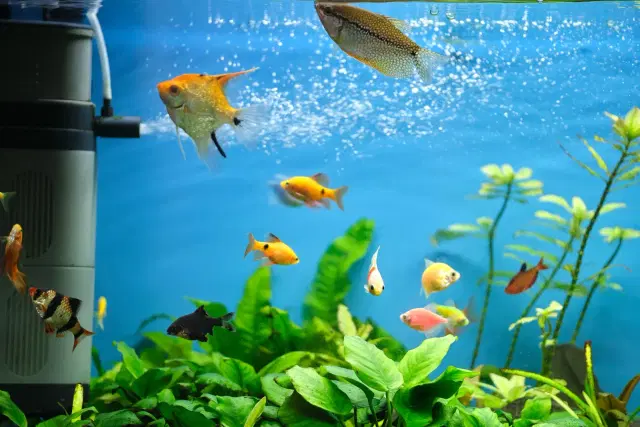
Credit: aquadecorbackgrounds.com
Advanced Filtration Technologies
Choosing the right filtration system is key for species-specific aquariums. Different fish and plants need clean water and proper conditions.
Advanced filtration technologies help keep water safe and healthy. These systems remove waste, toxins, and harmful microorganisms.
Uv Sterilizers
UV sterilizers use ultraviolet light to kill bacteria and parasites in the water. This keeps fish healthy by reducing diseases.
They work by passing water through a chamber where UV light shines on it. Harmful organisms cannot survive the light exposure.
- Controls algae growth
- Reduces harmful bacteria
- Improves water clarity
Protein Skimmers
Protein skimmers remove organic waste before it breaks down in the water. They create bubbles to trap waste particles.
This waste is collected in a cup and removed from the tank. Skimmers help keep water clean and oxygen levels high.
- Removes fish waste and uneaten food
- Prevents buildup of harmful chemicals
- Supports healthy oxygen levels
Sump Systems
Sump systems add extra water space below the main tank. They hold filtration equipment like heaters and filters out of sight.
Sumps increase water volume, which helps keep conditions stable. They also improve filtration by allowing multiple filter types.
- Increases total water volume
- Keeps equipment hidden
- Allows use of different filter types
Tips For Optimizing Filtration Performance
Choosing the right filtration system is key for healthy aquariums. Different species need different care. Optimizing your filtration helps keep water clean and fish safe.
Good filtration balances mechanical, biological, and chemical processes. This guide shares tips to get the best from your system.
Proper Placement
Place filters where water flows well and reaches all parts of the tank. Avoid spots blocked by decorations or plants. This helps filter waste evenly.
Keep the intake near the bottom for debris and the output near the surface to spread clean water. Check your filter manual for the best spots.
- Place intake low to catch debris
- Position output to create good water flow
- Avoid blocking filter parts with tank items
Flow Rate Adjustments
Adjust flow rate to suit your aquarium species. Some fish like strong currents. Others prefer calm water. Match flow speed to their needs.
Start with a moderate flow. Watch your fish. If they struggle or hide, reduce flow. If debris builds up, increase it slowly.
- Strong flow for active fish and plants
- Gentle flow for shy or slow swimmers
- Adjust gradually to avoid stressing fish
Balancing Filtration Types
Use mechanical, biological, and chemical filtration together. Mechanical removes particles. Biological breaks down waste. Chemical removes toxins.
Too much of one type can harm water quality. Balance them based on your aquarium size and species needs.
- Mechanical: sponge or floss for debris
- Biological: bio-media for bacteria growth
- Chemical: activated carbon for toxins
- Adjust types to match tank conditions

Credit: glassboxdiaries.com

Credit: talis-us.com
Frequently Asked Questions
What Type Of Filtration Suits Freshwater Species-specific Tanks?
Mechanical and biological filtration works best for freshwater species-specific tanks. It removes debris and supports beneficial bacteria growth, maintaining water quality and fish health.
How To Choose Filtration For Saltwater Species-specific Aquariums?
Opt for protein skimmers and live rock filtration in saltwater tanks. These systems effectively remove organic waste and promote a balanced marine environment.
Can Filtration Impact Fish Health In Species-specific Tanks?
Yes, proper filtration maintains clean water, reduces toxins, and prevents disease. It ensures optimal living conditions tailored to the species’ needs.
How Often Should Filters Be Cleaned In Species-specific Aquariums?
Clean filters every 2-4 weeks, depending on tank size and species. Regular maintenance keeps filtration efficient and water parameters stable.
Conclusion
Choosing the right filtration system keeps your aquarium healthy and clear. Each species has unique needs that affect filter choice. Consider water flow, tank size, and filter type carefully. Good filtration helps fish stay active and happy. Clean water reduces disease and keeps the environment stable.
Take time to research and match filters to your fish. A well-chosen system supports your aquarium’s natural balance. Simple steps lead to a thriving underwater world. Your fish will thank you with vibrant colors and energy.