
Choosing the right fish species for your planted aquarium can make all the difference between a thriving underwater garden and a tank that struggles to come alive. You want your fish to not only look stunning but also to live happily among your plants without causing damage.
But how do you pick fish that match your aquarium’s environment and your personal style? You’ll discover simple tips and expert advice to help you choose fish that will bring color, movement, and balance to your planted tank. Keep reading, and you’ll soon feel confident creating a beautiful, harmonious aquatic world that’s perfect for both you and your fish.
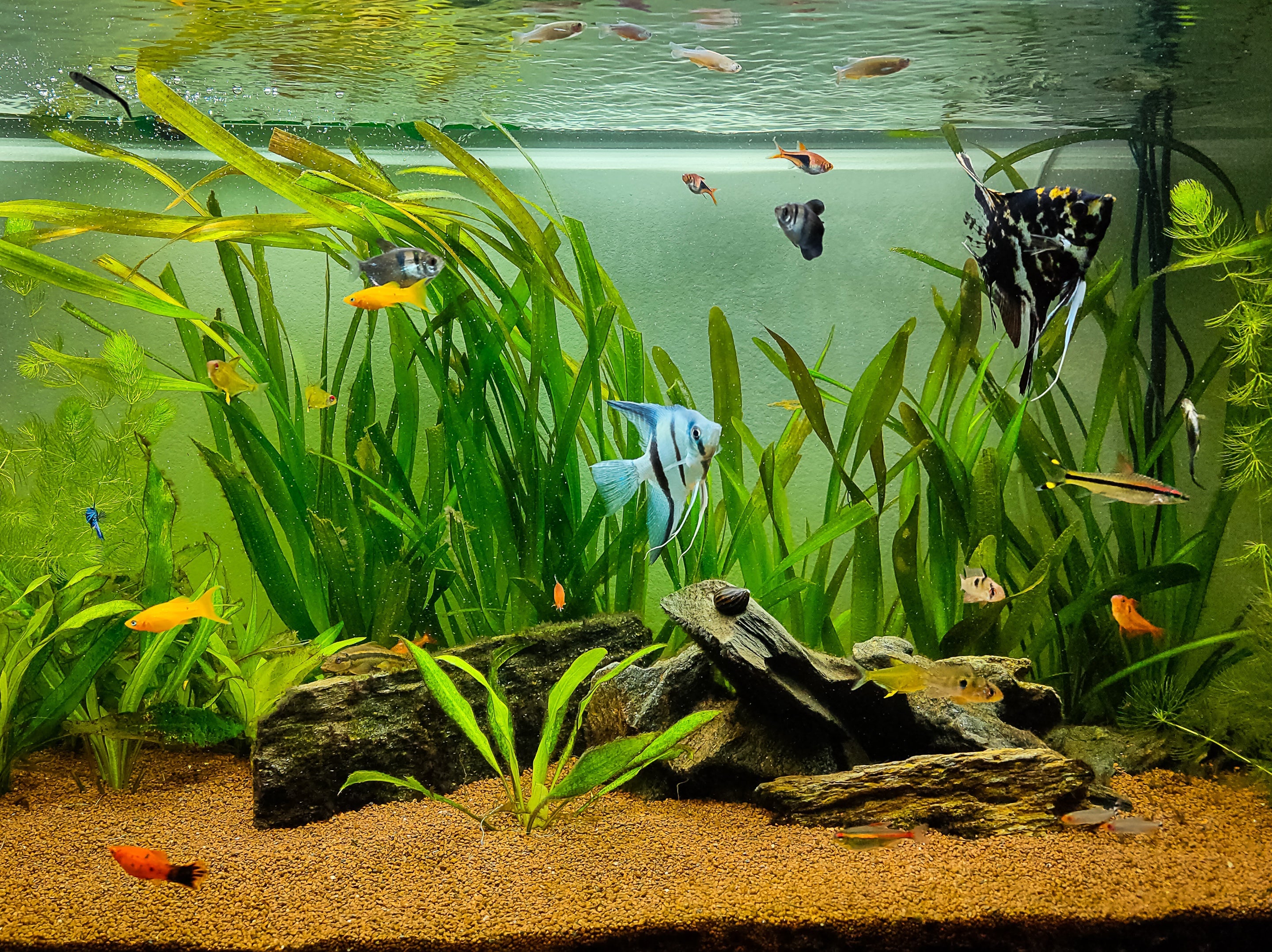
Credit: splashyfishstore.com
Benefits Of Fish In Planted Tanks
Fish add life and movement to planted aquariums. They help keep the tank healthy and balanced.
Choosing the right fish species can improve the overall environment and beauty of your planted tank.
Enhancing Aquarium Ecology
Fish play a key role in the ecosystem of a planted aquarium. They eat algae and leftover food, which helps prevent waste buildup.
- Fish produce waste that plants use as nutrients.
- Their movement helps circulate water and oxygen.
- Some fish help control pests by eating snails or harmful insects.
- Fish encourage plants to grow stronger by trimming weak leaves.
Aesthetic Appeal Of Fish
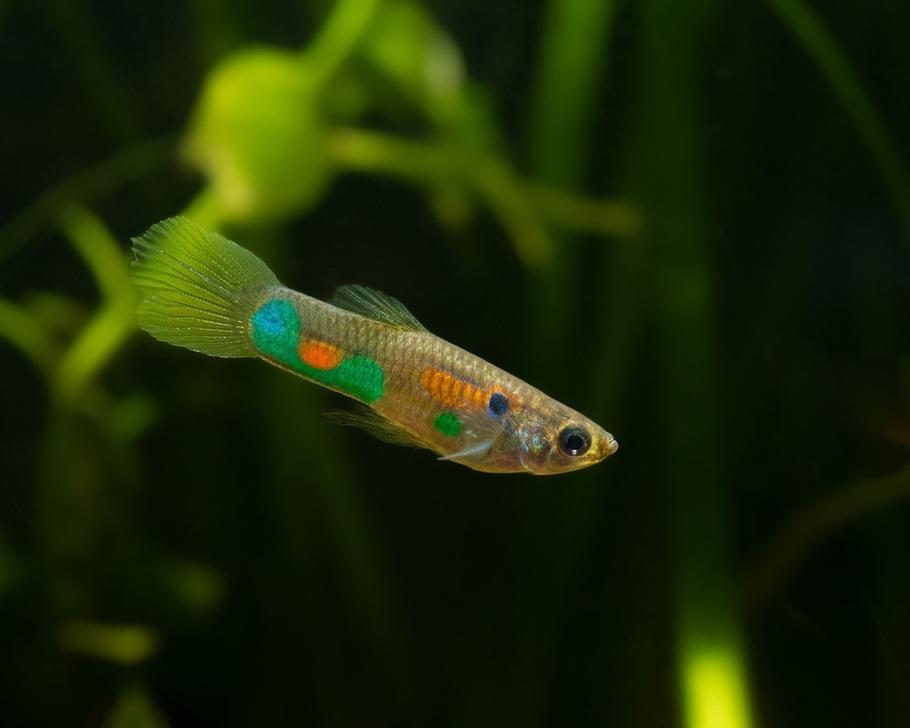
Fish add color, shape, and motion that enhance the tank’s appearance. Their presence creates a more natural and lively scene.
| Fish Type | Color Variety | Behavior |
| Neon Tetra | Bright Blue and Red | Schooling, peaceful |
| Betta | Vivid Red, Blue, Green | Territorial, vibrant fins |
| Corydoras | Silver with spots | Bottom-dweller, gentle |
Credit: www.ratemyfishtank.com
Ideal Fish Traits For Planted Aquariums
Choosing the right fish is key for a healthy planted aquarium. Fish traits affect both plants and tank balance. Understanding these traits helps keep your plants safe and your aquarium thriving.
This guide covers three important traits to consider when selecting fish for planted tanks. These include how they interact with plants, their behavior, and their size and activity level.
Compatibility With Plants
Fish that live well with plants tend to avoid eating or uprooting them. They also leave the plants undamaged while swimming or feeding.
- Plant-safe fish do not dig or uproot plants.
- They avoid nibbling on leaves or stems.
- Fish that produce moderate waste help plant growth by adding nutrients.
- Species that hide among plants add natural beauty and security.
Behavior And Temperament
Peaceful fish help maintain a calm aquarium environment. Aggressive or territorial fish may harm plants and stress other fish.
| Behavior Trait | Effect on Planted Tank |
| Peaceful | Supports plant health and other fish |
| Aggressive | May damage plants and stress tank mates |
| Schooling | Adds movement without harming plants |
| Bottom-dwelling | May dig but can also clean substrate |
Size And Activity Level
Fish size and activity affect how much space they need and their impact on plants.
Consider these points about size and activity:
- Small fish fit well in planted tanks with delicate plants.
- Active swimmers may disturb plants if space is limited.
- Large fish might uproot or eat big plants.
- Moderate activity helps spread nutrients without harming plants.
Top Fish Species For Planted Tanks
Choosing the right fish for a planted aquarium helps keep the ecosystem balanced. Fish add life and movement to your tank. Some species are better suited for planted setups than others.
This guide covers popular fish that thrive among plants. Learn about small schooling fish, bottom dwellers, algae eaters, and colorful centerpieces.
Small Schooling Fish
Small schooling fish are peaceful and swim in groups. They create lively scenes without harming plants. These fish are easy to care for and add movement to the mid and upper tank levels.
- Neon Tetras: Bright blue and red stripes make them popular.
- Harlequin Rasboras: They have a unique orange color with black marks.
- Ember Tetras: Small and orange, perfect for nano tanks.
- White Cloud Mountain Minnows: Hardy and colorful in cooler water.
Bottom Dwellers
Bottom dwellers live near the aquarium floor. They help clean leftover food and keep the substrate tidy. Their calm nature suits planted tanks well.
| Species | Size | Plant Safety |
| Corydoras Catfish | 2-3 inches | Very safe |
| Kuhli Loach | 3-4 inches | Safe |
| Bristlenose Pleco | 4-5 inches | Safe |
| Otocinclus Catfish | 1-2 inches | Very safe |
Algae Eaters
Algae eaters help control algae growth in planted tanks. They clean leaves and glass surfaces. Most algae eaters do not harm plants if well fed.
Common algae eaters include:
- Siamese Algae Eater – Active and efficient at cleaning.
- Amano Shrimp – Great for gentle algae removal.
- Otocinclus Catfish – Small and peaceful algae eaters.
- Chinese Algae Eater – Use with caution; can be aggressive.
Colorful Centerpieces
Colorful centerpiece fish stand out in planted tanks. They add beauty and draw attention. These fish usually need more space and care.
- Betta Fish: Bright fins and easy to care for alone.
- Angelfish: Tall shape and striking patterns.
- Discus: Round body and vivid colors, need stable water.
- Gouramis: Peaceful and come in many colors.
Avoiding Plant-damaging Fish
Choosing the right fish is important for a healthy planted aquarium. Some fish can harm plants by digging or uprooting them. This can damage your aquascape and slow plant growth.
Knowing which species to avoid helps keep your plants safe. This guide highlights fish that dig or uproot and aggressive species to skip for a peaceful tank.
Fish That Dig Or Uproot
Some fish like to dig in the substrate. They may uproot plants while searching for food or making a nest. These fish are not suitable for planted tanks.
- Cichlids – Known for digging and moving plants around.
- Goldfish – They often uproot plants while foraging.
- Silver Dollars – Large fish that can eat and damage plants.
- Loaches – They dig and disturb plant roots frequently.
- Common Plecos – May uproot plants while grazing on algae.
Aggressive Species To Skip
Aggressive fish can stress other tank members and damage plants. They may attack smaller fish or destroy plants during fights.
| Species | Behavior | Effect on Plants |
| Oscar Fish | Highly territorial and aggressive | Uproots plants during fights |
| Jack Dempsey | Defends territory fiercely | Can damage plants while chasing others |
| Green Terror | Very aggressive and bold | Often uproots plants and digs substrate |
| Flowerhorn | Dominant and aggressive | Destroys plants in tank conflicts |
Balancing Fish And Plant Needs
Choosing fish for a planted aquarium means thinking about both fish and plant needs. Fish and plants must live well together.
Each species has special needs. You must find a good balance to keep them healthy and happy.
Water Parameters
Fish and plants both need water to be right. Temperature, pH, and hardness must suit all species. Some fish need soft water. Some plants need harder water.
| Parameter | Fish Needs | Plant Needs |
| Temperature | 22-28°C | 20-27°C |
| pH Level | 6.5-7.5 | 6.0-7.5 |
| Water Hardness | Soft to moderate | Soft to hard |
Tank Size Considerations
Tank size affects how many fish and plants you can keep. Bigger tanks hold more fish and plants comfortably. Small tanks need fewer fish and less plant coverage.
- Small tanks: Up to 20 gallons, choose small fish and easy plants
- Medium tanks: 20-50 gallons, add more fish and varied plants
- Large tanks: Over 50 gallons, include many fish and dense plants
Feeding And Care
Fish need proper food that suits their type. Some fish eat plants, so pick species that do not harm your plants. Feeding routine must be regular but not too much.
| Fish Type | Diet | Impact on Plants |
|---|---|---|
| Herbivores | Plant-based food | May eat soft plants |
| Carnivores | Meat-based food | Do not harm plants |
| Omnivores | Mixed diet | May nibble plants |

Credit: www.completekoi.com
Tips For Introducing Fish To Planted Tanks
Adding fish to a planted aquarium takes care and patience. Fish and plants must live well together.
Proper introduction helps fish adjust and keeps plants healthy. Follow good habits for a smooth start.
Acclimation Techniques
Acclimating fish means helping them get used to the new water. This reduces stress and illness.
Use slow steps to change water conditions. Avoid sudden changes in temperature or pH.
- Float the sealed bag in the tank for 15-20 minutes to match temperature.
- Add small amounts of tank water to the bag every 5 minutes for 30-60 minutes.
- Use a net to move fish from the bag to the tank, not water from the bag.
- Turn off aquarium lights during introduction to reduce fish stress.
Monitoring Fish And Plant Health
Check fish and plants daily after adding new fish. Look for signs of stress or disease.
Healthy plants help keep water clean and give fish hiding spots. Watch for damaged leaves.
- Observe fish for unusual swimming or hiding behavior.
- Look for spots, discoloration, or torn fins on fish.
- Check plants for yellowing, holes, or melting leaves.
- Test water regularly for ammonia, nitrites, and nitrates.
- Adjust lighting and fertilization to support plant growth.
Frequently Asked Questions
What Fish Species Thrive Best In Planted Aquariums?
Tetras, rasboras, and dwarf gouramis thrive well in planted tanks. They are peaceful and do not harm plants. These fish enjoy hiding among plants, enhancing the aquarium’s natural look.
How To Choose Fish Compatible With Live Aquarium Plants?
Choose fish that do not eat or uproot plants. Avoid species known for digging or nibbling leaves. Opt for small, peaceful species to maintain plant health and tank harmony.
Which Fish Help Control Algae In Planted Tanks?
Otocinclus catfish, Amano shrimp, and nerite snails effectively control algae. They gently graze on algae without harming plants. Including them helps keep the aquarium clean and balanced.
Can Aggressive Fish Live In A Planted Aquarium?
Aggressive fish can damage plants and stress other fish. It’s best to avoid aggressive species in planted tanks. Peaceful community fish maintain the natural ecosystem and plant safety.
Conclusion
Choosing the right fish helps your planted aquarium thrive. Fish should match the plants and tank size. Some fish eat plants, while others leave them safe. Think about water needs and fish behavior too. A peaceful tank keeps both plants and fish happy.
Take time to research each species before buying. A balanced aquarium brings beauty and calm to your space. Enjoy the process of creating your underwater garden. Small steps lead to a healthy, vibrant tank.