
If you want your aquarium to stay clear, healthy, and vibrant, understanding chemical filtration is key. You might already know about mechanical and biological filtration, but chemical filtration plays a crucial role in keeping your water free from harmful substances.
Imagine your aquarium water as a delicate balance—chemical filtration helps remove toxins, odors, and discoloration that can harm your fish and plants. You’ll discover how chemical filtration works, why it’s important, and how you can use it to create the perfect environment for your underwater friends.
Ready to take your aquarium care to the next level? Keep reading.
Role Of Chemical Filtration
Chemical filtration helps keep aquarium water clean and safe. It removes harmful substances that can hurt fish and plants.
This filtration type works alongside mechanical and biological filters. It targets chemicals and toxins that other filters cannot catch.
How Chemical Filtration Works
Chemical filtration uses special media to remove pollutants from water. These media attract and trap dissolved impurities.
The media can absorb, exchange, or break down harmful chemicals. This process improves water clarity and quality.
Types Of Chemical Media
Different types of media serve different purposes in chemical filtration. Each type targets specific substances in aquarium water.
- Activated Carbon:Removes odors, colors, and toxins by adsorption.
- Zeolite:Absorbs ammonia and other nitrogen compounds.
- Phosphate Removers:Lower phosphate levels to prevent algae growth.
- Resins:Exchange harmful ions for safer ones in water.
Common Chemical Media Options
Chemical filtration is important to keep aquarium water clean and safe. It removes harmful substances that mechanical and biological filters cannot catch.
Different chemical media help control water quality in various ways. Choosing the right media depends on your aquarium needs.
Activated Carbon
Activated carbon is a popular chemical filter media. It removes odors, discoloration, and toxins from the water.
This media works by trapping impurities in its porous surface. It can improve water clarity quickly.
- Removes organic compounds
- Reduces yellowing in water
- Controls fish tank odors
- Needs regular replacement
Zeolite
Zeolite is a natural mineral used to remove ammonia. Ammonia is toxic to fish and must be controlled.
Zeolite works by absorbing ammonia molecules from the water. It is helpful in new or sick tanks with high ammonia levels.
- Absorbs ammonia quickly
- Improves water safety
- Needs regular cleaning or replacement
- Not effective for other chemicals
Phosphate Removers
Phosphate removers help control phosphate levels in aquarium water. High phosphates cause algae growth and cloudiness.
These media bind phosphates and remove them from the water. They keep the tank cleaner and reduce algae problems.
- Controls algae growth
- Improves water clarity
- Works best with regular water changes
- May need replacement every few weeks
Resins And Other Media
Resins are special chemical media that target specific water problems. They can remove nitrates, heavy metals, and other toxins.
Other media types include special ion exchangers and chemical absorbers. These help keep water balanced and safe for fish.
- Nitrate removal resins
- Heavy metal absorbers
- Ion exchange materials
- Used for specific water issues
Choosing The Right Media
Chemical filtration helps keep aquarium water clean and safe. Choosing the right media is key for good results. Each type of media targets different water problems.
Understanding your aquarium’s needs can guide you to pick the best chemical filter media. This keeps fish healthy and water clear.
Matching Media To Water Issues
Chemical media works best when matched to specific water problems. Some media remove odors, others remove toxins or discoloration. Knowing your water issues helps.
- Activated carbon removes chlorine, odors, and discoloration.
- Zeolite helps reduce ammonia in freshwater tanks.
- Phosphate removers stop algae growth by lowering phosphates.
- Resins target specific toxins like heavy metals or nitrates.
Compatibility With Other Filtration Types
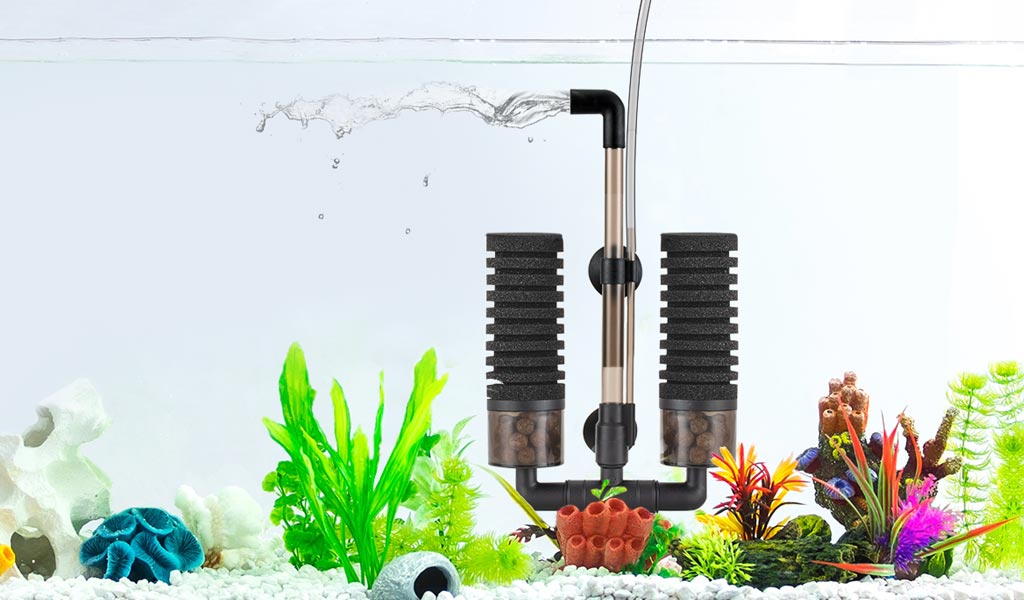
Chemical media works well with mechanical and biological filters. Mechanical filters catch particles. Biological filters break down waste. Chemical media cleans dissolved chemicals.
| Filter Type | Role | Works With Chemical Media |
|---|---|---|
| Mechanical | Removes debris and particles | Yes, protects chemical media from clogging |
| Biological | Breaks down fish waste and toxins | Yes, chemical media removes leftover chemicals |
| Chemical | Removes dissolved impurities | N/A |
Credit: www.hygger-online.com
Installation And Maintenance Tips
Chemical filtration is key to keeping aquarium water clean and safe. Proper installation and regular maintenance help the filter work well.
Follow simple steps to place the chemical media correctly. Keep a schedule for replacing the media to maintain water quality.
Placement In Filter Systems
Place chemical media after mechanical filtration. This setup removes particles before the water reaches the chemical media. It helps the media last longer and work better.
- Put mechanical filter first to catch debris
- Add chemical media next for removing toxins
- Use biological media last to support beneficial bacteria
- Keep media in mesh bags for easy handling
- Check the flow direction to ensure water passes through all media
Media Replacement Schedules
Chemical filter media loses effectiveness over time. Replace it regularly to keep your aquarium healthy. Different types of media have different lifespans.
| Media Type | Replacement Frequency |
| Activated Carbon | Every 3-4 weeks |
| Zeolite | Every 4-6 weeks |
| Phosphate Removers | Every 6-8 weeks |
| Resin Beads | Check monthly, replace if clogged |
Avoiding Common Mistakes
Chemical filtration helps keep aquariums clean. It removes impurities like toxins and odors. But, using it wrong can harm fish and plants.
Learning about common errors ensures a healthy aquarium. Let’s explore how to avoid them.
Overuse Of Chemical Media
Using too much chemical media can harm your aquarium. It strips away essential nutrients fish need to thrive.
Change chemical media as recommended. Overuse may lead to imbalance. Fish and plants need balanced water chemistry.
- Follow manufacturer’s guidelines
- Monitor fish and plant health
- Replace media on schedule
Ignoring Water Testing
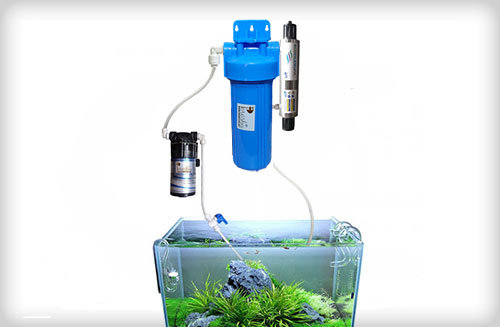
Water testing is crucial for a healthy aquarium. Ignoring it can lead to unsafe conditions for fish.
Test water regularly to check for toxins. Safe water keeps fish and plants healthy. It prevents diseases and stress.
| Frequency | Testing Needed |
| Weekly | Ammonia and Nitrite |
| Monthly | Nitrate and pH |
Credit: www.irawaters.net
Enhancing Water Clarity Naturally
Chemical filtration helps keep aquarium water clear by removing impurities. It works alongside other filters to create a healthy environment for fish.
Using natural methods for chemical filtration reduces the need for frequent water changes. This keeps the tank stable and comfortable for its inhabitants.
Balancing Biological And Mechanical Filtration
Biological filtration uses beneficial bacteria to break down harmful waste. Mechanical filtration traps particles like uneaten food and debris.
Both types work best when balanced properly. Good mechanical filtration stops large dirt from reaching biological filters and clogging them.
- Clean mechanical filter pads regularly
- Avoid over-cleaning biological filter media
- Replace filter materials as recommended
- Monitor water parameters to check filter efficiency
Routine Tank Care Practices
Regular tank care supports chemical filtration and overall water clarity. Consistent cleaning helps remove toxins and pollutants from the water.
Simple habits keep the aquarium safe and clear. They protect fish health and reduce algae growth naturally.
- Change 10-20% of water weekly
- Remove leftover food daily
- Test water for ammonia, nitrites, and nitrates
- Clean substrate and decorations gently
- Keep filter media clean but not sterile

Credit: www.amazon.com
Frequently Asked Questions
What Is Chemical Filtration In Aquariums?
Chemical filtration removes dissolved impurities using media like activated carbon. It improves water clarity and quality, eliminating odors and toxins for healthier fish.
How Does Activated Carbon Work In Filtration?
Activated carbon adsorbs organic compounds and impurities. Its porous surface traps chemicals, clearing water and reducing harmful substances in aquariums effectively.
When Should I Replace Chemical Filtration Media?
Replace chemical media every 3-4 weeks or when water clarity decreases. Old media lose effectiveness and may release trapped toxins back into the water.
Can Chemical Filtration Remove Ammonia And Nitrites?
No, chemical filtration cannot remove ammonia or nitrites. Biological filtration using beneficial bacteria is necessary to convert these toxic substances into less harmful forms.
Conclusion
Chemical filtration keeps aquarium water clear and healthy. It removes harmful chemicals and odors. Using the right filter media improves water quality. Regular maintenance helps the filter work well. Clean water supports fish and plant health. Choose chemical filtration to protect your aquarium life.
Simple steps lead to a cleaner tank. Enjoy a thriving underwater world with proper filtration.