
Are you ready to create a thriving underwater world right in your home? Caring for freshwater fish in aquariums can be a relaxing and rewarding hobby, but it takes the right knowledge to keep your fish healthy and happy.
Whether you’re just starting out or looking to improve your skills, understanding the basics will make all the difference. You’ll discover simple, practical tips that anyone can follow to ensure your fish flourish. Keep reading, and you’ll soon see your aquarium transform into a vibrant, lively space that brings joy every day.
Credit: pethelpful.com
Choosing The Right Fish
Picking the right fish is very important for a healthy aquarium. Different fish have different needs and behaviors.
Choosing fish that fit your tank and lifestyle helps keep them happy and alive.
Popular Freshwater Species
Some fish are easy to care for and good for beginners. Others need more attention and care.
- Guppies: Small, colorful, and active fish
- Neon Tetras: Bright blue and red, peaceful
- Betta Fish: Beautiful colors, can be aggressive
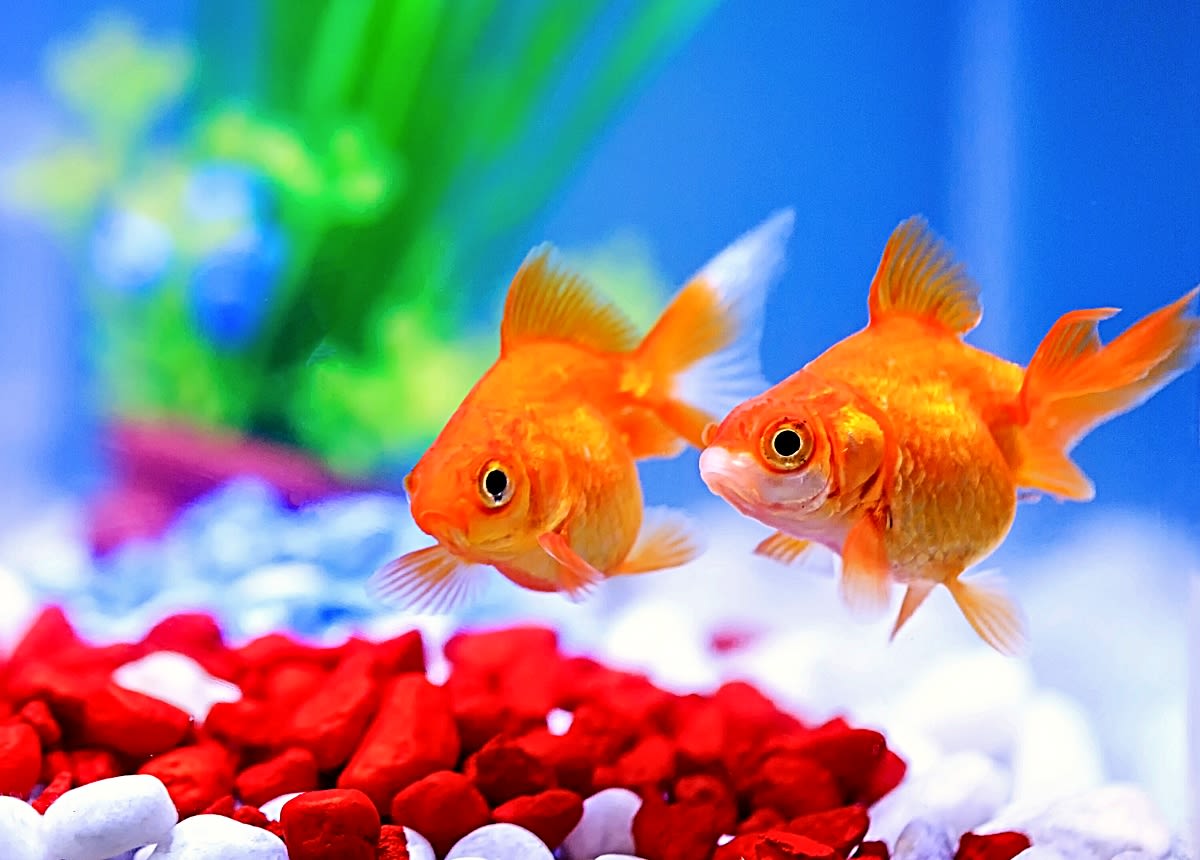
- Goldfish: Hardy but need large tanks
- Angelfish: Tall, graceful, need bigger tanks
Compatibility Considerations
Not all fish get along well. Some fish may fight or stress each other.
Choose fish that have similar temperaments to avoid problems in your tank.
- Aggressive fish should not share tanks with peaceful fish
- Schooling fish like to live in groups of the same species
- Check if fish need similar water conditions
- Consider fish size to avoid bullying
Fish Size And Tank Requirements
Fish size affects the tank size needed. Bigger fish need more space to swim.
Choose a tank that fits the fish when fully grown to keep them healthy.
| Fish Species | Adult Size | Minimum Tank Size |
|---|---|---|
| Guppy | 2 inches | 10 gallons |
| Neon Tetra | 1.5 inches | 10 gallons |
| Betta Fish | 3 inches | 5 gallons |
| Goldfish | 10 inches | 30 gallons |
| Angelfish | 6 inches | 20 gallons |
Credit: pethelpful.com
Setting Up The Aquarium
Setting up an aquarium is an exciting task. It requires some knowledge to ensure a healthy environment for your fish.
Proper setup involves choosing the right tank, filtration, heating, and lighting. Let’s dive into each aspect.
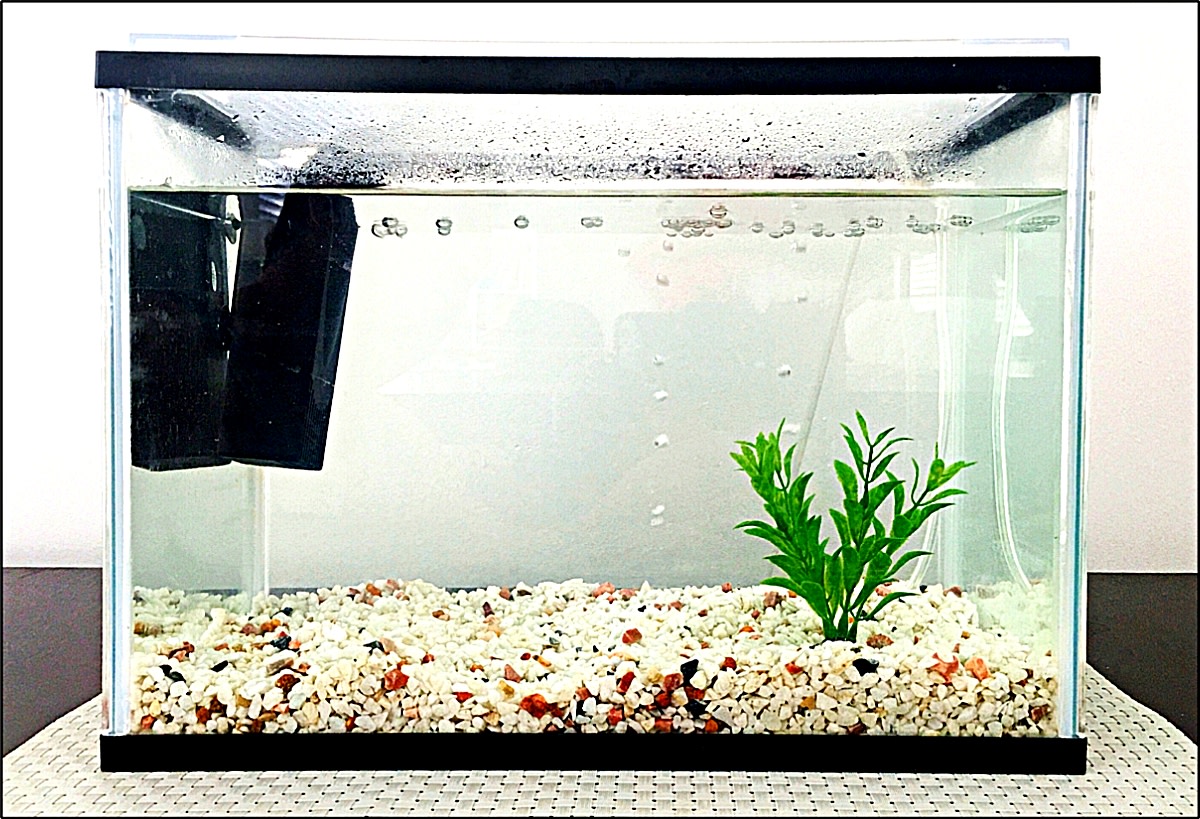
Tank Size And Shape
The tank’s size and shape affect the fish’s well-being. Larger tanks are often better for fish health.
A rectangular tank usually provides more surface area for oxygen exchange. Consider your space and the type of fish you want.
- Small tanks (up to 20 gallons) suit smaller fish.
- Medium tanks (20-50 gallons) accommodate more fish.
- Large tanks (over 50 gallons) are ideal for larger species.
Filtration Systems
Filtration is crucial for removing waste and toxins. It helps keep the water clean and safe for your fish.
There are different types of filters, including mechanical, chemical, and biological. Choose one based on your tank size and fish type.
- Mechanical filters remove debris.
- Chemical filters eliminate harmful substances.
- Biological filters promote beneficial bacteria growth.
Heating And Lighting
Temperature control is vital for tropical fish. A heater maintains a stable environment.
Lighting is important for plant growth and fish health. It also enhances the aquarium’s appearance.
- Use a heater with a thermostat for accurate temperature.
- LED lights are energy-efficient and last longer.
- Adjust lighting duration to mimic natural cycles.
Water Quality Management
Good water quality is key to healthy freshwater fish. It keeps fish safe from disease. Clean water helps fish grow well and stay active.
Managing water means checking and adjusting many factors. These include pH, ammonia, nitrates, and water changes. Each part plays a role in fish health.
Maintaining Ph Levels
pH measures how acidic or basic the water is. Most freshwater fish do best in a pH between 6.5 and 7.5. Sudden changes in pH can stress fish.
Test pH weekly using a test kit. Use pH buffers to adjust the level if needed. Avoid quick changes to keep fish safe.
Controlling Ammonia And Nitrates
Ammonia and nitrates build up from fish waste and leftover food. High levels can harm fish and cause illness.
- Check ammonia and nitrate levels with test kits.
- Keep ammonia below 0.25 ppm and nitrates under 20 ppm.
- Use filters and live plants to reduce harmful chemicals.
- Feed fish only what they eat to reduce waste.
Regular Water Changes
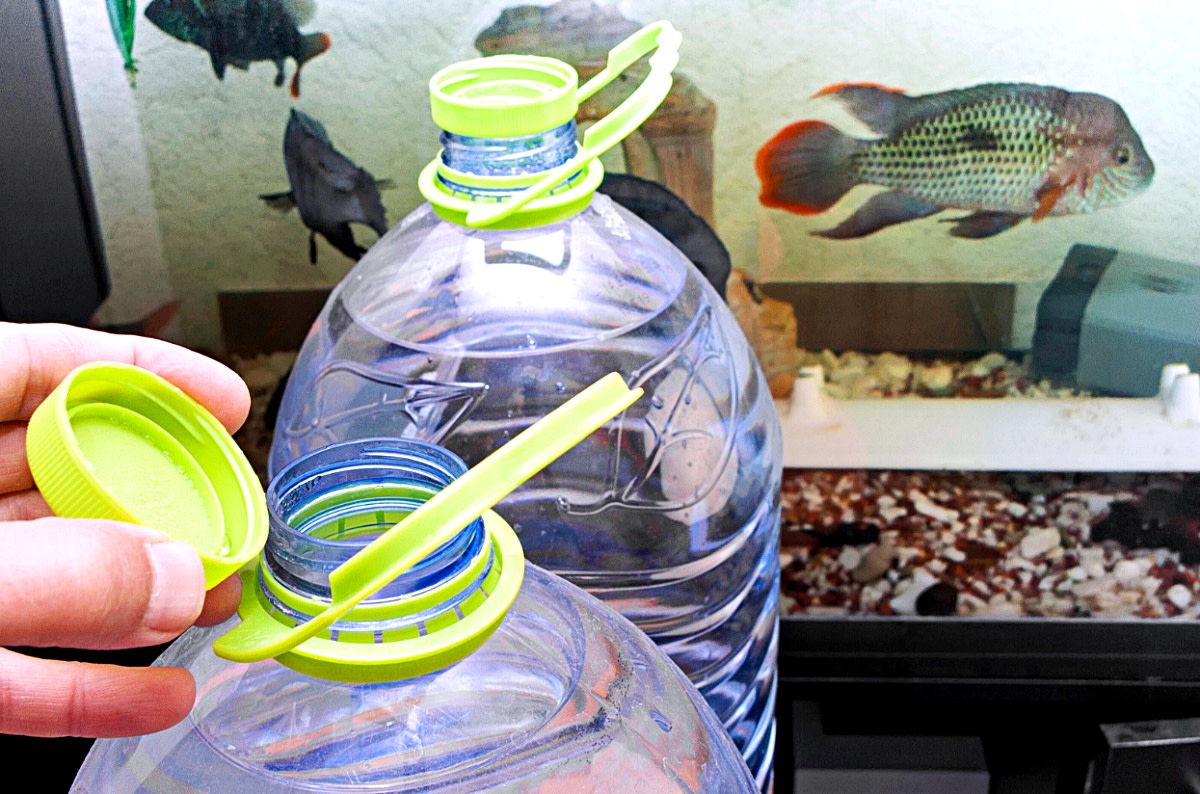
Changing water regularly removes toxins and adds fresh oxygen. It keeps the tank clean and fish healthy.
| Change Frequency | Amount to Change | Notes |
|---|---|---|
| Weekly | 10-20% | Best for most small to medium tanks |
| Bi-weekly | 25-30% | Works for low-stock tanks |
| Monthly | 30-50% | Only if water tests remain stable |
Feeding Your Fish
Feeding freshwater fish correctly keeps them healthy and active. Different fish need different types of food and feeding routines.
Understanding what to feed your fish and how often will help you avoid common problems in your aquarium.
Types Of Fish Food
Fish food comes in many forms. Each type offers different nutrients and suits certain fish species.
- Flakes: Easy to use and good for surface feeders.
- Pellets: Sink slowly and are good for bottom feeders.
- Frozen or live food: Includes bloodworms and brine shrimp for protein-rich meals.
- Vegetable-based food: Good for herbivorous fish like plecos and goldfish.
- Gel food: Can be homemade and tailored to fish needs.
Feeding Schedules
Regular feeding keeps fish healthy and prevents water problems. Most fish do well with one or two feedings daily.
| Fish Type | Feedings per Day | Notes |
|---|---|---|
| Small tropical fish | 2 | Feed small amounts each time |
| Large tropical fish | 1-2 | Adjust amount by size |
| Bottom feeders | 1-2 | Feed sinking pellets or wafers |
| Herbivores | 2 | Include vegetable food |
Avoiding Overfeeding
Overfeeding harms fish and pollutes aquarium water. Always give only what fish can eat in a few minutes.
Tips to prevent overfeeding:
- Feed small portions to avoid leftovers.
- Remove uneaten food after 5 minutes.
- Use a feeding ring to keep food in one area.
- Watch your fish to learn their eating habits.
- Adjust feed amounts as fish grow or change behavior.
Tank Maintenance Tips
Caring for freshwater fish means keeping their tank clean and safe. Regular maintenance helps fish stay healthy and happy.
Simple tank care includes cleaning, checking equipment, and watching fish health. These tasks protect your fish.
Cleaning The Aquarium
Clean the aquarium regularly to remove waste and algae. Dirty tanks cause stress and illness for fish.
Use a gravel vacuum to clean the bottom and change 10-20% of the water weekly. Avoid using soap or chemicals.
- Remove algae from glass with a scraper
- Clean decorations and plants carefully
- Change part of the water to keep it fresh
Checking Equipment Functionality
Check filters, heaters, and lights often. Equipment keeps the tank environment stable for fish.
Make sure filters are clean and working well. Test heaters to keep water at the right temperature.
- Clean or replace filter media monthly
- Use a thermometer to monitor water temperature
- Ensure lights are on a timer for regular cycles
Monitoring Fish Health
Watch your fish daily for signs of sickness or stress. Healthy fish are active and eat well.
Look for unusual spots, fading colors, or odd swimming. Early detection helps prevent disease spread.
- Observe fish behavior and appetite
- Check for physical changes like spots or swelling
- Quarantine new fish before adding them to the tank
Credit: pethelpful.com
Common Health Issues
Freshwater fish can get sick just like other pets. Knowing the signs of illness helps you act fast.
Proper care and early treatment keep your fish healthy and happy in the aquarium.
Signs Of Illness
Watch for changes in your fish’s behavior and appearance. These signs can mean your fish is ill.
- Loss of appetite
- Clamped fins or frayed fins
- Unusual spots or discoloration
- Gasping at the water surface
- Abnormal swimming patterns
- Swollen or bloated body
Preventive Measures
Preventing illness is better than treating it. Keep your aquarium clean and stable.
| Measure | Details |
| Water Quality | Test water regularly for ammonia, nitrite, and nitrate levels. |
| Temperature | Maintain the right temperature for your fish species. |
| Tank Cleaning | Change 10-20% of water weekly and clean the tank walls. |
| Quarantine | Isolate new fish for two weeks before adding them to the main tank. |
| Diet | Feed a balanced diet and avoid overfeeding. |
Treatment Options
Treat your fish quickly if you notice illness signs. Use the right medicine and care.
- Identify the problem by observing symptoms.
- Use aquarium salt or medication suitable for the illness.
- Follow the instructions on medicine carefully.
- Keep the tank clean during treatment.
- Remove stressed or sick fish to a separate hospital tank.
- Monitor fish daily to check if they improve.
Enhancing Aquarium Environment
Creating a healthy environment helps freshwater fish live longer. A good aquarium setup keeps fish happy and safe.
Focus on natural elements to make the aquarium feel like a real habitat. This helps fish behave naturally and reduces stress.
Adding Plants And Decorations
Live plants improve water quality by absorbing harmful chemicals. They also give fish places to explore and rest.
Choose decorations that are safe and smooth to avoid hurting fish. Natural-looking items make the tank attractive.
- Use live plants like Java fern or Anubias
- Add smooth rocks and driftwood
- Avoid sharp or toxic decorations
Creating Hiding Spots
Fish need hiding spots to feel safe and reduce stress. These places help shy fish rest and avoid aggression.
Use caves, tunnels, or dense plants to create cover. Make sure hiding spots are easy to reach and clean.
- Use ceramic or resin caves
- Add dense plant clusters
- Place tunnels or PVC pipes
Balancing Light And Shade
Fish need a balance of light and shade to stay healthy. Too much light can cause algae and stress fish.
Use aquarium lights with timers for consistent day and night cycles. Provide shaded areas with plants or decorations.
- Set lights for 8 to 10 hours daily
- Create shaded zones with tall plants
- Use dimmable lights if possible
Frequently Asked Questions
How Often Should I Clean My Freshwater Aquarium?
Clean your aquarium every 1-2 weeks to maintain water quality. Replace 10-20% of water during each cleaning. Remove debris and uneaten food to prevent harmful bacteria growth. Proper cleaning helps keep fish healthy and stress-free.
What Is The Ideal Water Temperature For Freshwater Fish?
Most freshwater fish thrive between 72°F and 78°F (22°C-26°C). Stable temperature helps reduce stress and disease risks. Use an aquarium heater and thermometer to monitor and maintain consistent temperature levels.
How Do I Prevent Algae Growth In My Aquarium?
Limit light exposure to 8-10 hours daily to control algae. Avoid overfeeding fish, as excess food encourages algae. Regular water changes and adding live plants can naturally reduce algae growth.
What Should I Feed My Freshwater Fish?
Feed fish a balanced diet with high-quality flakes or pellets. Supplement with live or frozen foods like brine shrimp or bloodworms. Feed small amounts 1-2 times daily to avoid overfeeding and water pollution.
Conclusion
Caring for freshwater fish takes patience and simple steps. Keep their water clean and check it often. Feed them the right food, but not too much. Watch your fish daily for signs of illness. A healthy tank means happy fish.
Small changes can make a big difference. Enjoy the calm and beauty your fish bring. Every effort helps your fish live longer and better. Stay consistent, and your aquarium will thrive. Fish care is rewarding and fun.