
If you want your freshwater tank to stay crystal clear and healthy, choosing the right filter is key. Canister filters are a powerful tool that can keep your water clean and your fish happy.
But with so many options out there, how do you know which one fits your tank perfectly? You’ll discover how canister filters work, why they might be the best choice for your setup, and tips to get the most out of them.
Keep reading to unlock the secret to a thriving freshwater aquarium.
Benefits Of Canister Filters
Canister filters are popular for freshwater tanks. They help keep the water clean and clear. Many aquarium owners use them for better tank health.
These filters offer strong filtration and support a healthy environment. They work well in many tank sizes and setups.
Efficient Filtration Process
Canister filters use multiple filter media for thorough cleaning. They remove dirt, waste, and harmful chemicals from the water.
The water flows through different layers, catching particles and breaking down toxins. This keeps the tank water safe for fish.
- Mechanical filtration traps debris and particles
- Chemical filtration removes toxins and odors
- Biological filtration supports beneficial bacteria
Maintaining Water Clarity
Canister filters help keep water clear by removing tiny particles. Clear water makes the tank look healthy and bright.
They reduce cloudiness and prevent algae growth. Clean water also helps fish stay visible and active.
- Removes suspended particles for clear water
- Controls algae by reducing nutrients
- Improves light penetration in the tank
Supporting Healthy Aquatic Life
Canister filters create a safe home for fish and plants. They keep harmful substances low and oxygen levels high.
These filters promote a balanced environment. Healthy water supports fish growth and plant health.
- Removes ammonia and nitrites with good bacteria
- Keeps oxygen levels stable for fish breathing
- Reduces stress by providing clean water
Types Of Canister Filters
Canister filters are popular for freshwater tanks. They clean water by moving it through filter media inside a container.
There are different types of canister filters. Each type works in a special way to keep water clear and healthy.
External Vs Internal Canisters
External canister filters sit outside the aquarium. They connect with tubes that move water in and out.
Internal canister filters stay inside the tank. They are smaller and take up space in the water.
- External Canisters:Better for large tanks, easy to clean, less space inside tank
- Internal Canisters:Good for small tanks, simple setup, may limit swimming space
Pressure Vs Gravity Fed Models
Pressure canister filters push water through the filter media. They use a pump to move water fast.
Gravity fed filters use the natural pull of gravity. Water flows down through the filter without a pump.
- Pressure Models:Faster water flow, better for larger tanks
- Gravity Fed Models:Quieter, use less energy, may flow slower
Key Features To Consider
Canister filters are popular for freshwater tanks. They keep the water clean and healthy for fish.
Choosing the right canister filter means looking at several important features. These features affect how well the filter works.
Flow Rate And Capacity
Flow rate shows how much water the filter moves per hour. It should match your tank size.
Capacity means how much water the filter can handle. A bigger tank needs a higher capacity filter.
- Choose a flow rate that cycles tank water 4-6 times per hour
- Check filter capacity for your tank size in gallons or liters
- Too high flow rate may stress fish; adjust if needed
Filter Media Options
Canister filters use different media types to clean water. Each type removes different waste.
Common media types include mechanical, biological, and chemical filtration. Using all three is best.
- Mechanical media traps dirt and debris
- Biological media supports good bacteria for waste breakdown
- Chemical media removes odors and harmful chemicals
- Choose media that fits your tank’s needs and fish type
Ease Of Maintenance
Regular cleaning keeps filters working well. Easy maintenance saves time and effort.
Look for filters with simple parts and clear instructions. Quick access to media helps with cleaning.
- Filters with removable trays speed up media cleaning
- Clear hoses and parts reduce clogging problems
- Choose a filter that fits your skill level and tank setup
Installation Tips
Installing a canister filter properly helps keep your freshwater tank clean. Follow simple steps for a smooth setup.
This guide covers key tips on placing the filter, connecting tubing, and priming the system.
Positioning Your Filter
Place the canister filter below the tank for best water flow. This helps gravity assist the water movement.
Keep the filter close to the tank to avoid long tubing that can reduce flow speed.
- Use a sturdy surface to hold the filter
- Avoid placing it where it can get wet or flooded
- Leave space around it for easy maintenance
Connecting Tubing And Valves
Attach the tubing firmly to avoid leaks. Use clamps if your filter did not include them.
Install valves on the tubing to control water flow. Valves help when cleaning or replacing the filter.
- Check tubing for cracks before connecting
- Match inlet and outlet tubes to correct ports
- Use valves to pause flow without disconnecting tubes
Priming The Filter
Priming fills the filter with water to start the pump. This step stops air pockets that can damage the motor.
Follow your filter’s instructions to prime it. Usually, you fill the canister and tubing before turning the pump on.
- Close valves on tubing before filling
- Fill the filter body with water
- Open valves slowly to let water in the tubes
- Turn on the pump once water flows smoothly
Maintenance And Cleaning
Canister filters are important for keeping your freshwater tank clean. Regular maintenance helps them work properly and last longer.
Cleaning and replacing parts on time will improve water quality. It also prevents problems that can harm your fish.
Regular Media Replacement
Filter media traps dirt and removes impurities from the water. Changing it regularly keeps the filter working well.
Replace the mechanical media every month. Change the chemical and biological media every three months.
- Check media for clogs
- Replace as needed
- Follow manufacturer instructions
Cleaning The Canister Body
The canister body can collect debris over time. Regular cleaning prevents build-up that can block water flow.
Disassemble the canister and rinse it with tank water. Do this every two months to keep it clean.
- Turn off the filter before cleaning
- Use a soft brush for hard-to-reach areas
- Reassemble carefully after cleaning
Preventing Common Issues
Preventing problems is easier than fixing them. Regular checks help you spot issues early.
Keep an eye on the water flow and noise levels. These can indicate problems with the filter.
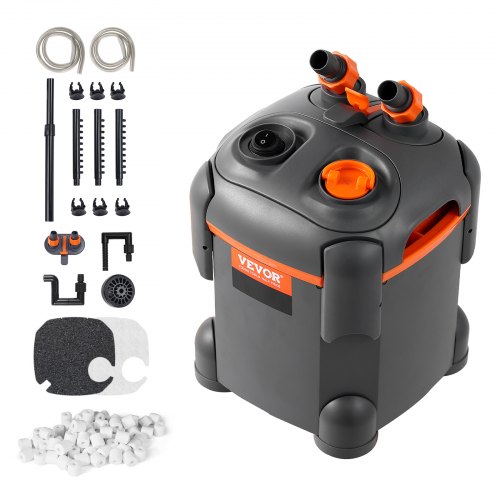
- Check for leaks regularly
- Ensure all parts are tightly sealed
- Monitor for unusual noises
Credit: www.vevor.ca
Troubleshooting Common Problems
Canister filters are great for keeping freshwater tanks clean. Sometimes, they may have issues that need fixing.
Knowing how to solve common problems helps keep your tank healthy and your filter working well.
Dealing With Low Flow
Low water flow can reduce the filter’s cleaning power. It may cause cloudy water or poor water quality.
Check if the intake tube is blocked by debris or plants. Clean or remove any blockage carefully.
- Clean filter media if clogged
- Check and clear the impeller area
- Make sure hoses are not kinked or bent
- Check water level in the tank
Handling Leaks
Leaks can cause water damage and lower tank water levels. Find the leak source before fixing it.
Look for cracks in the filter body or loose hose connections. Tighten fittings and replace damaged parts.
- Inspect O-rings for damage or wear
- Replace broken or cracked tubes
- Tighten clamps and seals
- Use aquarium-safe silicone for small cracks
Noise Reduction Tips
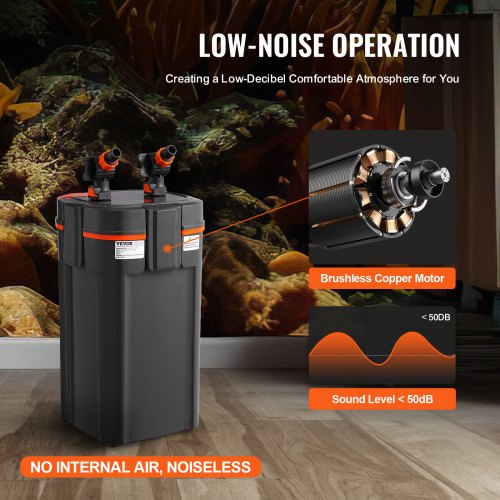
Noise from a canister filter can be annoying. It may come from air bubbles or vibrations.
Make sure all parts are tight and the filter is placed on a soft surface to reduce noise.
- Check for trapped air and bleed it out
- Clean the impeller and housing
- Place filter on a foam pad or mat
- Ensure hoses are secure and not vibrating
Popular Brands And Models
Canister filters keep freshwater tanks clean and healthy. They remove waste and maintain water clarity. Choosing the right filter depends on tank size and budget.
Many brands offer reliable canister filters. Some models are well known for their performance and ease of use. Here are popular options to consider.
Top-rated Canister Filters
Top-rated canister filters get high marks for quality and efficiency. They often have strong motors and good filter media options. These models suit most freshwater tanks.
- Fluval 07 Series – quiet operation and easy maintenance
- Marineland Magniflow – strong flow and multi-stage filtration
- Eheim Classic – durable with reliable performance
Budget-friendly Options
Budget-friendly canister filters work well for small to medium tanks. They offer basic filtration without extra features. These are good for beginners or small setups.
- API Filstar XP – affordable and easy to use
- Hydor Professional – compact and reliable
- Tetra EX – simple design with decent flow
High-end Performance Models
High-end canister filters provide advanced features and strong performance. They suit large or heavily stocked tanks. These models offer excellent filtration and durability.
- Fluval FX6 – large capacity with powerful flow
- Oase Biomaster Thermo – includes heater and UV sterilizer
- Eheim Pro 4+ – customizable media and quiet operation
Credit: www.vevor.ca
Enhancing Filtration Performance
Canister filters are great for freshwater tanks. They help keep the water clean and safe for fish. Enhancing their performance is key to a healthy tank environment.
There are ways to make your canister filter work even better. Using the right media and setup can improve water quality.
Using Supplemental Media
Supplemental media can boost your canister filter. Different types of media remove specific impurities.
Choose media based on your tank’s needs. Some media types help with chemical filtration, while others focus on biological filtration.
- Activated carbon removes odors and discoloration
- Ceramic rings support beneficial bacteria growth
- Phosphate removers reduce algae growth
Optimizing Filter Setup
Proper setup ensures your filter works efficiently. Position the intake and outflow correctly to maximize water circulation.
Regular maintenance is also important. Clean the filter and replace media as needed to keep it running well.
- Place intake low in the tank
- Direct outflow across the water surface
- Check and clean filter monthly
Combining With Other Filtration Types
Using other filtration types with canister filters can improve tank health. Combining methods ensures comprehensive cleaning.
Consider adding a sponge filter or a powerhead. These help with mechanical filtration and water movement.
| Filter Type | Benefit |
| Sponge Filter | Traps debris and supports bacteria |
| Powerhead | Enhances water movement |

Credit: www.ebay.ca
Frequently Asked Questions
What Are Canister Filters In Freshwater Tanks?
Canister filters are external filtration systems designed for freshwater aquariums. They provide mechanical, chemical, and biological filtration. These filters improve water quality and clarity by removing debris, toxins, and harmful substances. Canister filters are powerful and ideal for larger tanks needing efficient water circulation and purification.
How Do Canister Filters Benefit Freshwater Aquariums?
Canister filters enhance water cleanliness and oxygen levels. They promote a healthy environment by removing waste and harmful chemicals. This reduces fish stress and prevents diseases. Additionally, they offer customizable media options to target specific water conditions, making them excellent for maintaining freshwater tank health.
How Often Should Canister Filters Be Cleaned?
Canister filters should be cleaned every 4 to 6 weeks. Regular maintenance prevents clogging and maintains optimal filtration efficiency. Cleaning involves rinsing filter media in tank water, not tap water, to preserve beneficial bacteria. Timely cleaning ensures clear water and a healthy aquarium ecosystem.
Are Canister Filters Suitable For All Freshwater Tank Sizes?
Canister filters are versatile and work well for medium to large freshwater tanks. Smaller tanks might not require their high capacity. Always choose a filter rated for your tank size to ensure proper water turnover and filtration performance for your aquarium’s needs.
Conclusion
Canister filters keep freshwater tanks clean and healthy. They remove dirt, waste, and harmful chemicals. Fish enjoy clearer water and better air quality. These filters work quietly and last a long time. Easy to set up and maintain too. Choosing the right canister filter matters for your tank size.
A well-chosen filter supports a happy fish home. Clean water means happy fish and less work for you. Keep your tank fresh with a good canister filter. Simple and effective filtration makes all the difference.