
Have you ever wondered why your butterflyfish sometimes act restless or hide away when the water feels warmer? Understanding butterflyfish heat sensitivity is key to keeping these beautiful creatures healthy and happy.
If you want to ensure your butterflyfish thrive, knowing how temperature affects them can make all the difference. Keep reading to discover simple, powerful insights that will help you protect your fish from heat stress and create the perfect environment they need.
Your butterflyfish depend on you, and this guide will show you exactly how to care for them when temperatures rise.
Butterflyfish Basics
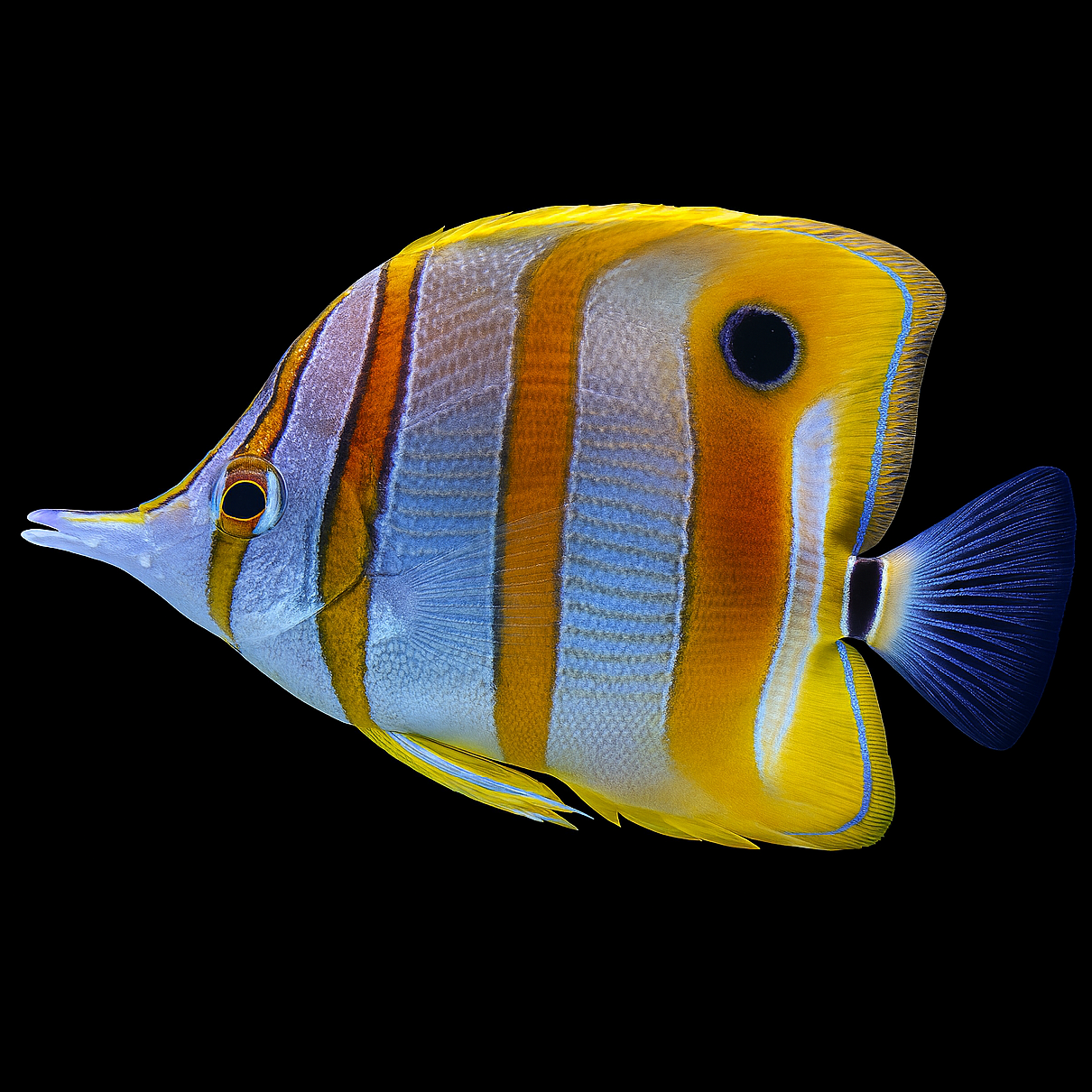
Butterflyfish are bright and colorful fish found in warm oceans. They are easy to spot because of their unique shapes and patterns.
These fish are sensitive to changes in water temperature. Understanding their traits helps protect them better.
Species And Habitat
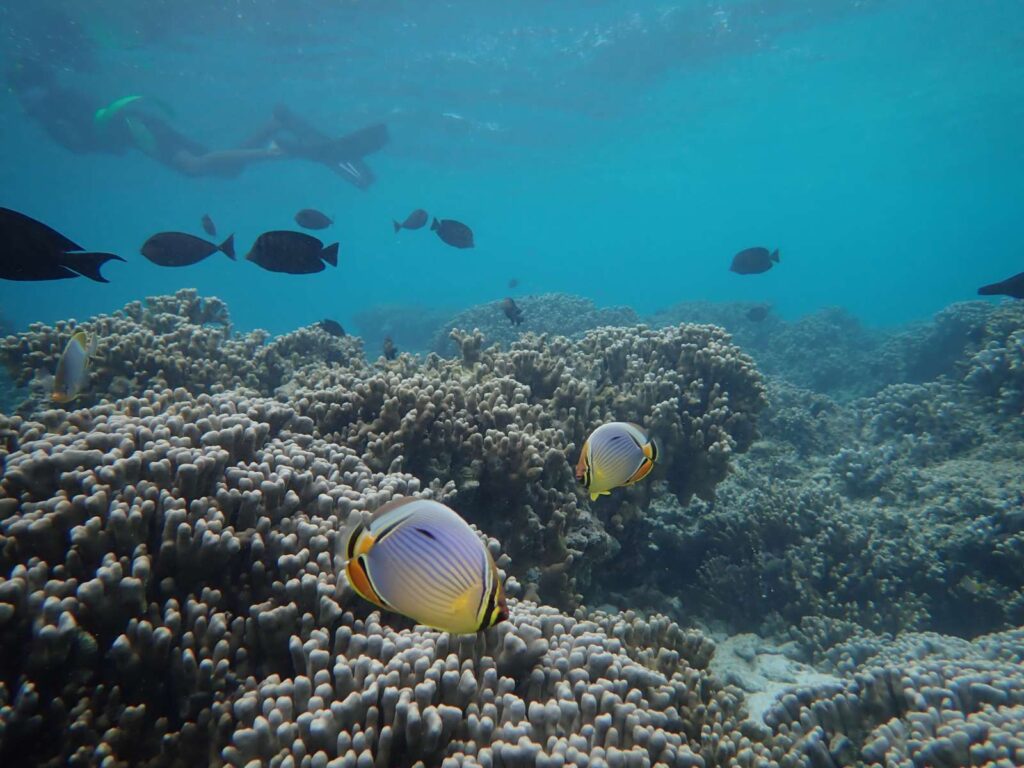
Butterflyfish live mostly in coral reefs. They prefer shallow waters where the temperature stays warm and stable.
- Found in tropical and subtropical oceans
- Common in the Indo-Pacific region
- Live near coral reefs and rocky areas
- Stay in waters between 23°C and 28°C
Physical Characteristics
Butterflyfish have flat, oval bodies with bright colors and patterns. These features help them hide from predators and find mates.
| Feature | Description |
|---|---|
| Body Shape | Flat and oval |
| Size | 10 to 22 cm long |
| Color | Bright yellows, whites, and blacks |
| Fins | Rounded and used for quick turns |
| Mouth | Small and pointed for picking food |
Heat Sensitivity Factors
Butterflyfish are sensitive to changes in water temperature. Their survival depends on how well they handle heat. Understanding what affects their heat sensitivity helps protect them.
Two main factors affect their heat sensitivity: thermal tolerance limits and the impact of rising temperatures. These factors shape their behavior and health in warm waters.
Thermal Tolerance Limits
Thermal tolerance limits show the range of temperatures butterflyfish can survive. If water gets too hot, they may suffer stress or die. Each species has its own limit.
- Lower thermal limit: the coldest temperature they can handle.
- Upper thermal limit: the hottest temperature they can survive.
- Optimal temperature: the best range for their health and activity.
Knowing these limits helps predict how butterflyfish respond to heat changes. It also guides efforts to protect their habitats.
Impact Of Rising Temperatures
Rising sea temperatures affect butterflyfish in many ways. Heat can cause stress, reduce food sources, and change their behavior. Long-term heat increases can harm populations.
| Effect | Description |
| Stress | Causes weakened immune system and illness |
| Food Scarcity | Coral loss reduces available food |
| Behavior Changes | Less feeding and movement to cooler areas |
| Reproduction | Lower breeding success in warm waters |
Effects On Behavior
Butterflyfish react strongly to changes in water temperature. Heat sensitivity affects their daily actions and habits.
Understanding these effects helps us protect their natural behavior and environment.
Feeding Patterns
When water temperatures rise, butterflyfish often eat less. Heat stress can reduce their appetite and change feeding times.
- They feed mainly in cooler parts of the day.
- Heat causes them to avoid certain coral areas.
- Food intake drops during hot spells.
- They may switch to less preferred food sources.
Reproductive Changes
Higher temperatures affect butterflyfish reproduction. Spawning times shift and success rates may fall.
| Temperature Range (°C) | Spawning Frequency | Egg Viability (%) |
| 24-26 | Normal | 85 |
| 27-29 | Reduced | 60 |
| 30+ | Rare | 30 |
Credit: reef-aquarium-store.com
Coral Reef And Ecosystem Impact
Butterflyfish are sensitive to heat changes in coral reefs. Rising ocean temperatures harm both fish and coral. This affects the whole ecosystem.
Understanding how heat affects butterflyfish helps us see the damage to coral reefs. These reefs support many ocean species.
Coral Bleaching Connection
Butterflyfish depend on coral for food and shelter. When water heats up, coral can bleach and die. This leaves butterflyfish without homes.
- Heat stress causes coral to lose algae.
- Without algae, coral turns white and weak.
- Dead coral means less food for butterflyfish.
- Butterflyfish populations decline with coral loss.
Ecosystem Interdependence
Butterflyfish and coral reefs rely on each other. Other animals also depend on this relationship. Heat sensitivity disrupts the entire ecosystem.
| Species | Role in Ecosystem | Impact of Heat |
| Butterflyfish | Feed on coral polyps | Lose habitat and food |
| Coral | Provide shelter and food | Bleach and die |
| Algae | Live in coral, provide energy | Leave coral under heat |
| Other Fish | Use coral for shelter | Lose habitat |
Adaptation And Survival Strategies
Butterflyfish are colorful creatures of the ocean. They face challenges due to rising sea temperatures. To survive, they have adapted in unique ways.
These adaptations help them cope with heat sensitivity. Let’s explore their strategies for survival in changing climates.
Behavioral Adaptations
Butterflyfish change their behavior to manage heat. They swim deeper during hot days. This helps them find cooler water.
They also rest more to save energy. Resting reduces their need for food when it’s too warm to hunt.
- Swim to deeper waters for cooler temperatures
- Increase resting periods to conserve energy
- Reduce hunting activities in peak heat
Migration And Habitat Shifts
Butterflyfish migrate to cooler areas when the sea gets too warm. They move to different parts of the ocean to find suitable environments.
These shifts in habitat are crucial for their survival. They search for coral reefs that offer shade and lower temperatures.
| Adaptation | Purpose |
| Migration | Find cooler habitats |
| Habitat Shifts | Locate shaded coral reefs |
Credit: thelakshadweep.com
Conservation Efforts
Butterflyfish are sensitive to heat changes in the ocean. Their survival depends on healthy coral reefs and stable water temperatures.
Conservation efforts focus on protecting their homes and fighting climate change to keep ocean temperatures safe.
Protecting Habitats
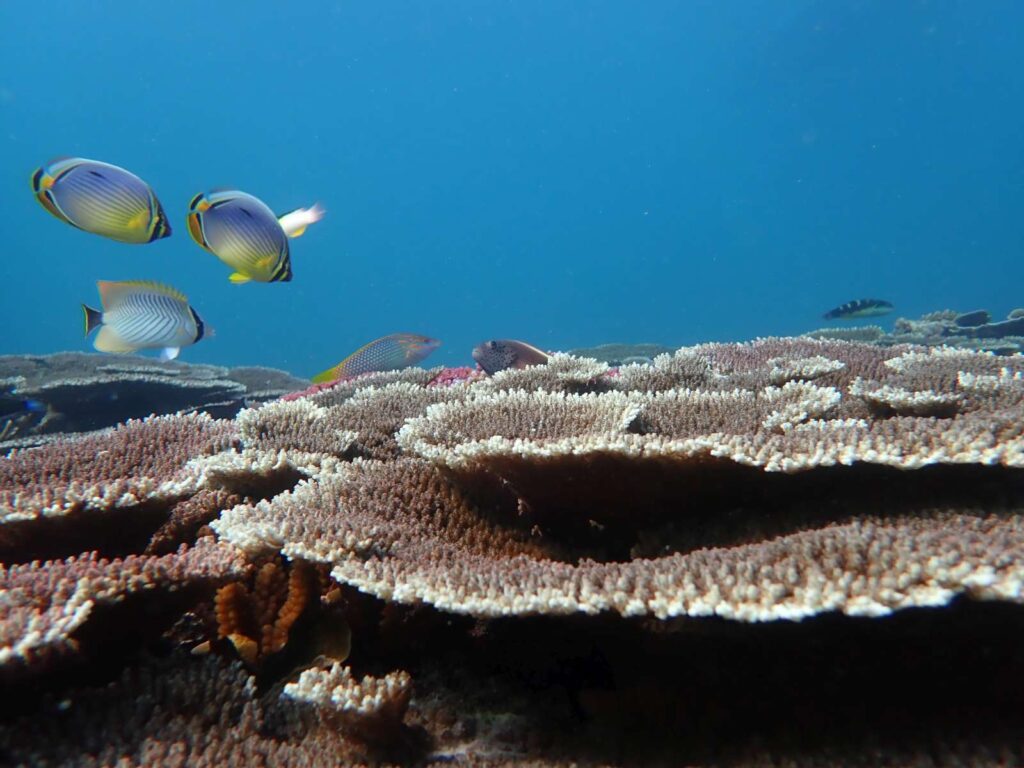
Butterflyfish live in coral reefs that are fragile and easily damaged. Protecting these reefs helps keep butterflyfish safe.
Efforts include creating marine protected areas where fishing and pollution are limited. These areas allow reefs to recover and grow.
- Limit harmful fishing practices
- Reduce pollution near reefs
- Restore damaged coral reefs
- Support reef-friendly tourism
Climate Change Mitigation
Rising ocean temperatures threaten butterflyfish by damaging coral reefs and changing their environment. Reducing climate change helps protect them.
Actions include lowering carbon emissions and using clean energy. These efforts slow global warming and keep oceans cooler.
- Use renewable energy sources
- Reduce greenhouse gas emissions
- Support policies for climate action
- Promote awareness about ocean health
Credit: thelakshadweep.com
Frequently Asked Questions
What Temperature Range Is Ideal For Butterflyfish?
Butterflyfish thrive in water temperatures between 72°F and 78°F. Temperatures outside this range can stress them and affect their health. Maintaining stable temperatures helps support their metabolism and immune system, ensuring they remain active and vibrant.
How Does Heat Sensitivity Affect Butterflyfish Behavior?
Heat sensitivity can cause butterflyfish to become lethargic and reduce their feeding activity. They may also hide more often to avoid stress. Prolonged exposure to high temperatures can weaken their immune system, making them more prone to diseases.
Can Butterflyfish Survive Sudden Temperature Changes?
Sudden temperature changes can be harmful or fatal to butterflyfish. They require gradual adjustments to adapt safely. Rapid shifts cause stress, disrupt biological functions, and increase vulnerability to infections and other health issues.
Why Is Water Temperature Control Crucial For Butterflyfish Health?
Controlling water temperature prevents stress and promotes optimal physiological function in butterflyfish. Stable temperatures support immune health and proper digestion. Consistent temperature also reduces the risk of temperature shock and related diseases.
Conclusion
Butterflyfish react quickly to changes in water temperature. Heat stress can harm their health and behavior. Keeping aquarium water stable helps these fish stay calm. Watch for signs of overheating like fading colors or slow movement. Cooler, clean water supports their well-being and natural activity.
Protecting butterflyfish from heat keeps them lively and strong. Small changes make a big difference for these delicate creatures. Remember, healthy water means happy butterflyfish.