
Are you fascinated by the vibrant world of aquarium fish? If so, the Blue Turquoise Discus might have caught your eye.
But how can you be sure you’re looking at the real deal? Identifying this stunning fish isn’t always easy, especially if you want to spot the subtle details that set it apart from others. You’ll discover clear, simple tips to recognize the Blue Turquoise Discus with confidence.
By the end, you’ll know exactly what to look for—making your aquarium experience even more rewarding. Keep reading and unlock the secrets behind this beautiful species!
Blue Turquoise Discus Traits
Blue Turquoise Discus are popular freshwater fish known for their striking appearance. They have unique features that help identify them easily.
Knowing their traits can help hobbyists care for them better and appreciate their beauty.
Color Shades And Patterns
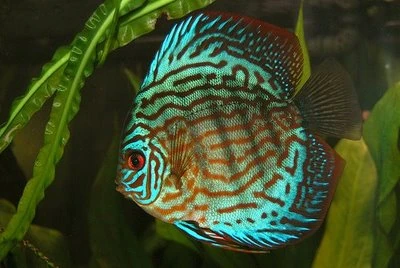
The Blue Turquoise Discus shows bright blue and turquoise colors. These colors cover most of their body.
The fish has a mix of solid and patterned areas. The patterns can look like lines or spots in darker shades.
- Base color is bright blue to turquoise
- Darker blue or greenish lines run vertically
- Some have small spots or mottled patterns
- Colors may change slightly with mood or health
Body Shape And Size
The body is round and flat from the sides. This shape helps them swim slowly and gracefully.
Adult Blue Turquoise Discus grow to about 6 to 8 inches long. Their size makes them easy to spot in an aquarium.
- Disc-shaped body, flat on sides
- Length ranges from 6 to 8 inches
- Rounded head with small mouth
- Thick and sturdy body structure
Fin Characteristics
The fins are large and rounded, matching the body shape. They help the fish move smoothly in water.
The dorsal and anal fins stretch along the body. The tail fin is fan-shaped and often has a blue tint.
- Large, rounded dorsal and anal fins
- Fan-shaped tail fin with blue hues
- Pectoral fins are small and clear
- Fins have smooth edges without spines
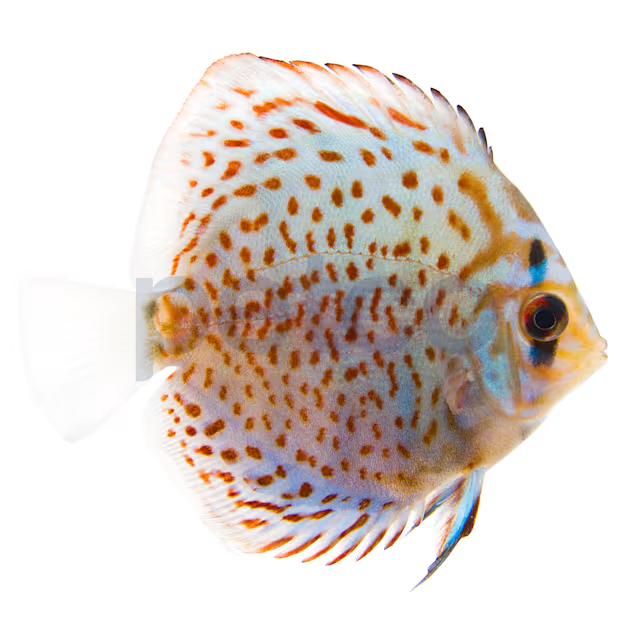
Credit: www.petco.com
Habitat And Behavior
The Blue Turquoise Discus is a tropical freshwater fish known for its vibrant colors. It lives in warm, slow-moving waters where it feels safe and comfortable.
This fish shows interesting behaviors that help it survive and interact with others in its group.
Natural Environment
Blue Turquoise Discus fish come from the Amazon River basin. They prefer areas with soft, acidic water and lots of plants. The water temperature usually stays between 26°C and 30°C (79°F to 86°F).
- Slow-moving rivers and floodplains
- Shady areas with dense vegetation
- Soft, sandy or muddy river bottoms
- Water with low mineral content
Temperament And Activity
The Blue Turquoise Discus is calm and peaceful. It lives in groups called schools to feel safe. This fish often swims slowly but can move quickly if needed.
| Behavior | Description |
| Social | Stays in groups for protection |
| Territorial | Defends small areas during breeding |
| Active | Swims steadily throughout the day |
| Timid | Hides when it feels threatened |
Feeding Habits
Blue Turquoise Discus fish eat small animals and plants. They like to feed on food found near the river bottom or floating in the water.
- Small insects and larvae
- Worms and tiny crustaceans
- Algae and plant matter
- Prepared fish foods in aquariums
Common Variations
The Blue Turquoise Discus fish shows many different types. Each type has unique colors and patterns. These differences help fish keepers identify them easily.
Below are the main common variations in Blue Turquoise Discus. They include color changes, pattern differences, and hybrid forms.
Color Variants
Blue Turquoise Discus come in many color shades. The blue tone can range from light sky blue to deep turquoise. Some have hints of green or silver on their scales.
- Light Blue: Soft and pale blue shades.
- Deep Turquoise: Rich and dark blue-green shades.
- Silver Tint: Blue with shiny silver highlights.
- Greenish Hue: Blue mixed with a slight green tone.
Pattern Differences
Patterns vary widely among Blue Turquoise Discus. Some have clear, bold lines while others show soft or blurred patterns. Patterns can be spots, stripes, or marbled effects.
| Pattern Type | Description |
| Striped | Vertical dark lines across the body. |
| Spotted | Small dots scattered on the fins and body. |
| Marbled | Swirled patterns mixing blue and white. |
| Solid | Uniform color without visible markings. |
Hybrid Forms
Hybrid Blue Turquoise Discus result from crossbreeding. These fish show mixed traits from different varieties. Hybrids can have unique colors and patterns not seen in pure forms.
- Blended colors from parent types
- Mixed patterns like spots and stripes together
- Variations in body shape and size
- Unpredictable color intensity
Spotting Authentic Blue Turquoise
Blue Turquoise Discus is a popular fish with a unique color. Many people want to know how to find real Blue Turquoise Discus.
This guide helps you spot an authentic Blue Turquoise Discus with clear tips and signs.
Key Identification Marks
True Blue Turquoise Discus have bright blue bodies with a turquoise shine. Their colors look smooth and natural.
Look for round shape and clear fins. The eyes are usually bright red or orange.
- Bright turquoise-blue body color
- Round and flat body shape
- Clear, smooth fins without spots
- Bright red or orange eyes
- Even and smooth color pattern
Avoiding Look-alikes
Some fish look like Blue Turquoise but are not real. They may have dull colors or uneven patterns.
Fake Blue Turquoise fish often show spots or strange color patches. They may have different fin shapes.
- Dull or faded blue colors
- Spots or blotches on body and fins
- Irregular body shapes
- Eyes that are not bright red or orange
- Uneven or patchy color patterns
Expert Tips
Buy from trusted breeders or stores to get real Blue Turquoise Discus. Check the fish carefully before buying.
Observe the fish’s behavior. Healthy Blue Turquoise Discus swim calmly and show bright colors.
- Buy from trusted sources only
- Look for calm and active swimming
- Check colors under good light
- Avoid fish with dull or patchy colors
- Ask about the fish’s age and origin
Care Requirements
Blue Turquoise Discus are beautiful fish that need special care. Their health depends on a good tank setup and proper feeding.
Keeping the right water conditions is important to keep them happy and healthy.
Tank Setup
Choose a large tank because Discus need space to swim. A tank size of at least 50 gallons is best for a small group.
Use soft sand or smooth gravel as substrate. Add plants and hiding spots but keep open swimming areas.
- Minimum tank size: 50 gallons
- Use soft sand or fine gravel
- Include plants and hiding places
- Keep open swimming spaces
Water Conditions
Blue Turquoise Discus need clean, warm water with stable conditions. Regular water changes keep the tank healthy.
Keep the water soft and slightly acidic. The right temperature helps their immune system stay strong.
- Temperature: 82°F to 86°F (28°C to 30°C)
- pH level: 6.0 to 7.0
- Water hardness: Soft (1-8 dGH)
- Change 25% of water weekly
- Use a good filter for clean water
Diet And Nutrition
Feed Blue Turquoise Discus a varied diet for best health. They enjoy both live and prepared foods.
Feed small amounts multiple times a day to avoid overfeeding and water pollution.
- High-quality flake or pellet food
- Frozen or live bloodworms
- Brine shrimp and daphnia
- Feed 2 to 3 times daily
- Remove uneaten food quickly
Credit: exoticpets.fandom.com
Health And Maintenance
Blue Turquoise Discus fish need special care to stay healthy. They are sensitive and require a clean environment.
Understanding their health needs helps prevent diseases. Consistent care keeps them vibrant and active.
Common Diseases
Blue Turquoise Discus can suffer from several diseases. Knowing these helps in early detection.
- Ich: White spots on skin and fins.
- Fin Rot: Frayed fins with discoloration.
- Hole-in-the-Head: Small pits on the head.
Preventive Measures
Preventing diseases is better than treating them. Simple steps can help keep your fish healthy.
Maintain water quality and ensure balanced nutrition. Regular checks are vital for prevention.
- Change water weekly to keep it clean.
- Feed a varied diet with quality food.
- Monitor fish behavior for early signs of illness.
Regular Care Routine
A regular care routine is essential for Blue Turquoise Discus. It ensures they remain healthy and stress-free.
Daily observation and weekly cleaning are key. Consistency in care leads to better health.
- Check water temperature daily.
- Remove uneaten food promptly.
- Clean tank filters every week.
Buying Blue Turquoise Discus
Blue Turquoise Discus are popular among aquarium enthusiasts. Their vibrant colors and unique patterns make them stand out.
When buying these fish, knowing how to choose them is important. This guide helps you make the best purchase for your aquarium.
Selecting Healthy Fish
Healthy Blue Turquoise Discus are active and have bright colors. Check that their eyes are clear and the fins are not damaged.
Watch for signs of illness like clamped fins or white spots. These can indicate stress or disease.
- Look for smooth, shiny scales
- Ensure the fish swims steadily
- Avoid fish with rapid breathing
Trusted Sellers
Buy from reputable sellers to ensure quality. Look for sellers with good reviews and a clean environment for their fish.
Visit the store if possible to observe the conditions. Good sellers will answer your questions and provide care tips.
- Check online reviews
- Ask for recommendations
- Visit local aquarium shops
Pricing And Value
Blue Turquoise Discus prices vary based on size and quality. Expect to pay more for adult fish and rare patterns.
Consider the long-term value and care costs. A higher price often means better health and longevity.
| Size | Price Range |
| Small | $20 – $50 |
| Medium | $50 – $100 |
| Large | $100 – $200 |

Credit: www.lowingyatwwff.com
Frequently Asked Questions
What Are The Key Features Of Blue Turquoise Discus?
Blue Turquoise Discus have vibrant blue-green coloration with intricate turquoise patterns. Their round, flat bodies and distinct markings make identification easy for enthusiasts.
How To Differentiate Blue Turquoise Discus From Other Discus?
Look for their unique turquoise spots and bright blue hues. Their body shape is round and slightly compressed, distinguishing them from other discus varieties.
What Is The Ideal Habitat For Blue Turquoise Discus?
They thrive in warm, soft, and slightly acidic freshwater with stable conditions. A temperature around 82°F and pH between 6. 0-7. 0 is optimal for their health.
Are Blue Turquoise Discus Peaceful With Other Fish?
Yes, they are generally peaceful but prefer calm tankmates. Avoid aggressive species to reduce stress and maintain a harmonious aquarium environment.
Conclusion
Blue Turquoise Discus fish have unique colors and patterns. These features help you spot them easily. Knowing their look helps in choosing healthy fish. Discus fish add beauty and calm to any tank. Keep learning about their care to enjoy them longer.
Remember, patience makes fishkeeping more fun and successful. Take time to observe their shapes and colors closely. Your tank will shine with these beautiful Blue Turquoise Discus.