
If you want a cleaner, healthier aquarium, understanding bio-balls for aquarium filters is key. These small, simple objects can make a big difference in keeping your water clear and your fish happy.
You might be wondering how such tiny balls can have such a powerful impact. You’ll discover what bio-balls are, why they matter, and how to use them to improve your aquarium’s filtration system. By the end, you’ll feel confident in choosing the right bio-balls to create the perfect home for your aquatic friends.
Keep reading to find out how a small change can bring big benefits to your tank!
What Are Bio-balls
Bio-balls are small plastic spheres used in aquarium filters. They help keep the water clean and healthy for fish.
They provide a large surface area where beneficial bacteria can grow. These bacteria break down harmful waste in the water.
Material And Design
Bio-balls are made from lightweight, durable plastic. Their design includes many ridges and holes.
- The plastic is safe for aquarium use and does not harm fish.
- The shape allows water to flow freely around and inside the ball.
- The rough surface helps bacteria attach and grow.
- The open design keeps the balls from clogging with debris.
Role In Filtration
Bio-balls support biological filtration in aquarium systems. They work by hosting good bacteria that clean the water.
| Filtration Stage | Bio-Balls Role |
|---|---|
| Mechanical | Water flows through but debris is mostly removed by other media |
| Biological | Good bacteria grow on bio-balls to break down ammonia and nitrites |
| Chemical | Not directly involved but improve overall water quality |
How Bio-balls Work
Bio-balls are small plastic spheres used in aquarium filters. They help keep the water clean by supporting beneficial bacteria. These bacteria break down harmful waste in the tank.
The design of bio-balls allows water to flow through easily. This flow helps bacteria grow and do their job well.
Surface Area And Bacteria Growth
Bio-balls have a large surface area. This means they provide more space for bacteria to live on. More bacteria means better breakdown of fish waste.
- The surface is rough and has many ridges.
- Water flows through all parts of the bio-ball.
- This keeps bacteria healthy and active.
- Good bacteria turn harmful ammonia into safe substances.
Mechanical Vs Biological Filtration
Filters clean water in two ways: mechanical and biological. Mechanical filtration catches debris and dirt. Biological filtration uses bacteria to remove toxins.
| Filtration Type | How It Works | Example |
|---|---|---|
| Mechanical | Catches solid waste particles | Foam or sponge filter |
| Biological | Breaks down toxic chemicals | Bio-balls with bacteria |
Benefits Of Using Bio-balls
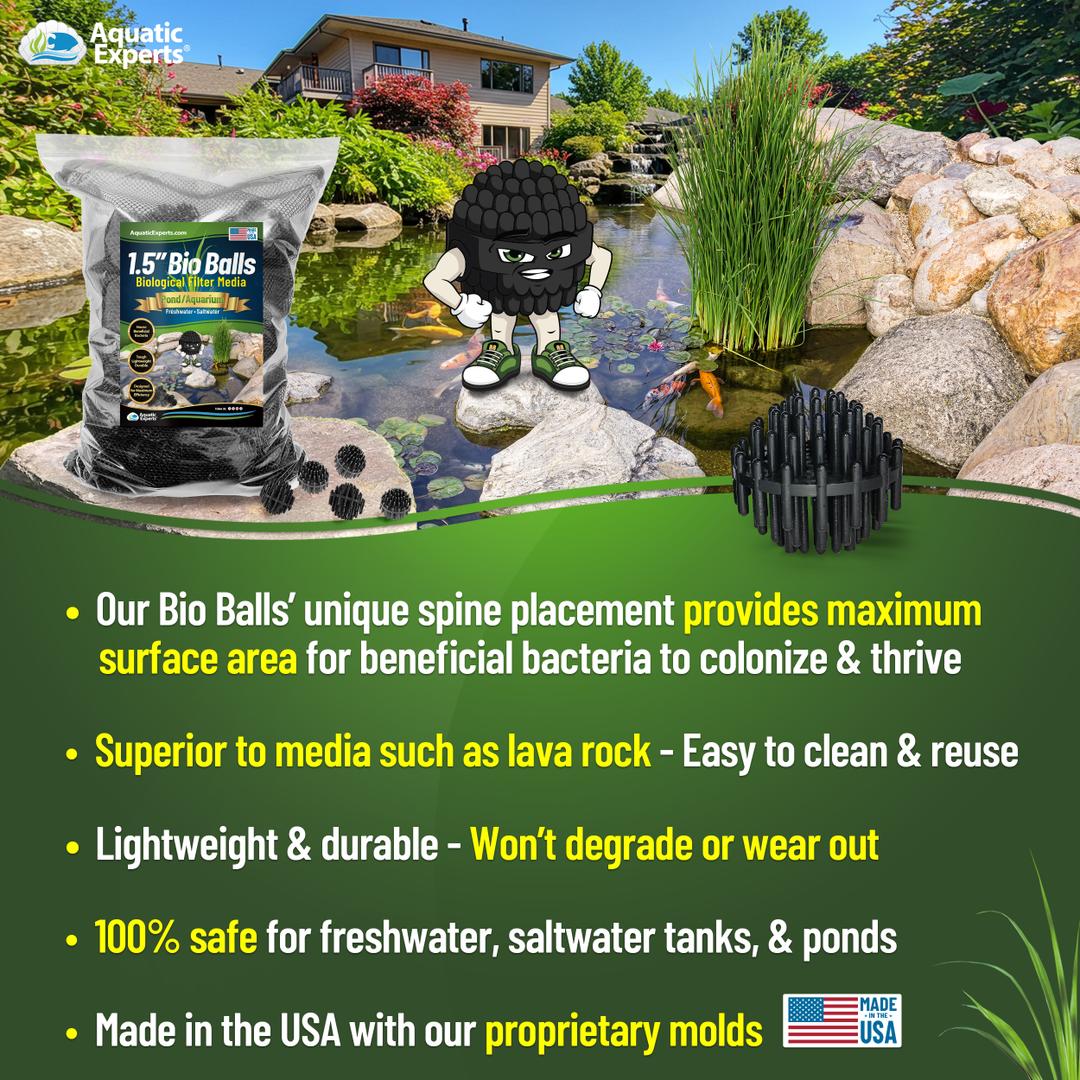
Bio-balls are small, round filter media used in aquarium filters. They provide a large surface area for beneficial bacteria to grow.
These bacteria help break down harmful waste in the water. Using bio-balls improves the health of your aquarium environment.
Improved Water Quality
Bio-balls support the growth of good bacteria that remove ammonia and nitrites. This process keeps the water clean and safe for fish.
- Increase beneficial bacteria growth
- Reduce harmful waste levels
- Help maintain clear water
- Promote a balanced aquatic environment
Low Maintenance
Bio-balls are easy to clean and do not need frequent replacement. They are durable and resist clogging better than other media.
| Feature | Benefit |
| Durability | Lasts for years without replacement |
| Cleaning | Simple rinsing in aquarium water |
| Clogging | Less prone to blocking filter flow |
Compatibility With Filters
Bio-balls fit well in many types of aquarium filters. Their shape allows water to flow freely through the filter system.
- Works with canister filters
- Fits inside hang-on-back filters
- Good for wet/dry filters
- Compatible with sump systems
Credit: www.aquaticexperts.com
Choosing The Right Bio-balls
Bio-balls are important for keeping aquarium water clean. They help good bacteria grow and break down waste.
Picking the right bio-balls can improve your filter’s performance and keep fish healthy.
Size And Shape Options
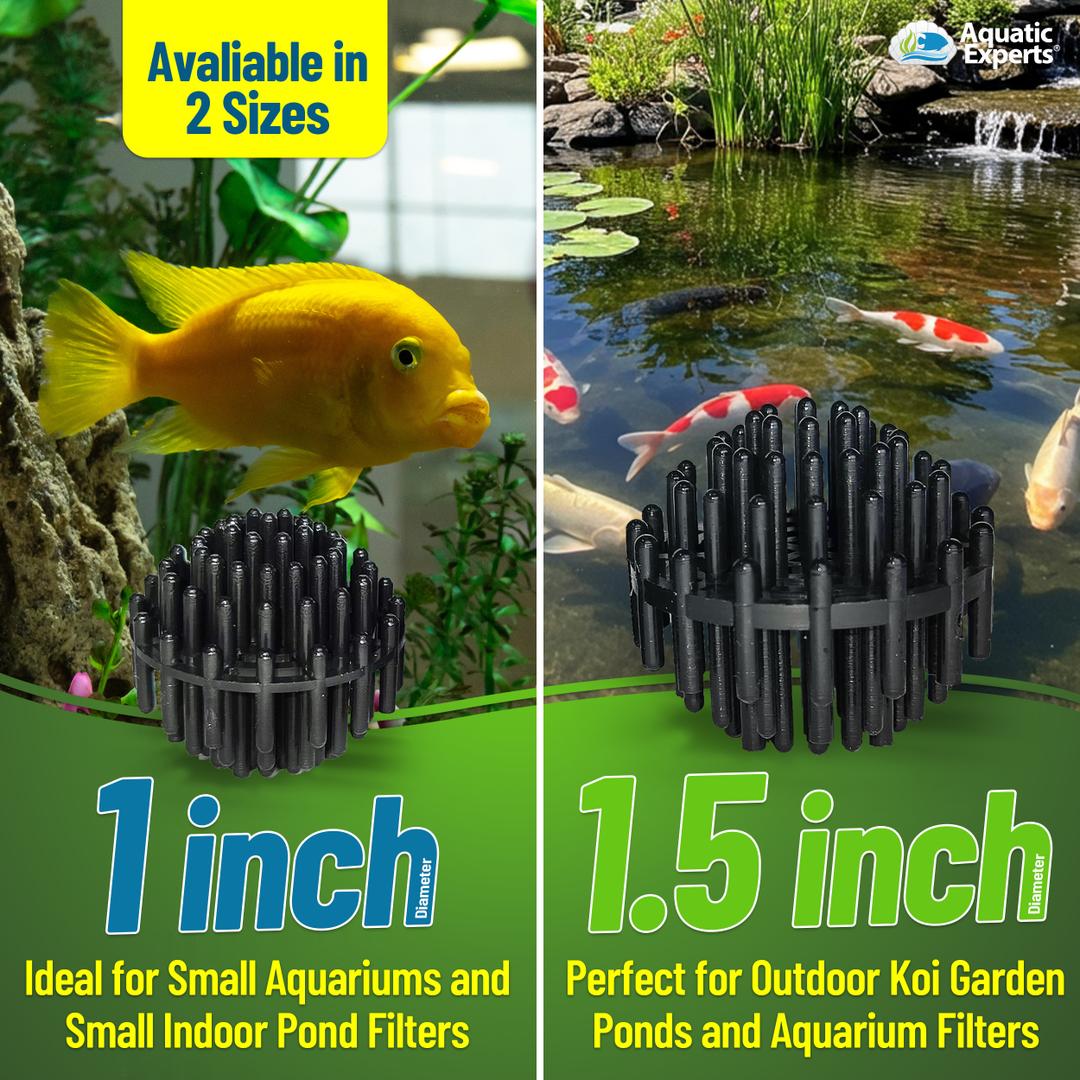
Bio-balls come in different sizes and shapes. The size affects how much surface area is available for bacteria.
Choose shapes that allow water to flow easily around them. This helps bacteria get oxygen and nutrients.
- Small bio-balls provide more surface area in a small space
- Round shapes help water flow smoothly
- Textured surfaces increase bacteria growth
- Avoid shapes that block water flow
Material Considerations
Bio-balls are made from plastic or other safe materials. The material should not harm fish or water quality.
Look for materials that are durable and resistant to breaking down in water.
- Plastic bio-balls are common and easy to clean
- Some materials may leach chemicals, avoid these
- Choose materials that resist algae growth
- Check that the material is safe for freshwater or saltwater
Quantity Guidelines
Using enough bio-balls is key to good filtration. Too few will not support enough bacteria.
Follow these simple rules to decide how many bio-balls to use for your aquarium size.
- Use more bio-balls for larger tanks
- Fill about half the filter media space with bio-balls
- Check filter flow and add bio-balls if water moves too fast
- Replace old bio-balls every few years to maintain efficiency
Installing Bio-balls In Aquarium Filters
Bio-balls are small plastic balls used in aquarium filters. They help good bacteria grow. This bacteria cleans the water by breaking down waste.
Installing bio-balls correctly helps keep your aquarium water clear. Follow simple steps to place them in the filter for best results.
Placement Tips
Put bio-balls where water flows well. This makes sure bacteria get oxygen and nutrients. Avoid areas where water moves too fast or too slow.
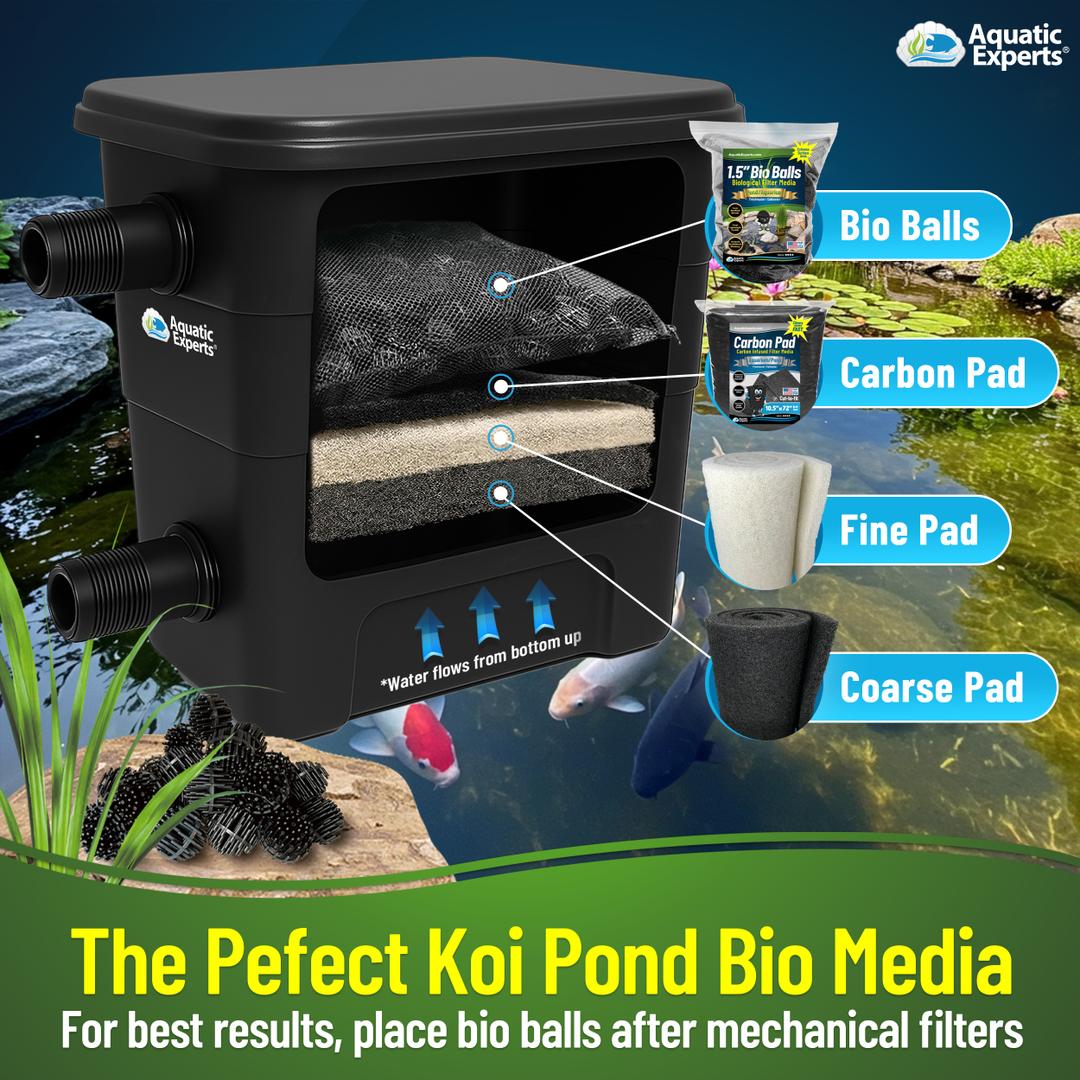
Keep bio-balls above mechanical filter media. This stops them from getting clogged with debris. Clean bio-balls gently if they look dirty.
- Place bio-balls in the filter’s bio-media compartment
- Ensure steady water flow over the bio-balls
- Do not pack bio-balls tightly; leave space for water
- Clean bio-balls with tank water, not tap water
Combining With Other Media
Bio-balls work well with other filter media. Mechanical filters catch big waste first. Then bio-balls grow bacteria to break down smaller waste.
Use bio-balls with chemical media like activated carbon to keep water clear and odor-free. Layer the media properly for best cleaning.
- Place mechanical media before bio-balls
- Put chemical media after bio-balls
- Check and replace chemical media regularly
- Keep bio-balls clean for healthy bacteria
Credit: www.aquaticexperts.com
Cleaning And Maintenance Tips
Bio-balls are important for healthy aquariums. They help filter water naturally. Keeping them clean is essential for their efficiency.
Regular maintenance keeps bio-balls working well. It also helps maintain a healthy environment for your fish.
When To Clean
Bio-balls need cleaning every few months. Check them during regular tank maintenance. Look for any debris or dirt build-up.
If water flow reduces, it might be time to clean. A dirty bio-ball can slow water movement in the filter.
- Every 3-6 months for normal tanks
- More often for heavily stocked tanks
- Check when water flow decreases
Proper Cleaning Methods
Rinse bio-balls in tank water. Use a bucket to avoid harmful chemicals. Tap water can kill beneficial bacteria.
Gently shake the bio-balls in the water. This removes debris without harming bacteria. Do not scrub them harshly.
- Use a bucket of tank water
- Rinse gently to remove dirt
- Avoid harsh scrubbing
- Do not use soap or chemicals
Common Problems And Solutions
Bio-balls are popular in aquarium filters. They help in biological filtration. However, they can face some issues.
Understanding these problems helps in maintaining a healthy aquarium. Let’s explore some common issues and their solutions.
Clogging Issues
Bio-balls can get clogged with debris over time. This reduces their efficiency. Regular cleaning is important.
Rinse bio-balls in tank water during water changes. Avoid using tap water. This keeps beneficial bacteria intact.
- Use a gentle stream of water
- Avoid harsh chemicals
- Inspect bio-balls regularly
Bacterial Imbalance
Bacterial imbalance can harm fish. Bio-balls need the right amount of bacteria. Too much cleaning can cause problems.
Ensure a balanced cleaning schedule. Monitor fish behavior and water quality. Both are indicators of bacterial health.
- Check ammonia and nitrate levels
- Observe fish for signs of stress
- Maintain a consistent cleaning routine
Credit: www.aquaticexperts.com
Alternatives To Bio-balls
Bio-balls help grow beneficial bacteria in aquarium filters. Some fishkeepers want other options for better cleaning or easier maintenance. Different materials offer unique benefits for water filtration.
Here are three common alternatives to bio-balls. Each one supports bacteria but works in its own way.
Foam Blocks
Foam blocks are soft and porous. They trap debris and provide a large surface for bacteria. Foam is easy to clean and fits many filter types.
They come in different sizes and densities. This helps control water flow and filtration strength.
- Good mechanical and biological filtration
- Easy to rinse and reuse
- Flexible shapes fit most filters
Ceramic Rings
Ceramic rings are hard and porous. Their tiny holes let bacteria grow inside. This increases the surface area for helpful bacteria.
Ceramic rings last a long time and do not break down. They need less cleaning but must be rinsed gently to keep bacteria alive.
- High surface area for bacteria growth
- Durable and long-lasting
- Works well in most filter types
Sponge Media
Sponge media is similar to foam but usually thicker. It traps dirt and supports bacteria growth. Sponges also help keep water clear.
Sponge media is easy to clean by squeezing in tank water. It is gentle on bacteria and lasts a long time.
- Excellent mechanical filtration
- Supports strong bacterial colonies
- Simple to maintain and clean
Frequently Asked Questions
What Are Bio-balls In Aquarium Filters?
Bio-balls are small, plastic spheres designed to provide surface area for beneficial bacteria. These bacteria help break down harmful waste in aquarium water, improving biological filtration and maintaining a healthy environment for fish and plants.
How Do Bio-balls Improve Aquarium Water Quality?
Bio-balls enhance water quality by promoting beneficial bacteria growth. These bacteria convert toxic ammonia and nitrites into less harmful nitrates, ensuring cleaner and safer water for aquatic life. They support the nitrogen cycle, which is vital for a balanced aquarium ecosystem.
Can Bio-balls Be Used In All Aquarium Filter Types?
Yes, bio-balls can be used in various filter types, including canister, hang-on-back, and sump filters. Their versatile design allows them to fit easily into different filtration systems, enhancing biological filtration regardless of the filter style.
How Often Should Bio-balls Be Cleaned Or Replaced?
Bio-balls should be rinsed gently in aquarium water every 1-2 months to remove debris. Avoid using tap water to preserve beneficial bacteria. Replacement is rarely needed unless they become damaged or excessively clogged, which can reduce filtration efficiency.
Conclusion
Bio-balls help keep aquarium water clean and clear. They provide a large surface for good bacteria to grow. These bacteria break down harmful waste in the tank. Using bio-balls improves water quality and fish health. They are easy to use and last a long time.
Choosing the right bio-balls supports a healthy aquarium environment. Remember, regular filter maintenance is still important for best results. Bio-balls make aquarium care simpler and more effective.