
Keeping your betta fish healthy starts with one simple habit: regular water changes. But if you’re unsure how often to change the water or how much to replace, your betta’s health could be at risk.
This guide will walk you through everything you need to know to keep your tank clean and your fish happy. By the end, you’ll feel confident about making water changes easy and stress-free—for both you and your betta. Ready to dive in?
Let’s get started.

Credit: www.youtube.com
Why Regular Water Changes Matter
Regular water changes keep your Betta fish healthy and happy. Clean water removes harmful waste and toxins.
Changing water often helps maintain the right water quality. This stops diseases and improves fish behavior.
Remove Harmful Toxins
Fish produce waste that builds up in the tank. This waste creates harmful chemicals like ammonia and nitrites.
Regular water changes lower these toxins. This keeps the water safe for your Betta to live in.
Keep Water Clear And Clean
Dirty water looks cloudy and can cause stress to your Betta. Clear water lets your fish swim happily.
Changing water regularly removes dirt and debris. This keeps your tank fresh and bright.
Maintain Stable Water Parameters
Betta fish need stable water temperature and pH levels. Sudden changes can harm their health.
Regular water changes help keep these levels steady. This supports your Betta’s immune system.
Prevent Fish Diseases
Dirty water can lead to infections and diseases. Parasites and bacteria grow in poor water conditions.
Changing water often lowers the chance of sickness. Healthy water keeps your Betta strong and active.
Promote Healthy Growth And Activity
Clean water helps your Betta grow well. It supports good breathing and energy levels.
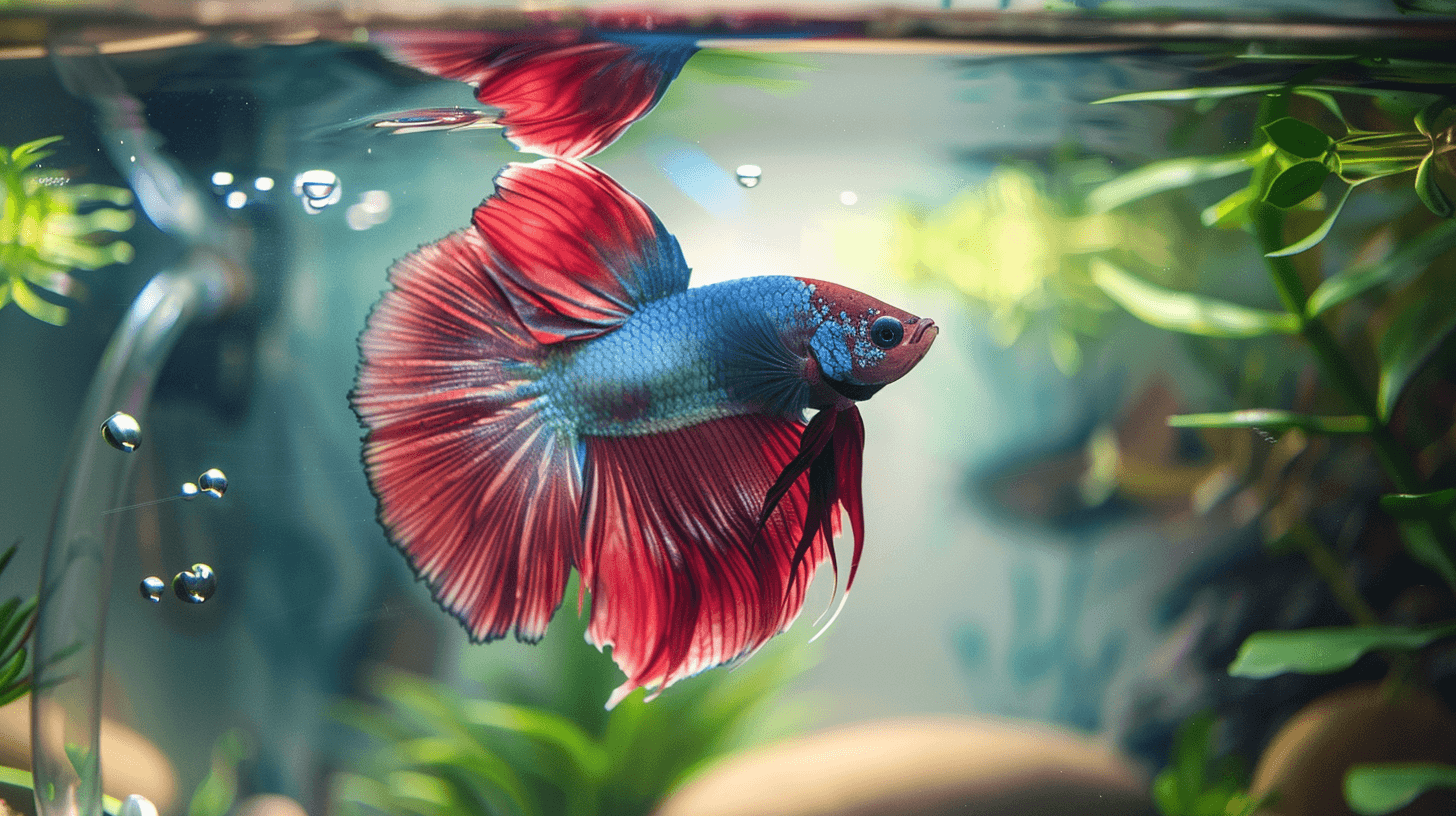
Regular water changes create a better environment. Your Betta will swim more and show natural colors.
Credit: jungleaquatics.com
Signs Your Betta Needs A Water Change
Keeping your betta fish healthy means changing the water regularly. Clean water helps your betta live longer and stay active.
Watch your betta closely. It will show signs when the water quality is poor and needs a change.
Cloudy Or Dirty Water
If the water looks cloudy or has particles floating, it means waste has built up. This is a clear sign to change the water.
Unpleasant Odor
Good water should not smell bad. If you notice a strong, fishy, or ammonia-like smell, your betta tank needs a water change.
Betta Shows Stress Or Illness
Your betta may hide, lose color, or stop eating when the water is dirty. These behaviors mean the tank water is unhealthy.
Presence Of Algae
Algae can grow quickly in dirty water. If you see green or brown layers on the tank walls, it is time for a water change.
Water Testing Results
| Tested Parameter | Safe Level | Signs to Change Water |
| Ammonia | 0 ppm | Above 0 ppm |
| Nitrite | 0 ppm | Above 0 ppm |
| Nitrate | Less than 20 ppm | Above 20 ppm |
| pH Level | 6.5 to 7.5 | Outside this range |
Choosing The Right Water For Your Betta
Your betta fish needs clean, safe water to stay healthy. Picking the right water helps your betta live longer.
This guide explains how to choose and prepare water for betta tank changes.
Using Tap Water Safely
Tap water can have chemicals like chlorine that harm bettas. You must treat tap water before adding it to the tank.
Let tap water sit out for 24 hours. This allows some chemicals to evaporate. Always test water before use.
- Use a water conditioner to remove chlorine and chloramine
- Check for heavy metals in your tap water
- Do not use water softeners or additives not made for fish tanks
Water Conditioning Essentials
Water conditioners make tap water safe by neutralizing harmful chemicals. Always add conditioner before putting water in the tank.
Conditioners also protect your betta’s slime coat. This coat keeps your fish healthy and safe from infections.
- Use a conditioner that removes chlorine and chloramine
- Choose products that detoxify heavy metals
- Follow the instructions on the conditioner bottle carefully
Ideal Temperature And Ph Levels
Bettas need water at the right temperature and pH to stay healthy. Too cold or too hot water can stress your fish.
The best temperature range is between 76°F and 82°F. The pH level should be neutral or slightly acidic.
| Water Parameter | Ideal Range |
|---|---|
| Temperature | 76°F – 82°F (24°C – 28°C) |
| pH Level | 6.5 – 7.5 |

Credit: nocleanaquariums.com
How Often To Change Betta Tank Water
Changing the water in a betta tank is important for your fish’s health. Clean water helps prevent diseases and keeps your betta happy.
How often you change the water depends on the size of the tank and other factors. Let’s explore these aspects further.
Small Vs. Large Tanks
Small tanks, under five gallons, need water changes more often. Changing 25% of the water every week is recommended.
Large tanks, over five gallons, can go longer between changes. Every two weeks is usually enough for these tanks.
- Small tanks: Change 25% weekly
- Large tanks: Change 25% biweekly
Factors Affecting Frequency
Several factors affect how often you should change the water. The number of fish, plants, and filter type all play a role.
If you have many fish, change the water more often. More fish produce more waste, which dirties the water quickly.
| Factor | Impact on Frequency |
| Number of fish | More fish = more frequent changes |
| Plants | Help clean water naturally |
| Filter type | Better filters = less frequent changes |
Step-by-step Water Change Process
Changing the water in your betta tank keeps your fish healthy. It removes waste and keeps the water clean. Follow these steps to do it right.
This guide shows how to prepare water, remove old water, clean the tank, and add new water safely.
Preparing The Replacement Water
Start by preparing fresh water for the tank. Use clean, chlorine-free water at room temperature. This helps avoid stress for your betta fish.
You can use a water conditioner to remove chlorine and chloramines. Let the water sit for 24 hours if you do not use a conditioner.
- Use tap water or filtered water
- Treat water with a conditioner
- Match water temperature to the tank
- Let water sit if no conditioner is used
Removing Old Water
Next, remove about 25-50% of the old water. Use a siphon or a cup to take water out slowly. This keeps your betta safe from sudden changes.
Remove debris and fish waste from the tank while taking out the water. Avoid disturbing your betta too much during this process.
- Use a siphon or cup
- Remove 25-50% of the water
- Clear debris from the tank bottom
- Work gently around your betta
Cleaning The Tank And Decorations
Clean the tank walls and decorations carefully. Use a soft cloth or sponge to avoid scratches. Do not use soap or chemicals.
Remove algae buildup and dirt. Clean decorations by rinsing them in warm water. This helps keep the tank environment safe.
- Use a soft cloth or sponge
- Avoid soap or chemicals
- Rinse decorations with warm water
- Remove algae and dirt gently
Adding New Water Safely
Slowly add the prepared water back to the tank. Pour water gently to avoid stressing your betta. Check the temperature again before adding.
Fill the tank to the right level. Keep water conditions stable by testing regularly and adjusting if needed.
- Pour water slowly and gently
- Match new water temperature to tank
- Fill to the correct water level
- Test water conditions often
Common Mistakes To Avoid
Changing your betta tank water is important for your fish’s health. Doing it wrong can harm your betta. Avoid these common mistakes to keep your fish happy.
Knowing what not to do helps you keep the water clean and safe. Read on to learn the mistakes many betta owners make.
Changing Too Much Water At Once
Changing too much water at once can stress your betta fish. Sudden changes in water can shock their system.
It is better to change about 20-30% of the water regularly. This keeps the tank stable and safe for your fish.
- Large water changes can remove beneficial bacteria
- Stress from big changes can cause illness
- Small, regular changes keep the tank healthy
Ignoring Water Temperature Differences
Adding water that is too cold or too hot can shock your betta fish. Temperature changes can cause stress or sickness.
Always match the new water temperature to the tank water. Use a thermometer to check before adding water.
- Use a heater to keep water temperature steady
- Mix new water with tank water to balance temperature
- Avoid sudden temperature changes during water changes
Using Harmful Cleaning Products
Cleaning your tank with harsh chemicals can poison your betta fish. Many household cleaners are unsafe for fish tanks.
Use only tank-safe products or warm water and a soft cloth to clean decorations and tank walls.
- Avoid soap, bleach, and detergents
- Rinse everything well with fresh water
- Use aquarium-safe cleaners if needed
Maintaining Water Quality Between Changes
Keeping the water clean in your betta tank is vital. It helps your fish stay healthy and thrive. Regular monitoring and maintenance can prevent problems.
Between water changes, focus on monitoring water conditions. Use tools and practices to keep water quality high.
Monitoring Ammonia And Nitrate Levels
Ammonia and nitrate levels can harm your betta. Testing water regularly is important. Use test kits to check these levels weekly.
| Parameter | Ideal Level |
| Ammonia | 0 ppm |
| Nitrate | Below 20 ppm |
Using Filters And Aeration
Filters help keep the tank clean by removing debris. Aeration increases oxygen levels for your fish. Ensure filters are clean and working well.
- Choose a filter suitable for the tank size
- Clean the filter media every month
- Check air pumps for proper function
Feeding Tips To Reduce Waste
Feeding your betta the right way reduces waste in the tank. Overfeeding can increase waste and harm water quality.
Feed your betta once or twice a day. Only give what they can eat in 2 minutes.
Frequently Asked Questions
How Often Should I Change Water In A Betta Tank?
Change 25-30% of the water weekly to maintain cleanliness. Regular water changes prevent toxin buildup and keep Betta fish healthy.
What Is The Best Water Temperature For Betta Fish?
Keep Betta tank water between 76°F and 82°F. Stable temperature supports Betta’s immune system and overall well-being.
How Do I Safely Change Betta Tank Water?
Use a siphon to remove old water gently. Replace with dechlorinated, temperature-matched water to avoid stressing your Betta.
Can I Use Tap Water For Betta Tanks?
Yes, but treat tap water with a dechlorinator first. This removes harmful chemicals and makes it safe for Betta fish.
Conclusion
Changing Betta tank water keeps your fish healthy and happy. Clean water prevents illness and supports good growth. Regular water changes remove waste and harmful chemicals. Use fresh, treated water at the right temperature. Avoid changing all the water at once to reduce stress.
Stick to a schedule that fits your tank size. Watch your Betta’s behavior for signs of water problems. Simple steps make a big difference in tank care. Your Betta will thank you with bright colors and energy. Small efforts lead to a thriving, beautiful aquarium.