
If you want your betta fish to thrive, oxygen in their tank is a must. Without enough oxygen, your betta can become stressed, sick, or worse.
But how do you keep your tank perfectly oxygenated without making it complicated? You’ll discover simple, practical tips that anyone can use to boost oxygen levels in your betta’s home. Whether you’re new to fishkeeping or looking to improve your setup, these easy steps will help your betta stay healthy and lively.
Keep reading—you’ll be surprised how small changes can make a big difference!

Credit: www.reddit.com
Choosing The Right Tank Size
Choosing the right tank size is important for your betta fish’s health. A proper tank helps keep oxygen levels stable and provides enough space.
Small tanks can cause low oxygen and stress. Bigger tanks give better water flow and oxygen supply.
Ideal Dimensions For Oxygen Flow
A tank that is wider rather than tall improves oxygen flow. Surface area affects how much oxygen enters the water.
Shallow tanks with larger surface areas allow more air to reach the water. This helps keep oxygen levels high for your betta.
- Choose tanks with a large surface area for better oxygen exchange
- A tank depth between 10 to 12 inches works well
- Length and width should be at least 10 inches each
- Avoid very tall tanks with small openings
Space Requirements For Active Bettas
Active bettas need more space to swim and breathe easily. Crowded tanks can limit their movement and reduce oxygen.
A tank of at least 5 gallons gives enough room for activity and better oxygen flow. More space helps keep your betta happy.
- Minimum 5 gallons for one active betta
- Provide open swimming areas without clutter
- Use gentle filtration to avoid strong currents
- Keep water clean to maintain oxygen levels
Using Air Pumps And Stones
Betta fish need enough oxygen to stay healthy. Using air pumps and air stones helps add oxygen to the tank water.
These tools create bubbles and water movement. This improves oxygen levels and keeps the water fresh for your betta.
Benefits Of Air Pumps
Air pumps push air into the tank. This increases oxygen in the water, which bettas need to breathe.
Air pumps also help move the water. This stops the tank from having dead spots with low oxygen.
- Raises oxygen levels in the tank
- Improves water circulation
- Helps keep water clean
- Reduces harmful gases in water
- Supports healthy fish behavior
Placement Of Air Stones For Maximum Oxygenation
Air stones spread air bubbles evenly in the tank. Place them where water flows well for better oxygen spread.
Keep air stones away from the tank bottom corners. Place them near the middle or sides for best results.
- Put air stones near the tank’s center or sides
- Avoid corners to stop bubble buildup
- Use more than one stone in large tanks
- Clean stones regularly to keep bubbles steady
- Connect stones to a quiet air pump
Incorporating Live Plants
Live plants are great for betta tanks. They help with oxygenation and look nice. Adding plants can make bettas feel at home.
Plants can also help keep the water clean. They absorb waste and provide hiding spots for bettas. It’s important to pick the right plants for your tank.
Top Oxygenating Plants For Betta Tanks
Some plants are better at adding oxygen to the water. These plants are easy to care for and perfect for betta tanks.
- Java Fern: Needs low light and grows slowly.
- Anubias: Tough plant that bettas love to hide under.
- Hornwort: Fast-growing and helps with water quality.
- Amazon Sword: Large leaves provide shade and hiding spots.
Balancing Plant And Fish Needs
It’s important to balance the needs of plants and fish. Bettas need space to swim, and plants need room to grow.
Too many plants can make it hard for bettas to move. Start with a few plants and add more slowly. Watch how your betta interacts with the plants.
- Give bettas open areas to swim freely.
- Trim plants if they start to take over.
- Check water quality to ensure both fish and plants are healthy.
- Use a gentle filter to keep water moving without harming the plants.

Credit: www.reddit.com
Regular Water Changes
Regular water changes keep your Betta tank healthy. They remove waste and keep oxygen levels stable.
Changing water often helps your fish stay active and happy. It also prevents harmful buildup in the tank.
Frequency And Volume Guidelines
Change water based on your tank size and number of fish. Smaller tanks need more frequent changes.
Replace part of the water to keep the environment balanced. Avoid changing all water at once to reduce stress.
- For tanks under 5 gallons, change 25-30% weekly
- For tanks 5-10 gallons, change 20-25% every week
- For larger tanks, change 15-20% every two weeks
- Use dechlorinated water to protect your Betta
Effects On Oxygen Levels
Fresh water adds oxygen to the tank. This helps your Betta breathe easier and stay active.
Cleaning water removes waste that can lower oxygen. Good water quality means better oxygen flow.
- Oxygen dissolves better in clean, fresh water
- Waste buildup reduces oxygen available to fish
- Regular water changes keep oxygen levels steady
- Higher oxygen helps Betta stay healthy and vibrant
Maintaining Water Temperature
Keeping the right water temperature is key for your betta fish’s oxygen levels. Water temperature affects how much oxygen can dissolve in the tank. This guide helps you maintain the best temperature for your betta’s health.
Optimal Range For Oxygen Solubility
Oxygen dissolves better in cooler water. Betta fish thrive in water temperatures between 76°F and 80°F (24°C to 27°C). Staying within this range helps the water hold enough oxygen for your fish.
- Keep water temperature steady to avoid oxygen drops
- Use a reliable aquarium heater with a thermostat
- Check temperature daily with a thermometer
- Lower temperature slightly if oxygen levels drop
Avoiding Overheating
Water that is too warm holds less oxygen. High temperatures can stress your betta and reduce oxygen levels. Avoid placing the tank near heat sources or in direct sunlight.
| Temperature (°F) | Oxygen Solubility (mg/L) |
|---|---|
| 72°F | 8.3 |
| 76°F | 7.9 |
| 80°F | 7.5 |
| 84°F | 7.1 |
| 88°F | 6.7 |
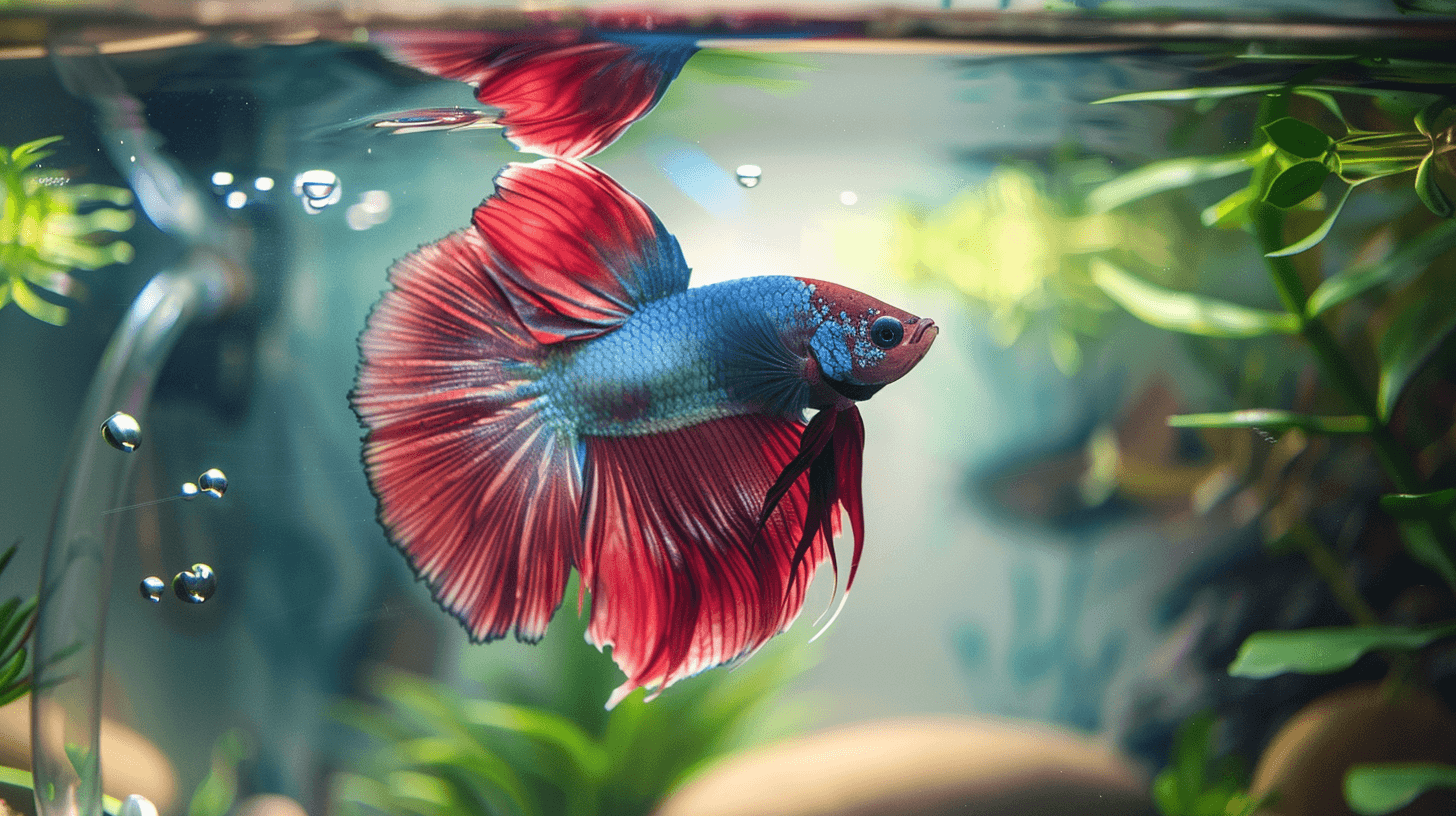
Credit: jungleaquatics.com
Surface Agitation Techniques
Oxygen is important for Betta fish health. Surface agitation helps gas exchange. It moves water to bring fresh oxygen in.
There are easy ways to create gentle water movement. This guide covers filters and DIY tricks for your Betta tank.
Using Filters For Gentle Water Movement
Filters can improve oxygen levels by moving water gently. Choose filters made for small tanks. They create soft flow without stressing Bettas.
- Use sponge filters to avoid strong currents.
- Adjust filter flow speed to low or medium.
- Place the filter output near the water surface.
- Clean filters regularly to keep water clear.
- Check that the water flows evenly across the tank.
Diy Methods To Increase Surface Exchange
You can increase surface agitation without a filter. Simple tools help move water and add oxygen.
| Method | Description | Benefits |
| Airstone with Air Pump | Creates bubbles that rise and move surface water. | Easy to set up and controls flow strength. |
| Waterfall Effect | Water flows down a small ramp or surface. | Increases surface contact with air gently. |
| Manual Surface Skimming | Use a clean cup or net to stir surface lightly. | Good for short-term oxygen boost. |
Monitoring Oxygen Levels
Keeping the oxygen levels right is key for a healthy Betta tank. Bettas need enough oxygen to breathe and stay active.
Checking oxygen often helps prevent problems before they start. You can do this easily at home with simple tools.
Using Oxygen Test Kits
Oxygen test kits measure how much oxygen is in the water. These kits come with color charts and testing strips or liquid reagents.
To test, dip a strip or add drops to a water sample. Then compare the color change to the chart. This tells you the oxygen level.
- Choose a kit made for aquarium water
- Test at the same time daily for best results
- Follow kit instructions carefully
- Keep a record of oxygen levels to track changes
Signs Of Low Oxygen In Bettas
Bettas show clear signs if oxygen is too low. Watching your fish helps catch issues fast.
Some common signs include slow swimming, gasping at the surface, and pale fins or gills.
- Fish stay near the surface more than usual
- Less active or hiding more often
- Fast or heavy breathing movements
- Fins lose color or look weak
Avoiding Overcrowding And Overfeeding
Betta fish need a balanced environment for a healthy life. Overcrowding and overfeeding affect oxygen levels in their tank.
Proper management ensures your Betta fish have enough oxygen to thrive. Let’s explore important tips.
Impact On Oxygen Demand
More fish in a tank means higher oxygen consumption. Each fish needs space to swim and breathe comfortably.
- Avoid adding too many fish to a single tank.
- Ensure water circulation to help oxygenate the tank.
- Use live plants that produce oxygen during photosynthesis.
Best Practices For Feeding
Overfeeding increases waste, reducing water quality and oxygen levels. Feed your Betta fish wisely to maintain a clean tank.
| Feeding Time | Recommended Amount |
| Morning | 2-3 Pellets |
| Evening | 2-3 Pellets |
Observe your fish during feeding to ensure they eat all the food. Remove any uneaten food to keep the tank clean.
Frequently Asked Questions
How Can I Improve Oxygen Levels In My Betta Tank?
Use an air stone or small filter to increase water movement. Live plants also help produce oxygen naturally during daylight hours.
Why Is Oxygenation Important For Betta Fish?
Proper oxygen levels keep Betta fish healthy and active. Low oxygen causes stress and can lead to illness or death.
Can Live Plants Boost Oxygen In Betta Tanks?
Yes, live plants release oxygen through photosynthesis. They also absorb harmful toxins, improving overall water quality.
How Often Should I Aerate My Betta Tank?
Aerate daily or use continuous filtration to maintain oxygen. Monitor fish behavior to adjust aeration if needed.
Conclusion
Good oxygen levels keep your Betta fish healthy and happy. Use air stones or small filters to add oxygen. Change water regularly to avoid low oxygen problems. Watch your Betta’s behavior for signs of stress. Clean tanks help maintain clear, oxygen-rich water.
Small steps can make a big difference. Keep your Betta tank well-oxygenated for a lively fish. Simple care means a strong, vibrant Betta. Your fish will thank you with bright colors and energy.