
Keeping your Betta fish healthy and happy starts with the right tank care. If you want to see vibrant colors and lively behavior, you need to give your Betta the best home possible.
But tank maintenance can feel tricky or overwhelming, especially if you’re new to fishkeeping. Don’t worry—this guide will show you simple, effective tips to make your Betta’s tank a clean and comfortable space. By following these easy steps, you’ll avoid common mistakes that harm your fish and ensure your Betta thrives every day.
Ready to become a Betta tank pro? Let’s dive in.

Credit: www.reddit.com
Choosing The Right Tank
Choosing the right tank is important for your betta fish health. A good tank gives enough space and comfort. It also helps maintain clean water and proper temperature.
This guide covers the ideal tank size, tank materials, and placement tips. These points help you pick the best tank for your betta fish.
Ideal Tank Size
Betta fish need enough room to swim and explore. Small bowls stress the fish and cause poor water quality. Choose a tank that holds at least 5 gallons.
- A minimum of 5 gallons keeps water stable
- More space means better oxygen levels
- Provides room for plants and decorations
- Easy to maintain clean water
Selecting Tank Material
Tanks come in glass or acrylic. Each has pros and cons. Glass tanks resist scratches but weigh more. Acrylic tanks are lighter but scratch easier.
| Material | Advantages | Disadvantages |
| Glass | Clear view, scratch resistant, affordable | Heavy, can break if dropped |
| Acrylic | Lightweight, stronger impact resistance | Scratches easily, costs more |
Placement Tips
Place your betta tank where it stays stable and safe. Avoid direct sunlight and cold drafts. Keep it away from loud noises and busy areas.
- Choose a level surface that supports the tank weight
- Keep the tank out of direct sunlight to prevent algae growth
- Do not place near heaters or air conditioners
- Place away from windows with strong drafts
- Ensure easy access for feeding and cleaning
Setting Up The Aquarium
Setting up a betta tank is the first step to keep your fish healthy and happy. You need to prepare the tank carefully before introducing your betta.
Focus on the right substrate, decorations, plants, and water conditions. These elements create a good home for your betta fish.
Substrate Options
Choose a substrate that looks nice and supports your betta’s needs. It also helps with tank cleanliness and plant growth.
- Gravel: Easy to clean and good for decorations.
- Sand: Soft on betta fins and natural looking.
- Plant substrate: Rich in nutrients for live plants.
- No substrate: Simple but may look plain.
Decor And Plants
Decorations and plants give your betta places to hide and explore. Choose smooth items to avoid fin damage.
| Type | Benefits | Examples |
| Live Plants | Improve water quality and offer hiding spots | Anubias, Java Fern, Marimo Moss Balls |
| Artificial Plants | Low maintenance, no risk of pests | Silk plants, plastic plants with smooth edges |
| Decor Items | Create shelter and decoration | Clay pots, caves, driftwood |
Water Parameters
Keep water clean and stable. Betta fish need specific water conditions to thrive.
- Temperature: Keep between 76°F and 82°F (24°C to 28°C).
- pH level: Aim for 6.5 to 7.5 for balanced water.
- Water changes: Replace 25% weekly to reduce waste.
- Use a gentle filter to avoid strong currents.
Regular Cleaning Routine
Keeping a Betta tank clean is important for your fish’s health. A regular cleaning routine helps avoid diseases and keeps the water clear.
Cleaning the tank does not have to be hard. Doing small tasks often is better than big cleanings rarely.
Partial Water Changes
Change about 20-30% of the tank water weekly. This keeps the water fresh and removes waste. Use clean, treated water to avoid harming your Betta.
Do not change all the water at once. Sudden changes can stress your fish.
- Use a siphon to remove water and debris
- Refill with water at the same temperature
- Use a water conditioner to remove chlorine
Filter Maintenance
Clean the filter every two to four weeks. This keeps it working well and removes harmful buildup. Rinse filter parts in tank water, not tap water, to keep beneficial bacteria alive.
Replace filter media only when needed. Too much change can harm the tank’s balance.
- Turn off filter before cleaning
- Use old tank water to rinse filter parts
- Check for blockages and clean gently
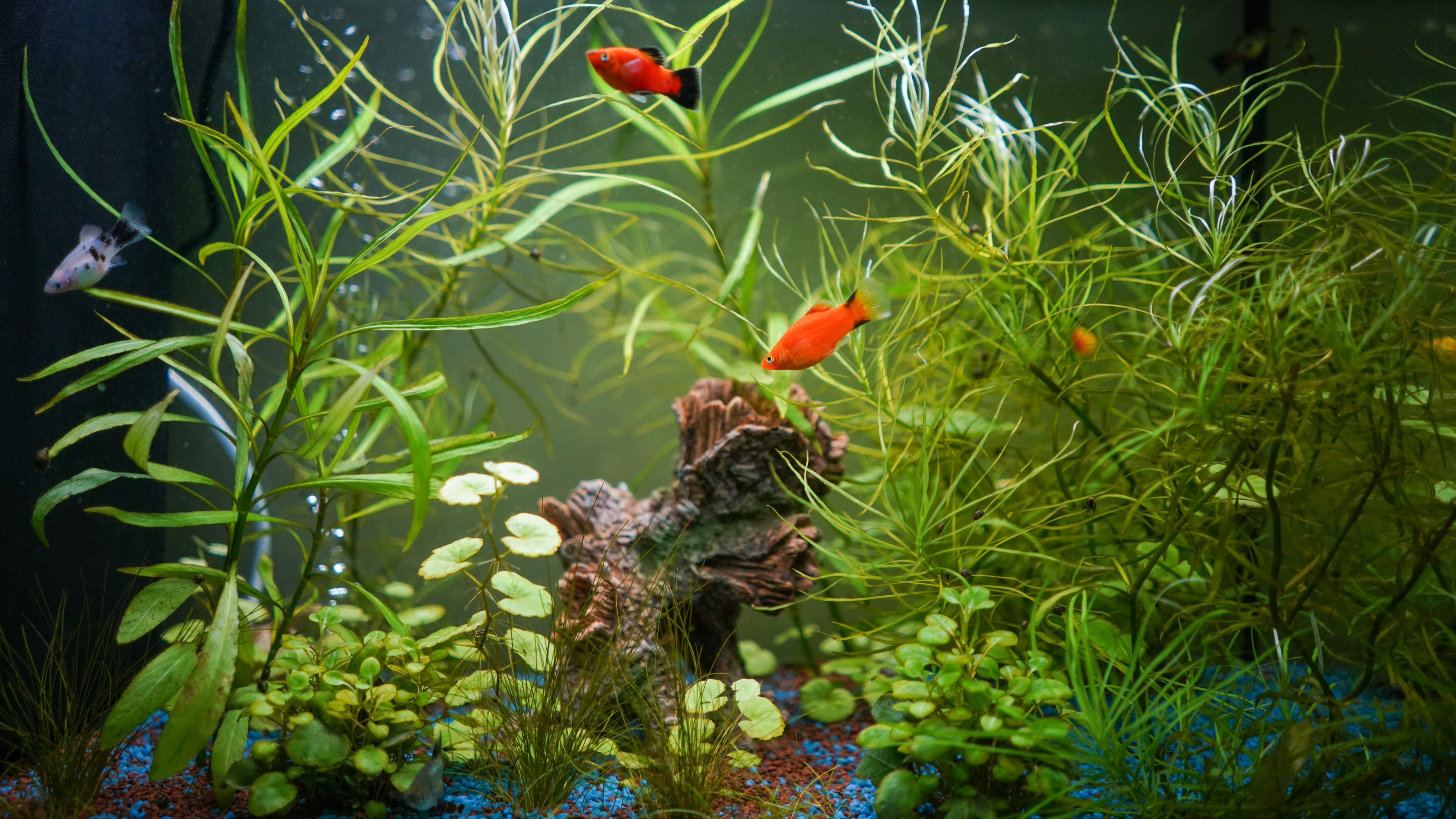
Cleaning Decorations And Glass
Remove decorations and clean them monthly. Use warm water and a soft brush to remove algae and dirt. Avoid soap or chemicals that can harm fish.
Clean the glass inside the tank regularly. Use an algae scraper or magnetic cleaner to keep the view clear.
- Soak decorations in warm water if algae is tough
- Use a soft cloth or sponge for glass cleaning
- Do not use harsh chemicals or soap
Credit: www.petsradar.com
Monitoring Water Quality
Keeping your betta fish healthy needs good water quality. Checking water regularly helps catch problems early. It keeps your fish safe and happy.
Water quality depends on many things. Testing key parts of the water will guide you on what to fix or change. Let’s look at the main points to watch.
Testing Parameters
Test water for pH, hardness, ammonia, nitrites, and nitrates. Use test kits made for aquariums. Test at least once a week for best results.
- pH shows how acidic or basic the water is
- Hardness tells the amount of minerals in the water
- Ammonia and nitrites are toxic to fish
- Nitrate is less toxic but should stay low
Adjusting Ph And Hardness
Betta fish like water with a pH between 6.5 and 7.5. Hardness should be moderate. Use products or natural methods to change these levels safely.
| Parameter | Ideal Range | Adjustment Method |
| pH | 6.5 – 7.5 | Add pH adjusters or use driftwood |
| Hardness (GH) | 3 – 5 dGH | Use mineral supplements or water changes |
Managing Ammonia And Nitrate Levels
Ammonia and nitrates harm fish. Keep ammonia at zero and nitrates below 20 ppm. Regular water changes help control these levels.
- Test water often for ammonia and nitrates
- Do 25% water changes weekly to reduce toxins
- Remove uneaten food and waste quickly
- Use live plants to absorb nitrates naturally
Feeding Best Practices
Feeding your betta fish the right way keeps them healthy and active. It is important to choose the correct food and feed the right amount.
Understanding feeding frequency and avoiding overfeeding will help maintain clean water and a happy fish.
Choosing Proper Food
Betta fish need food high in protein. Look for pellets or flakes made just for bettas. You can also feed them frozen or live foods like brine shrimp or bloodworms.
- Choose betta-specific pellets or flakes
- Use frozen or live foods occasionally
- Avoid foods made for other fish types
- Check ingredients for high protein content
Feeding Frequency
Feed your betta fish small amounts twice a day. This schedule keeps them healthy without overloading their system.
| Time of Day | Amount of Food |
| Morning | 2-3 pellets or equivalent flakes |
| Evening | 2-3 pellets or equivalent flakes |
Avoiding Overfeeding
Overfeeding can cause water pollution and harm your betta. Feed only what they can eat in two minutes.
- Feed small portions at each meal
- Remove uneaten food after feeding
- Watch your betta for signs of fullness
- Do not feed extra treats often
Health And Behavior Checks
Regular health and behavior checks are vital for your Betta fish. They help you spot issues early and keep your Betta happy and healthy.
Observing your Betta’s behavior and appearance can prevent serious health problems. Let’s explore key areas to monitor.
Recognizing Stress Signs
Stress can harm your Betta’s health, leading to illness. Look for these signs to identify stress:
- Faded color or dull appearance
- Clamped fins
- Hiding or lethargy
- Refusal to eat
Common Illnesses
Bettas are prone to certain illnesses that require immediate attention. Knowing these can help you act quickly:
| Illness | Symptoms |
| Ich | White spots on body |
| Fin Rot | Frayed fins |
| Swim Bladder Disorder | Difficulty swimming |
Quarantine Procedures
Quarantining new or sick Bettas protects the rest of your tank. Here’s a simple quarantine procedure to follow:
- Set up a separate tank with clean, conditioned water.
- Monitor the fish for at least 2 weeks.
- Look for any signs of illness or stress.
Temperature And Lighting Control
Maintaining the right environment for your Betta fish is crucial. Temperature and lighting are key factors in ensuring their health. Proper control of these elements keeps your Betta happy and vibrant.
Let’s explore how to manage temperature and lighting for a thriving Betta tank. Each section will guide you on maintaining optimal conditions.
Optimal Temperature Range
Bettas thrive in specific temperature ranges. Keeping the tank within this range is essential for their well-being.
| Temperature Range | Effect on Betta |
| 74-78°F | Optimal comfort |
| 68-73°F | Slow metabolism |
| 79-82°F | Increased activity |
Lighting Duration
Lighting affects Betta’s sleep and activity. A consistent lighting schedule mimics their natural habitat.
- Provide 8-10 hours of light daily.
- Use LED lights to reduce heat.
- Ensure a dark period for rest.
Using Heaters And Timers
Heaters and timers automate temperature and lighting. This makes maintenance easier and more reliable.
Consider a programmable heater to maintain steady temperatures. Timers help regulate light exposure, ensuring a healthy routine for your Betta.

Credit: www.reddit.com
Frequently Asked Questions
How Often Should I Clean My Betta Tank?
Clean your Betta tank weekly to remove waste and toxins. Partial water changes of 20-30% keep water fresh and safe. Avoid full cleaning to preserve beneficial bacteria essential for a healthy tank environment.
What Is The Ideal Water Temperature For Bettas?
Maintain water temperature between 76°F and 82°F. Bettas are tropical fish and need warm water to stay healthy. Use an aquarium heater and thermometer to ensure consistent, stable temperatures in the tank.
How Do I Prevent Algae Growth In Betta Tanks?
Limit light exposure to 8-10 hours daily to control algae. Avoid overfeeding as leftover food promotes algae growth. Regular water changes and adding live plants can naturally reduce algae buildup.
Can I Use Tap Water For My Betta Tank?
Tap water is safe if treated with a water conditioner. Chlorine and chloramine in tap water can harm Bettas. Always use a dechlorinator before adding tap water to the tank.
Conclusion
Caring for your betta tank keeps your fish healthy and happy. Clean water and regular checks make a big difference. Change water often and remove leftover food. Keep the tank at a steady temperature. Watch your betta’s behavior for signs of stress.
Small actions help your fish live longer. A clean tank creates a bright, lively home. Enjoy the beauty of your betta every day. Simple steps lead to great results. Your betta will thank you with vibrant colors and energy.