
If you keep betta fish in a tank, understanding their social hierarchy is key to a peaceful and healthy environment. You might have noticed your bettas acting territorial or aggressive, but do you know why?
Knowing how bettas establish their place in the tank can help you prevent fights and stress, making your fish happier and more vibrant. You’ll discover how bettas interact, what their social ranks mean, and how you can create the perfect setup for your aquatic friends.
Keep reading to unlock the secrets of betta social behavior and transform your tank into a harmonious home.
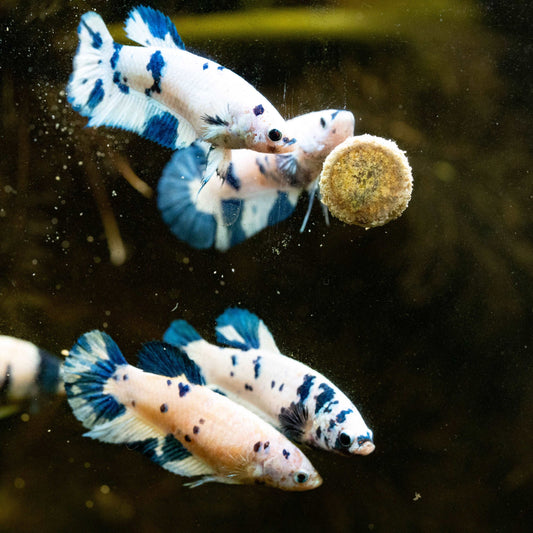
Credit: tropicflow.com
Betta Behavior In Captivity
Betta fish show many natural behaviors even in tanks. Understanding these helps keep them healthy and happy. Their behavior can change based on their environment and tank mates.
Knowing how bettas act in captivity helps you create a better home for them. This guide explains their instincts, territorial nature, and social interactions.
Natural Instincts
Bettas have strong natural instincts that guide their actions. They are born to survive in shallow waters with many plants. Their instincts help them find food and avoid danger.
- Bettas breathe air from the surface using a special organ.
- They flare their fins to appear bigger when threatened.
- Male bettas build bubble nests to protect eggs.
- They hunt small insects or larvae in the wild.
Territorial Nature
Bettas strongly defend their space in a tank. Male bettas especially guard their territory from other males. This behavior can cause fights if they share a tank.
| Behavior | Reason |
| Fin flaring | Show dominance or threat |
| Chasing | Drive intruders away |
| Biting | Defend territory |
| Bubble nest building | Mark territory and attract females |
Social Interactions
Bettas interact differently depending on their tank mates. Some bettas accept peaceful fish nearby. Others prefer to live alone to avoid stress.
Key points about betta social behavior:
- Male bettas usually do not live with other males.
- Female bettas can live in groups called sororities.
- Bettas recognize familiar fish and may show less aggression.
- Stress from poor social setup can cause illness.

Credit: www.youtube.com
Hierarchy Formation Among Bettas
Bettas form social hierarchies in their tanks to reduce fights. This helps them live with less stress.
Their ranks are based on strength and behavior. Dominant fish lead, while others follow.
Dominance Displays
Bettas show dominance by flaring fins and gill covers. They swim boldly to look bigger.
These displays warn others to stay away. Aggressive postures help avoid real fights.
- Flaring fins wide
- Raising body posture
- Chasing tank mates
- Showing bright colors
Establishing Territory
Bettas claim small areas in the tank as their own space. They defend these spots from others.
Good territory gives access to food and shelter. Dominant fish guard the best places closely.
- Choosing hiding spots
- Guarding plants or decorations
- Patrolling tank sections
Recognizing Subordinates
Dominant bettas learn which fish are weaker. Subordinates show less bold behavior to avoid fights.
They swim lower or hide more often. Dominant fish allow subordinates to keep some space.
- Subordinates avoid eye contact
- Lower fin and body display
- Reduced chasing and flaring
Signs Of Dominance And Submission
Betta fish show clear signs of who is dominant and who is submissive. These signs help keep peace in the tank. Understanding them helps you care for your fish better.
Dominance and submission are shown through color, fin movements, and body posture. Each signal tells a story about the fish’s place in the social hierarchy.
Color Changes
Dominant bettas often have brighter and more vivid colors. Submission can cause a fish to look dull or faded. Color changes help fish show mood and rank without fighting.
- Bright colors mean confidence and control.
- Dull colors show fear or submission.
- Rapid color changes can signal stress or challenge.
Fin Flaring
Flaring fins is a common way for bettas to show dominance. It makes them look bigger and stronger. Submissive fish keep their fins tight and small.
| Behavior | Dominant Fish | Submissive Fish |
| Fin Position | Fully flared and spread wide | Folded close to body |
| Frequency | Often during encounters | Rare or never |
| Purpose | Show strength and threat | Avoid conflict |
Body Posture
Body posture shows who leads the tank. Dominant bettas swim upright and hold their head high. Submissive fish stay low and move away quickly.
Signs of dominant body posture include:
- Straight and tall swimming
- Expanded gill covers
- Direct eye contact with rivals
- Slow, confident movements

Credit: www.reddit.com
Maintaining Peace In A Betta Tank
Betta fish are known for their bright colors and bold personalities. They can be aggressive, so keeping peace in their tank is important.
Creating a calm environment helps reduce stress and fights among bettas. This guide covers key ways to maintain harmony in your tank.
Tank Size And Layout
A larger tank gives bettas enough space to swim and avoid each other. Crowding causes stress and fighting.
- Use at least a 5-gallon tank for one betta
- Divide the tank if keeping more than one male betta
- Arrange decorations to break sight lines
- Provide open swimming areas and resting spots
Hiding Spots And Plants
Hiding places allow bettas to feel safe and reduce stress. Live or silk plants offer cover and soften the tank’s look.
| Type | Benefit |
|---|---|
| Live Plants | Improve water quality, natural hiding spots |
| Silk Plants | Safe for fins, colorful cover |
| Caves and Ornaments | Private retreats, reduce aggression |
Compatible Tank Mates
Choosing the right tank mates keeps peace with bettas. Avoid other male bettas or fin-nipping fish.
- Small peaceful fish like neon tetras or corydoras
- Bottom dwellers that stay away from betta territory
- Snails and shrimp for cleaning and activity
- Avoid bright or aggressive species
Managing Aggression
Betta fish show strong aggression in tanks. This behavior can harm other fish. Managing their aggression is key to a peaceful tank.
Understanding how to control fights helps keep Bettas safe and healthy. Use proper methods to reduce stress and injury.
Separating Bettas
Keep male Bettas apart to stop fighting. Use dividers or separate tanks to prevent contact. Females can be kept together but watch closely.
- Use clear tank dividers to separate fish visually.
- Provide at least 10 gallons per Betta in separate tanks.
- Move aggressive fish immediately if signs of injury appear.
- Keep hiding spots to reduce stress during separation.
Distraction Techniques
Distract Bettas to lower aggression levels. Use toys, plants, and visual barriers inside the tank. Change decorations regularly to keep their interest.
| Distraction Method | Purpose |
| Floating plants | Block direct sight lines |
| Mirrors (brief use) | Redirect aggression safely |
| Tank decorations | Provide hiding places |
| Light changes | Calm or stimulate activity |
Monitoring Behavior
Watch Bettas daily for signs of stress or fighting. Early detection helps prevent serious harm. Note any changes in color, fin damage, or chasing.
- Check for torn fins or wounds.
- Observe how often Bettas flare or chase.
- Look for hiding or lethargic behavior.
- Record behavior changes in a journal.
Benefits Of A Balanced Betta Community
Keeping a balanced Betta community in your tank can lead to many benefits. Understanding these can help you create a healthy environment for your fish.
A harmonious Betta tank reduces stress, boosts health, and enhances activity. Each benefit contributes to a thriving aquatic ecosystem.
Reduced Stress
Stress in Betta fish can lead to health problems. A balanced community helps minimize stress levels.
- Proper tank mates reduce aggressive behavior.
- Ample space prevents territorial disputes.
- Consistent water conditions keep Betta calm.
Improved Health
Healthier Betta fish live longer and are more vibrant. A balanced community promotes overall well-being.
| Factor | Health Benefit |
| Clean Water | Reduces risk of disease |
| Proper Diet | Enhances color and vitality |
| Peaceful Environment | Minimizes stress-related illnesses |
Enhanced Activity
Active Betta fish are more engaging and fun to watch. A balanced tank encourages natural behaviors.
Frequently Asked Questions
What Is Betta Social Hierarchy In A Tank?
Betta social hierarchy is the ranking system among bettas in a tank. Dominant males show aggression to establish control. Subordinate bettas avoid confrontation to maintain peace. This hierarchy affects feeding, territory, and breeding behavior.
How Do Bettas Establish Dominance In A Tank?
Bettas use flaring fins, chasing, and biting to show dominance. Larger, more aggressive males usually become dominant. Dominance is reinforced through repeated displays and minor fights. This behavior helps reduce constant fighting by setting clear rank.
Can Multiple Male Bettas Live Peacefully Together?
Multiple male bettas rarely live peacefully in a small tank. They are territorial and aggressive toward each other. A large, heavily planted tank with separate territories may reduce aggression. Usually, housing one male per tank is recommended for peace.
How Does Tank Size Affect Betta Social Behavior?
A larger tank provides more space for territory and hiding spots. This reduces aggression and stress among bettas. Small tanks force close contact, increasing fights and dominance struggles. Proper tank size promotes a healthier social hierarchy.
Conclusion
Understanding betta social hierarchy helps keep your tank peaceful. Bettas show clear ranks to avoid constant fighting. Dominant fish claim space, while others keep distance. Knowing their behavior lets you arrange the tank better. This reduces stress and keeps your fish healthy.
Watching their interactions can be quite interesting. Respect their natural social rules for a happy tank. Careful planning makes betta keeping more enjoyable. Simple steps lead to a balanced and calm environment. Your bettas will thrive with proper social understanding.