
If you’re passionate about Betta fish, you know there’s something special about spotting a rare tail type. But how do you tell the difference between common and rare tails?
Identifying these unique features isn’t just fun—it can help you understand your Betta better and even boost its value. In this guide, you’ll discover clear, simple ways to recognize rare Betta tail types. By the end, you’ll feel confident spotting these beautiful variations every time you look at your fish.
Ready to become a Betta tail expert? Let’s dive in.
Common Betta Tail Types
Betta fish have many tail types that make them unique. Each tail shape shows different beauty and style.
Knowing these tail types helps you identify and appreciate rare bettas. Let’s explore some common tail types.
Veil Tail
The veil tail is the most common type in bettas. It has a long, flowing tail that hangs down like a veil.
This tail is soft and round at the edges. It moves gently when the fish swims.
Crowntail
Crowntail bettas have tails with long rays that look like a crown. The fins have deep rays with webbing cut away.
This tail gives the fish a spiky and unique look. The rays spread wide, making the tail look like a star.
Halfmoon
The halfmoon tail forms a perfect 180-degree spread. It looks like a large, round fan or a half moon.
This tail is very wide and flat, showing off the fish’s colors beautifully. It is a favorite among many betta owners.
Double Tail
Double tail bettas have two distinct tail lobes. This split tail grows from the base, making it look like two tails.
The double tail is rare and gives the fish a fuller and unique look. It also has extra fin rays for strength.
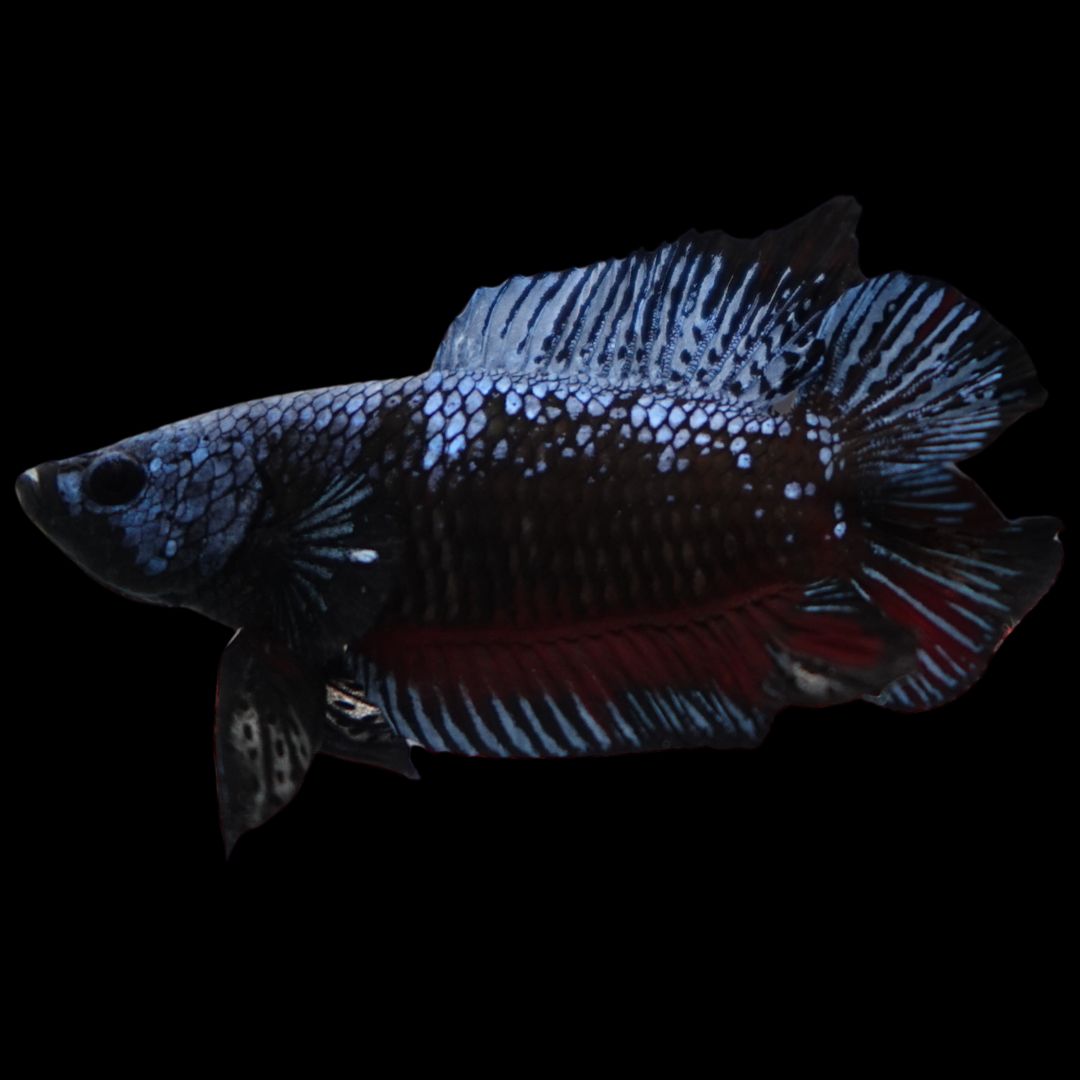
Credit: thailandbettafish.com
Rare Betta Tail Varieties
Betta fish have many tail types. Some tail types are rare and unique.
Knowing rare tails helps you identify special bettas. These tails differ in shape and size.
Feather Tail
The feather tail has thin, delicate rays that look like feathers. Its tail rays spread wide and are soft.
This tail is less common and looks very light. It gives the betta a soft, floating look.
Plakat Double Tail
The Plakat Double Tail shows two distinct tail lobes. It looks like the tail splits into two parts.
This tail is strong and short. It is popular among betta fighters because of its shape.
Delta Tail
The Delta tail is shaped like a triangle. The tail spreads wide but is not very long.
This tail is common but rare in some betta types. It has straight edges and a broad look.
- Wide tail spread
- Triangle shape
- Short to medium length
Rosetail
The Rosetail tail is thick and full. It has many layers of fins that look like rose petals.
This tail is rare and looks very fancy. The edges are frilled and wavy, giving a flower-like look.
Distinctive Fin Shapes And Features
Betta fish have many rare tail types. Each type has unique fin shapes and features.
Knowing these fin details helps identify rare Betta varieties correctly.
Fringed Edges
Fringed edges show a torn or ragged look on the fins. It looks like the fin edges are slightly shredded.
This feature gives the fins a delicate, feathery appearance. It is different from smooth fin edges.
Spiked Fins
Spiked fins have pointed tips that stick out sharply. These fins look like small spikes or rays.
This fin type stands out for its sharp and aggressive shape. It adds a dramatic look to the fish.
Layered Fins
Layered fins have several overlapping fin layers. Each layer sits above or below another.
This creates a thick, textured look. The fins appear fuller and more complex.
Extended Rays
Extended rays are long, thin fin extensions. These rays stretch beyond the main fin edge.
They add length and elegance to the fins. This feature makes the tail look more dramatic.

Credit: thailandbettafish.com
Color Patterns Linked To Tail Types
Betta fish have many tail types. Their color patterns often match their tail shape. This helps identify rare Betta types.
Colors and tails work together to make each Betta unique. Knowing these patterns helps hobbyists spot rare breeds.
Marble Patterns
Marble patterns show random patches of color on the Betta’s body and tail. The colors can change over time.
These patterns look best on Betta fish with flowing tails. The marble effect appears like swirling paint.
- Colors vary from white, black, red, blue, and green
- Tail types like Halfmoon and Veiltail show marble well
- Patterns change as the fish grows
Metallic Sheen
Some Betta tails shine with a metallic look. This sheen makes colors look bright and shiny.
Metallic colors are common on Plakat and Crowntail Betta tails. The shine changes with light angles.
- Common metallic colors include gold, silver, and copper
- Shiny tails catch attention easily
- Metallic sheen can cover the whole tail or parts
Butterfly Markings
Butterfly markings show two or more colors on the Betta’s tail edges. The center is often a solid color.
This pattern suits tails like Halfmoon and Delta. The colors look like butterfly wings.
- Common colors are white, red, blue, and black
- Edges have a different color than the base
- Creates a clear contrast on wide tails
Solid Colors
Solid colors cover the whole Betta tail in one shade. This simple look highlights the tail shape.
Solid colors are found on all tail types. They are popular for their clean and clear appearance.
- Colors include red, blue, black, white, and green
- Good for showing off unique tail shapes
- Easy to breed for consistent color
Tips For Identifying Rare Tails
Identifying rare Betta tails requires close attention to detail. Small differences in fin shape and movement can show a unique tail type.
Use simple methods to observe and measure fins. These tips help you spot rare Betta tail types with confidence.
Observing Fin Movement
Watch how the fins move when the Betta swims or flares. Rare tails often have distinct flow or flicks. Smooth, slow, or sharp movements can hint at the tail type.
Measuring Fin Proportions
Measure the length and width of each fin carefully. Use a ruler or caliper to get accurate results. Comparing these sizes helps separate common tails from rare ones.
| Fin Part | Common Tail Size | Rare Tail Size |
| Caudal Fin Length | 2-3 cm | 3-4.5 cm |
| Dorsal Fin Width | 1-2 cm | 2-3 cm |
| Anal Fin Length | 2-3 cm | 3-4 cm |
Comparing Symmetry
Look for symmetry in all fins. Rare tails may have perfect or unique symmetry that normal tails lack. Check both sides carefully.
- Check if fins on both sides match in size.
- Note any unusual shapes that repeat evenly.
- Spot uneven edges or tears that might hide tail type.
Consulting Expert Resources
Use books, websites, and forums made by Betta experts. They provide photos and descriptions of rare tails. Ask questions to get clear answers.
Experts often share:
- High-quality images of rare Betta tails
- Detailed guides on tail identification
- Tips for spotting subtle differences

Credit: www.reddit.com
Care And Maintenance For Unique Fins
Betta fish are known for their beautiful and unique tail types. These tails require special care to stay healthy. Proper maintenance ensures their fins remain vibrant and damage-free.
Understanding how to care for these unique fins is crucial. This guide helps you provide the best environment and care for your betta’s tail.
Tank Conditions
Bettas need a clean tank to thrive. Dirty water can harm their delicate fins. Change the water regularly to keep it fresh.
The tank should be spacious. A larger tank allows for better movement, reducing stress and preventing fin damage.
- Keep the water temperature between 76-81°F
- Use a gentle filter to avoid strong currents
- Decorate with smooth, fin-friendly plants
Diet And Nutrition
Proper diet keeps bettas healthy and their fins strong. Provide a balanced diet with high-quality betta pellets or flakes.
Occasional treats like brine shrimp or daphnia can be given. These help in enhancing their fin color and vitality.
- Feed them once or twice daily
- Remove uneaten food to maintain water quality
- Avoid overfeeding to prevent health issues
Handling Stress
Stress affects bettas and can lead to fin damage. Minimize sudden changes in their environment to keep them calm.
Provide hiding spots in the tank. These give them a sense of security and reduce stress.
- Keep tank away from loud noises
- Limit handling to prevent stress
- Observe their behavior for signs of distress
Preventing Fin Damage
Fin damage can occur from sharp objects or aggressive tank mates. Ensure that the tank is safe for your betta’s fins.
Regularly check for tears or splits in the fins. Quick treatment helps in faster recovery and prevents infection.
- Avoid sharp or rough decorations
- Choose peaceful tank mates
- Use aquarium salt for minor fin injuries
Frequently Asked Questions
What Are The Rare Betta Tail Types To Identify?
Rare Betta tail types include Halfmoon Double Tail, Rosetail, and Crown Tail. Each has unique fin shapes and patterns. Identifying these helps in breeding and care. Knowing rare tails enhances your Betta knowledge and appreciation.
How To Recognize A Halfmoon Double Tail Betta?
Halfmoon Double Tail Bettas have a full 180-degree tail spread. Their tail splits into two distinct lobes. This rare feature makes them highly sought after. The fins are symmetrical and create a fan-like appearance.
Why Is Rosetail Betta Tail Type Special?
Rosetail Bettas have exaggerated, frilled fins resembling rose petals. Their tail edges are highly branched and ruffled. This tail type is prized for its beauty and uniqueness. It requires extra care due to delicate fins.
What Distinguishes A Crown Tail Betta From Others?
Crown Tail Bettas have tail rays extending beyond the webbing. This creates a spiky, crown-like appearance. The tail is less rounded and more angular. This rare tail type is visually striking and popular among enthusiasts.
Conclusion
Identifying rare Betta tail types helps you appreciate their beauty. Each tail shape shows unique colors and patterns. Knowing these types guides you in choosing the right Betta. It also helps you care for them better. Keep learning about Betta tails to enjoy your fish more.
This knowledge makes your aquarium more interesting and lively. Explore and share what you discover about these amazing fish.