
Choosing the right betta pair can make all the difference in creating a vibrant, healthy aquarium. But how do you know which bettas will get along and which might cause trouble?
If you want to avoid costly mistakes and enjoy a beautiful tank full of lively fish, this guide is exactly what you need. You’ll discover simple tips and proven strategies to pick the perfect betta pair every time. Keep reading, and you’ll soon feel confident about making your betta selection like a true expert.
Choosing Compatible Betta Types
Choosing the right betta pairs is key for a healthy tank. Compatibility helps reduce fights and stress.
Learn how to pick bettas based on color, tail type, age, and size for better harmony.
Color And Pattern Matching
Colors and patterns affect how bettas react to each other. Some colors may cause aggression.
Matching or contrasting colors can calm or excite bettas. Choose pairs that show less threat.
- Similar colors often reduce fighting
- Bright colors may cause more competition
- Patterns like marble or solid affect recognition
Tail Types And Compatibility
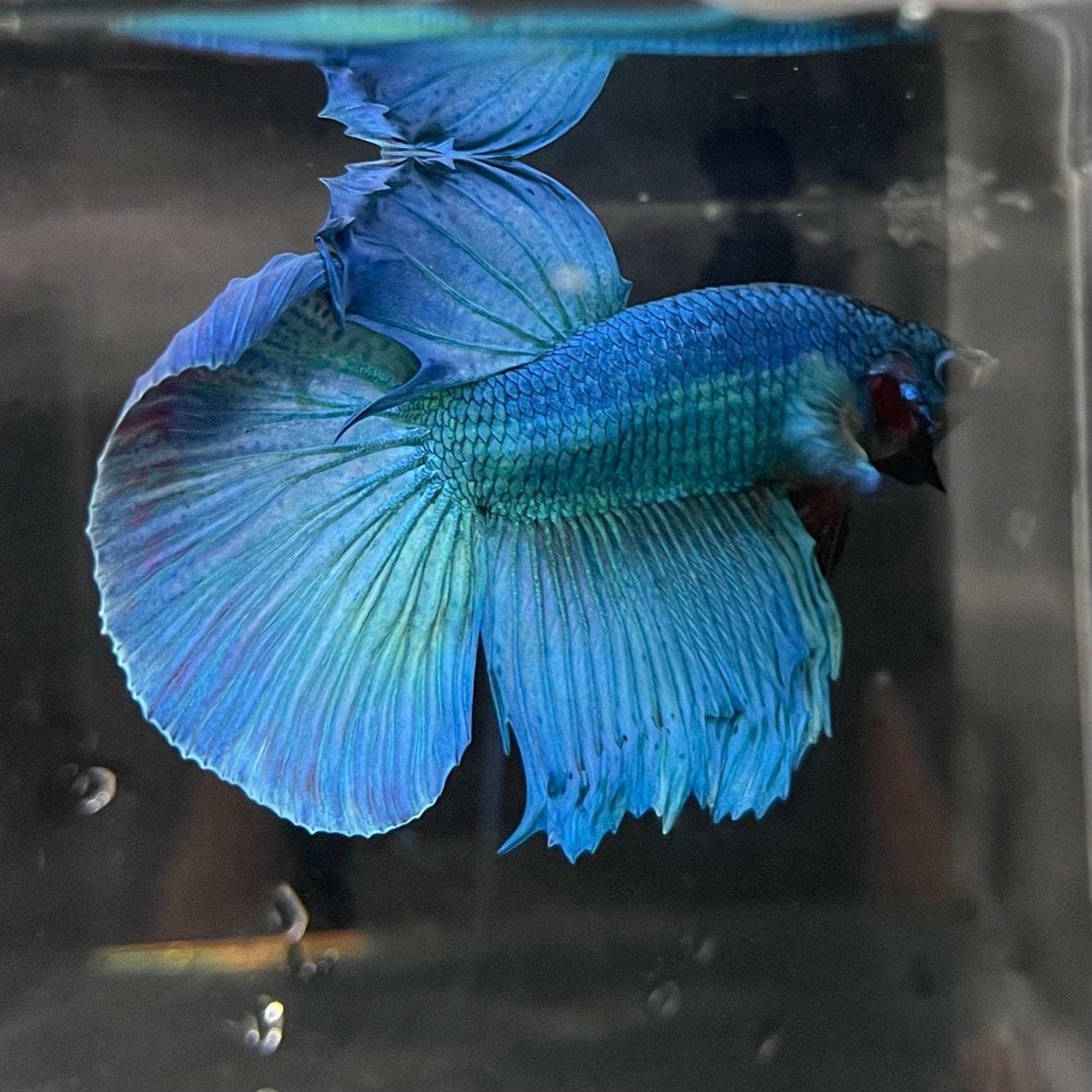
Tail shape influences betta behavior. Some tail types are more aggressive or shy.
Pair bettas with compatible tail types to avoid stress and injury. Avoid mixing very different tails.
- Veil tails are calm but fragile
- Crowntails may be more aggressive
- Halfmoons need careful pairing
- Delta tails balance beauty and calmness
Age And Size Considerations
Age and size affect dominance. Larger or older bettas may bully smaller ones.
Pair bettas close in age and size for fair fights and less stress. Avoid huge size gaps.
- Young bettas grow fast; match sizes accordingly
- Older bettas tend to be more territorial
- Equal size reduces chances of injury
- Watch growth to adjust pairs as needed
Credit: thefishfarm.com.au
Behavioral Traits To Watch
Choosing the right betta fish pair needs careful observation. Watch their behavior closely to ensure harmony. Understanding key traits helps prevent fights and stress.
This guide covers aggression levels, temperament differences, and signs of stress. Use these points to pick compatible bettas for your tank.
Aggression Levels
Bettas show different aggression levels, which affect pairing success. Some are highly aggressive, while others stay calm. Watch how they react to other fish carefully.
- Highly aggressive bettas flare fins and chase others.
- Moderate aggression shows occasional displays but no attacks.
- Low aggression bettas swim calmly near others without threat.
- Observe males especially; they tend to be more territorial.
Temperament Differences
Temperament varies between bettas and affects how they live together. Some are shy, others bold. Matching temperaments reduces conflict risk.
| Temperament | Behavior | Compatibility Tips |
| Shy | Hides behind plants, avoids confrontation | Pair with calm, non-aggressive fish |
| Bold | Explores tank openly, may challenge others | Needs space and clear boundaries |
| Curious | Investigates new objects and fish | Good with peaceful companions |
Signs Of Stress And Compatibility
Stress signals help identify if bettas do not get along. Watch for changes in behavior or appearance. Early detection avoids serious harm.
Common stress signs include:
- Clamped fins held close to the body
- Loss of color or faded patterns
- Resting at the tank bottom or hiding
- Refusal to eat or sudden appetite loss
- Excessive chasing or biting
Check compatibility by observing interactions daily. Separate fish if stress signs appear or fights start.
Setting Up The Ideal Environment
Choosing the right environment helps Betta pairs live well together. A good setup reduces stress and fights.
This guide covers tank size, hiding spots, plants, water conditions, and temperature for Betta pairs.
Tank Size And Layout
Use a tank large enough to give both Bettas space. Small tanks cause fights and stress.
Divide the tank if needed, but keep it open enough for swimming. Avoid tight spaces.
- Minimum 10 gallons for one Betta pair
- Use visual barriers like plants or decorations
- Keep open swimming areas in the center
Hiding Spots And Plants
Bettas need places to hide. Hiding spots lower stress and stop fights.
Use live or silk plants and caves for cover. Avoid sharp objects that can hurt them.
- Live plants like Java fern or Anubias
- Silk plants are gentle and safe
- Small caves or pots as hiding spots
- Avoid plastic plants with sharp edges
Water Conditions And Temperature
Clean water is key for Betta health. Keep water clear with regular changes.
Maintain steady temperature between 76°F and 82°F. Use a heater and thermometer to check.
- pH level: 6.5 to 7.5
- Temperature: 76°F to 82°F (24°C to 28°C)
- Change 25% of water weekly
- Use gentle filters to avoid strong currents
Credit: jungleaquatics.com
Introducing Bettas Safely
Introducing bettas to a shared tank requires care and patience. Bettas can be aggressive, so safety is key.
Following the right steps helps reduce stress and prevents injury for both fish. This guide covers safe introduction methods.
Quarantine Procedures
Quarantining new bettas before introducing them protects your main tank. It helps catch diseases early and reduces stress.
- Set up a separate tank with proper filtration and heating.
- Keep the new betta isolated for at least two weeks.
- Observe for any signs of illness or unusual behavior.
- Perform water changes regularly to maintain cleanliness.
- Only introduce the betta after it appears healthy and active.
Gradual Introduction Techniques
Introducing bettas slowly helps them get used to each other. Sudden contact can cause fights or stress.
Methods for gradual introduction:
- Use a clear divider in the tank to separate the fish.
- Place bettas in separate containers within the same tank.
- Allow visual contact for several days without physical interaction.
- Watch their reactions to gauge readiness for full introduction.
Monitoring Interaction
Watch the bettas closely after introduction. Early signs of aggression need quick attention.
| Behavior | What it Means | Action |
| Flaring fins but no chasing | Normal territorial display | Monitor closely but no action needed |
| Chasing or biting | Aggression that can cause harm | Separate bettas immediately |
| Hiding or lethargy | Stress or fear | Give more hiding spots and reduce interaction |
| Peaceful swimming near each other | Good signs of acceptance | Continue monitoring |
Troubleshooting Common Issues
Pairing bettas can be tricky. They often show problems that need quick fixes.
Knowing how to handle these issues helps keep your fish healthy and safe.
Handling Aggression
Bettas are known for their aggression. They may fight when placed together.
Watch for flaring fins, chasing, or biting. These signs show tension between fish.
- Use a divider to separate them temporarily
- Add plenty of plants or hiding spots
- Introduce fish slowly and watch closely
- Keep the tank size large enough for space
Dealing With Health Problems
Health issues can arise from stress or poor water conditions.
Look for signs like faded colors, clamped fins, or strange swimming.
- Test water quality regularly for ammonia and nitrites
- Keep water temperature stable between 76-82°F (24-28°C)
- Feed bettas a balanced diet with quality food
- Remove sick fish to a quarantine tank if needed
When To Separate Bettas
Knowing when to separate bettas prevents injuries and stress.
Separate them if fights cause injury or if one fish hides all the time.
- If aggression lasts more than a few hours
- When one fish stops eating or looks weak
- If fin damage or wounds appear
- If one fish shows signs of stress or illness
Breeding Considerations
Breeding Betta fish requires careful planning. Selecting the right pairs is crucial for successful breeding.
Understanding spawning triggers and how to care for the fry ensures healthy growth.
Selecting Breeding Pairs
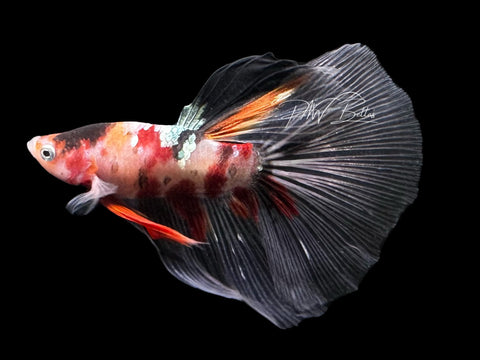
Choose Betta pairs with desired traits. Healthy fish produce strong offspring.
- Look for vibrant colors and clear fins
- Ensure both are active and responsive
- Avoid any signs of illness or stress
Spawning Triggers
Spawning triggers help initiate breeding. Create the right environment to encourage spawning.
| Trigger | Action |
| Temperature | Raise water temperature slightly |
| Lighting | Provide adequate lighting |
| Feeding | Feed high-protein diet |
Caring For Fry
After spawning, fry care is essential. Provide a safe and nurturing environment.
- Monitor water parameters regularly
- Feed fry with suitable food
- Gradually introduce them to larger tanks
Credit: www.pnwbettas.com
Frequently Asked Questions
How To Choose Compatible Betta Fish Pairs?
Choose bettas with similar size, temperament, and age. Avoid aggressive or overly dominant fish. Introduce pairs slowly in divided tanks. Monitor behavior closely to prevent fighting and stress. Compatibility ensures peaceful coexistence and healthy breeding.
What Tank Setup Is Ideal For Betta Pair Selection?
Use a spacious tank with at least 10 gallons capacity. Provide hiding spots and plants for privacy. Maintain stable water temperature between 78-80°F. Use gentle filtration to avoid strong currents. Proper setup reduces stress and aggression in betta pairs.
When Is The Best Time To Introduce Betta Pairs?
Introduce pairs during breeding-ready maturity, usually at 4-6 months old. Introduce females first, then males in divided tanks. Observe their behavior for signs of aggression. Early careful introduction prevents fights and promotes successful pairing.
How To Identify Aggressive Betta Fish Before Pairing?
Look for flaring fins, chasing behavior, and frequent attacks. Avoid pairing overly territorial or stressed bettas. Choose calm, curious fish that tolerate others well. Early identification helps prevent fights and improves pairing success.
Conclusion
Choosing the right betta pair takes care and patience. Watch their behavior closely to spot signs of stress or aggression. Provide a safe space with enough hiding spots. Keep water clean and stable for their health. Remember, each betta fish is unique in personality.
Enjoy the process of learning about these beautiful fish. A happy betta pair brings joy to any aquarium. Care and attention make all the difference.