
Have you ever wondered why some Betta fish look so naturally vibrant, while others seem to glow with colors that almost feel unreal? If you’re curious about the difference between Betta natural colors and captive colors, you’re in the right place.
Understanding these differences can change the way you choose and care for your Betta fish. By the end of this article, you’ll know what makes each type unique and which one might be the perfect fit for your aquarium. Ready to dive into the colorful world of Bettas?
Let’s explore!
Betta Color Origins
Bettas are popular fish known for their bright colors. Their colors come from nature and human care. Understanding where these colors start helps fish lovers appreciate their beauty.
Wild bettas show natural colors made by genetics. Captive-bred bettas have more colors due to breeding efforts. Both types have unique looks and histories.
Natural Betta Hues
Wild bettas usually have earthy and muted colors. These colors help them hide in plants and water. Common natural colors include greens, browns, and blues.
- Green shades mimic pond plants
- Brown tones blend with mud and sand
- Blue hues reflect water and sky
- Red hints appear for mating signals
Captive Breeding Colors
Breeders have created many bright and unusual colors. These colors do not appear in the wild. The mix of genes gives bettas new looks that attract hobbyists.
| Color Type | Description |
| Solid Colors | Pure red, blue, black, or white |
| Marble | Swirling patches of different colors |
| Dragon Scale | Shiny, metallic scales with bright colors |
| Butterfly | Color bands on fins with contrasting edges |

Credit: www.reddit.com
Genetics Behind Betta Colors
Betta fish have many colors because of their genes. The colors come from natural genes and changes from breeding.
Understanding the genetics helps explain why wild and captive bettas look different.
Color Genes In Wild Bettas
Wild bettas have colors made by natural genes. These genes control pigments like red, blue, and green.
Their colors help them hide from predators and attract mates in the wild.
- Melanin gene controls black and brown shades
- Iridophores create shiny blue and green colors
- Erythrophores add red and orange pigments
- Xanthophores produce yellow shades
Selective Breeding Effects
Breeders change betta colors by choosing fish with special genes. This creates bright and new colors.
Selective breeding mixes genes to make unusual patterns and colors not seen in wild fish.
- Combining genes for blue and red makes purple colors
- Breeding for less melanin creates pale or white bettas
- New patterns come from mixing spotted and solid genes
- Genetic mutations can cause metallic or marble effects
Color Patterns And Varieties
Betta fish show many colors and patterns. These colors come from natural and captive breeding.
Natural colors often help bettas hide in their environment. Captive colors are bright and varied for hobbyists.
Common Natural Patterns
Wild bettas have patterns that blend with plants and water. These patterns help protect them from predators.
- Solid Color: A single, even color covering the body.
- Marbled: A mix of darker and lighter patches in irregular shapes.
- Striped: Thin vertical or horizontal stripes along the body.
- Spotted: Small dots scattered over the fins and body.
- Metallic Sheen: A shiny, reflective look that mimics light on water.
Unique Captive Patterns
Captive bettas have many bright and unusual patterns. Breeders select colors not found in the wild.
| Pattern Name | Description | Common Colors |
| Butterfly | Fins have a clear base with a dark edge. | Red, Blue, White |
| Dragon Scale | Thick, shiny scales that look like armor. | Gold, Silver, Green |
| Koi | Random patches of color on white or light body. | Orange, Black, White |
| Grizzle | Mottled mix of colors creating a speckled look. | Red, Blue, Purple |
| Mustard Gas | Bright yellow with red or orange highlights. | Yellow, Red, Orange |

Credit: earthlife.net
Health And Color Vibrancy
Betta fish are known for their bright colors and lively health. Their environment plays a big role in how vibrant and strong they stay. We compare natural and captive bettas to understand their color and health differences.
Natural bettas live in ponds and streams with changing conditions. Captive bettas live in tanks where humans control most factors. Both need care but show different traits in health and color.
Natural Betta Resilience
Wild bettas face many challenges in nature. They have strong immune systems because they adapt to changes in water and temperature. Their colors may look less bright but are often more complex and varied.
- Adapt to water changes and natural threats
- Show natural color patterns for camouflage
- Have strong health due to natural diet and environment
- Colors can fade during breeding or stress but recover naturally
Captive Betta Care Tips
Captive bettas need stable water and good food to keep color and health. Bright colors come from selective breeding and good tank care. Proper care helps prevent illness and keeps colors vibrant.
| Care Tip | Reason |
| Keep water clean and warm (78-80°F) | Prevents stress and disease |
| Feed varied diet with protein | Supports color and health |
| Provide plants or hiding spots | Reduces stress and improves immune system |
| Change water regularly | Removes toxins and keeps tank healthy |
Choosing Between Natural And Captive
Betta fish come in many colors, either natural or captive bred. Choosing between these types depends on your preferences and tank setup.
Natural Bettas show colors found in the wild. Captive Bettas have bright colors made by breeders.
Aesthetic Preferences
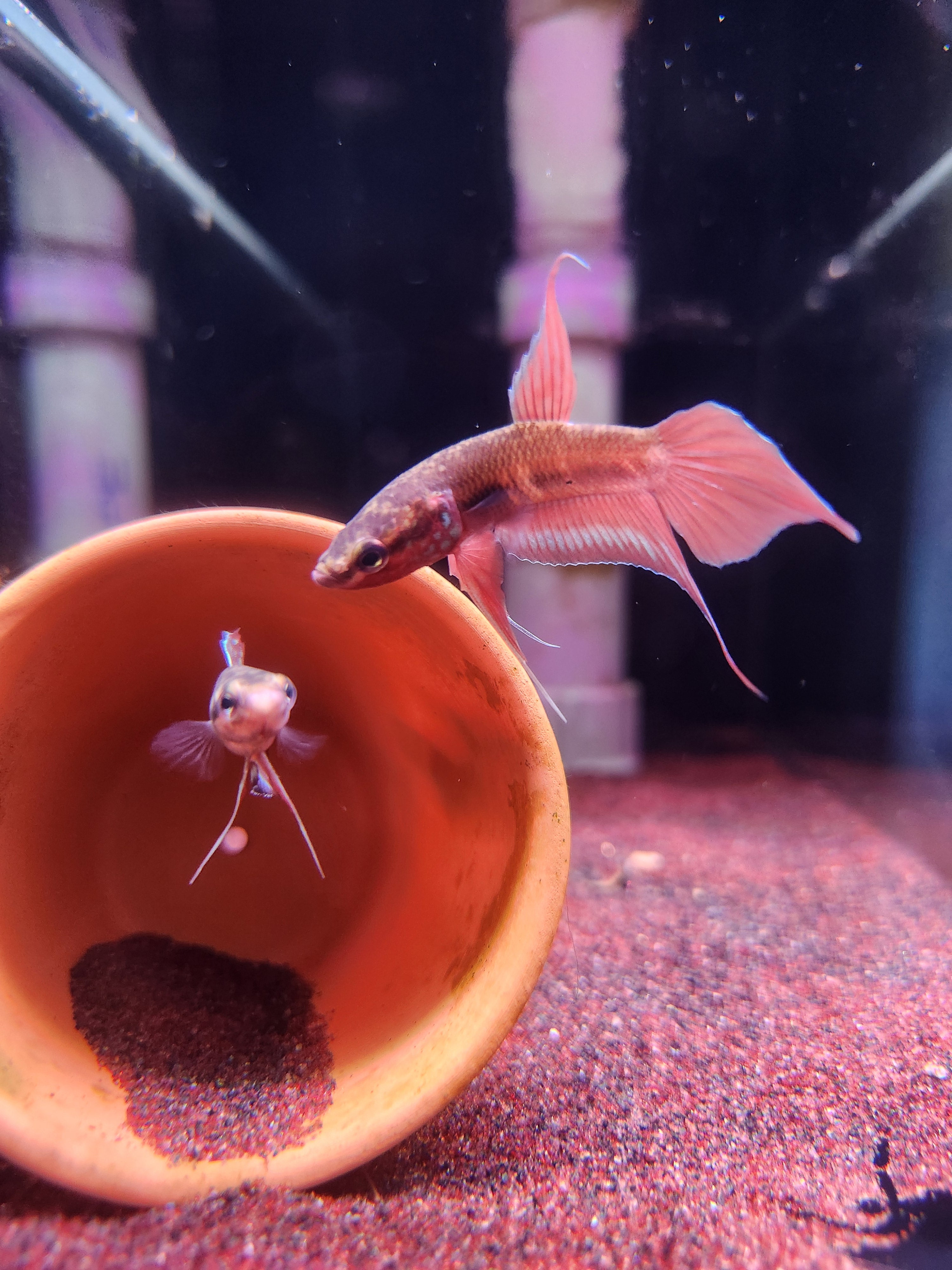
Natural Betta colors are usually earth tones like green, brown, and blue. They look soft and calm in a tank.
Captive Bettas have bright colors such as red, orange, and purple. Their colors can be solid or mixed in patterns.
- Natural colors suit a natural-looking tank
- Captive colors add brightness and variety
- Captive Bettas come in many unique color forms
- Natural Bettas feel closer to wild fish
Compatibility And Tank Setup
Natural Bettas often behave more like wild fish. They may be more aggressive or shy. Tank mates should be chosen carefully.
Captive Bettas are bred for calmness or show. They might be less aggressive but need safe spaces to hide.
- Natural Bettas need plants and hiding spots like their wild habitat
- Captive Bettas thrive with gentle tank mates and decorations
- Both types need clean water and proper tank size
- A calm environment reduces stress for all Bettas
Credit: ivenbetta.com
Maintaining Betta Colors
Betta fish are known for their vibrant colors. Keeping these colors bright requires care.
Natural and captive environments affect their color. Let’s explore how to maintain their vibrant hues.
Diet For Vibrant Colors
A betta’s diet plays a key role in color enhancement. Providing the right nutrients is crucial.
- Feed high-quality betta pellets.
- Include freeze-dried or live foods like brine shrimp.
- Consider color-enhancing flakes.
Environmental Factors
The environment also impacts betta colors. Maintaining water quality is essential.
| Factor | Importance |
| Water Temperature | Stable at 76-82°F |
| Lighting | Consistent, not too bright |
| Tank Cleanliness | Regular water changes |
Common Misconceptions
Betta fish are popular for their vibrant colors. Many myths surround their color stability. Natural and captive environments affect these hues.
Understanding these misconceptions helps in providing better care. Let’s explore the truth behind Betta color changes.
Color Stability Myths
Many believe Betta colors are permanent. This is not true. Colors change due to various reasons.
- Stress can dull Betta colors.
- Diet influences color vibrancy.
- Lighting conditions impact color perception.
Betta Behavior And Color
Betta behavior often links to color changes. Observing their actions can provide insights.
| Behavior | Possible Color Change |
| Flaring | Brighter hues |
| Hiding | Duller shades |
| Active swimming | Enhanced vibrancy |
Frequently Asked Questions
What Distinguishes Betta Natural Colors From Captive Colors?
Natural Betta colors come from wild genetics, showing earthy hues. Captive Betta colors are selectively bred for vibrant, diverse shades not often found in the wild. This breeding enhances brightness and patterns, making captive Bettas visually striking compared to their natural counterparts.
Are Captive Betta Colors Healthier Than Natural Ones?
Captive Betta colors don’t inherently affect health. Health depends on care, water quality, and diet. However, some captive Bettas may have genetic issues from inbreeding. Natural Bettas usually have stronger immune systems due to natural selection in the wild.
How Do Betta Natural And Captive Colors Affect Tank Setup?
Natural Betta colors blend well with natural, planted tanks. Their subdued hues suit calm, earthy environments. Captive Bettas with vivid colors stand out in vibrant, decorative tanks. Tank setup can enhance or contrast the Betta’s color, influencing visual appeal.
Can Betta Natural And Captive Colors Breed Successfully?
Yes, natural and captive Bettas can breed. Offspring may show mixed color traits from both parents. Breeding requires careful selection to maintain health and desired colors. Mixing can introduce new patterns but may reduce color consistency.
Conclusion
Betta fish show a wide range of colors, both natural and captive. Natural colors look simple and close to wild fish. Captive colors are bright and bold, made by breeders. Each type has its own charm and care needs. Choose what fits your style and tank.
Enjoying bettas means loving their beauty and health. Both natural and captive bettas bring joy to fish lovers. Keep learning about their care to keep them happy. The choice is yours, and both types shine in their own way.