
Are you curious about when your betta fish reaches its prime? Understanding your betta’s mature age is key to giving it the best care possible.
Knowing this helps you spot important changes in behavior, health, and needs. In this guide, you’ll discover exactly when your betta hits maturity and what that means for you as a pet owner. Keep reading to unlock the secrets that will help your betta thrive for years to come.
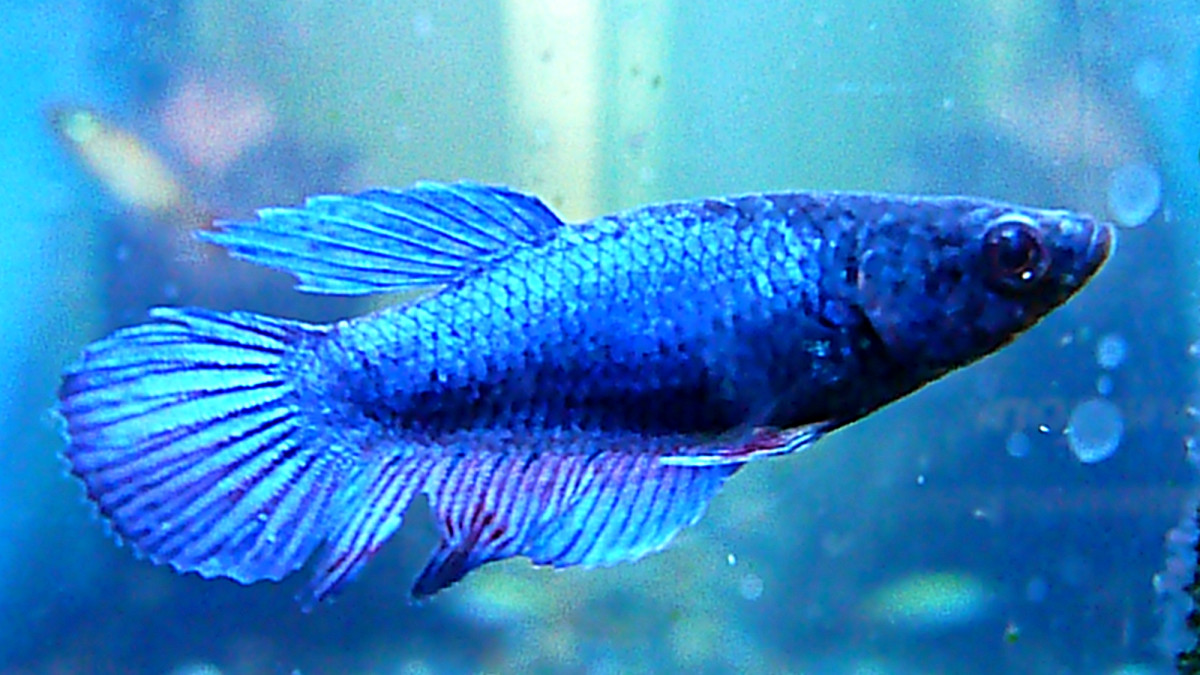
Credit: pethelpful.com
Betta Growth Stages
Betta fish grow through several stages before reaching full maturity. Each stage has unique needs and behaviors. Understanding these stages helps in caring for them properly.
Knowing the growth phases helps you provide the right environment and diet. This guide explains the main growth stages of betta fish.
From Fry To Juvenile
Fry are baby bettas that hatch from eggs. They are tiny and fragile at this stage. Fry need clean water and small food like infusoria or baby brine shrimp.
As fry grow, they become juveniles. Their fins start to develop, and they become more active. Juveniles need space to swim and a good protein-rich diet.
- Fry size: 3-5 mm at hatching
- Feed tiny live or powdered food
- Water temperature: 78-80°F (25-27°C)
- Change water often to keep clean
Adolescent Phase
In the adolescent phase, bettas grow quickly. Their colors start to show, and fins get longer. This phase lasts about 2 to 3 months.
Bettas need a balanced diet with flakes, pellets, and live food. They also need a tank with hiding places and gentle water flow.
- Size: about 1 to 2 inches
- Show early colors and fin shapes
- Feed high-quality pellets and live food
- Tank size: minimum 5 gallons
Adult Maturity
Adult bettas reach full size and color by 6 to 7 months old. Males show bright colors and long fins. Females have shorter fins and less bright colors.
Adults need stable water conditions and a good diet. They may become territorial and prefer living alone. Regular tank maintenance is important for their health.
- Size: 2.5 to 3 inches
- Bright colors and full fins
- Keep tank clean with weekly water changes
- Feed varied diet of pellets, frozen, and live food
Credit: jungleaquatics.com
Signs Of Betta Maturity
Betta fish show clear signs when they reach maturity. Knowing these signs helps you care for them well.
Physical, behavioral, and color changes all tell you your betta is grown up.
Physical Changes
As bettas mature, their body shape and size change. Their fins grow longer and look fuller. Males especially develop large, flowing fins. Females get a rounder body, especially when ready to breed.
- Fins become longer and more elaborate
- Body size increases noticeably
- Females may show an ovipositor, a small white spot near the vent
- Stronger muscle tone and sturdier bodies
Behavioral Shifts
Mature bettas act differently than young ones. They become more territorial and show aggression. Males flare their gills to look bigger. They build bubble nests on the water surface. Females become less shy and more active.
| Behavior | Young Betta | Mature Betta |
| Territoriality | Low | High |
| Bubble Nest Building | Rare | Common (males) |
| Activity Level | Moderate | High |
| Response to Other Fish | Shy | Aggressive |
Color Development
Colors deepen as bettas mature. Males especially show brighter and richer shades. Females also gain stronger colors but often less bright. Color changes help signal health and readiness to mate.
- Brighter blues and reds in males
- More iridescent scales
- Stronger contrast on fins and body
- Females show clearer patterns
Optimal Water Conditions
Betta fish need clean, stable water to stay healthy as they age. Good water conditions reduce stress and illness. Proper care helps them live longer and thrive.
Maintaining the right water settings is key for mature bettas. This guide covers the best temperature, pH, and water quality tips.
Temperature Range
Bettas prefer warm water to feel comfortable. Keep the water between 76°F and 82°F (24°C to 28°C). Avoid sudden temperature changes as they can cause stress.
Ph Levels
The pH level shows how acidic or basic the water is. Betta fish do best in slightly acidic to neutral water. The ideal pH range is 6.5 to 7.5.
- Test pH weekly with a reliable kit
- Use natural water conditioners if pH is off
- Change water carefully to keep pH stable
Water Quality Maintenance
Good water quality means clean water without harmful chemicals. Regular cleaning and testing keep the water safe for mature bettas.
| Maintenance Task | Frequency | Purpose |
|---|---|---|
| Partial water change | Once a week (20-30%) | Removes waste and toxins |
| Filter cleaning | Every 2-4 weeks | Ensures good water flow |
| Test ammonia, nitrite, nitrate | Weekly | Checks for harmful chemicals |
Nutrition For Growth
Proper nutrition is key for your betta’s healthy growth. Feeding the right food helps them develop strong muscles and vibrant colors.
Young bettas need more nutrients than adults. A balanced diet supports their energy and immune system.
Balanced Diet Choices
Betta fish require a mix of protein, fats, and vitamins. High protein foods help build muscle and support growth.
Choose foods made from quality ingredients. Avoid fillers that add little nutrition.
- Pellets formulated for bettas provide balanced nutrition
- Frozen or live foods like brine shrimp or bloodworms boost protein intake
- Avoid overfeeding with low-quality flakes
Feeding Frequency
Feed young bettas small amounts more often. This helps meet their energy needs without waste.
Adult bettas eat less but still need regular meals to stay healthy.
- Feed baby bettas 3-4 times daily
- Feed mature bettas 1-2 times daily
- Remove uneaten food to keep water clean
Supplements And Treats
Occasional treats give extra nutrients and keep bettas interested in food. Use supplements carefully.
Supplements can add vitamins or improve digestion. Treats should not replace regular meals.
- Use vitamin-enriched pellets for added nutrition
- Offer live or frozen treats once or twice a week
- Do not overfeed supplements to avoid health problems
Tank Setup For Mature Bettas
Mature Bettas need special care in their tank setup. Their environment should be calm and stable for a healthy life.
A well-planned tank setup helps mature Bettas thrive. This guide explains key aspects of setting up their tank.
Tank Size Recommendations
Mature Bettas need more space to swim comfortably. A larger tank helps reduce stress and keeps them happy.
- A minimum of 5 gallons is ideal for mature Bettas.
- Larger tanks provide better water quality stability.
- Extra space allows for more decor and hiding spots.
Decor And Hiding Spots
Decor and hiding spots are essential for mature Bettas. They provide security and mental stimulation.
- Use smooth rocks and driftwood for natural decor.
- Include plants for hiding and resting areas.
- Avoid sharp objects that can damage fins.
Filtration And Aeration
Proper filtration and aeration are crucial for mature Bettas. They keep the water clean and oxygenated.
- Choose a filter with adjustable flow to prevent strong currents.
- A sponge filter is gentle and effective for Bettas.
- Ensure good aeration to maintain oxygen levels.
Health Monitoring Tips
Betta fish need special care as they age. Monitoring their health is important. This guide helps you keep your betta healthy.
Regular checks can prevent diseases. Knowing what to look for helps your betta live longer.
Common Diseases
Bettas can suffer from various diseases. Spotting symptoms early is key. Common diseases in bettas include fin rot and ich.
- Fin rot: Look for frayed fins and discoloration.
- Ich: Watch for white spots on the body.
- Bacterial infections: Notice swollen or red areas.
Stress Indicators
Stress affects betta health. Recognizing stress signs can help you act fast. Stress can weaken your betta’s immune system.
- Clamped fins: Fins held close to the body.
- Color fading: Dull or pale appearance.
- Erratic swimming: Unusual or rapid movements.
Preventive Care
Prevention is better than cure. Regular care keeps your betta healthy. Simple steps can make a big difference.
- Clean tank regularly: Remove uneaten food and waste.
- Maintain water temperature: Keep it between 76-80°F.
- Provide a balanced diet: Use high-quality betta food.
Breeding Considerations
Breeding bettas requires attention to their age and behavior. Knowing when they are ready helps improve success rates.
Each betta shows different signs when mature. Proper pairing and a good spawning environment are important for healthy fry.
Maturity Signs For Breeding
Male bettas develop bright colors and long fins as they mature. Females show a round belly and vertical stripes when ready to breed.
- Active swimming and flaring gills in males
- Visible ovipositor (small white spot) in females
- Strong appetite and alertness
- Age of 4 to 6 months is typical for breeding
Pairing Tips
Introduce the male and female slowly to avoid aggression. Use a clear divider at first so they can see but not touch.
| Tip | Details |
| Separate Introduction | Use a tank divider for 2-3 days |
| Observe Behavior | Look for flaring and bubble nest building |
| Release Female | Remove divider only when male is calm |
| Monitor Closely | Watch for aggression and separate if needed |
Spawning Environment
The tank must be warm and calm. Clean water and hiding spots help the female feel safe during spawning.
- Water temperature around 78-80°F (25-27°C)
- Soft, still water with no strong currents
- Floating plants or gentle cover for hiding
- Low light to reduce stress

Credit: www.reddit.com
Frequently Asked Questions
What Age Do Betta Fish Reach Maturity?
Betta fish typically reach maturity at 4 to 6 months old. At this stage, they develop full color and fins. Maturity means they can breed and show adult behavior patterns.
How Can I Tell If My Betta Is Mature?
A mature Betta shows vibrant colors and long, flowing fins. It also displays territorial behavior and may flare its gills. These signs usually appear after 4 months of age.
When Do Betta Fish Stop Growing?
Betta fish usually stop growing around 6 to 7 months old. After this, their size remains stable, although color and fin development continue. Proper care influences their growth rate and final size.
How Long Do Mature Betta Fish Live?
Mature Betta fish live about 2 to 4 years with good care. Factors like water quality, diet, and tank conditions affect their lifespan. Regular maintenance extends their healthy years.
Conclusion
Betta fish reach maturity around 4 to 6 months old. At this age, they develop bright colors and stronger fins. Knowing their mature age helps you care for them better. It also guides you in setting up a healthy tank.
Remember, healthy diet and clean water keep Bettas happy. Watch for signs of growth and changes in behavior. Patience is key to raising a beautiful Betta fish. Enjoy the process and your colorful companion.