
Are you looking to raise Betta fish that stand out with vibrant colors and strong health? Choosing a high-quality bloodline is the secret to achieving stunning, long-lasting results.
Your Betta’s beauty and vitality start with the right genetics, and selecting top-tier bloodlines can make all the difference. You’ll discover how to identify and select Betta fish with superior bloodlines that will elevate your aquarium to the next level.
Keep reading to unlock the key to breeding success and enjoy a tank full of lively, breathtaking Bettas.
Betta Bloodline Basics
Betta fish come from many different bloodlines. These bloodlines show the fish’s history and traits.
Knowing the basics of betta bloodlines helps you understand their quality and care needs.
Origins Of Selective Breeding
Selective breeding began long ago to improve bettas. Breeders picked fish with strong colors and shapes.
- Early breeders focused on color patterns.
- They also bred for fin shape and size.
- Breeding aimed to keep healthy and strong fish.
Traits Influencing Quality
Quality bettas have traits that make them stand out. These traits come from good bloodlines.
| Trait | Why It Matters |
| Color | Bright, even colors show good genetics. |
| Fin Shape | Well-formed fins indicate healthy breeding. |
| Body Size | Strong body means the fish is healthy and active. |
| Behavior | Active and responsive fish show good vitality. |
Common Bloodline Categories
Betta bloodlines fall into groups based on traits and origin. These groups help breeders track fish quality.
- Traditional Bloodlines: Classic colors and shapes from original breeds.
- Fancy Bloodlines: Bright colors with unique fin designs.
- Hybrid Bloodlines: Mixed traits from two or more bloodlines.
- Show Bloodlines: Bred for competition with perfect traits.

Credit: www.ebay.com
Choosing Superior Breeders
Selecting betta fish with high-quality bloodlines starts with choosing the best breeders. Good breeders pass on strong genes to their offspring.
Picking superior breeders helps keep the betta fish healthy and beautiful. Careful selection improves the whole bloodline over time.
Evaluating Physical Characteristics
Look at the size, shape, and color of the betta fish. Superior breeders have clear, bright colors and strong bodies.
Check if the fins are full and not torn. The scales should lie flat and be shiny without spots or discoloration.
- Bright, even color with no fading
- Full, undamaged fins
- Strong, well-proportioned body
- Clear eyes and smooth scales
Assessing Health And Vitality
Healthy breeders swim actively and respond to their surroundings. Lethargic or slow fish may have health problems.
Look for clear breathing and no signs of disease like spots, fungus, or bloating. Healthy fish have good appetites.
- Active swimming behavior
- Clear breathing without gasping
- No visible signs of disease
- Good appetite and feeding response
Behavioral Traits To Consider
Betta fish with good temperament make better breeders. Look for confident, curious fish that are not too aggressive.
Watch how the fish react to others. Good breeders show strong but balanced behavior without stress or fear.
- Confident and active
- Not overly aggressive or shy
- Responsive to surroundings
- Calm when handled gently
Breeding Techniques For Quality
Breeding Betta fish requires skill and care. Good techniques help create strong, healthy fish.
Choosing the right parents and managing their genes improve the bloodline. This keeps the fish looking and acting their best.
Pair Selection Strategies
Select pairs based on traits you want to keep or improve. Look for strong colors, good fins, and healthy behavior.
Choose fish that are similar but not too close in appearance. This balance helps keep good traits and reduce problems.
- Check health and size before pairing
- Match fish with complementary traits
- Avoid pairing weak or sick fish
- Keep track of past breeding results
Managing Genetic Diversity
Genetic diversity helps keep Betta fish healthy and strong. It reduces the chance of diseases and defects.
Use different bloodlines and avoid using the same fish too often. This keeps the gene pool wide and varied.
- Rotate breeding pairs regularly
- Introduce new fish from other bloodlines
- Keep records of all breeding pairs
- Watch for signs of genetic problems
Inbreeding Risks And Prevention
Inbreeding happens when close relatives breed. It can cause weak fish with health issues.
Prevent inbreeding by tracking family lines. Avoid breeding brothers, sisters, or parents with offspring.
- Keep detailed records of lineage
- Use fresh bloodlines from outside sources
- Watch for signs of poor health or deformities
- Stop breeding fish that show inbreeding problems
Tracking Bloodline Performance
Tracking bloodline performance helps breeders improve Betta fish quality. It shows how traits pass through generations.
Good tracking helps identify strong and weak traits. This guide explains how to keep records and adjust breeding.
Record-keeping Best Practices
Keep detailed records for each Betta fish and its lineage. Note traits, colors, sizes, and health conditions.
Use a consistent format. Digital spreadsheets work well for easy updates and searching.
- Record birth dates and parent details
- Note physical traits and behavior
- Track growth and health issues
- Log breeding dates and outcomes
Monitoring Offspring Quality
Observe offspring traits carefully to check bloodline quality. Look for desired colors and fin shapes.
Watch for any signs of illness or deformities. Healthy fish show strong bloodline genetics.
- Compare offspring traits to parents
- Note any new or unwanted traits
- Track survival and growth rates
- Assess temperament and activity levels
Adjusting Breeding Plans
Use collected data to change breeding strategies. Focus on pairing fish with the best traits.
Avoid breeding fish that show weak or unhealthy traits. This improves future generations.
- Choose mates to enhance desired traits
- Skip breeding weak or sick fish
- Plan for genetic diversity
- Review records regularly to update plans
Common Challenges And Solutions
Choosing high-quality bloodlines for Betta fish comes with many challenges. Breeders must watch for health and genetic issues.
Understanding these problems helps keep strong, healthy Bettas for many generations.
Dealing With Genetic Defects
Genetic defects can weaken Betta fish or cause deformities. These defects often show up after breeding several generations.
To handle genetic problems, breeders should carefully select healthy fish and avoid breeding close relatives.
- Use diverse bloodlines to reduce defects
- Check offspring for any physical issues
- Remove fish with defects from breeding
- Keep detailed records of breeding pairs
Preventing Disease Transmission
Disease can spread quickly among Betta fish. Infections lower the quality of the bloodline and cause losses.
Breeders must keep tanks clean and isolate new or sick fish to stop diseases from spreading.
- Quarantine new fish for two weeks
- Regularly clean and disinfect tanks
- Use proper water conditions and diet
- Watch fish daily for signs of illness
Maintaining Consistency Over Generations
Keeping consistent traits like color and fin shape takes patience. Traits can change if breeding is not controlled well.
Breeders should mate fish with similar traits and track their results to keep bloodlines steady.
- Choose parents with desired traits
- Keep breeding records for each generation
- Remove offspring that vary too much
- Use selective breeding to improve traits
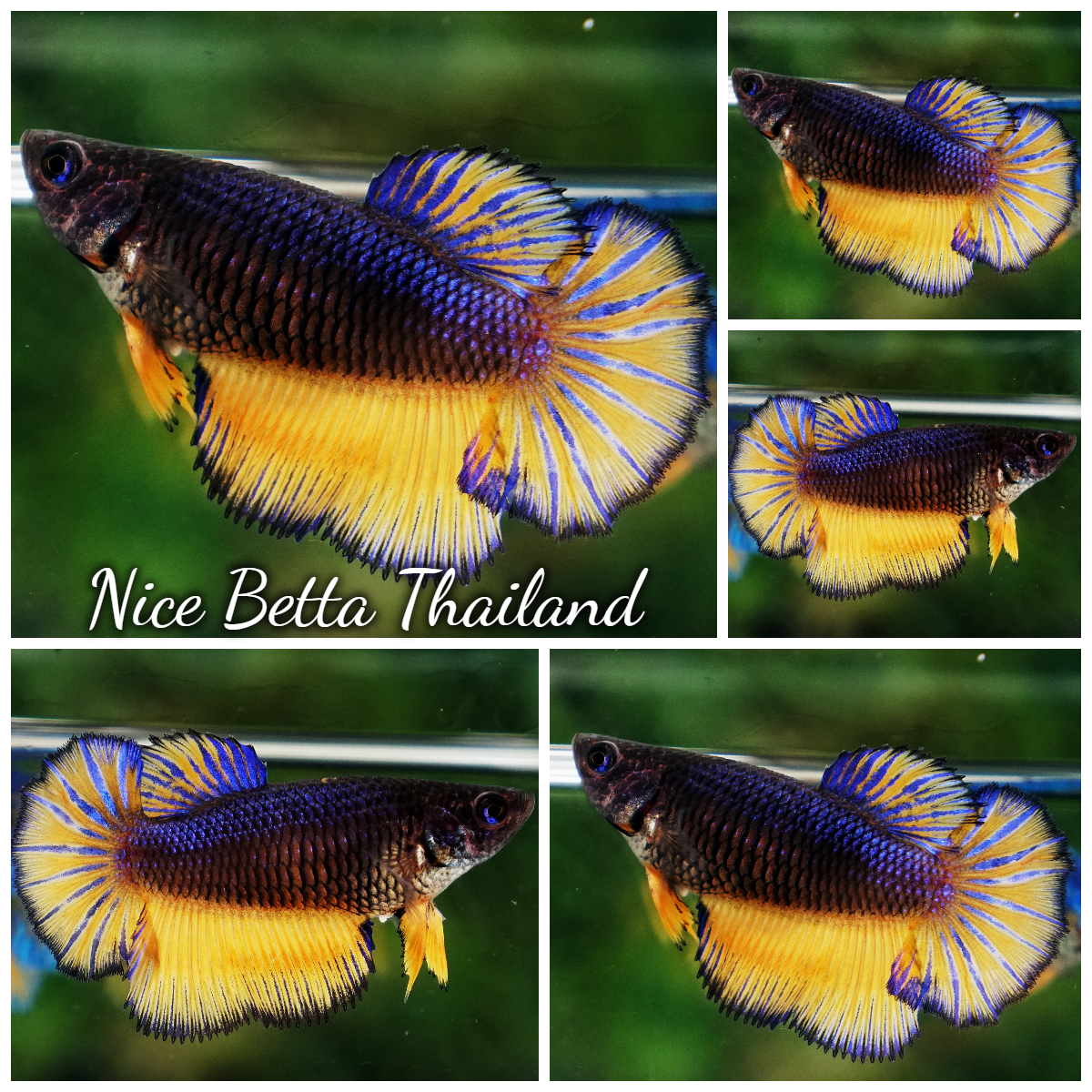
Credit: www.nicebettathailand.com
Tools And Resources For Breeders
Breeding Betta fish requires knowledge and the right resources. Selecting high-quality bloodlines is essential. This guide explores tools and resources that help breeders achieve success.
Understanding these tools can significantly enhance the breeding process. Whether tracking pedigrees or networking, these resources are vital.
Software For Pedigree Tracking
Software tools simplify pedigree tracking for breeders. Keeping records of genetic lines ensures healthier and better Betta fish.
- FishTrace
- Breed Mate
- AquaPlanner
Community And Networking
Connecting with other breeders provides support and knowledge. Communities offer a platform to share insights and challenges.
| Platform | Features |
| Betta Breeders Forum | Discussion boards, advice, and events |
| Aquarium Network | Breeding tips and news |
| Facebook Groups | Real-time communication and networking |
Recommended Reading And Studies
Books and studies offer valuable information for breeders. Knowledge from experts can guide breeding practices and improve outcomes.
Popular books include “The Betta Bible” by Dr. Martin Brama and “Betta Fish: Your Happy Healthy Pet” by John H. Tullock. These texts provide in-depth knowledge and practical advice.
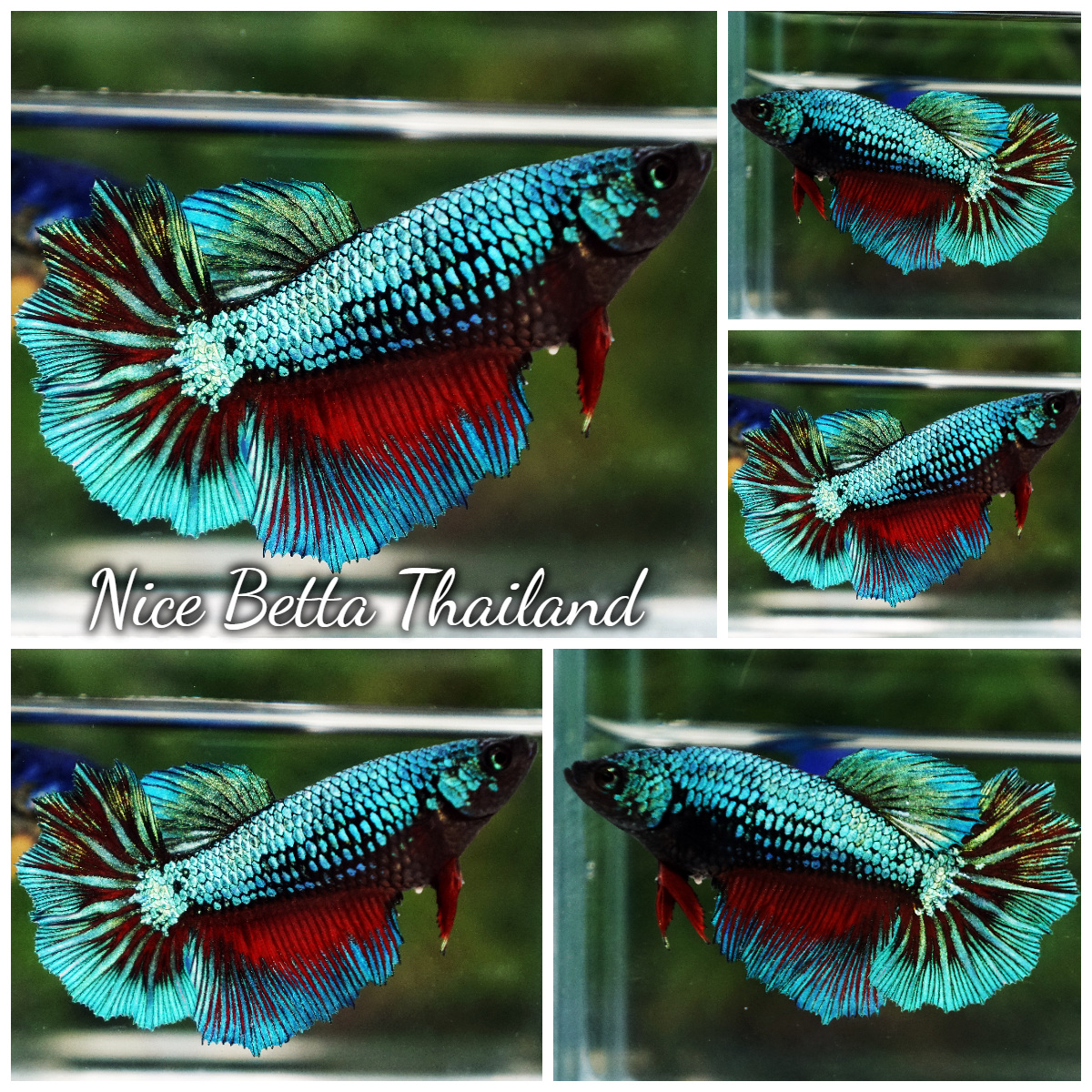
Credit: www.nicebettathailand.com
Frequently Asked Questions
What Is Betta High-quality Bloodline Selection?
Betta high-quality bloodline selection is breeding Betta fish with superior genetics. It ensures vibrant colors, strong health, and unique fin shapes. This method enhances desirable traits and reduces genetic defects. Breeders focus on lineage to maintain consistent quality in Betta fish.
Why Is Bloodline Selection Important For Betta Fish?
Bloodline selection is crucial to preserve and improve Betta traits. It helps maintain color intensity, fin structure, and overall health. Selecting the best bloodlines prevents hereditary diseases and promotes longevity. This process supports sustainable and ethical Betta breeding practices.
How To Identify A High-quality Betta Bloodline?
High-quality Betta bloodlines show vibrant colors, symmetrical fins, and active behavior. Consistency in offspring traits indicates strong genetics. Reputable breeders provide lineage information and certifications. Observing these factors helps ensure you get a superior Betta fish.
Can Bloodline Selection Improve Betta Fish Health?
Yes, bloodline selection reduces genetic defects and disease risks. It promotes stronger immune systems and better adaptability. Healthy Betta fish from selected bloodlines show longer lifespans and more vibrant appearances. Proper breeding practices are key to these health benefits.
Conclusion
Choosing betta fish from high-quality bloodlines ensures healthy, vibrant pets. These fish show strong colors and good behavior. Breeders who focus on bloodline selection help keep traits pure. This care makes bettas more enjoyable to watch and easier to care for.
Remember, quality bloodlines mean fewer health problems and longer life. Your betta will thrive with the right choice. Simple steps lead to great results in betta keeping. Trust the process and enjoy your beautiful fish.