
If you’ve just welcomed betta fry into your aquarium, you know how delicate and exciting this stage can be. Taking care of these tiny fish requires more than just feeding them—it’s about giving them the right environment and nutrition to thrive.
Are you wondering how to keep your betta fry healthy and growing strong? This guide will walk you through everything you need to know about betta fry care and feeding, helping you turn those fragile little fish into vibrant adults.
Keep reading, and discover simple tips that make a big difference for your betta’s future.
Setting Up A Fry Tank
Setting up a fry tank is important for baby Betta fish to grow well. The right tank helps keep them safe and healthy.
You need to control water, temperature, and light to give fry the best start in life.
Choosing The Right Tank Size
Small tanks work well for Betta fry because they are easier to clean. A 5 to 10-gallon tank is good for a small group.
Too large a tank makes it hard to keep water clean. Make sure there is enough space for fry to swim freely.
Water Conditions And Filtration
Use clean, fresh water with no chlorine or chemicals. Change 10-20% of the water weekly to keep it fresh.
Use a gentle filter to keep water clean. Strong currents can harm the tiny fry, so choose a sponge filter or low flow filter.
- Keep water pH between 6.5 and 7.5
- Use dechlorinated or aged water
- Clean filter media every 2 weeks
Temperature And Lighting
Keep the water temperature between 78°F and 80°F. Use an aquarium heater to keep it steady.
Use soft lighting to avoid stressing the fry. Provide about 8 to 10 hours of light daily to support their growth.
- Maintain steady temperature with a reliable heater
- Avoid direct sunlight to prevent temperature spikes
- Use a timer for consistent lighting periods
Credit: pethelpful.com
Feeding Betta Fry
Feeding betta fry is a delicate task. They need tiny, nutritious food to grow strong.
Proper feeding helps fry develop into healthy adult bettas. Careful attention is key.
Best First Foods
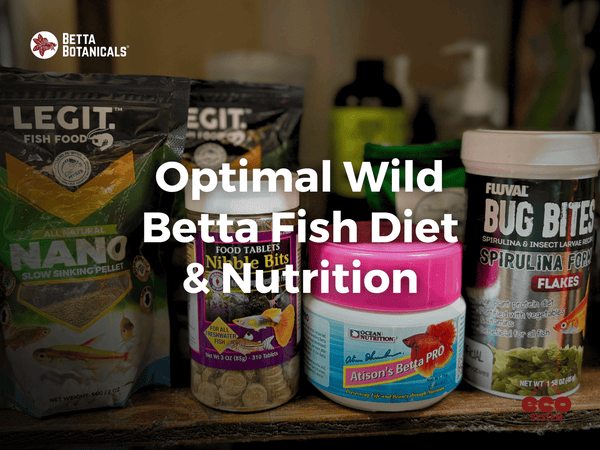
Newly hatched betta fry need very small, high-protein foods. These foods support fast growth.
Infusoria, baby brine shrimp, and micro worms are excellent first foods for fry.
- Infusoria: Tiny aquatic creatures easy for fry to eat
- Baby brine shrimp: Rich in nutrients and easy to digest
- Micro worms: Small live worms that promote healthy growth
Feeding Frequency And Amount
Feed betta fry small amounts many times a day. This prevents overfeeding and water pollution.
Offer food 3 to 5 times daily. Only give what fry can eat in a few minutes.
- Feed 3-5 times each day
- Give tiny portions at each feeding
- Remove uneaten food quickly to keep water clean
Transitioning To Adult Diet
After 3-4 weeks, betta fry can eat larger foods like crushed pellets or flakes.
Gradually mix new foods with live foods. This helps fry adjust to adult diets smoothly.
- Start feeding crushed pellets or flakes after 3-4 weeks
- Mix live foods with new diet gradually
- Watch for good appetite and healthy growth during transition
Health And Growth Monitoring
Taking care of Betta fry requires close attention to their health and growth. Monitoring these helps ensure strong and healthy fish.
Regular checks let you spot problems early and adjust feeding or environment for better development.
Signs Of Healthy Development
Healthy Betta fry grow steadily and show active behavior. Watch for clear eyes and smooth fins. Their color should become brighter with age.
- Steady growth in size over days and weeks
- Strong swimming and quick response to movement
- Clear, bright eyes without cloudiness
- Fins fully formed and without tears
- Brightening of body color as they mature
Common Diseases In Fry
Fry are sensitive to infections. Watch for signs like white spots, sluggishness, or unusual swimming. Early treatment is crucial.
| Disease | Symptoms | Cause |
| Ich (White Spot) | Small white dots on body and fins | Parasite |
| Fin Rot | Frayed or discolored fins | Bacterial infection |
| Fungal Infection | White cotton-like patches | Fungus |
| Swim Bladder Disorder | Difficulty swimming upright | Overfeeding or infection |
Preventive Care Tips
Keep fry healthy by maintaining clean water and feeding proper food. Avoid overcrowding and sudden changes in water quality.
- Change 20% of water twice a week
- Feed small amounts of high-quality fry food
- Keep tank temperature steady around 78-80°F (25-27°C)
- Use a gentle filter to avoid sucking fry
- Isolate sick fry to prevent spreading disease
Tank Maintenance
Keeping your betta fry healthy starts with a clean tank. Regular tank maintenance helps prevent diseases and keeps water safe.
Proper care of the tank environment ensures your betta fry grow strong and active.
Cleaning Schedule
Set a cleaning schedule to keep the tank fresh. Avoid cleaning all at once to protect beneficial bacteria.
- Clean the tank walls gently every week
- Rinse decorations with warm water monthly
- Check and clean the filter as needed
- Remove leftover food daily
Water Changes
Change water regularly to keep chemicals low and oxygen levels high. Use treated water free from chlorine.
| Water Change Frequency | Amount to Change |
| Weekly | 20% to 30% |
| Biweekly | 15% to 20% |
| Monthly | 10% to 15% |
Handling Waste Safely
Remove waste carefully to avoid harming the fry or disturbing the tank balance. Use tools designed for small tanks.
Follow these tips for waste handling:
- Use a small siphon to clean the substrate
- Dispose of waste in a sealed container
- Wash hands before and after cleaning
- Avoid using soap or chemicals in cleaning tools
Separating And Upgrading
Taking care of Betta fry is important for their growth and health. Separating them at the right time helps avoid fights and stress. Upgrading their tanks gives them space to grow strong.
This guide explains when to separate fry, choosing grow-out tanks, and preparing them for adult life.
When To Separate Fry
Betta fry start to show colors and fins after two weeks. At this time, they may begin to fight. Separate them before any damage happens.
Look for signs like chasing or fin nipping. Separate fry that are bigger or more aggressive to keep all safe.
Choosing Suitable Grow-out Tanks
Grow-out tanks give young bettas space to swim and grow. Use tanks that hold at least 2 gallons per fish.
These tanks should have gentle filtration and warm water. Avoid strong currents that can stress the fry.
- Tank size: minimum 2 gallons per fry
- Water temperature: 78-80°F (25-27°C)
- Filter: gentle sponge filter recommended
- Lighting: low to moderate
- Keep water clean with regular changes
Preparing For Adult Life
As bettas grow, prepare them for adult tanks. Increase tank size to at least 5 gallons each.
Introduce more plants and hiding spots. This helps them feel safe and reduces stress in their new home.
- Upgrade to 5-gallon tanks or larger
- Add live or silk plants for shelter
- Provide gentle water flow
- Feed varied diet for strong health
- Monitor behavior for signs of stress

Credit: www.youtube.com
Credit: bettabotanicals.com
Frequently Asked Questions
How Often Should I Feed Betta Fry Daily?
Feed Betta fry 3 to 5 times daily in small amounts. Frequent feeding supports their rapid growth and development.
What Is The Best Food For Betta Fry?
Use infusoria or liquid fry food initially. Gradually introduce baby brine shrimp and finely crushed flakes as they grow.
When Can Betta Fry Eat Adult Fish Food?
Betta fry can eat adult food after 3 to 4 weeks. Ensure food is finely crushed and suitable for small mouths.
How Do I Maintain Water Quality For Betta Fry?
Change 20-30% of water daily using dechlorinated water. Keep temperature steady between 78-80°F and avoid strong currents.
Conclusion
Caring for betta fry needs patience and gentle attention. Feed small amounts often to keep them healthy. Clean water helps prevent disease and supports growth. Watch fry closely to spot any problems early. A good environment helps fry grow strong and active.
With simple steps, you can raise happy betta fish. Keep learning and adjusting care as they grow. Success comes from steady care and observation. Enjoy the process of watching your fry develop.