
Are you thinking about adding a Betta fish to your home? These vibrant, graceful fish are more than just beautiful pets—they bring life and color to any space.
But before you dive in, there’s a lot to know to keep your Betta healthy and happy. You’ll discover simple tips and expert advice that will make caring for your Betta fish easy and rewarding. Ready to become the best Betta owner?
Keep reading to unlock everything you need to know.
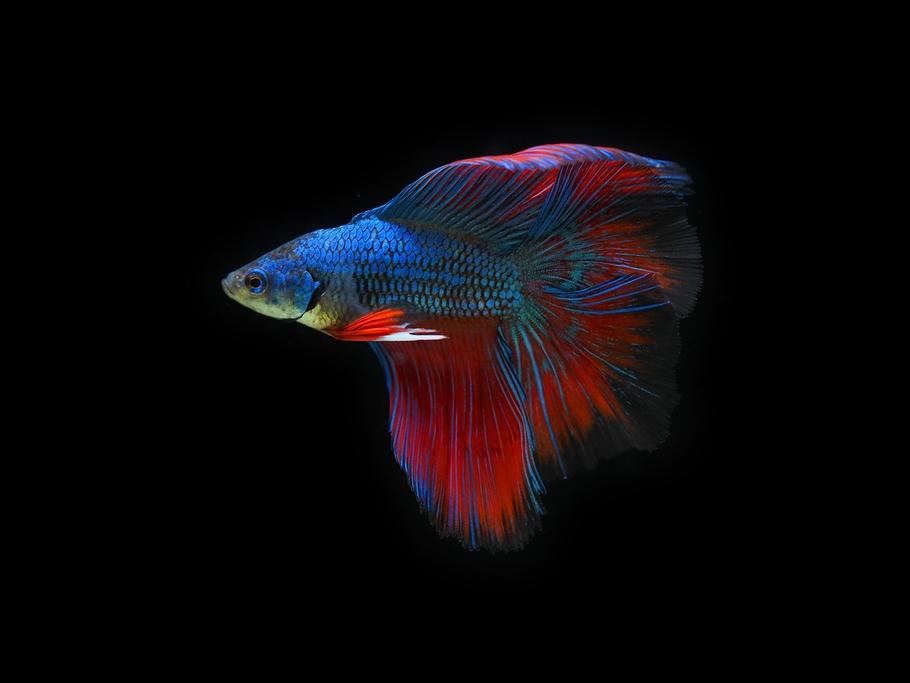
Credit: www.ratemyfishtank.com
Choosing The Right Betta
Betta fish are beautiful and popular pets. Picking the right one helps you enjoy your aquarium more.
Learn how to select a healthy betta and discover different types and colors available.
Selecting Healthy Bettas
Look for active fish with bright colors. Healthy bettas swim well and respond to movement.
Avoid bettas with torn fins or cloudy eyes. Check for clear scales and no white spots.
- Bright, even color
- Clear eyes without cloud
- Fins free from tears or rot
- Active swimming behavior
- No visible parasites or spots
Types And Colors
Betta fish come in many types. Each type has unique fin shapes and sizes.
Colors range from solid shades to patterns. Choose colors that you find appealing.
- Veil Tail:Long, flowing fins
- Crowntail:Spiky, webbed fins
- Halfmoon:Large, 180-degree tail
- Plakat:Short fins, more natural look
- Solid Colors:Red, blue, green, black
- Patterns:Marble, butterfly, dragon scale
Setting Up The Perfect Tank
Creating a great home for your betta fish is important. The right tank helps your fish live happily and healthily.
This guide explains how to set up the perfect tank for your betta fish. You will learn about tank size, water quality, heating, and lighting.
Tank Size And Shape
Betta fish need enough space to swim freely. A tank at least 5 gallons is best for one betta fish.
Choose a tank with more length than height. Betta fish like to explore horizontally.
- Minimum tank size: 5 gallons
- Shape: longer tanks over tall, narrow ones
- Use a tank with a lid to prevent jumping
Water Quality Essentials
Clean water is key to your betta fish’s health. You must keep the water clear and free of toxins.
Use a water conditioner to remove chlorine and chloramine. Test water regularly to check pH and ammonia levels.
- Keep pH between 6.5 and 7.5
- Ammonia and nitrite must be zero
- Change 25% of water weekly
- Use a gentle filter to keep water clean
Heating And Lighting
Betta fish are tropical and need warm water. Keep the tank temperature between 76°F and 82°F.
Use an aquarium heater with a thermostat. Lighting should mimic natural day and night cycles.
- Heater set to 76°F-82°F
- Use a timer for lights, about 8-12 hours per day
- Avoid direct sunlight to prevent algae growth
Feeding For Vibrancy
Betta fish need good food to show their bright colors. Feeding them the right diet helps keep their fins and scales shiny.
A healthy diet gives bettas energy and helps their colors grow strong and bright over time.
Best Diet Options
Bettas eat mostly meat, so their food should be rich in protein. Live or frozen foods are great choices for color.
Pellets made for bettas also work well if they have high protein and added vitamins.
- Bloodworms (live or frozen)
- Brine shrimp (live or frozen)
- High-quality betta pellets
- Daphnia (water fleas)
- Freeze-dried foods for variety
Feeding Frequency
Feed your betta small amounts two times a day. This keeps them healthy without wasting food.
Young bettas may eat more often, but adult fish do well with two meals daily.
- Morning feeding: small portion
- Evening feeding: small portion
- Skip feeding one day a week to clear digestion
Avoiding Overfeeding
Too much food can harm bettas. It causes water pollution and makes fish sick.
Feed only what your betta can eat in two minutes. Remove leftover food after feeding.
- Use a small feeding spoon or dropper
- Watch your betta eat and stop when full
- Keep feedings consistent to avoid hunger or overeating
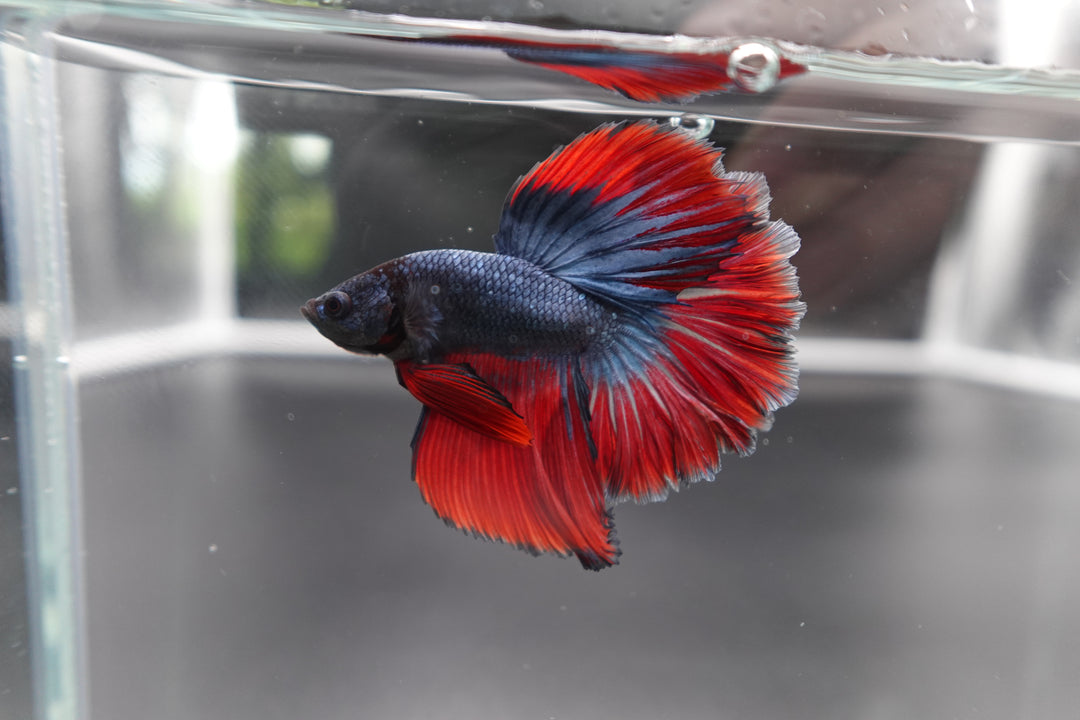
Credit: thailandbettafish.com
Maintaining Water Cleanliness
Keeping your Betta fish healthy means keeping its water clean. Dirty water can cause stress and illness. You need to care for the tank regularly.
Good water cleanliness includes using the right tools and habits. This guide covers filtration, water changes, and checking water quality.
Filtration Systems
A filter helps remove waste and toxins from the water. It keeps the water clear and safe for your Betta. Choose a gentle filter to avoid strong currents.
- Use sponge or foam filters to avoid strong water flow.
- Clean the filter regularly to keep it working well.
- Replace filter media as the manufacturer suggests.
- Check that the filter fits your tank size.
Regular Water Changes
Changing water often removes harmful chemicals and waste. It keeps the tank fresh and healthy for your fish. Use clean, treated water for changes.
| Water Change Frequency | Amount to Change |
| Weekly | 20% to 30% |
| Biweekly | 30% to 50% |
| Monthly | 50% (not recommended) |
Monitoring Water Parameters
Testing water helps you know if it is safe. Betta fish need correct pH, ammonia, nitrite, and nitrate levels. Use test kits to check these values.
- Keep pH between 6.5 and 7.5 for Betta fish.
- Ammonia and nitrite should always be zero.
- Nitrate should be below 20 ppm.
- Test water weekly or after water changes.
Enhancing Betta Environment
Betta fish need a comfortable and safe space to live. A good environment helps them stay healthy and happy.
Simple changes in their tank can make a big difference in their well-being. Let’s look at some ways to improve their habitat.
Plants And Decorations
Live or silk plants create a natural feel in the tank. They help improve water quality and add hiding places.
Decorations add interest but should be safe and smooth. Sharp edges can hurt your betta fish.
- Choose real or silk plants over plastic
- Use decorations without sharp or rough edges
- Arrange plants and decorations to allow swimming space
- Clean decorations regularly to prevent algae
Hiding Spots
Betta fish feel safer with places to hide. Hiding spots reduce stress and give them a resting area.
Use caves, tunnels, or dense plants to create hiding spots. Make sure these areas are easy to enter and exit.
- Use small caves or ceramic pots
- Add thick plant clusters for cover
- Avoid overcrowding hiding spots in the tank
- Place hiding spots in quiet areas of the tank
Avoiding Stress Triggers
Stress harms betta fish health. Avoid sudden changes and loud noises near the tank.
Keep the water clean and at a steady temperature. Avoid placing the tank in direct sunlight.
- Maintain water temperature around 78-80°F (25-27°C)
- Use a gentle filter to keep water clean
- Feed small amounts twice a day
- Limit tapping or shaking the tank
- Keep tank away from busy or noisy areas
Common Health Issues
Betta fish are beautiful pets that need care to stay healthy. They can get sick from poor water, stress, or infections.
Knowing the signs of illness helps you act fast and keep your Betta safe. This guide covers how to spot problems, prevent them, and basic treatments.
Signs Of Illness
Watch your Betta closely. These signs often show that your fish is sick:
- Loss of color or dull scales
- Clamped fins that stay close to the body
- Not eating or spitting out food
- Labored or fast breathing
- White spots or fuzzy patches on skin or fins
- Swollen belly or bloating
- Lethargy or hiding more than usual
- Erratic swimming or floating at the surface
Preventive Measures
Prevent illness by keeping a clean and stable tank. Follow these tips:
- Change 25% of the water weekly
- Keep water temperature between 76-82°F (24-28°C)
- Use a water conditioner to remove chlorine
- Feed a balanced diet without overfeeding
- Avoid overcrowding the tank
- Quarantine new fish or plants before adding them
- Clean the tank and decorations regularly
Basic Treatments
If your Betta shows signs of illness, try these treatments:
| Condition | Treatment |
| Ich (white spots) | Raise water temperature to 82°F and use ich medication |
| Fin rot | Keep water very clean and add antibacterial medicine |
| Swim bladder issues | Feed cooked pea and fast for 2 days |
| Fungal infections | Use antifungal medication and clean tank |
| Internal parasites | Use antiparasitic medications as directed |
Social Behavior And Interaction
Betta fish are known for their unique personalities and social behaviors. They can be friendly, aggressive, or even lonely, depending on their environment and tank mates.
Tank Mates Compatibility
Choosing the right tank mates is crucial for betta fish. Some species are compatible, while others may fight or stress each other out.
- Some compatible tank mates include neon tetras, corydoras catfish, and snails.
- Avoid keeping betta fish with fin-nippers, such as tiger barbs or fin-clippers, like angelfish.
Handling Aggression
Betta fish can become aggressive due to stress, lack of space, or competition for food. Identifying the cause is key to resolving the issue.
- Provide a spacious tank with plenty of hiding places and plants.
- Feed your betta fish a balanced diet, and avoid overfeeding.
- Reduce stress by maintaining a stable water temperature and regular water changes.
Bonding With Your Betta
Bonding with your betta fish requires patience, consistency, and positive reinforcement. With time and effort, you can develop a strong bond with your pet.
Start by feeding your betta fish by hand, allowing it to associate your presence with food. Gradually increase interaction time, and use a calm, gentle voice to calm your betta.
Breeding Basics
Breeding Betta fish is an exciting journey for hobbyists. It requires patience and careful planning.
Understanding the process ensures a healthy start for both parents and fry.
Preparing For Breeding
Preparation is key to successful Betta breeding. Choose healthy fish with vibrant colors and active behavior.
- Set up a breeding tank with clean water.
- Maintain a temperature of 78-80°F.
- Introduce the male and female gradually.
Caring For Fry
After breeding, caring for the fry is essential. Ensure they have a safe environment to grow.
| Aspect | Details |
| Feeding | Provide infusoria or baby brine shrimp |
| Water Quality | Change water regularly, keep it clean |
| Tank Size | Use a larger tank as fry grow |
Common Challenges
Breeding Betta fish can come with challenges. Recognize and address these to ensure success.
Common challenges include:
- Aggression between male and female
- Fry not receiving enough food
- Poor water conditions affecting health

Credit: glassboxdiaries.com
Frequently Asked Questions
What Is The Ideal Tank Size For Betta Fish?
A 5-gallon tank is ideal for a single Betta fish. It provides enough space for swimming and proper filtration, ensuring a healthy environment.
How Often Should I Feed My Betta Fish?
Feed your Betta fish once or twice daily with high-quality pellets. Avoid overfeeding to prevent health issues and water pollution.
Can Betta Fish Live With Other Fish?
Betta fish can live with peaceful, non-fin-nipping species. Avoid aggressive or fin-nipping fish to prevent stress and injury.
How Do I Maintain Betta Fish Water Quality?
Change 25-50% of the water weekly and use a gentle filter. Monitor temperature, pH, and ammonia levels regularly for optimal health.
Conclusion
Betta fish make great pets for many people. They are colorful and easy to care for. Keeping their tank clean helps them stay healthy. Feeding them the right food is important too. Watching their unique fins move can be relaxing.
These fish bring life to any room. Small changes in their care make a big difference. Enjoy the beauty and calm they offer every day. Betta fish truly brighten up your home.