
If you want your Betta fish to grow strong and show off vibrant colors, what you feed them matters more than you might think. Your Betta’s diet is the key to unlocking their full potential, making them healthier and more beautiful every day.
But not all foods are created equal, and giving your Betta the wrong diet can hold back their growth and dull their stunning hues. You’ll discover simple, effective ways to feed your Betta for maximum growth and dazzling color. Keep reading—your Betta’s best look is just a few bites away.
Essential Nutrients For Bettas
Bettas need the right food to grow strong and show bright colors. Their diet must have key nutrients to keep them healthy.
Feeding your betta the right nutrients helps improve muscle and color. Learn about the most important nutrients for your fish.
Proteins For Muscle Growth
Proteins help bettas build strong muscles and repair tissues. Good muscle strength lets them swim actively and stay healthy.
Sources of protein include insect larvae, brine shrimp, and specially made betta pellets. These provide essential amino acids.
- Insect larvae like bloodworms
- Brine shrimp
- High-quality betta pellets
Fats And Oils For Energy
Fats give bettas energy for swimming and daily activities. They also help absorb vitamins that improve health and color.
Omega-3 and omega-6 fatty acids are good fats found in fish oils and some seeds. These fats keep your betta energetic.
- Fish oils
- Flaxseed oils
- Fatty acids in live and frozen foods
Vitamins And Minerals For Color Enhancement
Vitamins and minerals help bettas show bright and beautiful colors. They support immune health and overall vitality.
Vitamin A, C, and E plus minerals like zinc and iron improve color and keep scales healthy. These come from fresh foods and supplements.
- Vitamin A for skin and eye health
- Vitamin C to boost immunity
- Vitamin E as an antioxidant
- Zinc and iron for color and growth
Types Of Betta Foods
Betta fish need a balanced diet for good growth and bright colors. Different types of foods provide various nutrients. Choosing the right food helps keep your betta healthy and active.
In this guide, we look at three main types of betta foods. Each type has unique benefits and feeding tips to support your fish’s needs.
Pellets And Flakes
Pellets and flakes are common dry foods for bettas. They are easy to store and feed. Pellets usually sink slowly, while flakes float on the water surface.
These foods contain proteins, vitamins, and minerals to help bettas grow strong. Choose high-quality brands made for bettas to get the right nutrition.
Live Foods
Live foods offer natural nutrition and encourage hunting behavior. Bettas enjoy hunting small live prey like worms and insects. Live foods are rich in protein and help boost color.
- Brine shrimp
- Bloodworms
- Daphnia
- Micro worms
Feed live foods occasionally to avoid overfeeding. Make sure live food is clean and safe for your fish.
Frozen And Freeze-dried Options
Frozen and freeze-dried foods are good alternatives to live foods. They keep nutrients well and are easy to store. These foods include bloodworms, brine shrimp, and daphnia.
| Food Type | Benefits | Feeding Tips |
| Frozen Bloodworms | High protein, easy to digest | Thaw before feeding |
| Freeze-Dried Brine Shrimp | Long shelf life, rich in nutrients | Soak in water before use |
| Frozen Daphnia | Good fiber source | Feed in small amounts |
Feeding Schedule And Portions
Proper feeding helps Betta fish grow and show vibrant colors. Knowing the right schedule and portions is key.
Let’s explore how often to feed them and how much they need at different stages of growth.
Daily Feeding Frequency
Feed your Betta fish at regular intervals to maintain their health. Consistency is important for their digestion.
- Feed twice daily, once in the morning and once in the evening.
- Ensure the feeding times are roughly 12 hours apart.
- Monitor their behavior to adjust frequency if needed.
Avoiding Overfeeding
Overfeeding can harm Betta fish, leading to health issues. It’s crucial to avoid giving them too much food.
| Signs of Overfeeding | Action |
| Floating food after meals | Reduce portion size |
| Bloated appearance | Skip a meal |
| Cloudy water | Clean tank and adjust portions |
Adjusting Portions For Growth Stages
As Betta fish grow, their dietary needs change. Adjust portions to meet these needs and support their development.
For young Betta, offer smaller, more frequent meals. As they mature, increase the portion size while reducing frequency.

Credit: www.meesho.com
Foods To Boost Color Vibrancy
Betta fish show their best colors when they eat the right foods. Colorful ingredients add brightness to their scales. Feeding them a good diet helps them grow and look healthy.
Some foods have special nutrients that make bettas shine. These include natural pigments and vitamins that improve color depth. Let’s look at the best foods to feed your betta.
Carotenoid-rich Ingredients
Carotenoids are pigments that give red, orange, and yellow colors. These come from plants and help bettas show bright hues. Foods rich in carotenoids add natural color to your fish.
- Red bell peppers
- Carrots
- Spirulina flakes
- Sweet potatoes
- Tomato-based fish flakes
Natural Color Enhancers
Some natural ingredients help bettas keep vibrant colors and stay healthy. These foods also improve immune function and skin health. Feeding these regularly supports strong coloration.
| Ingredient | Benefit |
| Krill | Boosts red and orange tones |
| Bloodworms | Enhances deep red shades |
| Brine shrimp | Improves overall color brightness |
| Daphnia | Supports natural color balance |
Supplements For Intense Hues
Color-enhancing supplements give extra nutrients to deepen betta colors. These are often added to food or water. Use supplements carefully to avoid overfeeding.
- Astaxanthin powder
- Lutein capsules
- Spirulina extract
Common Feeding Mistakes
Feeding your betta fish correctly helps its growth and color. Many owners make mistakes without knowing.
These errors can cause health problems and dull colors. Learn common feeding mistakes to avoid them.
Overfeeding Risks
Overfeeding is a common issue that harms bettas. It can cause obesity and poor water quality.
- Excess food leads to bloating and swim bladder problems.
- Uneaten food pollutes the tank, raising harmful ammonia levels.
- Feed only small amounts two times a day to prevent waste.
- Watch your betta’s reaction to know if it needs less food.
Poor Food Quality Impact
Low-quality food lacks nutrients needed for your betta’s health. It slows growth and dulls color.
| Food Type | Impact on Betta |
| Cheap flakes | Low nutrition, causes lethargy |
| Expired pellets | Digestive issues, poor growth |
| Frozen food | Better nutrition, but needs careful thawing |
| Live food | Boosts color and activity |
Ignoring Variety In Diet
Bettas need a mix of foods to get all nutrients. Feeding just one type causes deficiencies.
Use this simple feeding plan for better results:
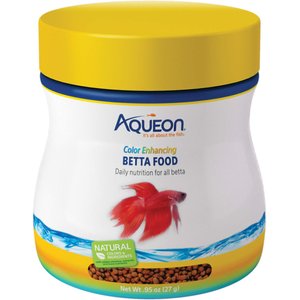
- Feed high-quality pellets as the base diet.
- Add live or frozen foods like brine shrimp twice a week.
- Include occasional freeze-dried bloodworms for protein.
- Avoid overfeeding any single food type.
Credit: www.chewy.com
Customizing Diet For Specific Needs
Bettas have different dietary needs based on their age and health. Feeding the right diet helps them grow and show vibrant colors. Each stage of a betta’s life requires special nutrition.
Understanding these needs ensures your betta thrives. Let’s explore diets for young, adult, and sick or stressed bettas.
Diet For Young Bettas
Young bettas need food that supports rapid growth. They require more protein to build muscles and fins.
- Feed them small, high-protein meals
- Include live food like brine shrimp
- Give them frequent meals, at least three times a day
Diet For Adult Bettas
Adult bettas need a balanced diet to maintain their color and health. Overfeeding can lead to health problems.
- Offer a mix of pellets and frozen food
- Feed twice a day in small amounts
- Include variety to keep them interested
Diet For Sick Or Stressed Bettas
Sick or stressed bettas need easy-to-digest food. Stress can affect their appetite and health.
- Use medicated food if recommended by a vet
- Offer small amounts of live or frozen food
- Avoid overfeeding to reduce stress
Monitoring Health Through Diet
Feeding your betta the right diet helps keep it healthy and colorful. Watching signs from its body can tell you if the diet is working well.
Good nutrition supports growth and bright colors. Careful observation lets you spot problems early and adjust feeding habits.
Signs Of Nutritional Deficiency
Bettas show clear signs if they lack important nutrients. Watch for changes in behavior and appearance to catch problems fast.
- Loss of appetite or refusal to eat
- Faded or dull colors
- Clamped fins or torn fins
- Slow or stunted growth
- Weak swimming or lethargy
Tracking Growth Progress
Measuring your betta’s size helps track health and growth. Keep a record to see if the diet meets its needs.
| Week | Length (cm) | Notes |
| 1 | 2.0 | Newly introduced diet |
| 2 | 2.3 | Active and eating well |
| 3 | 2.5 | Color brighter |
| 4 | 2.7 | Good appetite |
Color Changes As Health Indicators
Color shifts can signal health issues or good nutrition. Healthy bettas show vivid, bright colors that shine.
- Bright, rich colors mean good health
- Dull or faded colors may mean poor diet
- White spots or patches show illness
- Sudden color loss needs quick attention
Credit: www.walmart.com
Frequently Asked Questions
What Is The Best Diet For Betta Fish Growth?
A balanced diet for betta growth includes high-protein pellets, live or frozen foods like brine shrimp and bloodworms. These foods promote muscle development and overall health. Avoid overfeeding to prevent obesity and water quality issues, ensuring your betta grows strong and vibrant.
How Can Diet Improve Betta Fish Color?
Feeding bettas foods rich in carotenoids, like krill and spirulina, enhances their color vibrancy. A varied diet with quality pellets and occasional live food boosts pigmentation naturally. Consistent, nutrient-rich feeding helps maintain bright and healthy scales in betta fish.
How Often Should I Feed My Betta Fish?
Feed your betta fish 2-3 small meals daily. Overfeeding can cause health problems and dirty water. Remove uneaten food after 5 minutes to maintain tank cleanliness. Proper feeding frequency supports healthy growth and vibrant coloration.
Are Live Foods Necessary For Betta Fish Health?
Live foods are beneficial but not mandatory. They provide essential nutrients and stimulate natural hunting behavior. Supplementing pellets with live or frozen foods improves betta vitality and color. A varied diet ensures balanced nutrition and better overall health.
Conclusion
A healthy diet helps Betta fish grow strong and bright. Feed them protein-rich foods like pellets and live treats. Variety keeps their colors vibrant and their bodies healthy. Avoid overfeeding to prevent illness and water problems. Clean water and a balanced diet work hand in hand.
Watch your Betta’s behavior to know if they enjoy their food. Small, regular meals suit their digestion best. Good care and proper feeding make your Betta happy and colorful every day. Simple steps lead to a beautiful, thriving fish.