
If you want your Betta fish to thrive and show off their stunning colors and unique traits, understanding how to keep their bloodline strong is key. You might wonder how to maintain the purity and health of your Betta’s lineage without stress or guesswork.
This guide will give you simple, effective tips that anyone can follow to protect your Betta’s heritage and keep them vibrant for years. Ready to become the best caretaker your Betta bloodline has ever had? Let’s dive in and make sure your fish stay healthy, happy, and true to their amazing roots.

Credit: www.reddit.com
Choosing Quality Betta Bloodlines
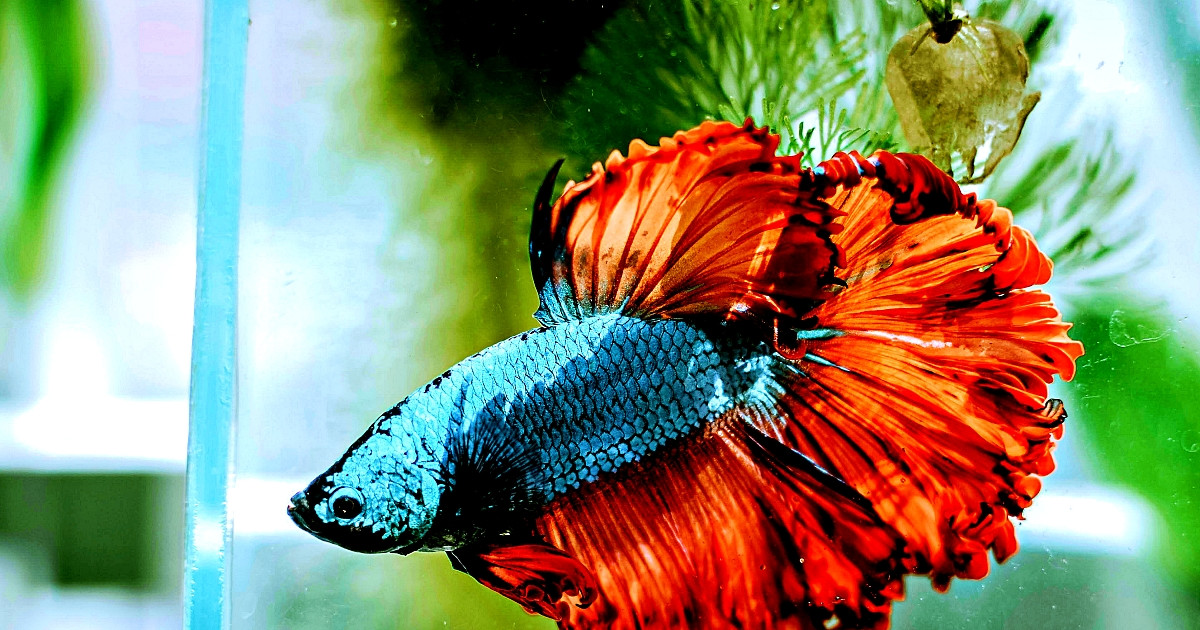
Betta fish come in many types and colors. Choosing the right bloodline helps you keep healthy and beautiful fish.
Good bloodlines show strong traits and come from trusted breeders. This guide covers popular strains, health signs, and where to find breeders.
Popular Betta Strains
Many betta strains have unique colors and fin shapes. Knowing them helps you pick the best fish for your tank.
- Veil Tail: Long flowing fins with a rounded shape.
- Crowntail: Spiky fins with webbing between rays.
- Halfmoon: Tail spreads 180 degrees like a semicircle.
- Plakat: Short fins, resembling wild betta fish.
- Double Tail: Two distinct tail lobes.
- Dragon Scale: Thick, metallic scales that shine brightly.
Traits Of Healthy Bloodlines
Healthy betta bloodlines show clear signs in their appearance and behavior. Look for these traits when choosing your fish.
| Trait | Description |
| Bright Colors | Vivid, even coloring without dull spots. |
| Strong Fins | Fins are full, not torn or ragged. |
| Active Behavior | Fish swim well and respond quickly. |
| Clear Eyes | Eyes are bright and free from cloudiness. |
| Good Appetite | Fish eat regularly and eagerly. |
Where To Find Reputable Breeders
Finding a trusted breeder ensures your betta fish come from strong bloodlines. Use these tips to find good sources.
- Search for local breeders with positive reviews.
- Visit fish shows or clubs to meet experts.
- Check online forums for breeder recommendations.
- Ask breeders about their breeding practices.
- Look for breeders who provide health guarantees.
Credit: pethelpful.com
Tank Setup Essentials
Betta fish need a proper tank setup to stay healthy. Good care starts with the right environment.
This guide covers key points for setting up a Betta tank, focusing on size, water, and lighting.
Ideal Tank Size
Betta fish need enough space to swim freely. A small bowl is not enough for their health.
Use a tank that holds at least 5 gallons of water. Bigger tanks are better for stable water conditions.
- Minimum size: 5 gallons
- More space helps reduce stress
- Bigger tanks keep water cleaner longer
Water Conditions And Filtration
Betta fish need clean water with stable conditions. Keep pH between 6.5 and 7.5.
Use a gentle filter to avoid strong currents. Change 25% of the water weekly to keep it fresh.
- pH level: 6.5 to 7.5
- Temperature: 76°F to 82°F (24°C to 28°C)
- Use a sponge or low-flow filter
- Do regular water changes
Heating And Lighting Needs
Betta fish are tropical and need warm water. Use an aquarium heater to keep temperature steady.
Provide gentle lighting to mimic natural day and night. Avoid bright lights that stress the fish.
- Use a reliable heater with thermostat
- Keep temperature between 76°F and 82°F
- Provide 8 to 12 hours of light daily
- Use low to medium light intensity
Feeding For Vitality
Feeding your betta fish the right food helps keep it healthy and active. A good diet supports bright colors and strong fins. Proper feeding also aids in their long life.
Understanding what to feed and when makes care easier. This guide covers the best diet, feeding schedule, and treats for your betta bloodline.
Best Diet For Betta Fish
Bettas need protein-rich food since they are carnivores. High-quality pellets made for bettas work well. You can also add live or frozen foods for variety.
- Betta-specific pellets with 40-45% protein
- Frozen or live brine shrimp
- Bloodworms as a protein snack
- Daphnia for fiber and digestion
- Avoid plant-based flakes or food made for other fish
Feeding Schedule Tips
Feed your betta small amounts twice a day. Overfeeding causes water problems and health issues. Remove any uneaten food after five minutes.
| Time | Meal Size | Notes |
| Morning | 2-3 pellets | Feed after tank light turns on |
| Evening | 2-3 pellets | Feed before tank light turns off |
| Weekly | Skip one day | Helps prevent constipation |
Supplements And Treats
Supplements can boost your betta’s health. Use them occasionally to add nutrients missing from pellets. Treats should be given in small amounts.
- Use vitamins designed for fish in water monthly
- Offer freeze-dried bloodworms as a special treat
- Feed live brine shrimp to encourage natural hunting
- Limit treats to twice a week to avoid overfeeding
Maintaining Water Quality
Keeping betta fish healthy needs clean and stable water. Good water quality helps bettas live longer and stay active.
Regular care of the tank water prevents diseases and stress. You should watch the water conditions closely and act fast if problems appear.
Regular Water Changes
Change part of the water often to keep it fresh. This removes waste and keeps toxins low.
- Change 20-30% of the water every week.
- Use a water conditioner to remove chlorine.
- Clean the tank gravel to remove leftover food.
- Keep the water temperature steady during changes.
Monitoring Ph And Parameters
Check the water’s pH, ammonia, nitrite, and nitrate levels. Bettas prefer slightly acidic to neutral water.
| Parameter | Ideal Range |
| pH | 6.5 – 7.5 |
| Ammonia | 0 ppm |
| Nitrite | 0 ppm |
| Nitrate | < 20 ppm |
| Temperature | 76 – 82 °F (24 – 28 °C) |
Preventing Common Water Issues
Avoid common problems like cloudy water and algae growth to keep your betta safe.
- Do not overfeed your betta to reduce waste.
- Keep the tank out of direct sunlight to stop algae.
- Use a filter suited for betta tanks to help water flow gently.
- Test water weekly to catch problems early.
Breeding Betta Bloodlines
Breeding betta fish is a rewarding hobby. It helps keep strong bloodlines and healthy fish.
Good care and careful selection are key to successful breeding. Understanding basics improves results.
Selecting Breeding Pairs
Choose healthy male and female bettas with strong traits. Look for bright colors and good fins.
Make sure fish are at least 4 to 6 months old. Avoid breeding sick or weak fish.
- Check for active behavior and good appetite
- Pick fish with compatible sizes
- Avoid breeding close relatives to reduce problems
Breeding Tank Setup
Use a small tank around 5 gallons for breeding. Keep water clean and warm, about 78 to 80°F.
Add plants or a breeding box for hiding spots. Use a gentle filter or none at all.
- Maintain water pH near 6.5 to 7.0
- Keep water level low, around 5 inches
- Provide floating plants for bubble nest support
Caring For Fry
Feed fry very small food like baby brine shrimp or infusoria. Feed often in small amounts.
Keep water clean by changing small amounts daily. Remove uneaten food to prevent pollution.
- Separate fry if adults show aggression
- Monitor growth and health closely
- Use gentle aeration to avoid strong currents
Preventing Diseases
Betta fish are beautiful and need care to stay healthy. Keeping them free from diseases is crucial for their well-being.
Understanding common illnesses and signs of stress can help prevent issues before they start.
Common Betta Illnesses
Bettas can face several health problems. Knowing the common ones helps in early detection.
- Fin Rot
- Ich (White Spot Disease)
- Velvet Disease
Signs Of Stress And Disease
Spotting signs of stress early can prevent diseases. Look for changes in behavior or appearance.
| Sign | Description |
| Clamped Fins | Fins are held close to the body |
| Lethargy | Fish is less active |
| Loss of Appetite | Not eating food |
Effective Treatment Methods
Treating illnesses quickly ensures your betta recovers well. Use simple methods to help them heal.
- Isolate the sick fish in a separate tank
- Use aquarium salt or medication as needed
- Maintain clean water conditions
Enhancing Betta Color And Health
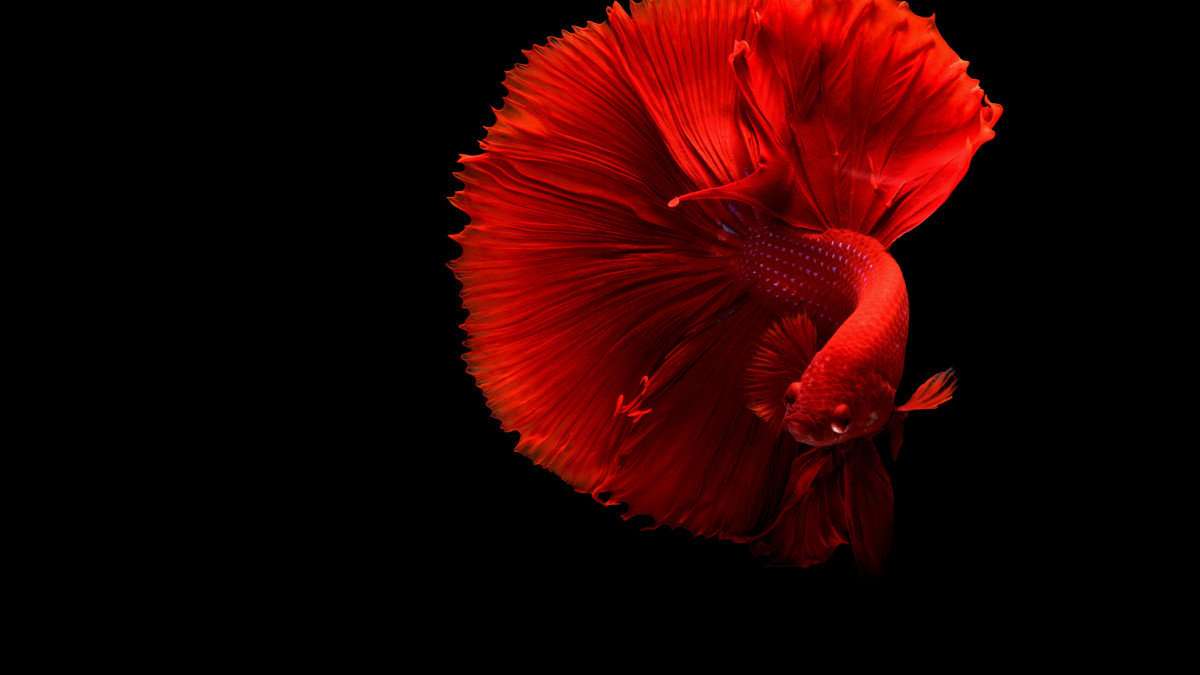
Betta fish are known for their vibrant colors and unique personalities. Keeping their color bright and health optimal requires special care.
To achieve this, focus on key areas like environmental enrichment, stress reduction, and regular health checks.
Environmental Enrichment
Providing a stimulating environment can enhance the color and health of your Betta fish. A well-decorated tank mimics their natural habitat.
- Add plants to the tank for hiding spots.
- Include caves or tunnels for exploration.
- Use a gentle filter to keep water clean.
Stress Reduction Techniques
Stress can dull Betta colors and harm their health. It is important to manage their stress effectively.
Avoid over-crowding the tank to reduce stress levels.
Regular Health Checks
Regular health checks help catch potential issues early. This ensures your Betta remains healthy and vibrant.
| Check | Frequency |
| Inspect fins for tears | Weekly |
| Monitor color changes | Weekly |
| Test water quality | Bi-weekly |
Credit: pethelpful.com
Frequently Asked Questions
What Are The Ideal Water Conditions For Betta Bloodlines?
Betta bloodlines thrive in warm water between 78-82°F. Maintain a pH level of 6. 5 to 7. 5. Regular water changes keep the environment clean and healthy. Avoid sudden temperature fluctuations to reduce stress and disease risks.
How Often Should I Feed My Betta Bloodline Fish?
Feed your Betta bloodline 1-2 times daily with high-quality pellets or frozen food. Avoid overfeeding to prevent obesity and water pollution. Remove uneaten food promptly. A balanced diet supports vibrant colors and strong health.
Can Betta Bloodlines Live With Other Fish Species?
Betta bloodlines can be territorial. Avoid housing males together to prevent fighting. Peaceful tank mates like snails or small non-aggressive fish are suitable. Always monitor interactions to ensure compatibility and reduce stress.
How To Maintain Betta Bloodline Breeding Success?
Provide a clean, warm tank with hiding spots for breeding. Condition breeding pairs with high-protein foods. Remove the female after spawning to avoid aggression. Regularly monitor water quality and fry health for optimal results.
Conclusion
Caring for Betta bloodlines takes patience and care. Keep water clean and temperature steady. Feed them healthy food in small amounts. Watch for signs of stress or illness. Give them space to swim and hide. Regular tank cleaning helps keep fish healthy.
Remember, happy Bettas show bright colors and active fins. Simple steps make a big difference in their life. Enjoy watching your Betta thrive every day.