
If you keep betta fish, you’ve probably faced the challenge of dealing with an aggressive male. Their vibrant colors and graceful fins can quickly turn into a display of fierce behavior, making it hard for you to enjoy a peaceful tank.
But what if you could prevent that aggression before it starts? You’ll discover simple and effective ways to reduce your betta’s hostility, creating a calmer and happier environment for your fish—and for you. Ready to take control and keep your betta’s aggression in check?
Let’s dive in.
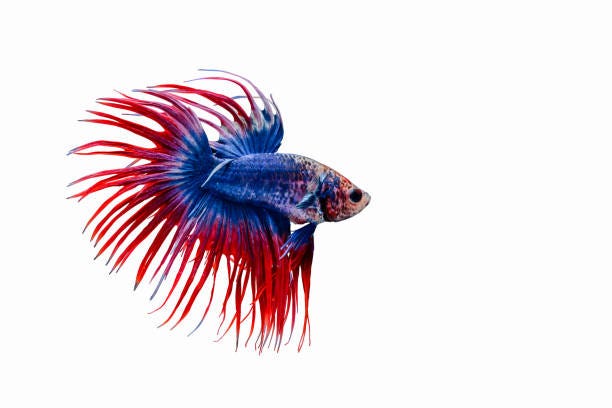
Credit: medium.com
Causes Of Aggression
Male betta fish often show aggressive behavior. Understanding why they act this way helps in managing them well.
Several causes make bettas aggressive. These causes relate to their nature and environment.
Territorial Instincts
Male bettas are very protective of their space. They see other males as threats in their territory.
This territorial behavior causes them to attack or chase intruders. They want to keep their area safe and alone.
- Bettas flare fins to look bigger
- They chase or nip at other males
- They guard their area strongly
Breeding Behavior
During breeding, male bettas become more aggressive. They protect their nest and female partners.
Their aggression helps them guard eggs and fight off rivals. This behavior is natural for their species.
- Males build bubble nests
- They guard eggs from threats
- Aggression rises to protect mates
Environmental Stressors
Stress from poor tank conditions can make bettas aggressive. Crowded or dirty tanks increase their stress.
Changes in water temperature or quality also cause agitation. Stress makes them less tolerant of other fish.
- Small or crowded tanks cause stress
- Poor water quality upsets bettas
- Sudden changes in environment trigger aggression
Tank Setup Tips
Betta fish males are known for their aggression. Setting up the right tank can help reduce fights and stress.
A good tank setup keeps your betta healthy and calm. Focus on size, hiding spots, and water quality.
Ideal Tank Size
Male bettas need enough space to swim and avoid each other. A larger tank lowers aggression.
Use tanks that hold at least 5 gallons. Bigger tanks offer better water stability.
- Minimum 5 gallons for one male betta
- More space helps reduce territorial fights
- Separate tanks needed for multiple males
Decor And Hiding Spots
Decorations give bettas places to hide and rest. This lowers stress and aggression.
Use plants, caves, and smooth decorations. Avoid sharp edges that can hurt your fish.
- Live or silk plants provide natural hiding spots
- Caves or tunnels create private spaces
- Arrange decor to break line of sight
- Avoid overcrowding the tank
Water Conditions
Clean and stable water keeps bettas healthy and calm. Poor water raises stress and aggression.
Maintain proper temperature, pH, and cleanliness. Use filters and regular water changes.
- Keep temperature between 76°F and 82°F
- Maintain pH around 6.5 to 7.5
- Change 25% of water weekly
- Use gentle filters to avoid strong currents
Feeding Strategies
Feeding a Betta fish correctly helps reduce aggression in males. A good plan keeps them healthy and calm.
Use the right food, feed at set times, and avoid fights during feeding. These steps help Betta males stay peaceful.
Balanced Diet
Offer a mix of protein-rich and plant-based foods. This balance supports growth and energy without causing stress.
- High-quality Betta pellets
- Frozen or live bloodworms
- Daphnia and brine shrimp
- Occasional vegetable flakes
Feeding Frequency
Feed your Betta small amounts twice a day. Avoid overfeeding to prevent health problems and aggression.
| Time | Amount |
| Morning | 2-3 pellets or equivalent |
| Evening | 2-3 pellets or equivalent |
Avoiding Competition
Feed Betta males in separate spaces to stop fights. Competition causes stress and injury.
Tips to avoid feeding fights:
- Use feeding rings for each Betta
- Feed fish in different tanks or compartments
- Observe and remove aggressive fish if needed
- Keep hiding spots for shy fish near feeding areas
Managing Multiple Bettas
Keeping several bettas in one space can be tricky. Male bettas often fight to protect their territory. Proper management helps keep them safe and healthy.
Understanding how to separate and house aggressive males is key. You can use different methods to reduce stress and avoid injuries.
Separating Aggressive Males
Male bettas are very territorial. They should never share the same open tank. Use separate tanks or containers to keep them apart. Clear visual barriers help reduce stress and aggression.
- Use individual tanks or jars for each male betta
- Place tanks apart to avoid seeing each other directly
- Keep water clean and at the right temperature
- Feed them separately to avoid competition
Using Dividers
Tank dividers let you keep male bettas in one tank but apart. They reduce space needed and allow easy care. Choose dividers that stop bettas from touching or seeing each other clearly.
| Type of Divider | Material | Pros | Cons |
| Plastic Mesh | Plastic | Good water flow, cheap | Sometimes sharp edges |
| Acrylic Panel | Acrylic | Strong, easy to clean | Blocks water flow |
| Glass Pane | Glass | Clear view, sturdy | Heavy, no water flow |
Community Tank Options
Some bettas can live in community tanks with careful planning. Choose peaceful tank mates and plenty of hiding spots. Avoid bright colors or long fins that may trigger fights.
- Select calm fish like small tetras or rasboras
- Add plants and decorations for cover
- Monitor betta behavior daily for signs of stress
- Have a backup plan to separate fish if needed
Behavioral Training
Training your betta fish helps reduce aggressive behavior. Understanding how to guide their actions keeps them calm.
Behavioral training focuses on recognizing signals, lowering stress, and encouraging good interaction.
Recognizing Warning Signs
Betta fish show clear signs before they act aggressively. Spotting these signs early helps prevent fights.
- Flaring gills and spreading fins
- Chasing or nipping at tank mates
- Darkening color or sudden changes
- Restlessness or constant movement
- Hiding or refusing food
Reducing Stress
Stress makes bettas more aggressive. Create a calm environment for better behavior.
| Cause | Solution |
| Overcrowding | Keep only one male per tank |
| Strong water currents | Use gentle filters |
| Sudden changes | Maintain stable water temperature |
| Bright lighting | Use dim or natural light |
Positive Interaction
Building trust with your betta reduces aggression. Use gentle methods to interact.
Try these tips to improve interaction:
- Feed your betta by hand or with a feeding ring
- Use a mirror briefly to encourage flare without stress
- Talk softly near the tank to get your betta used to your voice
- Offer new toys or plants to explore and play
Credit: jungleaquatics.com
Health And Aggression
Betta fish are known for their vibrant colors and unique personalities. Male bettas can be aggressive, which affects their health. Understanding how health impacts aggression is important for owners.
Proper care can prevent aggression and promote a peaceful environment. Let’s explore how to identify illness, its impact on behavior, and preventive care strategies.
Identifying Illness
Illness in bettas often shows through changes in appearance and behavior. Watch for signs like color fading and unusual spots.
- Faded colors or dull appearance
- Clamped fins or torn edges
- White spots or patches on the body
- Reduced appetite or skipping meals
- Lethargy or hiding frequently
Impact On Behavior
Health issues can increase aggression in male bettas. Stress and discomfort lead to more hostile behavior. Unwell fish may attack tank mates or display excessive flaring.
| Behavioral Sign | Possible Cause |
| Excessive flaring | Stress or discomfort |
| Chasing tank mates | Territorial aggression |
| Sudden aggression | Illness or injury |
Preventive Care
Preventive care helps maintain a healthy environment for bettas. Regular tank maintenance and water quality checks are crucial. Nutrition also plays a key role in preventing illness and aggression.
Ensure the water temperature is between 76°F and 81°F. Provide a varied diet including high-quality pellets and occasional live foods. Conduct weekly water changes to remove toxins.

Credit: www.reddit.com
Frequently Asked Questions
How To Prevent Male Betta Fish Aggression?
Prevent aggression by providing separate tanks for males. Use dividers and avoid overcrowding. Maintain clean water and proper tank size.
Why Are Male Betta Fish So Aggressive?
Male Bettas are territorial by nature. They protect their space from other males, especially in confined areas.
Can Tank Decorations Reduce Betta Aggression?
Yes, plants and hiding spots help. They break sightlines and reduce stress, lowering aggressive behaviors in male Bettas.
How Often Should I Separate Aggressive Male Bettas?
Separate immediately when signs of aggression appear. Never house two males together without barriers to prevent injury.
Conclusion
Controlling betta aggression keeps your fish healthy and happy. Small changes in their space help reduce fights. Providing hiding spots and separate tanks works well. Feeding them regularly also lowers stress and aggression. Watching their behavior helps catch problems early.
Patience and care make a big difference over time. Enjoy peaceful bettas with these simple steps. Your effort creates a calm and safe tank environment.