
Keeping your species-specific tank clean and healthy can feel like a constant battle against algae. You want your aquatic pets to thrive, not hide behind green, fuzzy patches.
But what if you could stop algae before it takes hold? Imagine a crystal-clear tank where your fish or plants shine without the stress of constant scrubbing. You’ll discover simple, effective ways to prevent algae growth and keep your tank looking its best.
Ready to transform your aquarium care routine? Let’s dive in and make algae problems a thing of the past.
Causes Of Algae Growth
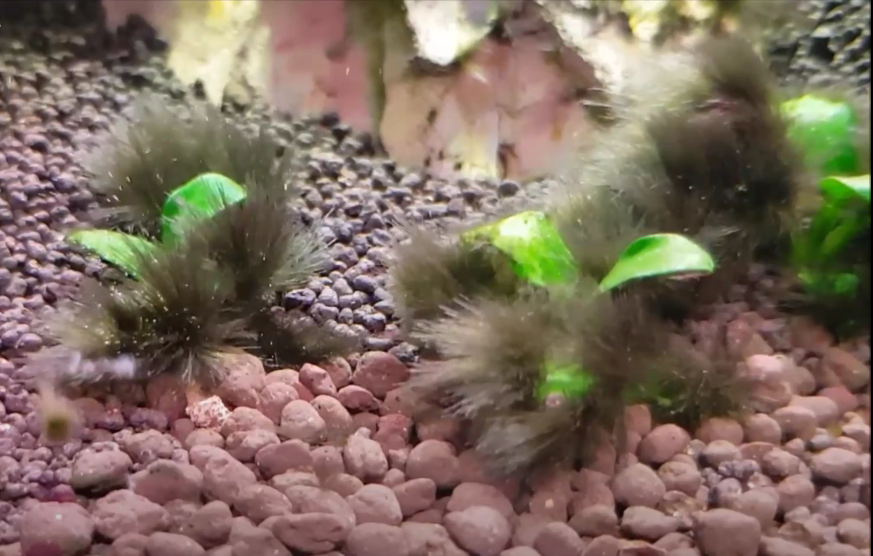
Algae growth in species-specific tanks can harm aquatic life. Understanding what causes algae helps keep tanks clean.
Algae grow quickly when certain conditions are met. These include nutrients, light, and water quality.
Nutrient Sources
Nutrients like nitrogen and phosphorus feed algae. These come from fish waste, leftover food, and decaying plants.
- Fish waste produces ammonia, a nutrient for algae.
- Uneaten food breaks down and adds extra nutrients.
- Dead plant matter releases nutrients as it decomposes.
- Tap water may contain nitrates and phosphates.
Light Exposure
Algae need light to grow, just like plants. Too much light causes algae to multiply fast.
| Light Condition | Effect on Algae |
| Direct sunlight | Speeds up algae growth |
| Long artificial light hours | Encourages algae bloom |
| Low light | Slows algae growth |
Water Quality Factors
Water that is not clean or balanced helps algae grow. Poor filtration and irregular changes cause problems.
Key water quality issues include:
- High nutrient levels from waste
- Low oxygen levels
- Unstable pH levels
- Excessive organic matter
Credit: www.co2art.us
Tank Setup Tips
Setting up a tank for specific species is important. Proper setup helps prevent algae growth. Algae can harm your fish and make the tank look dirty.
Choosing the right equipment and conditions is key. Follow these tips to keep your tank clean and healthy.
Choosing The Right Substrate
Substrate is the material at the bottom of the tank. It affects water quality and algae growth. Choose a substrate that suits your fish species.
Some substrates have nutrients that help plants grow. Plants can compete with algae for nutrients and light, reducing algae growth.
- Gravel is good for most freshwater tanks
- Sand is ideal for bottom-dwelling fish
- Avoid substrates with high phosphate levels
Optimal Lighting Choices
Lighting affects algae growth. Too much light can make algae grow faster. Choose lights that provide the right amount of brightness for your tank.
LED lights are a good choice. They are energy-efficient and produce less heat. Control the light duration to prevent algae from getting too much light.
- Use a timer to manage light exposure
- Provide 8-10 hours of light per day
- Adjust light intensity for your fish species
Effective Filtration Systems
Filtration is crucial for a healthy tank. It helps remove waste and keeps the water clean. A good filter reduces algae growth by removing excess nutrients.
Choose a filter that matches your tank size and species. Regular maintenance is important to ensure the filter works properly.
- Canister filters are powerful for large tanks
- Hang-on-back filters are easy to maintain
- Clean the filter media regularly to prevent clogs
Maintenance Practices
Keeping species-specific tanks free of algae needs regular care. Good maintenance helps fish stay healthy.
Simple steps can control algae growth and keep the tank clean. Here are some important practices.
Regular Water Changes
Changing water often removes extra nutrients that feed algae. It keeps the tank environment fresh.
Most tanks need about 10-20% water replaced every week or two. This helps balance the water quality.
- Use dechlorinated water for changes
- Match water temperature to avoid stress
- Remove debris from the tank bottom
- Do not change too much water at once
Cleaning Techniques
Cleaning the tank removes algae from surfaces and decorations. It keeps the habitat healthy for species.
Use soft tools to avoid harming plants or fish. Clean the glass, substrate, and equipment regularly.
- Scrub algae gently from glass walls
- Vacuum the gravel or sand
- Rinse filter parts in tank water only
- Clean decorations without soap
Monitoring Water Parameters
Check water quality often to prevent algae growth. Good water balance stops algae from spreading.
Test for pH, ammonia, nitrates, and nitrites. Keep these levels safe for your specific species.
- Keep pH within species’ preferred range
- Ammonia and nitrites should be zero
- Nitrate levels should stay low
- Use test kits weekly for best results

Credit: www.reddit.com
Algae-eating Species
Algae growth in species-specific tanks can cause many problems. Choosing the right algae-eating species helps keep tanks clean. These species eat algae naturally and reduce its spread.
Adding algae eaters supports tank health. They work with other tank inhabitants to balance the environment. This prevents algae from taking over the tank.
Suitable Fish Options
Some fish species eat algae actively. They fit well in species-specific tanks. These fish help control algae growth without harming other animals.
- Siamese Algae Eater: Eats many types of algae and is peaceful.
- Otocinclus Catfish: Small, gentle algae eater, great for small tanks.
- Chinese Algae Eater: Effective algae cleaner but can become territorial.
- Bristlenose Pleco: Eats algae from surfaces and decorations.
- American Flagfish: Eats algae and controls unwanted plant growth.
Compatible Invertebrates
Invertebrates add variety and help control algae. They clean surfaces and eat leftover algae. Choose species that live well with your fish.
| Invertebrate | Algae Type Eaten | Behavior |
| Amano Shrimp | Green algae, soft algae | Peaceful, social |
| Nerite Snails | Hard algae, green algae | Non-aggressive, good climbers |
| Ramshorn Snails | Algae and detritus | Fast breeders, peaceful |
| Cherry Shrimp | Soft algae | Active and small |
Balancing Tank Ecosystem
Balance helps prevent algae from growing too fast. Keep the tank clean and stable. Proper lighting, feeding, and water flow reduce algae problems.
- Control light exposure to 8-10 hours daily.
- Feed fish only what they eat in a few minutes.
- Keep regular water changes to remove waste.
- Use live plants to compete with algae for nutrients.
- Add algae eaters to maintain natural algae control.
Chemical Treatments
Chemical treatments help control algae in species-specific tanks. They can reduce algae growth quickly and keep the tank clean. Use chemicals carefully to protect your aquatic species.
Always choose products made for your tank type. Follow instructions closely to avoid harm to fish and plants.
Safe Algaecides
Safe algaecides kill algae without hurting fish or plants. Look for ones that target algae only. These products often contain copper or natural enzymes.
- Use algaecides labeled for your tank species.
- Apply in small doses to avoid stress on fish.
- Test water after treatment to check safety.
- Repeat treatment only if needed and follow waiting times.
Natural Remedies
Natural remedies reduce algae without chemicals. They improve tank balance and help fish stay healthy.
- Add algae-eating fish or snails suitable for your tank.
- Use plants that compete with algae for nutrients.
- Keep good water flow and light control.
- Perform regular water changes to remove excess nutrients.
Precautions And Risks
| Risk | Explanation |
| Overdosing | Can harm fish and plants, causing stress or death. |
| Wrong Product | May damage species or disrupt tank balance. |
| Water Quality | Chemicals can change pH and hardness, affecting fish health. |
| Resistance | Algae may grow back stronger if treatments are overused. |
Always read labels and follow safety guidelines. Test your water regularly. Use treatments as a last resort after natural methods.
Preventive Strategies
Preventing algae growth is key in species-specific tanks. Algae can harm your fish and plants.
Using simple strategies helps keep your tank clean and balanced. Focus on three main areas.
Controlling Nutrient Levels
Algae thrive on excess nutrients like nitrates and phosphates. Keep these nutrients low to stop algae.
- Change water regularly to reduce nutrient build-up
- Use a good filter to remove waste
- Avoid using too many fertilizers for live plants
- Remove decaying plants and debris quickly
Managing Light Duration
Light controls algae growth. Too much light causes algae to bloom fast.
| Light Duration | Effect on Algae |
| Less than 6 hours | Limits algae growth |
| 6 to 8 hours | Ideal for plants, controls algae |
| More than 8 hours | Encourages algae blooms |
Avoiding Overfeeding
Overfeeding causes leftover food to decay. This raises nutrients and feeds algae.
- Feed only what fish can eat in 2 minutes
- Remove uneaten food after feeding
- Feed smaller amounts more often
- Use sinking pellets for bottom feeders
Credit: buceplant.com
Frequently Asked Questions
How Can I Prevent Algae Growth In Species-specific Tanks?
To prevent algae, maintain clean water and control light exposure. Use a proper filtration system and avoid overfeeding. Regular water changes and adding algae-eating species also help keep algae in check.
What Role Does Lighting Play In Algae Prevention?
Lighting duration and intensity directly affect algae growth. Limit tank lights to 8-10 hours daily. Use LED lights with appropriate spectrum for plants and fish to reduce algae proliferation.
Which Algae-eating Species Are Safe For Species-specific Tanks?
Snails, shrimp, and certain fish like otocinclus can control algae. Choose species compatible with your tank inhabitants to avoid stress and maintain balance.
How Often Should I Clean My Species-specific Tank?
Clean your tank weekly by removing debris and scrubbing surfaces. Replace 20-30% of water regularly to reduce nutrients that feed algae.
Conclusion
Preventing algae in species-specific tanks keeps fish healthy and happy. Regular cleaning stops algae from growing fast. Control light exposure to reduce algae’s food source. Use proper filtration to keep water clear and clean. Feed fish only what they need to avoid leftover food.
Check water quality often and make changes as needed. Small steps make a big difference in tank care. Clear tanks mean better health for your aquatic pets. Keep these tips in mind for a beautiful aquarium.