
If you keep saltwater fish, you know how important clean, healthy water is for their survival. But with so many water treatments available, how do you choose the best one for your tank?
The right treatment can protect your fish from diseases, reduce stress, and keep your aquarium sparkling clear. You’ll discover the top water treatments that make a real difference. Stick with me, and you’ll learn how to create the perfect environment your saltwater fish will thrive in every day.
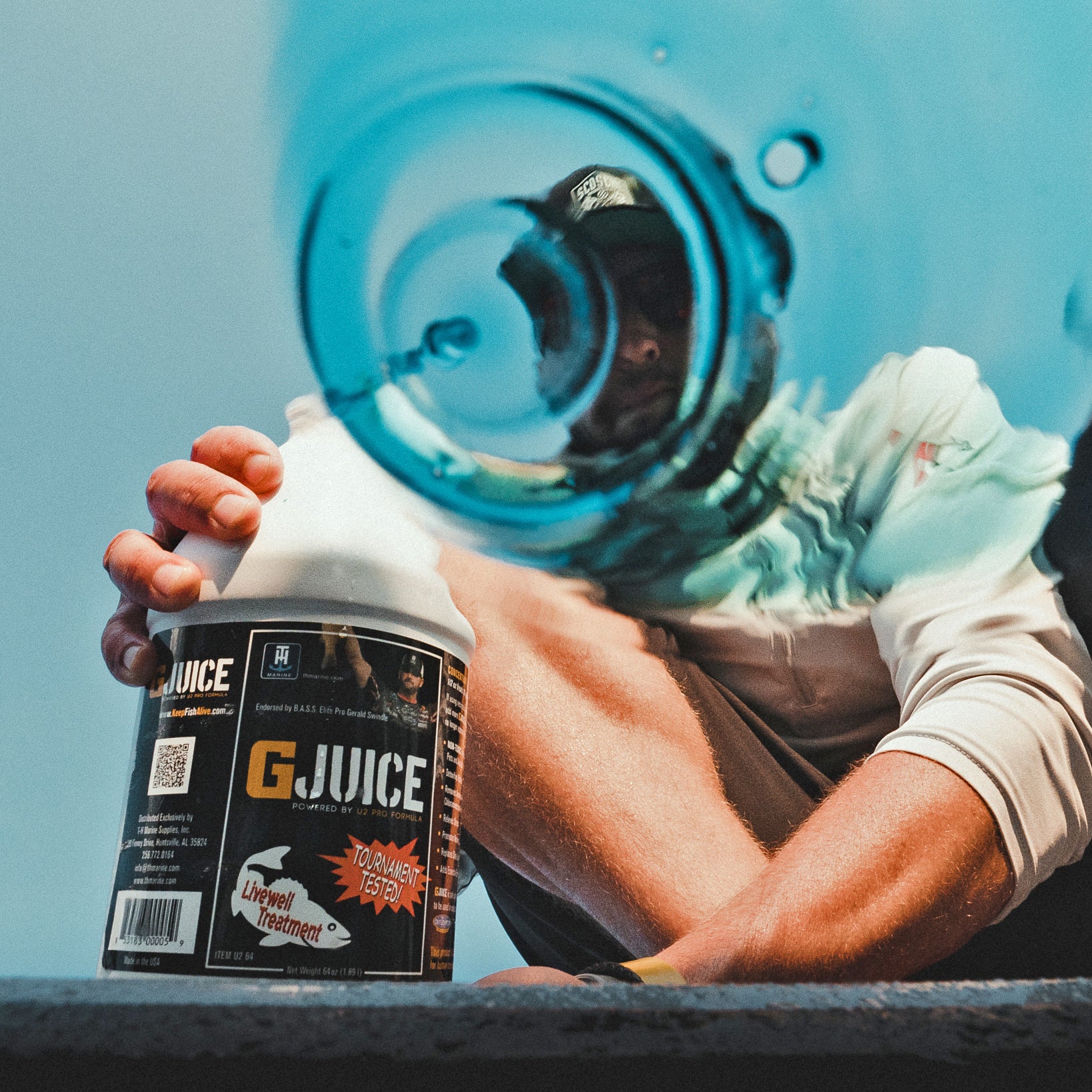
Credit: thmarinesupplies.com
Choosing Water Treatments
Water treatments help keep saltwater fish healthy. They remove harmful chemicals and balance water quality.
Choosing the right treatment improves fish survival and tank cleanliness. It is important to understand options available.
Types Of Water Conditioners
Water conditioners come in many types. Each type has a special role in making water safe for saltwater fish.
- Dechlorinators:Remove chlorine and chloramine from tap water.
- Detoxifiers:Neutralize heavy metals like copper and lead.
- Biological enhancers:Support beneficial bacteria growth.
- pH stabilizers:Keep water pH stable and within safe range.
- Mineral supplements:Add essential minerals for fish health.
Benefits For Saltwater Tanks
Using water treatments helps create a stable home for saltwater fish. Treatments protect fish from toxins.
Treated water supports coral and plants. It also reduces stress and disease in fish.
- Removes harmful chemicals to prevent fish harm
- Balances minerals and pH for a healthy environment
- Improves water clarity and reduces odors
- Encourages good bacteria to break down waste
- Supports strong immune systems in fish
Removing Chlorine And Chloramine
Chlorine and chloramine are chemicals used in tap water to kill germs. These chemicals can harm saltwater fish. Removing them is important before adding water to your aquarium.
Both chlorine and chloramine affect fish health if not treated. You need safe water treatment methods to protect your aquatic pets.
Safe Dechlorination Methods
Dechlorination removes harmful chlorine and chloramine from water. Using proper methods keeps your fish safe and healthy.
Common safe methods include chemical treatments and natural processes. Each method has benefits for saltwater fish tanks.
- Use water conditioners designed for saltwater aquariums
- Activated carbon filters remove chlorine and chloramine
- Let water sit for 24 hours to evaporate chlorine (not chloramine)
- Use sodium thiosulfate-based dechlorinators for quick treatment
- Check product labels to ensure they neutralize chloramine
Impact On Fish Health
Chlorine damages fish gills and skin. Chloramine breaks down slowly and releases ammonia, which is toxic.
Untreated water causes stress, illness, and death in fish. Safe water treatment improves fish survival and growth.
- Reduces gill irritation and breathing problems
- Prevents chemical burns on fish skin
- Lowers toxic ammonia levels from chloramine breakdown
- Supports strong immune systems in fish
- Ensures a stable and healthy aquarium environment
Balancing Ph Levels
Maintaining the right pH level is vital for saltwater fish health. It affects their breathing, feeding, and overall well-being.
Balancing pH needs regular checks and careful adjustments. Sudden changes can stress or harm the fish.
Ideal Ph Range For Saltwater Fish
Most saltwater fish thrive in water with a pH between 8.0 and 8.4. Keeping pH stable in this range supports their natural environment.
| Fish Type | Ideal pH Range |
| Clownfish | 8.0 – 8.4 |
| Angelfish | 8.1 – 8.3 |
| Damselfish | 8.0 – 8.4 |
| Tang Fish | 8.1 – 8.4 |
Adjusting Ph Safely
Adjust pH slowly to avoid stressing fish. Use products made for saltwater tanks and follow instructions closely.
- Test water pH regularly with a reliable kit
- Add pH increasers or reducers in small amounts
- Wait several hours between adjustments
- Avoid sudden large pH changes
- Keep tank water clean and well-filtered
Controlling Ammonia And Nitrites
Ammonia and nitrites are harmful chemicals in saltwater fish tanks. They can hurt or kill your fish if not controlled. Keeping these chemicals low is important for healthy fish.
Good water treatments help remove ammonia and nitrites. This guide explains how to use ammonia removers and maintain nitrate levels safely.
Using Ammonia Removers
Ammonia removers are products that reduce toxic ammonia in the water. They make the water safer for your saltwater fish quickly. Use these removers as directed on the label for best results.
- Test water often to check ammonia levels
- Add the remover slowly to avoid shocking fish
- Use removers only when ammonia is high
- Do partial water changes after treatment
- Keep filters clean for better ammonia control
Maintaining Nitrate Levels
Nitrates come from nitrites breaking down. High nitrate levels can stress fish and cause algae growth. Keep nitrate levels low with good water care.
| Method | How It Helps |
| Regular Water Changes | Remove nitrates from the tank |
| Use Live Plants | Plants absorb nitrates naturally |
| Proper Filtration | Filters break down waste chemicals |
| Feed Fish Moderately | Less food reduces nitrate buildup |
Enhancing Water Clarity
Clear water is vital for saltwater fish health. It helps fish breathe and reduces stress.
Good water clarity also makes your aquarium look clean and beautiful. Use the right treatments to keep water clear.
Clarifiers And Filtration Techniques
Water clarifiers help remove tiny particles that make water cloudy. They bind these particles so filters can catch them easily.
Filtration systems use mechanical, chemical, and biological methods. Mechanical filters catch debris. Chemical filters remove toxins. Biological filters break down waste.
- Use a quality mechanical filter to trap dirt and waste
- Add activated carbon to remove chemicals and odors
- Include biological media to support helpful bacteria
- Clean filters regularly to keep them effective
Preventing Algae Growth
Algae can make water green and cloudy. It grows fast when there is too much light or nutrients.
Control algae by managing light and feeding fish the right amount. Regular water changes also help stop algae growth.
- Limit aquarium light to 8-10 hours daily
- Do not overfeed fish to reduce excess nutrients
- Perform weekly partial water changes
- Use algae-eating fish or snails to clean surfaces

Credit: www.amazon.com
Adding Trace Elements
Trace elements are vital for the health of saltwater fish. They support biological functions and enhance fish color.
Regularly adding these elements to your tank can mimic natural ocean conditions. This keeps marine life thriving.
Essential Minerals For Marine Life
Marine fish need certain minerals for growth and health. These minerals support their immune systems and coloration.
- Calcium: Strengthens fish bones and supports coral growth.
- Magnesium: Helps maintain water chemistry balance.
- Potassium: Aids in nerve function and muscle health.
Supplementing With Additives
Using additives is a simple way to maintain the right levels of trace elements. These products are available in liquid or powdered form.
| Additive Type | Benefits |
| Liquid | Easy to dose and mix |
| Powder | Cost-effective for large tanks |
Treating Diseases And Parasites
Saltwater fish can face various illnesses and parasites in their habitat. It’s important to know how to treat these effectively.
Proper treatment ensures the health and longevity of your saltwater fish. Let’s explore common issues and how to address them.
Common Saltwater Fish Illnesses
Fish illnesses can arise from poor water quality, stress, or infections. Recognizing symptoms early is crucial for treatment.
- Ich: Look for white spots on fins and gills.
- Fin Rot: Notice frayed or discolored fins.
- Velvet: Check for a dusty, gold coating on the skin.
Medications And Dosage Guidelines
Using the right medication with correct dosage is key. Always follow guidelines to avoid harming your fish.
| Medication | Condition | Dosage |
| Copper Sulfate | Ich | 0.15 ppm for 10 days |
| Melafix | Fin Rot | 5 ml per 10 gallons daily |
| Formalin | Velvet | 25 mg per liter |

Credit: www.amazon.com
Regular Maintenance Tips
Keeping saltwater fish healthy needs steady care. Regular maintenance helps keep water clean and fish safe. This guide covers key tips for water testing and tank cleaning.
By following simple routines, you can avoid many common problems. Testing water and cleaning the tank are the main tasks to focus on.
Water Testing Frequency
Testing your saltwater tank water is very important. It shows if conditions are right for fish. Test water often to catch problems early. Here is a list of common tests and how often to do them.
- Check ammonia and nitrite levels twice a week
- Test nitrate levels weekly
- Measure pH and salinity once a week
- Test calcium, alkalinity, and magnesium every two weeks
- Do a full water parameter check monthly
Tank Cleaning Best Practices
Cleaning your saltwater tank keeps fish healthy and tank clear. Avoid over-cleaning to protect beneficial bacteria. Use the right tools and methods to clean well.
| Cleaning Task | Frequency | Notes |
| Remove algae from glass | Weekly | Use a magnetic scraper or soft sponge |
| Clean substrate (gravel or sand) | Every 2 weeks | Use a siphon to remove debris |
| Change 10-20% of water | Weekly or biweekly | Use pre-mixed saltwater at correct temperature |
| Clean filter media | Monthly | Rinse in tank water, do not use tap water |
| Check and clean pumps | Monthly | Ensure proper water flow |
Frequently Asked Questions
What Are The Best Water Treatments For Saltwater Fish?
The best water treatments include marine salt mixes, dechlorinators, and beneficial bacteria. These maintain water quality, remove toxins, and support fish health effectively.
How Do Water Conditioners Help Saltwater Fish Tanks?
Water conditioners neutralize harmful chemicals like chlorine and chloramine. They also detoxify heavy metals, making the water safe for sensitive saltwater fish.
Can Saltwater Fish Tolerate Untreated Tap Water?
No, untreated tap water often contains chlorine and heavy metals. These can harm saltwater fish, so always use proper water treatments before adding water to the tank.
How Often Should I Treat Water In A Saltwater Aquarium?
Treat water with conditioners every time you add or change water. This helps maintain stable water parameters and prevents stress or illness in saltwater fish.
Conclusion
Choosing the right water treatments keeps saltwater fish healthy. Clean water helps fish live longer and stay active. Regular treatments stop diseases and improve water quality. Simple steps make a big difference in your tank. Use trusted products and follow instructions carefully.
Healthy fish mean a happy and beautiful aquarium. Keep learning and adjusting for the best results. Your saltwater fish will thank you every day.