
Keeping your freshwater fish healthy starts with one simple step: the right water treatment. You might think clean water is just clean water, but the truth is, your fish need more than that to thrive.
If you want to see vibrant colors, active swimming, and long lifespans, you need to know which water treatments truly make a difference. You’ll discover the best options to keep your aquarium water safe and balanced. By the end, you’ll feel confident about choosing treatments that protect your fish and create the perfect home for them.
Ready to dive in? Let’s get started.

Credit: store.drtimsaquatics.com
Types Of Water Treatments
Keeping freshwater fish healthy needs good water treatment. Different treatments help keep water safe and clean.
Understanding types of water treatments helps you choose the right one for your aquarium.
Dechlorinators And Water Conditioners
Tap water has chlorine or chloramine that can harm fish. Dechlorinators remove these chemicals. Water conditioners also help by neutralizing heavy metals.
Beneficial Bacteria Supplements
These supplements add good bacteria to your aquarium. Good bacteria break down fish waste and keep ammonia levels low. This helps create a healthy environment for fish.
Algaecides And Plant Boosters
Algaecides control algae growth that can cloud water and harm fish. Plant boosters provide nutrients to aquarium plants, helping them grow strong and clean the water.
- Algaecides reduce algae buildup
- Plant boosters supply essential minerals
- Both improve water quality
Ph Balancers And Mineral Additives
| Treatment Type | Purpose | Effect on Aquarium |
| pH Balancers | Adjust water acidity or alkalinity | Keep pH stable for fish comfort |
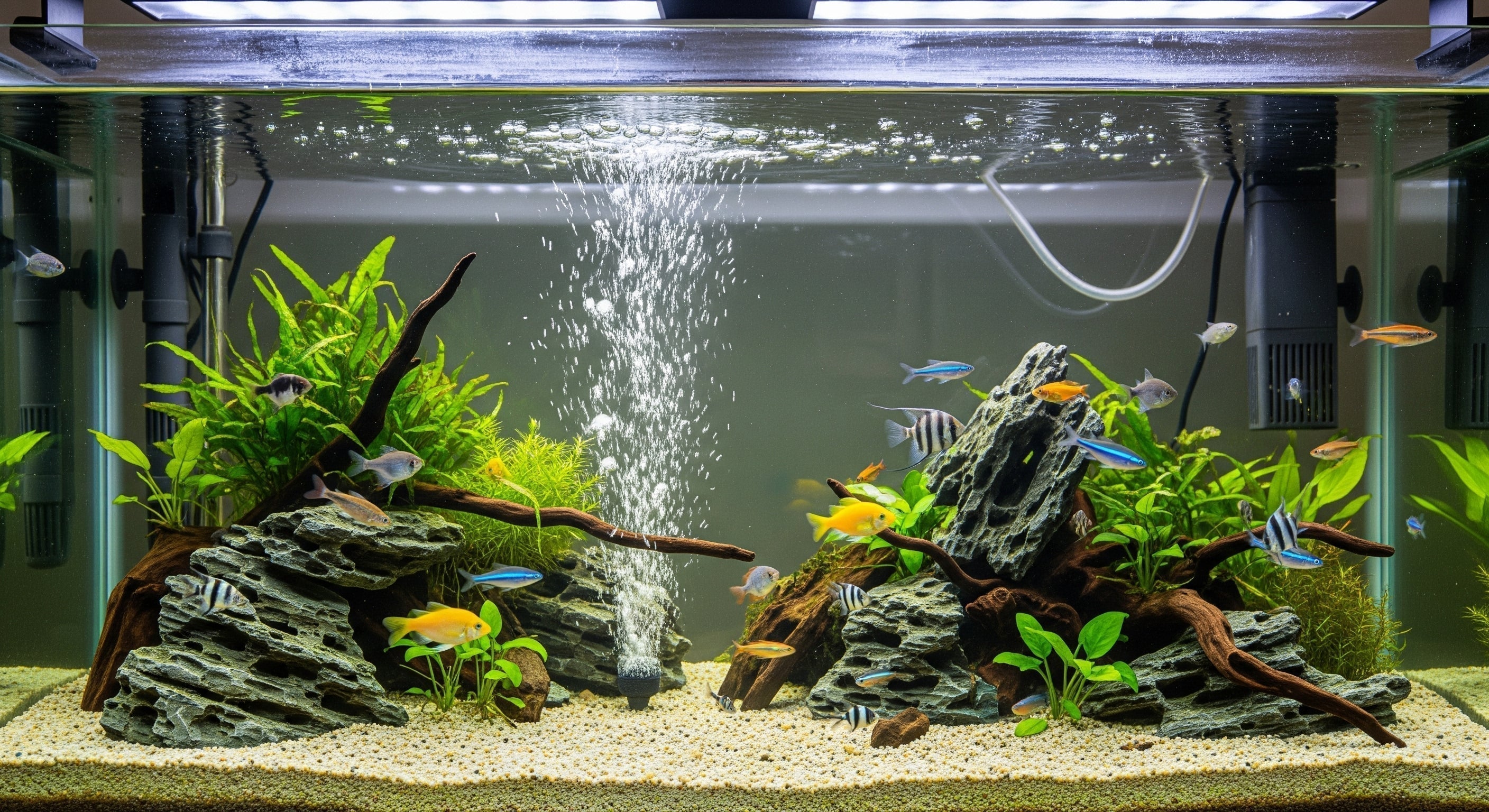
| Mineral Additives | Add essential minerals like calcium and magnesium | Support fish health and plant growth |
Credit: www.pond-planet.co.uk
Choosing Treatments By Fish Species
Freshwater fish need the right water treatments to stay healthy. Different fish species require specific care. Choosing the right treatment helps keep their environment safe.
Understanding each species’ needs makes it easier to select water treatments. This guide covers tropical, coldwater, and sensitive fish species.
Tropical Freshwater Fish Needs
Tropical fish live in warm water. They need stable temperatures and clean water. Treatments should keep water pH balanced and free from harmful chemicals.
- Use dechlorinators to remove chlorine and chloramine.
- Add beneficial bacteria to reduce ammonia and nitrites.
- Use water conditioners that stabilize pH levels.
- Keep nitrate levels low with regular water changes.
Coldwater Fish Considerations
Coldwater fish like goldfish need cool and oxygen-rich water. Treatments should support their tolerance to lower temperatures and prevent infections.
| Treatment | Purpose | Notes |
| Anti-fungal agents | Prevent fungal infections | Use carefully to avoid stress |
| Water softeners | Reduce hard water effects | Important in areas with hard tap water |
| Oxygen boosters | Increase oxygen levels | Helps fish breathe in cooler water |
Sensitive And Rare Species Care
Rare and sensitive fish need gentle care. They react quickly to chemicals and changes. Treatments must be mild and tested before use.
Key tips for sensitive species:
- Use low-dose treatments designed for delicate fish.
- Test water parameters often to avoid sudden changes.
- Quarantine new fish before adding them to the main tank.
- Consult experts or detailed guides before treatment.
Common Water Issues In Freshwater Tanks
Freshwater fish need clean water to stay healthy. Water problems can harm fish and plants.
Understanding common water issues helps you keep your tank safe and clear.
Chlorine And Chloramine Removal
Tap water has chlorine and chloramine to kill germs. These chemicals can hurt fish.
Use water conditioners to remove chlorine and chloramine before adding water to the tank.
- Chlorine evaporates quickly if left in open air
- Chloramine does not evaporate and needs special treatment
- Water conditioners make water safe instantly
Ammonia, Nitrite, And Nitrate Control
Fish waste and leftover food create ammonia, which is toxic to fish. Bacteria convert ammonia to nitrite and then nitrate.
High ammonia, nitrite, or nitrate levels harm fish. Regular water tests keep these under control.
- Use beneficial bacteria to break down ammonia and nitrite
- Change water regularly to lower nitrate levels
- Avoid overfeeding to reduce waste
Algae Growth Management
Algae grow from excess light and nutrients in the water. Small amounts are normal but too much is bad.
Control algae by limiting light and cleaning the tank regularly. Use algae-eating fish or snails safely.
- Reduce tank light to 8–10 hours daily
- Remove leftover food and waste promptly
- Clean tank walls and decorations often
Ph Fluctuations And Hardness
pH measures how acidic or basic water is. Fish need stable pH to avoid stress and illness.
Water hardness affects fish health and plant growth. Use test kits to monitor pH and hardness regularly.
- Keep pH stable by avoiding sudden water changes
- Use additives to raise or lower pH slowly
- Adjust hardness with minerals or soft water as needed
Credit: www.walmart.ca
How To Use Water Treatments Safely
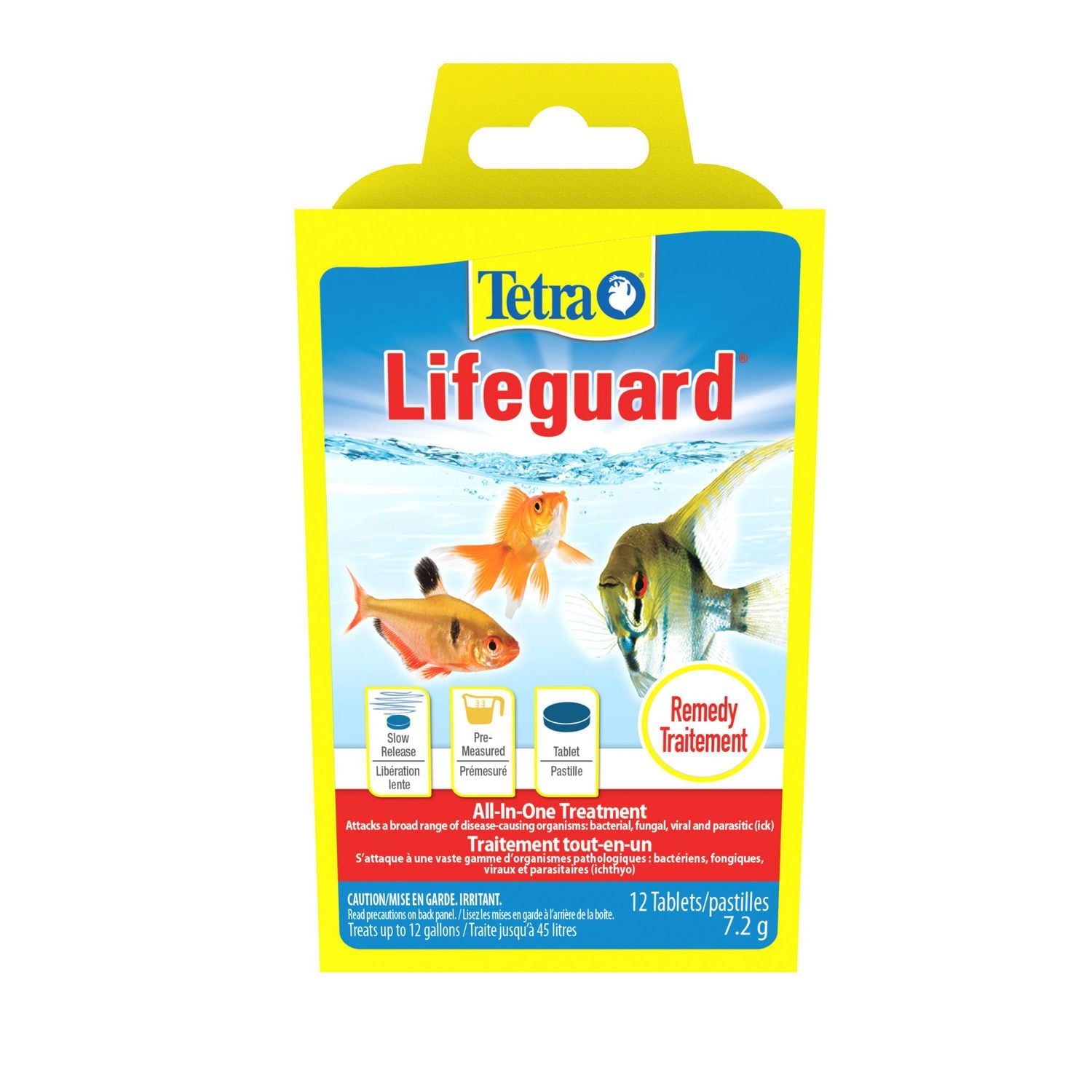
Using water treatments helps keep freshwater fish healthy. You must follow safety steps to avoid harm. Proper use protects your fish and improves water quality.
Learn the right dosage, timing, and how to watch water conditions. These tips keep your tank safe and your fish happy.
Dosage Guidelines
Always use the correct amount of treatment. Too much can hurt fish, and too little may not work. Read the label instructions carefully before adding any product.
| Fish Tank Size | Treatment Dosage |
| 10 gallons | 5 ml |
| 20 gallons | 10 ml |
| 50 gallons | 25 ml |
Timing And Frequency
Use treatments at the right time to get the best effect. Do not treat your tank too often. Follow the recommended schedule on the product label.
- Treat once or twice a week for minor issues
- Use daily only for serious infections
- Stop treatment after symptoms clear
- Wait several days before repeating treatment
Avoiding Over-treatment
Over-treating can cause stress and damage to fish and plants. Only use what you need. Do not add extra doses if the problem seems slow to improve.
Keep track of how much medicine you add. Never mix different treatments unless approved by an expert.
Monitoring Water Parameters
Check water quality often during treatment. Test these key factors to keep your fish safe:
- pH level
- Ammonia concentration
- Nitrite and nitrate levels
- Temperature
Adjust treatments or water changes based on test results. Good water conditions help fish recover faster.
Natural Alternatives And Diy Solutions
Keeping freshwater fish healthy needs clean water. Many natural ways help treat water without chemicals. DIY solutions can save money and keep fish safe.
Using natural materials and methods can improve water quality. These options reduce harmful substances and create a better environment for fish.
Using Live Plants
Live plants help keep fish tanks clean by absorbing toxins. They use nitrates and phosphates, which can harm fish if they build up. Plants also add oxygen to the water.
- Choose fast-growing plants like hornwort or water sprite
- Plant them in substrate or float them on the surface
- Trim plants regularly to prevent decay
- Keep proper light for photosynthesis
Natural Filtration Methods
Natural filters use beneficial bacteria and materials to clean water. They break down waste and remove harmful chemicals without harsh treatments.
| Filter Type | Material Used | Function |
| Biofilter | Porous stones or sponges | Hosts bacteria to digest fish waste |
| Plant Filter | Live aquatic plants | Absorbs nutrients and toxins |
| Gravel Filter | Layered gravel | Traps debris and supports bacteria |
Homemade Water Conditioners
DIY water conditioners use natural ingredients to make tap water safe. They remove chlorine and heavy metals and add minerals fish need.
- Boil water and let it cool to remove chlorine
- Add a few drops of vitamin C solution to neutralize chlorine
- Use crushed peat moss to soften water naturally
- Add a small amount of aquarium salt for fish health
Tips For Maintaining Healthy Water
Freshwater fish need clean water to live well. Simple steps can keep their tank healthy.
Follow these tips for the best water treatments for your fish. They will help fish thrive.
Regular Water Testing
Test the water in your fish tank often. This helps you know if the water is safe for the fish.
Check for pH, ammonia, and nitrate levels. These should be in the right range.
- pH should be between 6.5 and 7.5
- Ammonia should be 0 parts per million (ppm)
- Nitrate should be below 20 ppm
Proper Filtration Setup
A good filter keeps the water clean. It removes waste and harmful chemicals.
Choose a filter that matches your tank size. Check and clean it regularly.
- Use the right filter for your tank size
- Clean the filter every month
- Replace filter media as needed
Routine Water Changes
Changing water often keeps it fresh. This reduces toxins and keeps fish healthy.
Change 10-15% of the water every week. Use dechlorinated water to refill the tank.
- Change 10-15% of the water weekly
- Use dechlorinated water for refills
- Check water temperature before adding
Avoiding Overcrowding
Too many fish in one tank can cause problems. Each fish needs enough space to swim.
Calculate the right number of fish for your tank size. This prevents stress and waste build-up.
- Follow the one-inch fish per gallon rule
- Observe fish behavior for stress signs
- Remove excess fish if needed
Frequently Asked Questions
What Are The Best Water Treatments For Freshwater Fish?
The best water treatments include dechlorinators, beneficial bacteria, and aquarium salt. These improve water quality and fish health. Using these treatments prevents diseases and promotes a balanced tank environment.
How Do Dechlorinators Help Freshwater Fish Tanks?
Dechlorinators remove harmful chlorine and chloramine from tap water. This makes the water safe for fish. They protect fish gills and improve overall tank health by neutralizing toxins.
Can Beneficial Bacteria Improve Freshwater Fish Health?
Yes, beneficial bacteria break down harmful ammonia and nitrites in the tank. This natural process keeps water clean and safe. It supports a stable nitrogen cycle, essential for fish wellbeing.
When Should I Use Aquarium Salt In Freshwater Tanks?
Aquarium salt is best used to treat minor infections and reduce stress. It also helps in healing damaged fish tissues. However, it should be used sparingly and as directed.
Conclusion
Choosing the right water treatment keeps freshwater fish healthy and happy. Clean water reduces fish stress and disease risks. Regular testing helps catch problems early. Simple treatments like dechlorinators work well. Natural options support fish without chemicals. Stay consistent with water changes and treatments.
Healthy fish mean a beautiful and lively aquarium. Keep learning and caring for your fish daily. Your effort makes a big difference in their life.