
If you want your planted tank to thrive, the water quality is everything. You might have the best plants and fish, but without the right water conditioner, your efforts can fall flat.
Choosing the best water conditioner for your planted tank isn’t just about keeping the water clean—it’s about creating the perfect environment where your plants can grow strong and vibrant. You’ll discover the top water conditioners that protect your plants, balance essential nutrients, and keep harmful chemicals at bay.
Ready to transform your tank into a lush underwater garden? Keep reading to find out which products can make that happen.

Credit: www.amazon.com
Why Water Conditioners Matter
Water conditioners help keep planted tanks healthy. They treat tap water to make it safe for plants and fish.
Using water conditioners protects your aquatic plants from harmful chemicals. It also supports a balanced tank environment.
Effects Of Tap Water On Plants
Tap water often contains chemicals that harm plant growth. These chemicals can damage roots and stop plants from absorbing nutrients.
Hard water can cause mineral buildup, which clogs plant pores. This slows down photosynthesis and weakens plants.
Common Harmful Chemicals
Tap water may have chlorine, chloramine, and heavy metals. These chemicals are toxic to plants and fish.
- Chlorine kills beneficial bacteria and damages plant cells
- Chloramine is harder to remove and affects aquatic life
- Heavy metals like copper and lead poison plants and fish
Benefits For Aquatic Life
Water conditioners remove harmful substances and balance pH levels. This creates a safe habitat for plants and animals.
They help maintain good water quality. Healthy water supports plant growth and keeps fish active and safe.
Types Of Water Conditioners
Water conditioners help keep planted tanks healthy. They make tap water safe for fish and plants. Different types work in different ways.
Using the right conditioner keeps your tank environment stable. It supports fish health and plant growth.
Dechlorinators
Dechlorinators remove chlorine from tap water. Chlorine can harm fish and plants. Removing it makes water safe.
Some dechlorinators also remove chloramine. This chemical is often added with chlorine and is toxic to aquatic life.
- Neutralize chlorine and chloramine
- Protect fish gills and skin
- Safe for plants and beneficial bacteria
Heavy Metal Neutralizers
Heavy metal neutralizers remove metals like copper and lead. These metals can enter water from pipes or tap sources.
Heavy metals can harm fish and slow plant growth. Neutralizers bind metals so they are not toxic.
- Bind harmful metals to safe compounds
- Prevent metal buildup in tanks
- Protect sensitive fish and plants
Ph Stabilizers
pH stabilizers keep the water’s pH level steady. Sudden pH changes stress fish and plants. Stable pH helps them thrive.
These conditioners adjust water hardness and balance acids or bases. They create a healthy environment for your tank.
- Maintain stable pH values
- Adjust water hardness
- Support sensitive species
Beneficial Bacteria Boosters
Beneficial bacteria boosters add good bacteria to the tank. These bacteria break down waste and keep water clean.
They help establish the nitrogen cycle. This process turns harmful ammonia into less harmful substances.
- Introduce helpful bacteria
- Reduce toxic ammonia and nitrites
- Improve water clarity and health
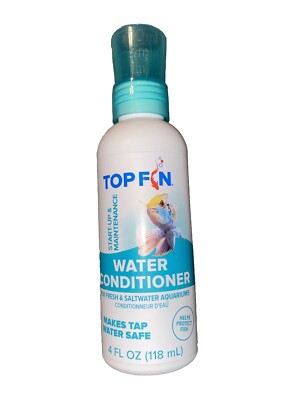
Top Water Conditioners For Planted Tanks
Healthy water is key to growing strong plants in your aquarium. Water conditioners help keep the water safe and balanced. They remove harmful chemicals and add nutrients plants need.
Choosing the right conditioner depends on your water type and plant needs. Some work best for sensitive plants, while others handle hard water well. Here are top options to consider.
Best For Sensitive Plants
Plants like Java fern and Anubias need gentle water care. These conditioners remove chlorine and heavy metals without adding stress. They keep water soft and safe.
- Removes chlorine and chloramine
- Neutralizes heavy metals
- Supports healthy root growth
- Does not change water pH
Best For Hard Water
Hard water has minerals like calcium and magnesium. These conditioners soften water and balance minerals. They help prevent algae and keep plants vibrant.
| Conditioner | Softening Effect | Mineral Balance |
| SoftWater Plus | Strong | Yes |
| Clear Aqua | Medium | Partial |
| PlantSafe | Light | Yes |
Budget-friendly Options
Affordable conditioners keep your tank safe without high costs. They remove chlorine and protect plants well. Good for beginners or large tanks.
- SafeGuard Water Conditioner
- AquaPure Plant Care
- FreshStart Softener
Premium Choices
Premium conditioners add extra benefits. They include vitamins and minerals that boost plant growth. These are ideal for serious hobbyists.
- Removes toxins quickly
- Enhances nutrient uptake
- Supports beneficial bacteria
- Maintains stable pH levels
Credit: www.ebay.com
How To Choose The Right Conditioner
Choosing the right water conditioner is important for a healthy planted tank. Good water helps plants grow strong and keeps fish safe.
It is important to understand what your tank needs before picking a conditioner. Each tank is different and needs a special kind of care.
Assessing Water Quality
Test the water for pH, hardness, and chlorine levels. These factors affect plant health and fish safety. Use a water test kit to get accurate results.
- Check for chlorine or chloramine in tap water
- Measure pH to match plant needs
- Test water hardness for proper mineral levels
- Look for heavy metals or toxins
Tank Size Considerations
Choose a conditioner that fits your tank size. Some conditioners work better for small tanks, while others are made for large tanks. Using the right amount is key.
| Tank Size | Recommended Conditioner Amount | Notes |
|---|---|---|
| Under 10 gallons | Small dose as per label | Use gentle formulas |
| 10 to 30 gallons | Moderate dose | Check for plant-safe ingredients |
| Over 30 gallons | Higher dose | May need stronger conditioners |
Plant Species Needs
Different plants have different needs. Some prefer soft water, others need minerals. Choose a conditioner that supports your plant types well.
- Soft water plants need conditioners that do not add hard minerals
- Hard water plants benefit from conditioners with added calcium and magnesium
- Fast-growing plants may need conditioners that improve nutrient uptake
Compatibility With Other Treatments
Check if the conditioner works well with fertilizers and medications. Some conditioners can react and reduce effectiveness of other treatments.
| Conditioner Type | Compatible Treatments | Notes |
|---|---|---|
| Dechlorinators | Most fertilizers | Safe with most medications |
| Heavy Metal Removers | Some medications | Check label for interactions |
| Mineral Boosters | Selective fertilizers | May affect water hardness |
Tips For Using Water Conditioners
Water conditioners help keep planted tanks healthy. They remove harmful chemicals and improve water quality.
Using water conditioners correctly is key to a thriving aquarium. Follow these tips to avoid problems.
Correct Dosage And Timing
Always measure the water conditioner before adding it. Use the amount the label suggests for your tank size.
Add the conditioner right after water changes. This helps neutralize harmful chemicals quickly.
- Use a measuring cup or dropper for accuracy
- Treat new water before adding it to the tank
- Repeat dosage as recommended during water changes
Avoiding Overuse
Too much conditioner can harm plants and fish. Stick to the recommended dose to keep the tank safe.
Overuse can cause cloudy water and stress aquatic life. Use only what is needed.
- Do not double the dose to speed up treatment
- Check water clarity and fish behavior after use
- Store conditioner properly to avoid accidental spills
Combining With Filtration Systems
Water conditioners and filters work well together. Conditioners neutralize chemicals while filters clean debris.
Use both to keep water safe and clear for your plants and fish. Replace filter media regularly for best results.
- Apply conditioner before turning on the filter
- Use mechanical and biological filters for best cleaning
- Clean or replace filter parts as the manufacturer suggests
Maintaining A Healthy Planted Tank
Keeping a planted tank healthy needs the right water conditioners. These help plants grow strong and vibrant. Regular care and monitoring are key to success.
Water conditioners remove harmful chemicals and balance the tank’s environment. This ensures that plants have the best chance to thrive.
Regular Water Testing
Testing the water regularly helps in maintaining a balanced environment. It checks for pH levels and harmful chemicals.
Water tests alert you to problems early. This allows for quick fixes to keep plants healthy.
- Use test kits for pH, ammonia, and nitrates
- Test water weekly for best results
Routine Water Changes
Changing water regularly keeps the tank clean. It removes waste and adds fresh nutrients for plants.
Fresh water supports plant health by reducing harmful build-up. This practice is simple yet effective.
- Change 10-15% of the water weekly
- Use dechlorinated water for changes
Monitoring Plant Health
Watching your plants helps in spotting health issues early. Look for color changes and growth patterns.
Healthy plants usually have bright colors and strong leaves. Any signs of decay need quick attention.
- Check leaves for yellowing or spots
- Trim dead leaves to promote growth

Credit: www.ebay.com
Frequently Asked Questions
What Is The Best Water Conditioner For Planted Tanks?
The best water conditioner for planted tanks removes chlorine and detoxifies heavy metals. It supports plant health and beneficial bacteria. Look for conditioners with added plant-friendly elements like potassium or iron for optimal growth.
How Do Water Conditioners Benefit Planted Aquariums?
Water conditioners neutralize harmful chemicals, making tap water safe. They protect delicate plants and fish from toxins. This creates a stable environment, promoting healthy plant growth and vibrant aquatic life in your planted tank.
Can Water Conditioners Improve Plant Growth In Aquariums?
Yes, certain water conditioners contain nutrients that enhance plant growth. They provide essential minerals and maintain water quality. This leads to stronger roots, lush foliage, and overall healthier plants in your aquarium.
How Often Should I Use Water Conditioners In Planted Tanks?
Use water conditioners every time you change water or add tap water. Regular use prevents chemical buildup and protects aquatic life. Consistent conditioning ensures a stable, healthy environment for your planted tank.
Conclusion
Choosing the right water conditioner helps keep your planted tank healthy. It protects plants and fish from harmful chemicals. Clean water supports strong plant growth and vibrant colors. Always pick conditioners made for aquariums. Regular use creates a safe, balanced environment in your tank.
Healthy water means happy plants and fish. Take care of your tank, and it will thrive. Simple steps lead to great results. Your planted tank deserves the best water quality.