
If you want your ornamental fish to thrive and stay healthy, water quality is one of the most important things you need to control. You might already know that tap water can contain harmful chemicals and toxins that put your fish at risk.
That’s where the best water conditioners come in—they help make your aquarium water safe and perfect for your finned friends. You’ll discover the top water conditioners that protect your fish, remove dangerous substances, and keep your tank sparkling clean. Keep reading, and you’ll learn exactly how to create the ideal environment your ornamental fish deserve.

Credit: thapelomokoena.com
Choosing Water Conditioners
Water conditioners help keep ornamental fish healthy. They improve water quality and remove harmful substances.
Selecting the right conditioner depends on your fish and tank setup. Understanding types and ingredients is important.
Types Of Water Conditioners
There are several types of water conditioners. Each type has a specific role in maintaining safe water.
- Dechlorinators remove chlorine and chloramine from tap water.
- Detoxifiers neutralize heavy metals like copper and lead.
- Biological enhancers support beneficial bacteria growth.
- Stress reducers calm fish during changes or transport.
Benefits For Ornamental Fish
Water conditioners protect fish from harmful chemicals. They keep fish gills and skin safe.
| Benefit | Effect on Fish |
|---|---|
| Chlorine removal | Prevents gill damage and stress |
| Heavy metal detox | Reduces poisoning risk |
| Improved water clarity | Helps fish find food easily |
| Stress relief | Supports immune system |
Key Ingredients To Look For
Check for ingredients that safely remove toxins. Some also promote fish health and water balance.
- Sodium thiosulfate removes chlorine quickly.
- Activated carbon helps absorb impurities.
- Vitamin B complex supports fish metabolism.
- Aloe vera soothes fish skin and reduces stress.
- Beneficial bacteria starters improve biological filtration.
Top Water Conditioners Reviewed
Water conditioners are essential for keeping ornamental fish healthy. They remove harmful chemicals and make water safe for fish.
Choosing the right conditioner depends on your tank type and budget. This guide reviews top options for different needs.
Best For Freshwater Tanks
Freshwater tanks need conditioners that remove chlorine and heavy metals. They also help reduce stress in fish.
Look for conditioners that detoxify ammonia and nitrites. They keep the water clean and safe for your fish.
- Removes chlorine and chloramine
- Neutralizes heavy metals
- Reduces fish stress
- Improves water clarity
Best For Saltwater Tanks
Saltwater tanks need conditioners that keep salt balance stable. They also help remove harmful chemicals.
Choose conditioners that protect delicate marine life. They should support coral and fish health.
- Maintains salt and mineral balance
- Removes chlorine and chloramine
- Safe for corals and invertebrates
- Supports healthy marine environment
Budget-friendly Options
Affordable water conditioners can still protect your fish well. Look for trusted brands with basic features.
These options remove chlorine and heavy metals. They work well for new and small tanks.
- Effective chlorine removal
- Safe for most ornamental fish
- Easy to use doses
- Good for beginners
How To Use Water Conditioners
Water conditioners keep ornamental fish safe by removing harmful chemicals. Using them correctly helps maintain clean and healthy water. This guide explains how to dose, when to add, and mistakes to avoid.
Always follow the instructions on the conditioner bottle. Proper use ensures your fish stay happy and stress-free.
Dosage Guidelines
Use the right amount of water conditioner based on your tank size. Too little will not remove toxins, and too much may harm the fish.
| Tank Size (Gallons) | Conditioner Amount (ml) |
| 5 | 5 |
| 10 | 10 |
| 20 | 20 |
| 50 | 50 |
Timing And Frequency
Add water conditioner every time you change the water. This removes chlorine and other chemicals instantly. Use it before adding new fish or plants too.
- Add conditioner right after filling the tank.
- Use it during water changes, usually once a week.
- Treat new water when adding fish or plants.
Common Mistakes To Avoid
Many fish owners make simple errors with water conditioners. Avoid these to keep your fish safe and water clean.
- Using too little conditioner for your tank size.
- Adding conditioner after adding fish instead of before.
- Skipping conditioner during water changes.
- Mixing different brands without checking compatibility.
- Not shaking the conditioner bottle well before use.

Credit: www.manawatubadminton.org.nz
Maintaining Optimal Water Quality
Good water quality is key for healthy ornamental fish. Clean water helps fish live longer and stay active.
Water conditioners improve the water by removing harmful substances. They keep the tank safe and balanced.
Testing Water Parameters
Regular testing shows if the water is safe for fish. It checks things like ammonia, nitrite, and nitrate levels.
Use test kits to measure these values at least once a week. This helps catch problems early.
- Ammonia should be zero to avoid fish stress
- Nitrites must be low to prevent poisoning
- Nitrates should be under safe limits to keep water clean
Balancing Ph And Hardness
Fish need the right pH and hardness to thrive. pH measures how acidic or basic the water is.
Hardness tells how much calcium and magnesium are in the water. Both affect fish health and plant growth.
- Keep pH stable according to fish species needs
- Adjust hardness slowly to avoid shocking fish
- Use water conditioners to balance pH and hardness
Role Of Filtration Systems
Filtration removes waste and harmful chemicals from the water. It keeps the tank clear and safe.
Filters can be mechanical, biological, or chemical. Each type helps clean the water in a different way.
- Mechanical filters trap debris and dirt
- Biological filters break down toxic waste
- Chemical filters remove odors and chemicals
Troubleshooting Water Issues
Keeping water safe is key for healthy ornamental fish. Water problems can hurt fish health fast. You must find and fix water issues quickly to protect your fish.
This guide helps you spot common water problems. It also shows how to treat them with the right water conditioners. Follow these tips to keep your fish tank water clean and safe.
Identifying Contaminants
Contaminants in fish tanks can come from many sources. Tap water, leftover food, and waste are common causes. Watch for cloudy water, strange smells, or sick fish as signs of trouble.
- Test water regularly for pH, ammonia, and nitrites.
- Look for visible particles or discoloration.
- Notice fish behavior like gasping or lethargy.
- Check filters and remove debris often.
Treating Chlorine And Chloramine
Chlorine and chloramine protect tap water but harm fish. These chemicals need removal before adding water to tanks. Use water conditioners designed to neutralize them safely.
| Chemical | Effect on Fish | Treatment Method |
| Chlorine | Damages gills and skin | Water conditioner with chlorine neutralizer |
| Chloramine | Releases ammonia harmful to fish | Water conditioner that removes chloramine and ammonia |
Handling Ammonia And Nitrites
Ammonia and nitrites come from fish waste and decaying plants. Both are toxic and cause stress or death in fish. Regular testing and treatment keep these chemicals low.
- Test water weekly for ammonia and nitrites.
- Use water conditioners that detoxify ammonia.
- Do partial water changes to lower toxins.
- Keep filters clean and working well.
Credit: www.ebay.com
Natural Alternatives
Ornamental fish need clean water to stay healthy. Chemical water conditioners can be expensive. Natural alternatives are safer and cost less.
Plants and homemade recipes can improve water quality. They are easy to use and eco-friendly.
Using Plants And Substrates
Plants help keep water clean for fish. They absorb harmful chemicals and release oxygen.
Substrates like gravel and sand filter the water. They hold helpful bacteria that break down waste.
- Java moss and Anubias are good plant choices
- Sand and gravel are popular substrates
- Plants need light to grow well
Diy Water Conditioner Recipes
Homemade water conditioners are easy to make. You can use ingredients from your kitchen.
These recipes help remove chlorine and other chemicals. They are safe for fish and plants.
- Use dechlorinated water with vitamin C tablets
- Mix aloe vera juice with water for a soothing effect
- Boil and cool almond leaves for a natural conditioner
Frequently Asked Questions
What Is The Best Water Conditioner For Ornamental Fish?
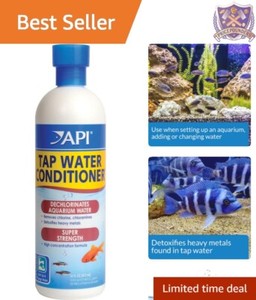
The best water conditioner removes chlorine, chloramine, and heavy metals. It ensures safe, healthy water for delicate ornamental fish. Popular brands include Seachem Prime and API Tap Water Conditioner.
How Do Water Conditioners Benefit Ornamental Fish Tanks?
Water conditioners detoxify harmful chemicals in tap water. They improve fish health by reducing stress and preventing disease. Conditioners also support beneficial bacteria growth in the aquarium.
Can Water Conditioners Remove Ammonia And Nitrites?
Some advanced water conditioners neutralize ammonia and nitrites temporarily. This protects fish during water changes or emergencies. However, biological filtration is essential for long-term ammonia and nitrite control.
How Often Should I Use Water Conditioner In My Aquarium?
Use water conditioner every time you add tap water to your tank. This includes new setups, water changes, and topping off evaporation. Regular use maintains safe water conditions for your fish.
Conclusion
Choosing the right water conditioner keeps your fish healthy and happy. Clean water helps fish grow strong and live longer. Use products that remove chlorine, heavy metals, and toxins quickly. Always follow instructions to avoid harming your fish. Good water quality means fewer diseases and less stress for fish.
Keep your aquarium safe with the best water conditioners. Your fish will thank you with vibrant colors and lively swimming. Simple steps make a big difference in fish care. Start today for a thriving, beautiful aquarium.