
Keeping your marine tank healthy and vibrant isn’t always easy. You want crystal-clear water that supports your fish and coral, but sometimes tap water can bring unwanted chemicals and impurities.
That’s where the best water conditioners for marine tanks come in. They help you create a safe, balanced environment quickly and easily. If you’re serious about protecting your underwater world and making maintenance simpler, this guide will show you exactly what to look for and which products deliver the best results.
Keep reading to find the perfect water conditioner for your marine tank!
Why Water Conditioners Matter
Water conditioners help keep marine tanks safe for fish and corals. They remove harmful chemicals and balance water quality.
Good water conditions are needed for marine life to grow and stay healthy. Conditioners make this possible.
Impact On Marine Life
Marine animals are sensitive to water changes. Poor water can stress or kill fish and corals.
Water conditioners reduce toxins and create a stable environment. This helps marine life thrive and avoid illness.
Common Water Issues
Marine tanks often face problems like chlorine, chloramine, and heavy metals in water. These are harmful to marine creatures.
Other issues include improper pH, ammonia, and nitrite levels. These can cause stress and disease in tanks.
- Chlorine and chloramine from tap water
- Heavy metals like copper and lead
- Ammonia and nitrite from waste
- Unstable pH levels
Benefits Of Conditioning
Water conditioners remove harmful chemicals and neutralize toxins. This protects marine animals from stress and damage.
Conditioners also help maintain stable water parameters. Stable water supports growth and healthy behavior in marine life.
- Removes chlorine and chloramine
- Neutralizes heavy metals
- Improves water clarity
- Keeps pH and ammonia levels safe
- Supports strong immune systems in marine life

Credit: www.amazon.com
Types Of Water Conditioners
Water conditioners keep marine tanks safe for fish and plants. They remove harmful substances and balance water quality. Using the right conditioner helps maintain a healthy tank environment.
There are several types of water conditioners. Each type has a specific role in improving water conditions. Knowing these types helps you choose the best one for your marine tank.
Dechlorinators
Dechlorinators remove chlorine and chloramine from tap water. These chemicals can harm fish and beneficial bacteria. Dechlorinators make tap water safe by neutralizing these toxins quickly.
Detoxifiers
Detoxifiers neutralize harmful chemicals like ammonia and nitrites. These substances build up from fish waste and uneaten food. Detoxifiers reduce stress and prevent damage to marine life.
- Neutralize ammonia
- Reduce nitrite toxicity
- Protect fish gills and skin
- Improve overall water safety
Ph Balancers
pH balancers adjust the acidity or alkalinity of water. Marine tanks need a stable pH for healthy fish and coral. These conditioners keep pH levels steady and prevent sudden changes.
| pH Level | Effect on Marine Life |
| Below 7.5 | Too acidic, can harm fish and coral |
| 7.5 – 8.4 | Ideal range for most marine tanks |
| Above 8.4 | Too alkaline, stress to marine creatures |
Heavy Metal Removers
Heavy metal removers clear metals like copper, lead, and zinc. These metals come from tap water or tank equipment. Removing metals prevents poisoning and keeps fish healthy.
Key Features To Look For
Water conditioners are essential for marine tanks. They help create a safe environment for marine life. Choosing the right one can be challenging.
This guide explains what features to look for in the best water conditioners. Understanding these features ensures the health of your marine tank.
Effectiveness
An effective water conditioner removes harmful substances. It should neutralize chlorine and chloramines. It should also detoxify heavy metals.
- Neutralizes chlorine and chloramines
- Detoxifies heavy metals
- Improves water clarity
Safety For Marine Species
Safety is crucial for marine species. The conditioner should not harm fish or corals. It should be free from harsh chemicals.
- Safe for fish and corals
- Free from harsh chemicals
- Maintains pH balance
Ease Of Use
Water conditioners should be easy to use. Look for products with simple instructions. A clear dosage guide is helpful.
- Simple instructions
- Clear dosage guide
- Easy application process
Compatibility With Tank Setup
Check the compatibility of the conditioner with your tank setup. It should work well with both saltwater and freshwater tanks. Consider its compatibility with other products you use.
| Saltwater | Freshwater | Compatible with other products |
| Yes | Yes | Yes |
Top Water Conditioners For Marine Tanks
Marine tanks need clean and safe water for fish and corals. Water conditioners help remove toxins and balance water quality.
Choosing the right conditioner keeps your marine life healthy and stress-free. Here are top options for different needs.
Best Overall Conditioner
This conditioner works well in most marine tanks. It removes chlorine, chloramine, and detoxifies ammonia fast. It also adds minerals that benefit corals and fish.
Best For Sensitive Species
This formula is gentle and safe for delicate fish and corals. It removes harmful chemicals without stressing sensitive species. It also supports the immune system of marine life.
- Removes chlorine and chloramine
- Neutralizes heavy metals
- Supports coral growth
- Safe for invertebrates
Best Budget Option
This conditioner offers good protection at a low cost. It removes chlorine and chloramine and controls ammonia. It is easy to use and works well for beginners.
Best For Heavy Metal Removal
| Feature | Description |
| Heavy Metal Removal | Strongly binds and removes copper, lead, and zinc |
| Chlorine & Chloramine | Eliminates both quickly |
| Ammonia Detoxification | Neutralizes ammonia for safe water |
| Additional Benefits | Supports beneficial bacteria growth |
This conditioner targets harmful metals that can hurt marine creatures. It also detoxifies chlorine and ammonia for a safer tank environment.
How To Use Water Conditioners Correctly
Using water conditioners is key to keeping marine tanks safe. They remove harmful chemicals from tap water. Proper use ensures your fish and corals stay healthy.
Follow clear steps for dosage, timing, and mixing with other treatments. This helps avoid stress or damage in your marine environment.
Dosage Guidelines
Always measure the right amount of conditioner. Too much can harm your tank life. Too little may not remove toxins properly.
- Read the label carefully for recommended dose per gallon or liter.
- Use a clean measuring tool for accuracy.
- Adjust dose if your water source changes.
- Do not guess or eyeball the amount.
- Keep extra conditioner sealed and stored safely.
Timing And Frequency
Apply the conditioner just before adding water to the tank. This ensures chemicals are neutralized immediately.
| Action | When to Do It |
| Initial water change | Right before adding new water |
| Top-off water | Every time you add fresh water |
| New tank setup | Before filling the tank |
| Emergency treatment | Immediately after water contamination |
Follow recommended frequency from the product instructions. Overuse can upset tank balance.
Combining With Other Treatments
Some water conditioners work well with other products. Others may react poorly. Check compatibility first.
Tips for safe combining:
- Wait 10-15 minutes between treatments.
- Add conditioner before medications or supplements.
- Mix only if product labels allow.
- Monitor tank for stress signs after adding new products.
- Consult with aquarium experts for complex treatments.

Credit: www.amazon.com
Common Mistakes To Avoid
Maintaining a marine tank requires careful water treatment. Using water conditioners correctly is key for healthy marine life. Many aquarists make simple mistakes that harm their tanks.
Knowing what to avoid can save your marine tank from stress and damage. Here are common errors to watch out for when using water conditioners.
Overdosing
Adding too much water conditioner is a frequent mistake. Overdosing can upset the tank’s balance and harm fish and corals. Always follow the product’s instructions exactly.
- Measure doses carefully with a syringe or dropper.
- Do not add extra “just in case.”
- Wait the recommended time before repeating doses.
- Keep track of all treatments given.
Ignoring Water Testing
Not testing water regularly leads to problems. Water testing shows if conditioner levels are correct and if the tank is safe. Skipping tests may hide dangerous changes.
| Test Type | Why It Matters |
| pH Level | Shows acidity or alkalinity |
| Ammonia | Detects harmful waste |
| Nitrite | Indicates filtration issues |
| Salinity | Measures salt concentration |
| Conditioner Residue | Checks for overdosing |
Using Incompatible Products
Mixing water conditioners that do not work together can cause harm. Some chemicals react and create toxins. Always check product labels and avoid combining unknown items.
- Use products from the same brand or line if possible.
- Research each product’s ingredients before use.
- Ask experts or read forums for advice.
- Test water after adding new products.
Maintaining Optimal Water Quality
Keeping marine tanks healthy involves maintaining the best water quality. Water conditioners play a key role in this process. They help in balancing the water chemistry, ensuring your marine life thrives.
Understanding and following the right practices can make a significant difference. Here are some essential tips for maintaining optimal water quality in your marine tanks.
Regular Testing
Regular testing of your tank water is vital. It helps in identifying potential issues early. Testing kits are available for ammonia, nitrite, and pH levels.
- Use a reliable test kit weekly
- Record results to track changes
- Consult experts if levels fluctuate
Filtration Tips
A good filtration system can make or break your tank’s environment. It removes debris and toxins, keeping water clean and clear.
| Filter Type | Benefits |
| Mechanical | Removes solid waste |
| Chemical | Neutralizes toxins |
| Biological | Breaks down waste |
Water Change Practices
Regular water changes are essential. They reduce waste buildup and refresh your tank’s water. This keeps your marine life healthy and happy.
Consider changing 10-15% of the water weekly. Use a siphon to remove debris from the bottom of the tank.
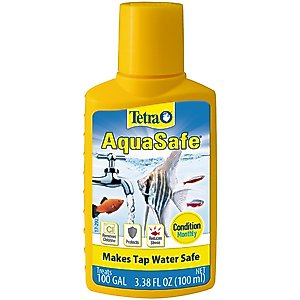
Credit: www.chewy.com
Frequently Asked Questions
What Is The Best Water Conditioner For Marine Tanks?
The best water conditioner for marine tanks removes chlorine, chloramines, and heavy metals. It also detoxifies ammonia and supports beneficial bacteria for a healthy marine environment.
How Do Water Conditioners Improve Marine Tank Health?
Water conditioners neutralize harmful chemicals in tap water, making it safe for marine life. They also promote biological filtration and reduce fish stress, improving overall tank health.
Can Water Conditioners Remove Ammonia In Marine Tanks?
Yes, many advanced water conditioners detoxify ammonia, converting it into less harmful compounds. This protects fish and invertebrates from ammonia poisoning and keeps the tank safe.
How Often Should I Use Water Conditioner In A Marine Tank?
Use a water conditioner with every water change or when adding new water. Regular use ensures harmful chemicals are neutralized, maintaining a stable and safe marine environment.
Conclusion
Choosing the right water conditioner keeps your marine tank healthy. Clean water helps fish and corals grow strong. Good conditioners remove harmful chemicals and balance water quality. This protects your tank’s delicate ecosystem every day. Small steps make a big difference in tank care.
Use trusted products and follow instructions carefully. Your marine life will thank you with vibrant colors and activity. Healthy water means a happy tank for everyone. Take care, and enjoy your beautiful marine world.