
If you have guppies swimming happily in your freshwater tank, you might be wondering which other fish can join the party without causing trouble. Choosing the right tank mates is key to keeping your aquarium peaceful and vibrant.
You want companions that not only get along with your guppies but also add life and color to your setup. You’ll discover the best tank mates for your freshwater guppies—easy to care for, friendly, and perfect for a balanced community tank.
Keep reading to find out how to create a harmonious underwater world your fish will thrive in.
Ideal Tank Conditions For Guppies
Guppies are popular freshwater fish that need a healthy environment. Proper tank conditions help them live longer and stay active.
Setting up the tank right is important. This includes water quality, tank size, and feeding routines.
Water Parameters
Guppies prefer clean water with stable conditions. The temperature should stay between 72°F and 82°F. The pH needs to be neutral to slightly alkaline, from 6.8 to 7.8.
- Temperature: 72°F to 82°F (22°C to 28°C)
- pH level: 6.8 to 7.8
- Water hardness: 8 to 12 dGH (moderate)
- Ammonia and nitrite: 0 ppm (toxic to fish)
- Nitrate: less than 20 ppm
Tank Size And Setup
A tank of at least 10 gallons is best for a small group of guppies. They like plants and hiding spots to feel safe. Use fine gravel or sand as the substrate.
| Tank Size | Minimum Gallons |
| 1-5 Guppies | 10 |
| 6-10 Guppies | 20 |
| More than 10 Guppies | 30+ |
Include gentle filters and avoid strong currents. Lighting should mimic natural day and night cycles.
Feeding Habits
Feed guppies small amounts twice daily. They eat flakes, frozen foods, and live foods like brine shrimp.
- Feed only what guppies eat in 2 minutes
- Use a mix of flakes and live or frozen food
- Remove uneaten food to keep water clean
Traits Of Compatible Tank Mates
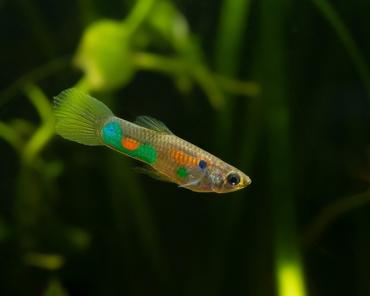
Guppies are popular freshwater fish known for their vibrant colors. Choosing the right tank mates is important for their health and happiness.
Compatible tank mates should have similar needs and peaceful temperaments. This ensures a harmonious aquarium environment.
Temperament
Guppies are peaceful and do well with calm tank mates. Aggressive fish can stress guppies and cause harm.
- Mollies are gentle and friendly.
- Neon Tetras are peaceful and colorful.
- Platies have a calm nature.
Size Compatibility
Guppies are small fish, so their tank mates should be similar in size. This prevents bullying and ensures fair food competition.
| Fish Type | Average Size |
| Guppies | 1.5-2 inches |
| Mollies | 3-4 inches |
| Neon Tetras | 1.5 inches |
| Platies | 2-3 inches |
Dietary Needs
Guppies are omnivores and need a balanced diet. Their tank mates should have similar dietary requirements for easy feeding.
- Flake food is suitable for guppies and mollies.
- Neon Tetras enjoy small live foods.
- Platies eat both plant and animal-based foods.
Top Small Fish Tank Mates
Choosing the right tank mates helps keep your aquarium peaceful. Small fish make great companions for guppies. They share similar water needs and behavior.
Here are some of the best small freshwater fish that live well with guppies. They add color and activity without causing stress.
Neon Tetras
Neon tetras are small, colorful fish that swim in groups. They are peaceful and enjoy similar water conditions as guppies. They add bright blue and red colors to your tank.
They prefer to swim in schools of six or more. Neon tetras help make the tank lively but never bother other fish.
- Size: about 1.5 inches
- Temperament: peaceful
- Water temperature: 70-81°F (21-27°C)
- Diet: flakes, small pellets, and live food
Corydoras Catfish
Corydoras catfish are bottom dwellers that clean leftover food. They stay at the tank’s floor and do not compete for space with guppies.
These fish are gentle and live in groups. They enjoy soft substrate to protect their barbels while searching for food.
- Size: 2-3 inches
- Temperament: peaceful bottom feeder
- Water temperature: 72-78°F (22-26°C)
- Diet: sinking pellets and flakes
Harlequin Rasboras
Harlequin rasboras are small, peaceful fish with a unique black patch on their bodies. They swim in groups and add a nice contrast to guppies.
They live well in community tanks and prefer stable water conditions. Harlequin rasboras enjoy plants and open swimming areas.
- Size: 1.5-2 inches
- Temperament: peaceful schooling fish
- Water temperature: 72-80°F (22-27°C)
- Diet: flakes, small live or frozen food

Credit: buyguppy.com
Peaceful Invertebrate Companions
Freshwater fish like guppies do well with peaceful invertebrates. These small creatures add life to the tank without causing stress. They help keep the tank clean and safe.
Choosing the right invertebrates helps maintain a balanced tank. They do not harm guppies and create a calm environment for all.
Cherry Shrimp
Cherry shrimp are small and colorful. They eat leftover food and algae, helping to keep the tank clean. They stay peaceful and avoid bothering fish.
They like plants and hiding spots. Guppies usually ignore them, so both live well together. Cherry shrimp add bright red color to the tank.
- Size: About 1 inch
- Diet: Algae, biofilm, leftover food
- Tank role: Cleaner and decoration
- Behavior: Peaceful and shy
Snails
Snails are slow-moving and peaceful tank mates. They eat algae and dead plants, which helps keep the water clean. Most snails do not bother guppies.
Common types include mystery snails and nerite snails. They come in many colors and sizes. Snails need calcium for their shells, so add some to the water.
- Size: Varies from small to medium
- Diet: Algae, dead plants
- Tank role: Tank cleaner
- Behavior: Slow and peaceful
Amano Shrimp
Amano shrimp are larger than cherry shrimp. They eat algae and leftover food quickly. They are great helpers in a guppy tank.
These shrimp are shy but active cleaners. They do not harm fish or plants. Amano shrimp need hiding places to feel safe.
- Size: About 2 inches
- Diet: Algae, leftover food
- Tank role: Efficient cleaner
- Behavior: Peaceful and active
Avoiding Aggressive Species
A peaceful aquarium helps guppies live happily. Avoiding aggressive fish keeps the tank calm.
Choosing the right tank mates protects guppies from harm and stress. Learn which fish to avoid.
Common Aggressors
Some fish show aggression and can hurt guppies. It is best not to keep these fish together.
- Cichlids: Known for their territorial behavior and chasing smaller fish.
- Betta fish: Males often attack other colorful or finned fish.
- Gouramis: Can be aggressive, especially males during breeding.
- Barbs: Tend to nip fins and bother peaceful species like guppies.
Signs Of Stress In Guppies
Watch for these signs that show guppies are unhappy or scared in the tank.
| Sign | Description |
| Hiding | Guppies stay hidden more than usual. |
| Clamped fins | Fins stay close to the body, not spread out. |
| Loss of color | Colors look dull or faded. |
| Reduced swimming | Less active and slow movements. |
| Fin damage | Fins look torn or bitten. |
Preventing Conflicts
Keep guppies safe by following simple steps to reduce fights and stress.
- Choose peaceful tank mates that do not nip or chase.
- Provide plenty of hiding spots with plants and decorations.
- Keep the tank clean and water conditions stable.
- Do not overstock the tank; crowding causes stress.
- Observe fish behavior regularly and separate aggressive fish if needed.
Credit: www.ratemyfishtank.com
Tips For Introducing New Tank Mates
Adding new fish to your freshwater tank needs careful planning. It helps keep all fish safe and stress-free.
Following simple steps can make the process smooth and healthy for your guppies and other tank mates.
Quarantine Procedures
Quarantine new fish in a separate tank for two weeks. This helps spot diseases before mixing fish.
- Use a clean tank with filtered water
- Feed the fish normally and observe daily
- Look for signs of illness like spots or unusual swimming
- Treat any sickness before adding fish to the main tank
Gradual Introduction
Introduce new fish slowly to avoid stress and fighting. Use a divider or let them see each other first.
| Method | Description |
| Tank Divider | Separate fish but allow water flow and sight |
| Floating Bag | Float new fish bag in tank for 15-20 minutes |
| Supervised Release | Watch fish closely after release to stop fights |
Monitoring Behavior
Watch the tank closely after adding new fish. Notice how fish act and if they get along.
- Look for chasing or nipping
- Check if any fish hide or show stress signs
- Keep water clean to reduce stress
- Separate fish if fights start

Credit: www.reddit.com
Frequently Asked Questions
What Are The Best Tank Mates For Guppies?
Peaceful fish like neon tetras, mollies, and platies make great guppy tank mates. They share similar water needs and temperaments. Avoid aggressive or fin-nipping species to keep guppies safe and stress-free.
Can Guppies Live With Shrimp Or Snails?
Yes, guppies can live peacefully with freshwater shrimp and snails. These invertebrates help clean the tank and do not harm guppies. Make sure the tank is well-planted to provide hiding spots for all species.
How Many Fish Can I Keep With Guppies?
A good rule is one inch of fish per gallon of water. This prevents overcrowding and maintains water quality. Mixing 5-6 small, compatible species keeps the tank balanced and lively without stressing the guppies.
Do Guppies Need Specific Water Conditions With Tank Mates?
Guppies thrive in water with pH 6. 8-7. 8 and temperature 72-82°F. Choose tank mates that tolerate similar conditions to ensure all fish stay healthy and active. Regular water testing helps maintain a stable environment for all species.
Conclusion
Choosing the right tank mates keeps your guppies safe and happy. Peaceful fish with similar needs make the best companions. Avoid aggressive species that may stress or harm guppies. Small, calm fish like tetras or mollies often fit well. Regular care and observation help maintain a balanced tank.
A healthy, friendly environment lets all fish thrive together. Enjoy watching your guppies swim with their new friends. Simple choices lead to a beautiful, peaceful freshwater aquarium.