
Are you dreaming of creating a lush, vibrant freshwater aquarium that mimics the beauty of nature? The key to achieving this aquatic paradise lies in selecting the best species for your planted freshwater aquarium.
Imagine a world where your fish glide effortlessly through lush greenery, and vibrant plants sway gently with the current. This serene and captivating environment is closer than you think. By choosing the right species, you not only enhance the visual appeal of your aquarium but also create a healthier habitat for your aquatic friends.
Dive into this guide to discover which species will turn your aquarium into a flourishing underwater haven. Let’s unlock the secrets to crafting an aquatic masterpiece that will mesmerize both you and your guests.
Criteria For Choosing Species
Choosing the right species for a planted freshwater aquarium is important. It helps keep the plants safe and the tank healthy.
Different fish and invertebrates have different needs. Consider these needs before adding them to your planted tank.
Compatibility With Plants
Some fish like to eat plants or dig in the substrate. This can damage your aquarium plants. Choose species that do not harm plants.
Look for peaceful species that swim gently and do not uproot or nibble on plants.
- Small, peaceful fish like tetras and rasboras
- Bottom dwellers like Corydoras catfish
- Shrimp and snails that eat algae but leave plants alone
Water Parameter Preferences
Each species needs specific water conditions to live well. Check the temperature, pH, and hardness the species prefer.
Make sure the water parameters match your planted tank setup. This helps fish stay healthy and active.
- Temperature: Tropical species usually need 72-82°F (22-28°C)
- pH: Most planted tank fish do well in 6.5-7.5 pH
- Water hardness: Soft to moderately hard water is common
Size And Behavior
Choose species that fit the size of your tank. Avoid large or aggressive fish in small planted tanks.
Consider behavior like schooling and territorial habits. Peaceful fish that stay in groups are better for plants.
- Small schooling fish add movement without stress
- Avoid fish that dig or chase others
- Choose calm species that do not uproot plants
Maintenance Levels
Some species need more care than others. Pick fish and invertebrates that fit your time and experience.
Low maintenance species require less feeding and water changes. They keep your planted tank easier to manage.
- Easy species: Guppies, Neon Tetras, Cherry Shrimp
- Moderate care: Angelfish, Gouramis
- High care: Species needing special diets or water conditions
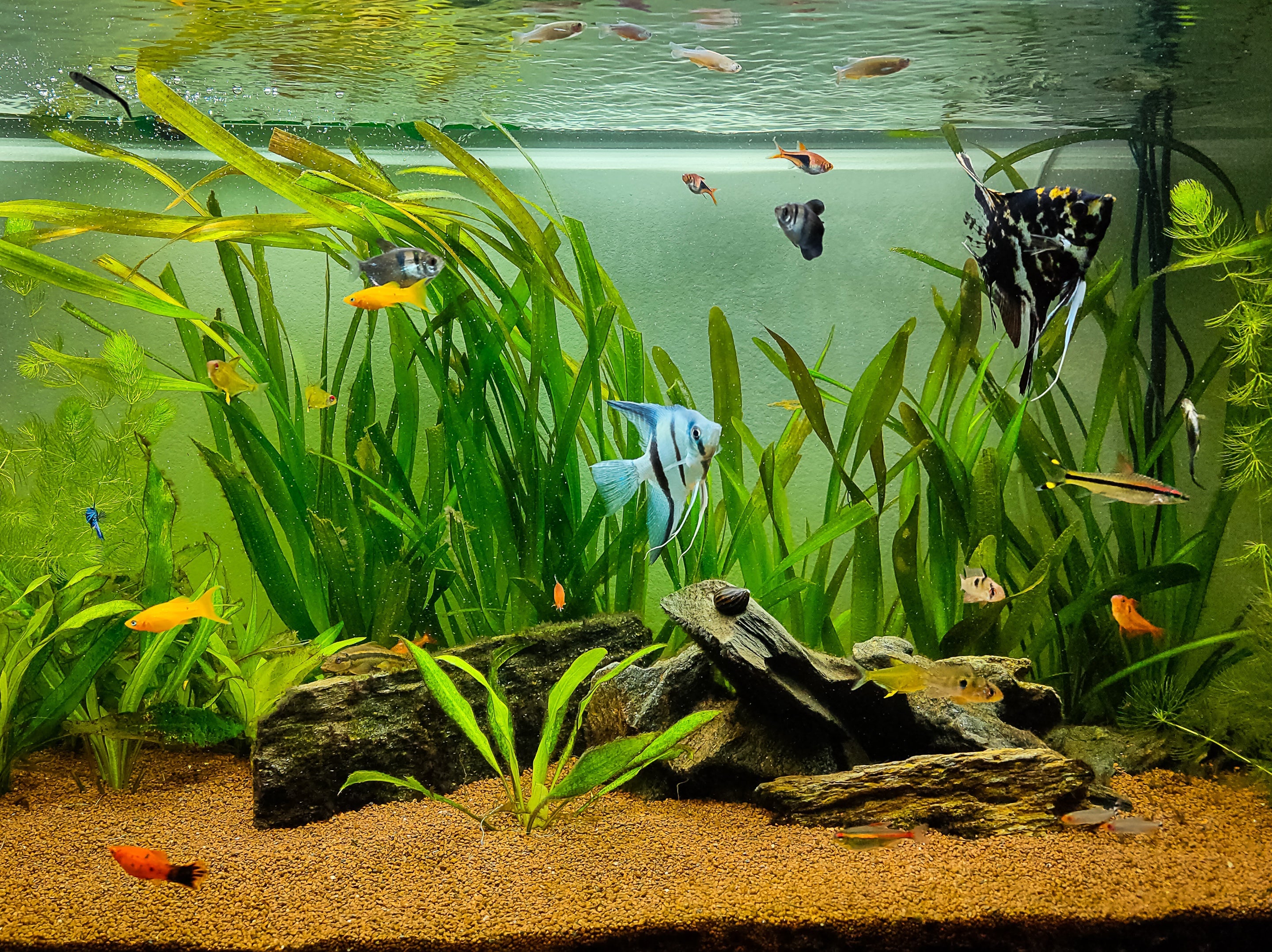
Credit: splashyfishstore.com
Top Fish Species For Planted Tanks
Choosing the right fish is important for a healthy planted aquarium. Some fish live well among plants and do not harm them. These fish add beauty and life to your tank.
This guide covers popular fish species that thrive in planted tanks. Each group has unique colors and behaviors that make them great choices.
Tetras And Their Varieties
Tetras are small, peaceful fish that swim in groups. They are perfect for planted tanks because they do not eat plants. Their bright colors add sparkle to your aquarium.
Popular tetra varieties include Neon Tetras, Cardinal Tetras, and Rummy Nose Tetras. Each has distinct colors and patterns that brighten a planted tank.
- Neon Tetras have a blue and red stripe
- Cardinal Tetras show deeper red coloring
- Rummy Nose Tetras have red noses and striped tails
Rasboras For Colorful Schools
Rasboras are small schooling fish with shiny scales. They like planted tanks because they are calm and do not disturb plants. Their colors range from orange to silver.
Harlequin Rasboras and Lambchop Rasboras are popular types. They swim together and add movement to your aquarium.
- Harlequin Rasboras have a black triangular patch on their body
- Lambchop Rasboras show a bright orange color with black fins
Dwarf Cichlids And Their Appeal
Dwarf cichlids are small but have strong colors and interesting shapes. They stay small enough for planted tanks and are usually peaceful. These fish like hiding spots among plants.
Popular dwarf cichlids include Apistogramma and Rams. They add character and contrast to the greenery in your tank.
- Apistogramma species have bright spots and stripes
- German Rams show blue and yellow colors with red eyes
Bottom Dwellers: Corydoras And Loaches
Corydoras and loaches live at the bottom of the tank. They help keep the substrate clean by eating leftover food. Both are gentle and fit well with plants.
Corydoras are small catfish with armored plates. Loaches are slender and active, often showing interesting patterns.
- Corydoras prefer to live in groups of six or more
- Clown Loaches have orange and black stripes
- Kuhli Loaches look like small eels and like hiding spots
Ideal Shrimp And Invertebrates
Planted freshwater aquariums need special shrimp and invertebrates. They help keep the tank clean and healthy. These creatures eat algae and waste, which helps plants grow better.
Choosing the right species can improve your aquarium’s balance. Some are great for cleaning, while others add beauty and interest to your tank.
Amano Shrimp For Algae Control
Amano shrimp are famous for eating many types of algae. They are active cleaners in planted tanks. These shrimp help reduce algae buildup on plants and decorations.
They are peaceful and live well with fish and other invertebrates. Amano shrimp are hardy and easy to care for. They need plenty of hiding spots in the aquarium.
Cherry Shrimp Varieties
Cherry shrimp come in many colors and patterns. They are small, active, and friendly shrimp. These shrimp eat algae and leftover food, which helps keep the tank clean.
Common varieties include red, yellow, and blue cherry shrimp. They breed easily in freshwater tanks. Cherry shrimp add color and life to planted aquariums.
- Red Cherry Shrimp – bright red and popular
- Yellow Cherry Shrimp – soft yellow color
- Blue Cherry Shrimp – subtle blue shade
Snails That Benefit Plants
Snails help planted tanks by eating algae and dead plant parts. They keep the aquarium clean without harming live plants. Many snails are safe and easy to care for.
Common helpful snails include Nerite, Mystery, and Ramshorn snails. They each have unique benefits for the planted tank. Snails also add natural movement and interest to the aquarium.
- Nerite Snails – excellent algae eaters, do not reproduce in freshwater
- Mystery Snails – large, colorful, clean algae and debris
- Ramshorn Snails – eat leftover food and dead plants

Credit: www.aqqapet.com
Popular Plant Choices
Choosing the right plants can enhance the look of your freshwater aquarium. Plants provide oxygen, shelter, and natural beauty.
This guide covers popular plants for different aquarium areas. Learn about foreground, midground, background, and floating plants.
Foreground Plants
Foreground plants are small and grow low. They create a nice carpet or border near the front of the tank.
- Java Moss – easy to grow and good for small fish
- Dwarf Hairgrass – forms a green carpet
- Marimo Moss Balls – round, soft, and fun to touch
- Cryptocoryne Parva – slow growing and compact
Midground Plants
Midground plants grow medium height and add depth to the tank. They fit between the foreground and background plants.
| Plant | Light Need | Growth Rate |
| Anubias Nana | Low to Medium | Slow |
| Bucephalandra | Low to Medium | Slow |
| Amazon Sword | Medium to High | Fast |
| Java Fern | Low to Medium | Moderate |
Background Plants
Background plants grow tall and fill the rear space. They give the tank a lush, full look.
Popular choices include Vallisneria, Hornwort, and Water Wisteria. These plants grow fast and provide good cover.
Floating Plant Options
Floating plants sit on the water surface. They reduce light and create shade for shy fish.
- Duckweed – tiny leaves that spread quickly
- Frogbit – round leaves with long roots hanging down
- Water Lettuce – rosette-shaped with soft leaves
- Salvinia – fast growing and forms mats on water
Balancing Fish And Plants
Choosing the right fish and plants is key for a healthy freshwater aquarium. Fish and plants need to live well together.
This balance helps keep water clean and the tank looking good. It also makes sure fish and plants stay healthy.
Avoiding Overcrowding
Too many fish in one tank can harm plants and fish. Overcrowding causes stress and poor water quality.
Keep the number of fish low. This gives plants space to grow and fish room to swim.
- Use the “one inch of fish per gallon” rule as a guide
- Choose smaller fish species for small tanks
- Provide hiding spots to reduce fish stress
- Trim plants regularly to avoid crowding
Feeding Tips To Protect Plants
Feed fish the right amount to keep plants safe. Overfeeding causes waste that harms plants.
Feed small portions once or twice a day. Remove leftover food quickly to keep water clean.
- Use sinking pellets to avoid floating food on plants
- Feed only what fish eat in 2-3 minutes
- Clean the tank bottom to remove excess food
- Choose plant-safe fish food without harmful chemicals
Managing Algae Growth
Algae can harm plants by blocking light and using nutrients. Control algae to keep plants healthy.
Keep the tank clean and check light time. Use algae-eating fish or snails to help control growth.
- Limit aquarium light to 8-10 hours daily
- Do regular water changes to reduce nutrients
- Add algae eaters like otocinclus or nerite snails
- Remove algae manually when needed
Setting Up Your Planted Aquarium
Setting up a planted freshwater aquarium needs careful planning. A good setup helps plants and fish live well.
This guide covers important parts like substrate, lighting, and filtration. These help your aquarium thrive.
Substrate Selection
Substrate is the material on the bottom of the aquarium. It supports plant roots and holds nutrients.
Choose a substrate that is rich in nutrients and safe for fish. Avoid sharp materials that can hurt plants.
- Use nutrient-rich soil or aqua soil
- Avoid gravel with sharp edges
- Layer substrate 2-3 inches deep
- Rinse substrate before adding it
Lighting Requirements
Plants need light to grow. Choose lighting that matches the types of plants you keep.
Use full-spectrum LED lights for best plant growth. Keep lights on 8-10 hours daily for good balance.
- LED lights save energy and last longer
- Adjust light intensity for plant needs
- Use timers to keep light consistent
- Avoid direct sunlight to prevent algae
Filtration And Water Flow
Good filtration keeps water clean and healthy. It removes waste and helps plants get oxygen.
Choose a filter that fits your tank size. Water flow should be gentle to protect plants and fish.
- Use sponge or canister filters for planted tanks
- Keep water flow low to moderate
- Clean filters regularly to keep them working
- Check water parameters often for health
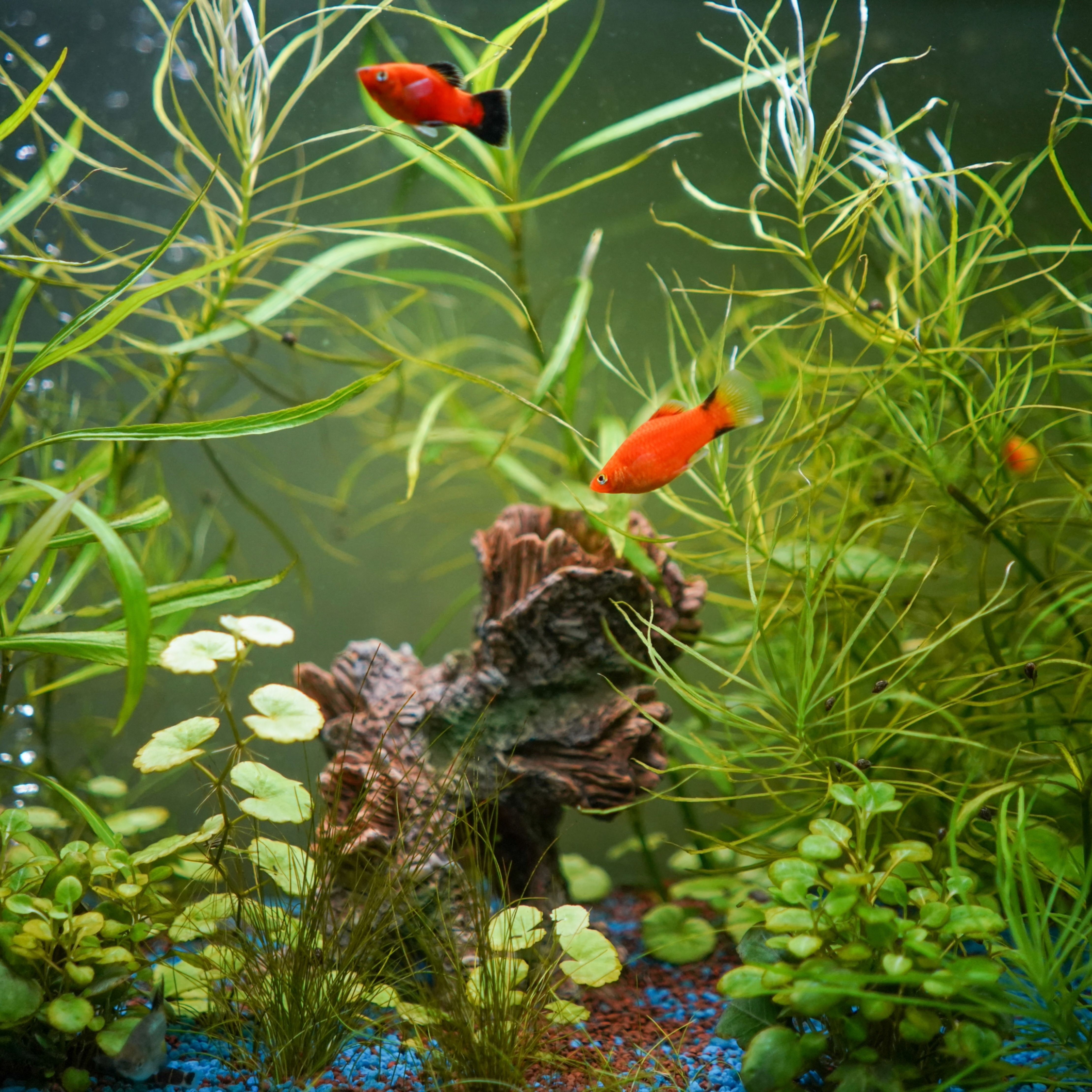
Credit: www.petsradar.com
Frequently Asked Questions
What Fish Species Thrive In Planted Freshwater Aquariums?
Tetras, rasboras, and dwarf gouramis thrive in planted tanks. They prefer calm water and dense plants that mimic their natural habitat. These species are peaceful and help maintain the tank’s ecosystem balance. They also add vibrant color without harming plants.
Which Plants Are Best For Freshwater Aquarium Beginners?
Java fern, Anubias, and Amazon sword are beginner-friendly plants. They require low light and minimal care. These plants grow well in various water conditions and provide shelter for fish. They also enhance the aquarium’s natural look effortlessly.
How Do Planted Aquariums Benefit Fish Health?
Plants improve water quality by absorbing nitrates and producing oxygen. They reduce fish stress by offering hiding spots and natural surroundings. Plants also control algae growth and contribute to a balanced ecosystem, promoting overall fish health and well-being.
Can All Freshwater Fish Coexist With Aquarium Plants?
Not all fish are plant-friendly. Some species, like goldfish and cichlids, may uproot or eat plants. Choosing peaceful species that prefer planted environments ensures harmony. Research specific fish behavior before introducing them to a planted aquarium.
Conclusion
Choosing the right fish and plants makes your aquarium healthy and beautiful. Small, peaceful species often do best in planted tanks. They help keep the environment calm and balanced. Remember to match fish with plants that suit their needs. Regular care keeps your freshwater tank clear and lively.
Enjoy the soothing view of your underwater garden daily. Start simple, learn as you go, and have fun. Your planted aquarium can become a peaceful home for many creatures.