
Are you ready to create a stunning reef tank that becomes the highlight of your space? Choosing the best species is the key to building a vibrant and healthy underwater world.
But with so many options, it can be overwhelming to know where to start. This guide will help you pick the perfect fish, corals, and invertebrates that not only look amazing but also thrive together. Keep reading to discover how you can transform your reef tank into a breathtaking, colorful haven that you’ll love watching every day.

Credit: www.scotsman.com
Top Fish Species
Choosing the right fish is key for a healthy reef tank. Some fish live well with corals and other reef creatures. They add color and movement to your aquarium.
This guide covers popular species that suit reef tanks. Learn about clownfish, tangs, damsels, gobies, and blennies. Each group has unique traits and care needs.
Clownfish Varieties
Clownfish are famous for their bright colors and easy care. They often host in sea anemones, which offers them protection. Popular types include the Ocellaris and Percula clownfish.
- Ocellaris Clownfish: Orange with white stripes, peaceful and hardy.
- Percula Clownfish: Similar to Ocellaris but with thicker black lines.
- Maroon Clownfish: Deep red color, more aggressive than others.
- Tomato Clownfish: Bright red and smaller, good for small tanks.
Tangs And Surgeonfish
Tangs and surgeonfish are active swimmers. They help control algae growth in the tank. Their sharp spines need careful handling when cleaning the tank.
| Species | Color | Tank Size Needed |
| Blue Tang | Bright blue with black markings | 75 gallons or more |
| Yellow Tang | Bright yellow | 70 gallons or more |
| Powder Blue Tang | Light blue with yellow fins | 100 gallons or more |
Damsels And Chromis
Damsels and chromis are small, colorful, and easy to care for. They add life to the tank but can be territorial. Chromis are peaceful and swim in groups.
Damsel Varieties:Blue damsel, yellowtail damsel, and black damsel.
Chromis Varieties:Green chromis and blue-green chromis.
Gobies And Blennies
Gobies and blennies are bottom dwellers. They help keep the sand clean and eat algae. These fish are peaceful and good for community tanks.
- Neon Goby: Small, cleans parasites off other fish.
- Watchman Goby: Burrows in sand, often pairs with shrimp.
- Sailfin Blenny: Bright colors, likes to perch on rocks.
- Bicolor Blenny: Bold black and white color, very active.
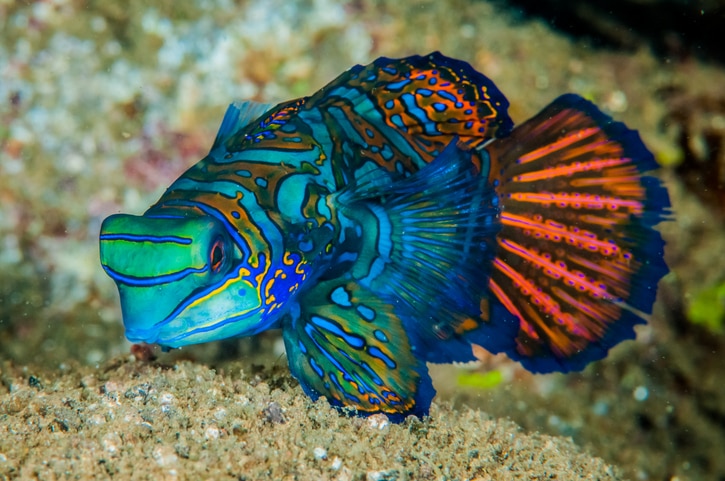
Credit: www.chewy.com
Colorful Corals
Reef tanks are home to vibrant and colorful corals. These corals bring life and beauty to any aquarium.
Choosing the right species is key to a successful reef tank. Let’s explore some popular options.
Soft Corals
Soft corals are great for beginners. They are easy to care for and come in many colors.
These corals do not have a hard skeleton. They sway beautifully in the water.
- Leather Corals
- Mushroom Corals
- Zoanthids
Lps Corals
LPS corals have large, fleshy polyps. They are colorful and add a dramatic look to your tank.
They are easier to maintain than SPS corals. They need moderate light and water flow.
- Brain Corals
- Frogspawn Corals
- Hammer Corals
Sps Corals
SPS corals are known for their vibrant colors. They have small polyps and hard skeletons.
These corals need specific care. They require strong lighting and water flow.
- Acropora
- Montipora
- Birdsnest Corals
Coral Care Tips
Proper care keeps corals healthy and colorful. Monitor water parameters and maintain stability.
Provide adequate lighting and water flow. Regularly check for pests and diseases.
- Test water weekly
- Adjust light based on coral needs
- Feed corals with plankton
Invertebrates For Reef Tanks
Invertebrates play a key role in keeping reef tanks healthy and clean. They add movement and color to the tank.
Choosing the right invertebrates helps maintain balance in the tank ecosystem. They eat algae, detritus, and leftover food.
Shrimps And Crabs
Shrimps and crabs are popular for reef tanks because they clean the tank and eat pests. They are active and interesting to watch.
Some shrimps clean parasites from fish, while crabs help remove algae and leftover food. They help keep the tank tidy.
- Cleaner Shrimp: Remove parasites from fish
- Hermit Crabs: Eat algae and detritus
- Emerald Crabs: Control bubble algae growth
- Fire Shrimp: Bright colors and pest control
Snails And Hermit Crabs
Snails and hermit crabs are great algae eaters. They help keep rocks and glass clean in a reef tank.
Hermit crabs use empty shells to protect their soft bodies. Snails come in many shapes and sizes for different jobs.
- Nerite Snails: Eat algae without harming corals
- Trochus Snails: Clean algae from rocks
- Blue Leg Hermit Crabs: Active algae eaters
- Scarlet Hermit Crabs: Help remove uneaten food
Sea Stars And Urchins
Sea stars and urchins add variety and help control algae in reef tanks. They are slow movers but effective cleaners.
Some sea stars eat leftover food and detritus. Urchins graze on algae and keep rock surfaces clean.
- Fromia Sea Star: Eats leftover food and detritus
- Chocolate Chip Sea Star: Cleans tank bottom
- Tuxedo Urchin: Controls algae growth
- Pencil Urchin: Grazes on algae hard to reach
Aquascaping With Species
A reef tank looks best when fish and corals fit well together. Using the right species helps create a balanced tank.
Choosing species that work with your aquascape brings life and beauty to your reef tank.
Choosing Compatible Species
Pick fish and corals that live well side by side. Avoid species that may fight or harm each other.
Check size, behavior, and diet to find peaceful combinations. This keeps your tank calm and healthy.
- Small fish usually get along with corals
- Avoid aggressive or territorial species
- Choose species with similar water needs
- Include clean-up crew for algae control
Creating Natural Habitats
Arrange rocks, corals, and plants to mimic ocean homes. This helps species feel safe and behave naturally.
Use caves, crevices, and open spaces to offer hiding spots and swimming areas. It reduces stress for your animals.
- Build caves for shy fish and invertebrates
- Place corals at different heights for variety
- Leave open water for active swimmers
- Add sand or rubble for bottom dwellers
Balancing Color And Movement
Use species with different colors to brighten your tank. Mix slow and fast swimmers for lively motion.
Choose fish and corals that stand out but still blend well with the environment.
- Bright fish add spots of color
- Corals offer steady color and texture
- Fast swimmers bring energy and flow
- Gentle movers create calm and grace
Water Parameters And Maintenance
Keeping a reef tank healthy means understanding water needs. Different species need stable water conditions to live well.
Regular maintenance helps keep water clean and suitable for all reef tank species. Attention to details makes the tank thrive.
Ideal Conditions For Species
Most reef species prefer water that is warm and salty with steady chemistry. The right pH, temperature, and salinity levels support their health.
| Parameter | Ideal Range |
| Temperature | 75°F – 82°F (24°C – 28°C) |
| pH | 8.1 – 8.4 |
| Salinity | 1.023 – 1.026 specific gravity |
| Alkalinity | 8 – 12 dKH |
| Calcium | 400 – 450 ppm |
| Magnesium | 1250 – 1350 ppm |
Filtration And Lighting
Good filtration removes waste and keeps water clear. Lighting helps corals and other species grow naturally.
- Use protein skimmers to reduce organic waste
- Include mechanical and biological filters for clean water
- Choose LED lights that mimic natural sunlight
- Set lighting for 8 to 12 hours daily
Regular Tank Care
Daily and weekly care keeps the reef tank stable. Testing water and cleaning equipment stops problems early.
- Test water parameters twice a week
- Change 10-20% of water every 1-2 weeks
- Clean algae from tank walls regularly
- Check and maintain filters and pumps monthly
- Feed species with proper amounts to avoid excess waste

Credit: artisticoceans.com
Common Challenges
Keeping a reef tank healthy takes effort and attention. Many hobbyists face common challenges. These include disease, aggression among species, and space management.
Understanding these problems helps you create a stable and thriving reef tank. Below are key areas to focus on for success.
Disease Prevention
Disease can quickly harm or kill reef tank species. It spreads fast in small, closed environments. Watch for signs like discoloration, spots, or unusual behavior.
- Quarantine new fish before adding them to the tank
- Maintain clean water by regular testing and changes
- Avoid overfeeding to reduce waste buildup
- Use a reliable filtration system to remove harmful bacteria
- Remove sick or dead animals promptly
Handling Aggression
Some reef species show aggression. This can cause stress or injury. Understanding species behavior is key to reducing fights.
| Species | Aggression Level | Tips |
| Clownfish | Moderate | Provide hiding spots and territories |
| Damselfish | High | Keep in larger groups or separate tanks |
| Gobies | Low | Often peaceful with others |
Managing Growth And Space
Reef species grow at different rates. Overcrowding can lead to poor water quality and stress. Manage space carefully to keep balance.
Tips to manage growth and space:
- Plan tank size based on adult species size
- Trim or relocate corals regularly
- Use rockwork to create territories and hiding spots
- Monitor fish growth and adjust stocking as needed
Frequently Asked Questions
What Are The Best Fish Species For A Reef Tank?
Clownfish, gobies, and wrasses are top reef tank fish. They are colorful, hardy, and reef-safe. These species coexist well with corals and invertebrates, making them ideal for beginners and experts alike.
Which Coral Species Thrive In Reef Tanks?
Soft corals like zoanthids and leather corals are beginner-friendly. LPS corals such as hammer and frogspawn offer vibrant colors. SPS corals require advanced care but add stunning detail to reef tanks.
How Do Invertebrates Benefit A Reef Tank?
Invertebrates like cleaner shrimp and snails help control algae and pests. They improve water quality and create a balanced ecosystem. These species enhance reef tank health and visual appeal.
Can I Mix Different Species In One Reef Tank?
Yes, mixing compatible species is possible with proper research. Avoid aggressive or predatory species to maintain harmony. Careful selection ensures a thriving, diverse reef ecosystem.
Conclusion
Choosing the right species shapes a healthy reef tank. Fish, corals, and invertebrates each add life and color. Keep water clean and stable for their well-being. Watch how species interact to maintain balance. Patience helps your reef tank thrive over time.
Enjoy the beauty and calm your tank brings. Start simple, then explore new species carefully. Your reef tank can become a vibrant underwater world.