
When the seasons change, your cooling system needs special care to keep your home comfortable and your energy bills low. You might not realize it, but simple adjustments can make a big difference in how well your system works and how long it lasts.
You’ll discover easy, effective tips that anyone can use to prepare for seasonal cooling. By following these best practices, you’ll stay cool without wasting money or energy. Ready to make your cooling smarter and more efficient? Keep reading—you won’t want to miss these game-changing insights.
Choosing The Right Cooling System
Choosing the right cooling system is key for staying comfortable in warm weather. The right system saves energy and cools your space well.
Think about your home size, budget, and how often you need cooling before buying a system.
Central Air Vs. Portable Units
Central air cools your whole house through ducts. It keeps the temperature even in all rooms.
Portable units cool one room at a time. They are easy to move and do not need installation.
- Central air costs more to install but is quiet.
- Portable units are cheaper but can be noisy.
- Central air needs professional setup.
- Portable units are good for renters or small spaces.
Energy-efficient Options
Energy-efficient cooling saves money on electric bills. Look for units with the ENERGY STAR label.
Modern systems use less power and cool faster. They also reduce your carbon footprint.
- Inverter technology adjusts power use to save energy.
- Programmable thermostats control temperature smartly.
- Regular maintenance keeps systems efficient.
Sizing Your Cooling System
Choosing the right size system is important. A system too small will not cool well.
A system too large will waste energy and cause humidity problems.
| Room Size (sq ft) | Cooling Capacity (BTU) |
|---|---|
| 100 – 300 | 5,000 – 7,000 |
| 300 – 500 | 8,000 – 10,000 |
| 500 – 800 | 12,000 – 14,000 |
| 800 – 1,200 | 18,000 – 21,000 |
Consult a professional if you are unsure about sizing. Proper sizing helps your system work well and last longer.
Credit: wilshirerefrigeration.com
Optimizing Thermostat Settings
Keeping your home cool during the hot seasons can be easy with the right thermostat settings. Adjusting your thermostat properly saves energy and keeps you comfortable.
This guide covers the best temperature ranges and useful thermostat features to help you stay cool efficiently.
Ideal Temperature Ranges
Setting your thermostat to the right temperature keeps your home comfortable and reduces energy use. For cooling, experts suggest keeping it between 75°F and 78°F.
- During the day, set the temperature around 78°F.
- At night, raising it to 82°F saves energy while you sleep.
- When no one is home, set it higher to avoid cooling an empty house.
Using Programmable Thermostats
Programmable thermostats let you set different temperatures for different times. This helps save energy without losing comfort.
| Time of Day | Recommended Temperature |
| Morning | 78°F |
| Daytime (away) | 85°F |
| Evening | 76°F |
| Night | 82°F |
Smart Thermostat Features
Smart thermostats add convenience and efficiency. They learn your habits and adjust settings automatically.
- Remote control through a phone app.
- Energy reports to track usage.
- Geofencing to adjust temperature when you leave or come home.
- Voice control compatibility with assistants.
Enhancing Airflow And Ventilation
Good airflow and ventilation keep your home cool in warm seasons. They help reduce moisture and improve air quality.
Simple actions can make a big difference in how air moves through your living spaces.
Cleaning And Maintaining Vents
Dirty vents block airflow and reduce cooling efficiency. Regular cleaning keeps air flowing freely.
- Remove vent covers and wash them with mild soap.
- Vacuum inside vents to clear dust and debris.
- Check for mold or mildew and clean with safe solutions.
- Replace or clean filters monthly during cooling seasons.
- Inspect vents for damage or blockages.
Using Fans Effectively
Fans help move air and cool rooms faster. Proper use improves comfort without raising energy costs.
| Fan Type | Best Use | Tips |
| Ceiling Fan | Living rooms, bedrooms | Set to rotate counterclockwise for cooling effect |
| Box Fan | Windows or doorways | Place to pull fresh air inside or push warm air out |
| Oscillating Fan | Smaller rooms | Move air around evenly |
| Exhaust Fan | Kitchens, bathrooms | Remove hot or humid air quickly |
Improving Natural Ventilation
Natural ventilation uses windows and vents to cool your home without power. It works best with good airflow paths.
Try these tips to boost natural ventilation:
- Open windows on opposite sides of rooms to create cross breeze.
- Use window screens to keep bugs out while allowing air in.
- Keep doors open between rooms to let air flow freely.
- Clear outdoor vents and remove obstacles near windows.
- Plant shade trees or shrubs near windows to reduce heat.
Sealing And Insulation Tips
Keeping your home cool in warm seasons saves energy and money. Proper sealing and insulation help stop hot air from entering.
This guide covers ways to find air leaks, improve insulation, and use window treatments for better cooling.
Identifying Air Leaks
Air leaks let warm air enter and cool air escape. Finding these leaks is the first step to sealing your home well.
- Check around windows and doors for gaps or cracks.
- Look at electrical outlets and switch plates for drafts.
- Inspect attic hatches and basement doors.
- Use a candle or incense stick to see if smoke moves near gaps.
- Feel for cold or hot air with your hand near potential leaks.
Upgrading Insulation
Good insulation keeps your home cooler by blocking heat from outside. Upgrading old or thin insulation can improve comfort.
| Insulation Type | Best Area | R-Value Range |
| Fiberglass Batts | Walls and Attics | 3.1 – 4.3 per inch |
| Spray Foam | Gaps and Cracks | 3.5 – 6.5 per inch |
| Cellulose | Attics and Walls | 3.2 – 3.8 per inch |
| Rigid Foam Board | Basements and Roofs | 3.8 – 8.0 per inch |
Window Treatments For Cooling
Windows can let in a lot of heat during warm months. Using the right treatments helps block sunlight and reduce cooling needs.
Try these window treatments:
- Install reflective or blackout curtains to block sun rays.
- Use cellular shades that trap air for extra insulation.
- Apply window films that reduce heat and UV light.
- Close blinds during peak sunlight hours.
Routine Maintenance Tasks
Keeping your cooling system in good shape helps it work better and last longer. Routine care can stop problems before they start.
Simple tasks done regularly make a big difference in your home’s comfort and your energy bills.
Changing Air Filters
Dirty air filters block airflow and reduce cooling. Change filters every one to three months. This keeps air clean and improves system efficiency.
- Turn off the cooling system before removing the filter.
- Check the filter size printed on its frame.
- Buy the same size replacement filter.
- Slide the new filter in the same direction as the old one.
- Turn the system back on and check airflow.
Inspecting Cooling Equipment
Look at your cooling unit for signs of wear or damage. Check for loose parts, rust, and dirt buildup. Clean around the unit to keep it clear.
| Part | What to Check |
|---|---|
| Coils | Clean and free of debris |
| Fan | Spins freely without noise |
| Wiring | No loose or damaged connections |
| Drain Line | Clear and draining properly |
Scheduling Professional Tune-ups
Have a professional check your cooling system at least once a year. They can find hidden problems and clean parts you cannot reach.
- Set an appointment before the cooling season starts.
- Ask the technician to inspect refrigerant levels and electrical components.
- Request a full system cleaning.
- Keep a record of maintenance for future reference.

Credit: www.duramaxshedsdirect.com
Energy-saving Habits
Keeping your home cool during hot months is important. Using less energy saves money and helps the environment. Simple changes can make a big difference.
Adopting smart habits at home can reduce cooling costs. These practices are easy and effective.
Reducing Heat Sources Indoors
Appliances and lights create heat inside your home. You can reduce this by turning them off when not in use. This helps keep your home cooler.
Cooking adds heat to your kitchen. Try using a microwave or outdoor grill. This keeps extra heat out of your home.
- Turn off lights when leaving a room
- Unplug electronics not in use
- Use fans to help circulate air
Timing Appliance Use
Using appliances at cooler times of the day saves energy. Run your dishwasher and laundry at night or early morning. This reduces heat and energy use.
Plan chores like vacuuming during cooler hours. This keeps your home cooler and uses less energy.
- Run appliances in the early morning
- Delay chores to cooler times
- Use energy-efficient settings
Utilizing Shade And Landscaping
Trees and plants provide natural shade. They block sunlight from heating your home. Planting trees on the sunny side can reduce indoor temperatures.
Close blinds and curtains during the day. This keeps out sunlight and heat. Use awnings or shades outside windows for added protection.
- Plant trees near windows for shade
- Keep blinds closed during hot hours
- Install outdoor shades or awnings
Emergency Cooling Solutions
Extreme heat can cause serious health problems. Emergency cooling solutions help keep you safe.
Knowing how to cool down fast is important during heat waves or power outages.
Portable Cooling Options
Portable cooling devices are easy to move and use anywhere. They provide quick relief from heat.
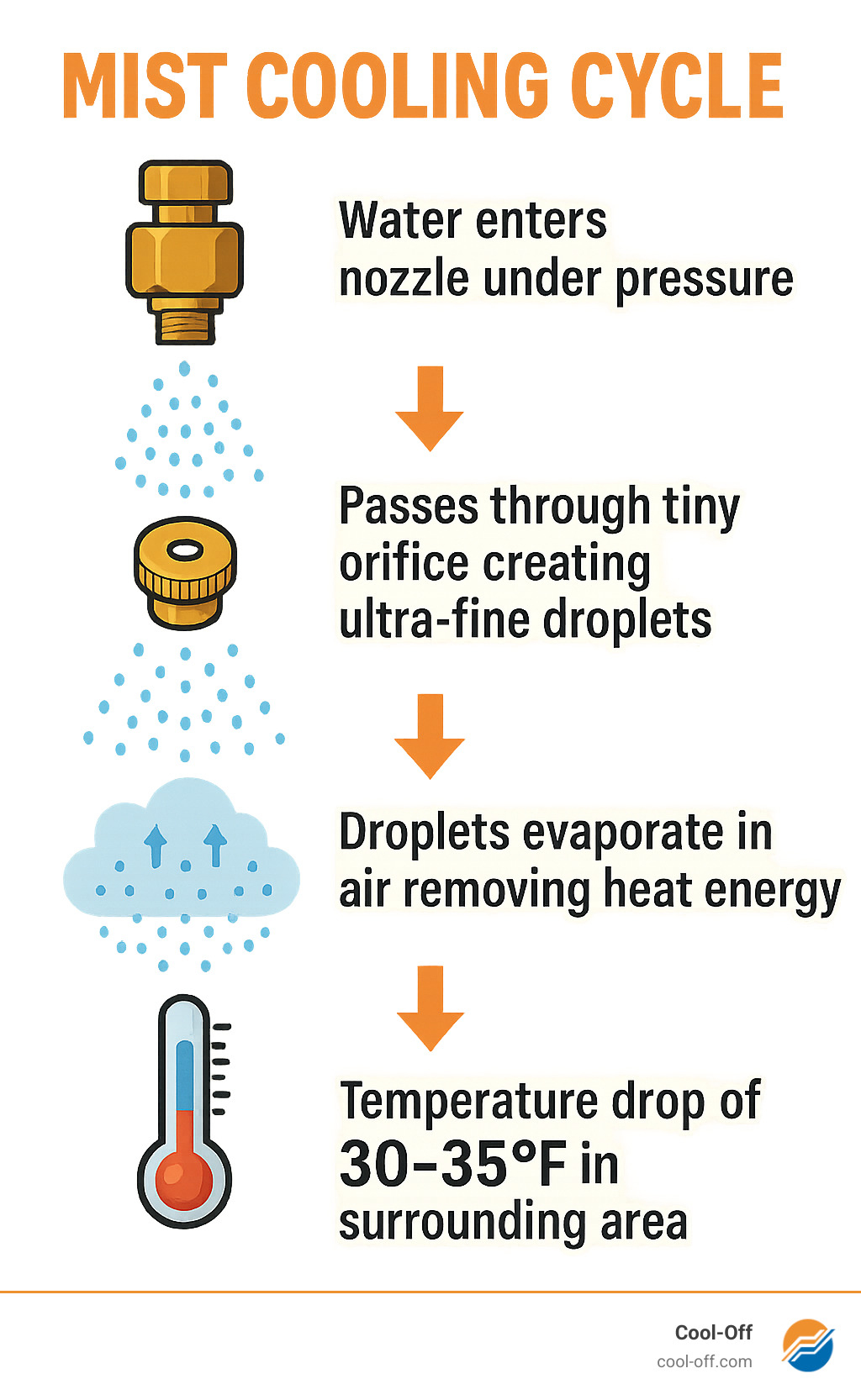
Common options include fans, misting devices, and battery-powered air coolers.
- Battery-powered fans for personal use
- Misting fans that spray cool water
- Portable air coolers with water tanks
- Ice packs or cooling towels for body use
Cooling Centers And Community Resources
Many communities open cooling centers during heat waves. These places offer air conditioning and water.
Local libraries, community halls, and senior centers often serve as cooling spots.
- Check local government websites for center locations
- Visit libraries or community centers if your home is too hot
- Use public transportation to reach these centers safely
- Bring water and light clothing when going to cooling centers
Hydration And Personal Cooling Tips
Staying hydrated is key to managing heat. Drink plenty of water throughout the day.
Use simple ways to cool your body like damp cloths and loose clothing.
- Drink water regularly, even if not thirsty
- Wear light, loose, and light-colored clothes
- Use a damp cloth on your neck and wrists
- Take cool showers or baths to lower body heat
- Avoid caffeine and alcohol as they can dehydrate you
Credit: cool-off.com
Frequently Asked Questions
What Are The Key Seasonal Cooling Maintenance Tips?
Regularly clean or replace air filters, check refrigerant levels, and inspect ducts for leaks. Schedule professional HVAC tune-ups before peak season to ensure optimal cooling performance and energy efficiency.
How Can I Improve Energy Efficiency During Summer?
Use programmable thermostats to adjust temperatures when away. Seal windows and doors to prevent cool air loss. Utilize ceiling fans to circulate air and reduce AC usage.
When Should I Schedule Air Conditioner Servicing?
Schedule servicing at least once a year, preferably before summer. Early maintenance prevents breakdowns, improves efficiency, and prolongs your AC unit’s lifespan.
What Cooling Methods Work Best For Hot Climates?
Central air conditioning combined with ceiling fans offers effective cooling. Use shades or blinds to block sunlight and reduce indoor heat gain. Consider energy-efficient AC units designed for hot environments.
Conclusion
Seasonal cooling helps keep your home comfortable and energy bills low. Regular maintenance of your cooling system is key to efficiency. Simple steps like cleaning filters and checking ducts make a big difference. Using fans and shading windows also reduces cooling needs.
Small changes add up to great savings and comfort. Stay consistent with these practices for the best results all season. Your home will feel cooler, and your energy use will drop. Easy habits lead to lasting benefits.