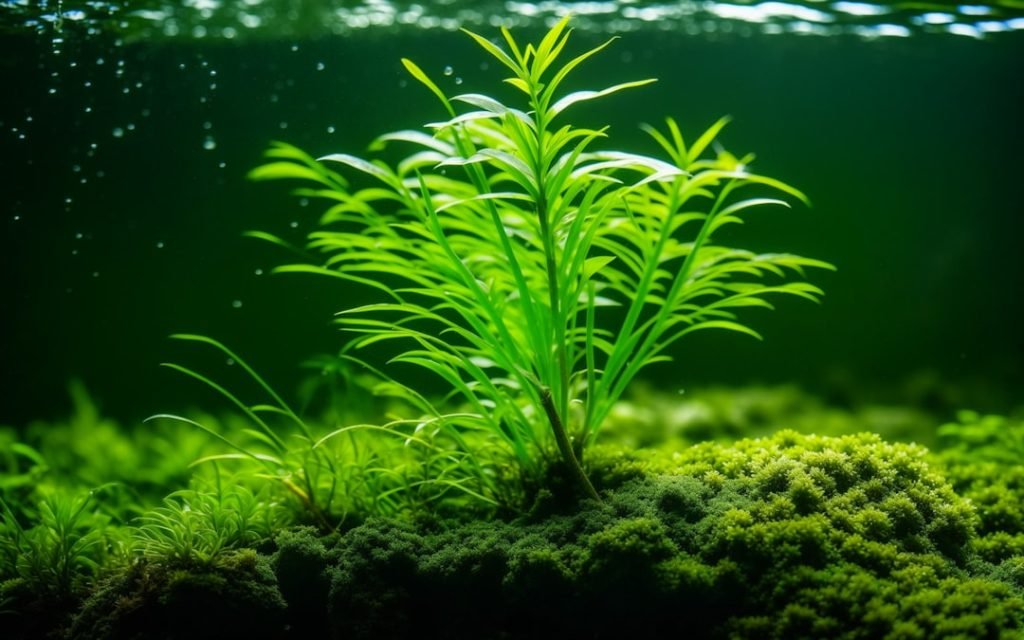
If you want your species-specific tank to truly thrive, choosing the right plants is key. The plants you pick don’t just add beauty—they create a natural home that helps your fish feel safe and healthy.
But with so many options, how do you know which ones suit your tank’s unique needs? This guide will help you discover the best plants that match your species perfectly, making your aquarium a vibrant, balanced world your fish will love.
Keep reading to find out how to transform your tank into a stunning underwater haven.

Credit: glassboxdiaries.com
Choosing Plants By Species
Selecting the right plants for your aquarium depends on the species you keep. Different fish and aquatic animals need plants that suit their environment and behavior.
Choosing species-specific plants helps create a natural habitat. It also keeps your tank healthy and your pets happy.
Tropical Fish-friendly Plants
Tropical fish enjoy plants that offer hiding spots and gentle leaves. Soft plants prevent damage to their fins and bodies.
Good tropical plants grow well in warm water and moderate light. They also help keep the water clean by absorbing nutrients.
- Java Fern
- Anubias
- Amazon Sword
- Water Wisteria
- Cryptocoryne
Plants For Cichlid Tanks
Cichlids can be rough with plants because they dig and move things. Choose tough plants that can handle this behavior.
Hardy plants with strong roots and thick leaves work best. They also provide cover for cichlids to feel safe.
- Vallisneria
- Java Fern (tied to rocks)
- Anubias (attached to wood)
- Cryptocoryne
- Broad-leafed plants
Aquatic Plants For Betta Tanks
Bettas like plants with broad leaves to rest on. Floating plants also help by giving shade and reducing light.
Choose plants that grow slowly and do not require strong water flow. Bettas prefer calm environments.
- Java Fern
- Marimo Moss Balls
- Hornwort
- Duckweed (floating)
- Water Sprite
Shrimp-safe Plant Options
Shrimp need plants that provide hiding places and surfaces for grazing. Fine leaves and mosses are ideal for them.
Plants that do not require chemicals or fertilizers are safer for shrimp tanks. They also help keep water clean.
- Java Moss
- Christmas Moss
- Anubias
- Marimo Moss Balls
- Java Fern
Plant Characteristics To Consider
Choosing the right plants for species-specific tanks helps keep fish safe and happy.
Plants must match the tank’s light, growth needs, and fish behavior to thrive well.
Light Requirements
Different plants need different light levels to grow strong.
- Low light plants do well in shaded tanks or low wattage bulbs.
- Medium light plants need about 8-10 hours of moderate light daily.
- High light plants require bright light for healthy growth.
- Choose plants based on your tank’s lighting setup to avoid poor growth.
Growth Rate And Maintenance
Plants grow at different speeds and need different care levels.
| Plant Type | Growth Rate | Maintenance Level |
| Java Fern | Slow | Low |
| Hornwort | Fast | Medium |
| Anubias | Slow | Low |
| Amazon Sword | Medium | Medium |
Compatibility With Tank Species
Some fish eat or uproot plants. Choose plants that suit your fish species.
- Peaceful fish usually do well with most plants.
- Herbivores may eat soft leaves but leave tough plants alone.
- Bottom dwellers might dig up plants, so pick hardy root plants.
- Research your fish’s habits before adding plants to the tank.
Top Plants For Freshwater Species
Choosing the right plants helps keep freshwater tanks healthy. Plants provide shelter and improve water quality.
This guide covers popular plants that suit many freshwater fish species. Each plant has unique benefits for your tank.
Java Fern And Anubias
Java Fern and Anubias are easy to care for and grow well in low light. These plants attach to rocks or driftwood.
- Java Fern has broad, green leaves that fish enjoy hiding under.
- Anubias has thick leaves that resist damage from fish nibbling.
- Both plants do not need planting in substrate, which prevents root rot.
Amazon Sword And Vallisneria
Amazon Sword and Vallisneria grow fast and offer tall, lush greenery. They need nutrient-rich substrate and moderate light.
| Plant | Light Needs | Growth Rate | Height |
|---|---|---|---|
| Amazon Sword | Medium | Fast | 12-20 inches |
| Vallisneria | Medium to High | Fast | 20-40 inches |
Cryptocoryne Varieties
Cryptocoryne plants have many leaf shapes and colors. They grow slowly but add beauty and cover to tanks.
Tips for Cryptocoryne care:
- Keep water stable to avoid leaf melting.
- Plant in substrate with nutrients.
- Give moderate to low light.
- Avoid sudden changes in water temperature.

Credit: glassboxdiaries.com
Best Plants For Saltwater Species
Saltwater tanks need the right plants to keep the water healthy. Plants help create a natural home for fish and other creatures.
Choosing plants suited for saltwater species can improve the tank’s balance. Some plants also offer food and shelter to animals.
Macroalgae Choices
Macroalgae are large algae that grow well in saltwater tanks. They help remove excess nutrients and provide oxygen.
- Chaetomorpha: Grows fast and stops algae blooms.
- Caulerpa: Adds color and shelters small animals.
- Gracilaria: Good food source for herbivores.
- Halymenia: Offers a red color contrast in tanks.
Seagrass Options
Seagrass is true marine grass that thrives in salty water. It gives shelter and food to many marine species.
| Seagrass Type | Benefits | Care Level |
| Halophila | Fast growth, good for small tanks | Easy |
| Thalassia | Strong roots, stabilizes substrate | Medium |
| Zostera | Provides hiding spots for fish | Hard |
Coralline Algae Benefits
Coralline algae are hard, crusty algae that grow on rocks and tank surfaces. They add color and help keep the tank healthy.
Benefits of coralline algae include:
- Reduces harmful algae growth by competing for space
- Helps build strong coral skeletons
- Improves tank stability and water quality
Creating A Balanced Ecosystem
A balanced ecosystem in species-specific tanks is important. Live plants play a key role in maintaining this balance.
Plants offer more than just beauty. They create a healthy environment for fish and other aquatic life.
Benefits Of Live Plants
Live plants give oxygen and absorb carbon dioxide. They help keep the water clean and fresh.
Plants also offer hiding spots for fish. This reduces stress and makes them feel safe.
- Oxygen production improves fish health
- Natural filtration keeps water clean
- Hiding spots reduce fish stress
Plant Placement Strategies
Proper plant placement is crucial for tank health. Place tall plants at the back and short ones in front.
This layout creates depth and space. It also allows light to reach all plants equally.
- Tall plants at the back create layers
- Short plants in front improve visibility
- Even light distribution promotes growth
Managing Algae Growth
Algae can be a problem in tanks. Live plants compete with algae for nutrients, reducing their growth.
Regular maintenance and balanced lighting also help. Avoid overfeeding fish to prevent excess nutrients.
- Plants compete with algae for nutrients
- Balanced lighting controls algae
- Avoid overfeeding to reduce nutrients
Plant Care Tips For Species Tanks
Choosing the right plants helps create a healthy tank for specific fish species. Plants provide shelter and improve water quality.
Proper care keeps plants strong and supports the tank’s balance. Learn how to manage water, pruning, and common problems.
Water Parameters And Fertilization
Plants need stable water conditions to grow well. Match the water type to the species and plants in the tank.
Fertilizers add nutrients plants need. Use the right type and amount to avoid harming fish or plants.
- Keep pH levels suitable for both plants and fish
- Maintain water temperature within species limits
- Use liquid or substrate fertilizers as needed
- Test water regularly for nutrient levels
Pruning And Propagation
Trim plants to stop them from growing too big or blocking light. Healthy plants grow better and look neat.
Propagation helps add more plants without buying new ones. Use cuttings or runners depending on the plant type.
- Cut dead or yellow leaves to improve health
- Trim fast-growing plants regularly
- Use cuttings to grow new plants
- Plant runners in soft substrate
Dealing With Common Plant Issues
Watch plants for signs of stress like holes, discoloration, or wilting. Early action helps plants recover faster.
Common problems include algae growth, nutrient deficiency, and poor lighting. Fix these to keep plants healthy.
- Remove algae by cleaning leaves and adjusting light
- Add fertilizers if plants look pale or weak
- Check lighting intensity and duration
- Keep water clean with regular changes

Credit: glassboxdiaries.com
Frequently Asked Questions
What Plants Are Best For Species-specific Tanks?
Best plants vary by species but commonly include Java Fern, Anubias, and Amazon Sword. These plants provide shelter and improve water quality, suiting many species’ needs.
How Do Plants Benefit Species-specific Tanks?
Plants offer hiding spots, reduce stress, and oxygenate water. They help maintain a natural environment, promoting healthier and more active aquatic species.
Can Aggressive Fish Coexist With Live Plants?
Yes, but choose hardy plants like Java Fern or Anubias. These plants withstand nibbling and rough behavior, ensuring tank stability and plant survival.
Which Plants Require Low Maintenance In Species-specific Tanks?
Java Moss, Anubias, and Cryptocoryne are low-maintenance. They thrive in varied conditions and need minimal light and care, perfect for beginner aquarists.
Conclusion
Choosing the right plants helps keep species-specific tanks healthy. Plants provide shelter and improve water quality. They create a natural feel that fish enjoy. Each species has different needs for plants. Matching plants to your tank’s inhabitants makes care easier.
Simple choices can lead to a beautiful, balanced aquarium. Enjoy watching your aquatic pets thrive among the right plants. Care and attention bring a vibrant, happy tank to life.