
Keeping a species-specific aquarium healthy and vibrant takes more than just filling a tank with water and fish. You need the right maintenance schedule tailored to the unique needs of your aquatic pets.
If you want your fish to thrive, avoid common problems, and enjoy a beautiful underwater world, understanding these schedules is key. You’ll discover simple, effective routines that match your aquarium’s species perfectly—making your life easier and your fish happier. Ready to unlock the secrets to a thriving tank?
Let’s dive in.
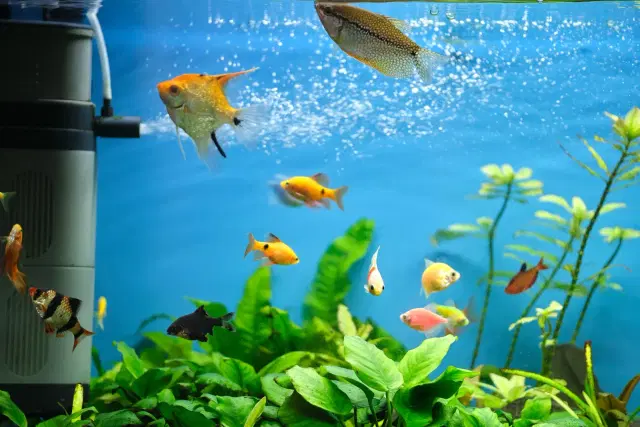
Credit: aquadecorbackgrounds.com
Freshwater Fish Tanks
Freshwater fish tanks need regular care to keep fish healthy. Proper maintenance helps avoid diseases and keeps water clean.
Different species require specific care routines. This guide focuses on the best schedules for freshwater tanks.
Daily Care Tips
Check your fish tank every day to spot problems early. Feed fish on time and watch their behavior closely.
Remove leftover food after feeding. It prevents water pollution and keeps fish healthy.
- Feed fish once or twice daily with the right amount
- Check water temperature and adjust if needed
- Look for signs of sickness or stress in fish
- Remove uneaten food and debris
Weekly Cleaning Routine
Clean the tank weekly to keep the environment stable. Partial water changes help remove waste and toxins.
Clean the glass and decorations gently. Avoid disturbing fish too much during cleaning.
- Change 10-20% of the water with fresh, treated water
- Use a gravel vacuum to clean the substrate
- Wipe algae off glass with a soft cloth or scraper
- Rinse filter media in tank water only, not tap water
Monthly Deep Maintenance
Perform deep cleaning once a month. This keeps the tank healthy and supports fish growth.
Inspect all equipment and replace worn parts. Deep clean plants and decorations carefully.
- Remove and clean filter components with tank water
- Trim live plants and remove dead leaves
- Check substrate for buildup and clean if needed
- Test water parameters and adjust as required
Seasonal Equipment Checks
Check equipment each season to avoid failures. Seasonal changes can affect water temperature and equipment function.
Replace bulbs and clean filters more often in warm seasons. Inspect heaters and pumps regularly.
- Test heater and thermostat for accuracy
- Clean and inspect filters and pumps
- Replace lighting bulbs if dim or old
- Check air pumps and tubing for blockages
Saltwater Reef Aquariums
Saltwater reef aquariums mimic ocean environments with corals and fish. They need careful care to keep creatures healthy.
Good maintenance keeps water clean and corals growing. Regular checks prevent problems and support a balanced tank.
Daily Monitoring Practices
Check the aquarium every day for changes in water clarity and fish behavior. Look for signs of stress or disease on corals and fish.
Observe equipment like pumps and lights to make sure they work well. Keep an eye on water temperature for stability.
- Look for cloudy or discolored water
- Watch fish for unusual swimming or hiding
- Inspect corals for bleaching or damage
- Check equipment operation
- Measure water temperature
Weekly Water Testing
Test water weekly to check key parameters. Balanced water chemistry helps corals and fish stay healthy.
Common tests include salinity, pH, ammonia, nitrite, and nitrate. Record results to track changes over time.
- Salinity (specific gravity)
- pH level
- Ammonia
- Nitrite
- Nitrate
- Calcium and alkalinity (optional)
Monthly Coral Care
Trim corals to remove dead parts and encourage growth. Clean any algae or debris from coral surfaces.
Check coral placement for enough light and water flow. Adjust as needed to keep corals healthy and growing.
- Remove dead or damaged coral pieces
- Clean coral surfaces gently
- Check coral spacing for light and flow
- Move corals if needed
Equipment Calibration
Calibrate equipment monthly for accuracy. Proper calibration keeps water parameters steady and safe.
Check heaters, probes, and dosing pumps. Follow manufacturer instructions to adjust and test each device.
- Test and adjust heater temperature
- Calibrate pH and salinity probes
- Check dosing pump accuracy
- Clean sensors and equipment parts
Tropical Plant Aquariums
Tropical plant aquariums need special care to keep plants healthy. Proper maintenance helps plants grow strong and bright.
This guide covers key tasks for tropical plant aquarium care. Follow these schedules to create a balanced environment.
Light And Temperature Management
Tropical plants need steady light and warm water to thrive. Too much or too little light can harm growth.
- Provide 8 to 10 hours of light daily
- Use full-spectrum LED lights for best results
- Keep water temperature between 74°F and 82°F (23°C to 28°C)
- Check temperature daily with a reliable thermometer
Nutrient Supplement Schedule
Plants need nutrients like nitrogen, potassium, and iron. Use supplements to keep these levels stable.
| Supplement Type | Frequency | Notes |
| Liquid fertilizer | Weekly | Use a balanced mix for aquatic plants |
| Root tabs | Monthly | Place near plant roots for better absorption |
| Iron supplement | Every two weeks | Prevents yellowing of leaves |
Algae Control Methods
Algae can grow quickly and harm plants. Control algae with proper cleaning and balance.
- Limit light exposure to avoid algae bloom
- Perform weekly water changes of 20-30%
- Add algae-eating fish or snails
- Use algae scrapers on glass surfaces
- Avoid overfeeding fish to reduce nutrients
Pruning And Plant Health
Prune plants to remove dead leaves and encourage new growth. Healthy plants look vibrant and strong.
Pruning Tips:
- Trim brown or yellow leaves weekly
- Cut back fast-growing stems to control size
- Remove decaying plant parts immediately
- Use sharp, clean scissors for cutting
Cichlid Aquariums
Cichlid aquariums need special care to keep fish healthy and happy. These fish have unique needs compared to other species.
Following a proper maintenance schedule helps maintain a balanced and thriving environment for cichlids.
Territory And Behavior Observation
Cichlids are territorial and can show aggressive behavior. Watch them daily to spot any fights or stress signs.
Keep an eye on how fish interact and adjust tank mates or decorations if needed to reduce conflicts.
- Note any chasing or hiding behavior
- Separate aggressive fish if fights continue
- Provide enough space for each fish
- Use visual barriers to reduce stress
Water Quality Maintenance
Clean water is vital for cichlids’ health. Test water weekly to check pH, ammonia, nitrite, and nitrate levels.
Perform regular water changes and clean the filter to keep water parameters stable and safe.
- Test water once a week
- Change 20-30% of water every 1-2 weeks
- Clean filter media monthly
- Keep pH between 7.8 and 8.6 for most cichlids
Tank Decoration Upkeep
Cichlids like hiding places and territories. Keep rocks, caves, and plants clean and intact.
Check decorations regularly for algae or damage. Replace or clean items as needed to keep the tank safe.
- Remove algae from rocks and glass weekly
- Inspect decorations for sharp edges
- Rearrange decorations to reduce aggression
- Use sturdy decorations to prevent collapse
Feeding Frequency And Diet
Feed cichlids balanced food twice a day. Avoid overfeeding to keep water clean.
Use a mix of pellets, flakes, and occasional live or frozen foods for variety and nutrition.
- Feed small amounts twice daily
- Include protein-rich pellets or flakes
- Add live or frozen foods once or twice weekly
- Remove uneaten food to prevent waste buildup
Betta Fish Tanks
Betta fish need clean, warm water and a safe home. Proper maintenance keeps them healthy.
Following a good schedule helps avoid stress and illness in your betta fish.
Water Change Timing
Change 25% to 50% of the water weekly. This keeps toxins low and water clear.
For smaller tanks, change water more often to keep conditions stable.
Tank Size Considerations
Choose a tank size that lets your betta swim freely. Avoid tanks smaller than 2.5 gallons.
| Tank Size | Recommended Water Change |
| 2.5 to 5 gallons | Change 50% twice a week |
| 5 to 10 gallons | Change 25% weekly |
| Over 10 gallons | Change 25% every 10 days |
Filter And Heater Maintenance
Clean the filter every 2 weeks. Rinse it in tank water to save beneficial bacteria.
- Check the heater daily to keep water at 78-80°F
- Replace filter media monthly or as needed
- Watch for unusual noises from the filter or heater
Feeding And Enrichment
Feed bettas small amounts twice daily. Remove leftover food to prevent water pollution.
Try these enrichment ideas:
- Add live or silk plants for hiding spots
- Use floating betta logs or caves
- Change tank decorations every few weeks
Coldwater Aquariums
Coldwater aquariums are unique and require specific care. They house fish that thrive in cooler temperatures.
To maintain a healthy environment, follow a tailored schedule. Proper care ensures the well-being of your aquatic life.
Temperature Regulation
Maintaining the correct temperature is vital for coldwater aquariums. Use a reliable thermometer to monitor water temperature.
- Place the aquarium away from direct sunlight
- Use a heater if the room temperature drops too low
- Regularly check the thermometer readings
Regular Cleaning Schedule
Clean the aquarium regularly to prevent algae growth. This keeps the water clear and healthy for the fish.
| Task | Frequency |
| Change 10% of the water | Weekly |
| Scrub algae from glass | Bi-weekly |
| Rinse filter media | Monthly |
Oxygenation Techniques
Oxygen is crucial for fish health. Ensure proper water circulation and aeration.
Consider these methods to improve oxygen levels:
- Install an air pump with airstones
- Use a water filter with a strong flow
- Add live plants to increase oxygen production
Fish Health Monitoring
Regularly observe your fish for signs of illness. Healthy fish are active and have a good appetite.
- Check for unusual spots or discoloration
- Notice any changes in swimming patterns
- Monitor eating habits and appetite
General Maintenance Tools
Maintaining species-specific aquariums requires the right tools. Proper equipment ensures a healthy environment for your aquatic life.
Let’s explore the essential tools and tips for effective aquarium maintenance.
Essential Equipment List
Having the correct equipment is crucial for smooth aquarium maintenance. Here is a list of necessary tools.
- Algae scraper for cleaning tank walls
- Gravel vacuum for substrate cleaning
- Water test kits for monitoring pH and ammonia levels
- Net for safely removing fish
- Heater and thermometer to maintain optimal temperature
Maintenance Checklist
Regular maintenance keeps your aquarium in excellent condition. Follow this checklist to ensure all tasks are completed efficiently.
- Check water parameters weekly
- Clean algae from tank walls
- Replace 25% of the water every two weeks
- Inspect and clean the filter monthly
- Trim overgrown plants to promote growth
Troubleshooting Common Issues
Sometimes, problems arise despite best efforts. Knowing how to troubleshoot can prevent major issues.
| Issue | Solution |
| Cloudy Water | Check filter and reduce feeding |
| Algae Overgrowth | Reduce light exposure and increase water changes |
| Fish Illness | Isolate affected fish and consult a vet |
Record Keeping Tips
Keeping records helps track the health and maintenance of your aquarium. Use these tips to stay organized.
- Log water test results weekly
- Note any changes in fish behavior
- Record maintenance tasks and dates
- Track new fish or plant additions
Credit: clixfueling.com
Credit: pethelpful.com
Frequently Asked Questions
What Is The Ideal Maintenance Schedule For Species-specific Aquariums?
The ideal schedule varies by species but generally includes weekly water changes, daily feeding, and monthly filter checks. Tailoring maintenance to species needs ensures a healthy environment and balanced ecosystem.
How Often Should Water Be Tested In Species-specific Tanks?
Water should be tested weekly for pH, ammonia, nitrite, and nitrate levels. Consistent testing prevents harmful chemical buildup and supports species-specific water quality requirements.
Why Is Species-specific Maintenance Important For Aquarium Health?
Species-specific maintenance addresses unique needs like temperature, diet, and habitat. It prevents stress and disease, promoting longevity and vibrant aquatic life.
How Frequently Should Aquarium Filters Be Cleaned?
Filters should be cleaned every 2 to 4 weeks to maintain water clarity and quality. Avoid over-cleaning to preserve beneficial bacteria essential for the nitrogen cycle.
Conclusion
Maintaining species-specific aquariums keeps fish healthy and happy. Regular care prevents diseases and improves water quality. Follow schedules that match your aquarium’s needs and species. Simple tasks like water changes and filter cleaning matter most. Observe your fish daily to catch problems early.
Consistency makes a big difference over time. Enjoy a vibrant, thriving aquarium with steady effort. Small steps lead to great results in fish care. Trust your routine and watch your aquarium flourish.