
Are you ready to create a thriving home for your unique aquatic friends? Maintaining a species-specific aquarium takes more than just filling a tank with water and fish.
Your fish have special needs, and understanding how to care for them can make all the difference between a dull tank and a vibrant underwater world. You’ll discover the best maintenance practices tailored exactly to your aquarium’s species. By following these simple steps, you’ll keep your aquatic pets healthy, happy, and glowing with life.
Keep reading—your perfect aquarium awaits!
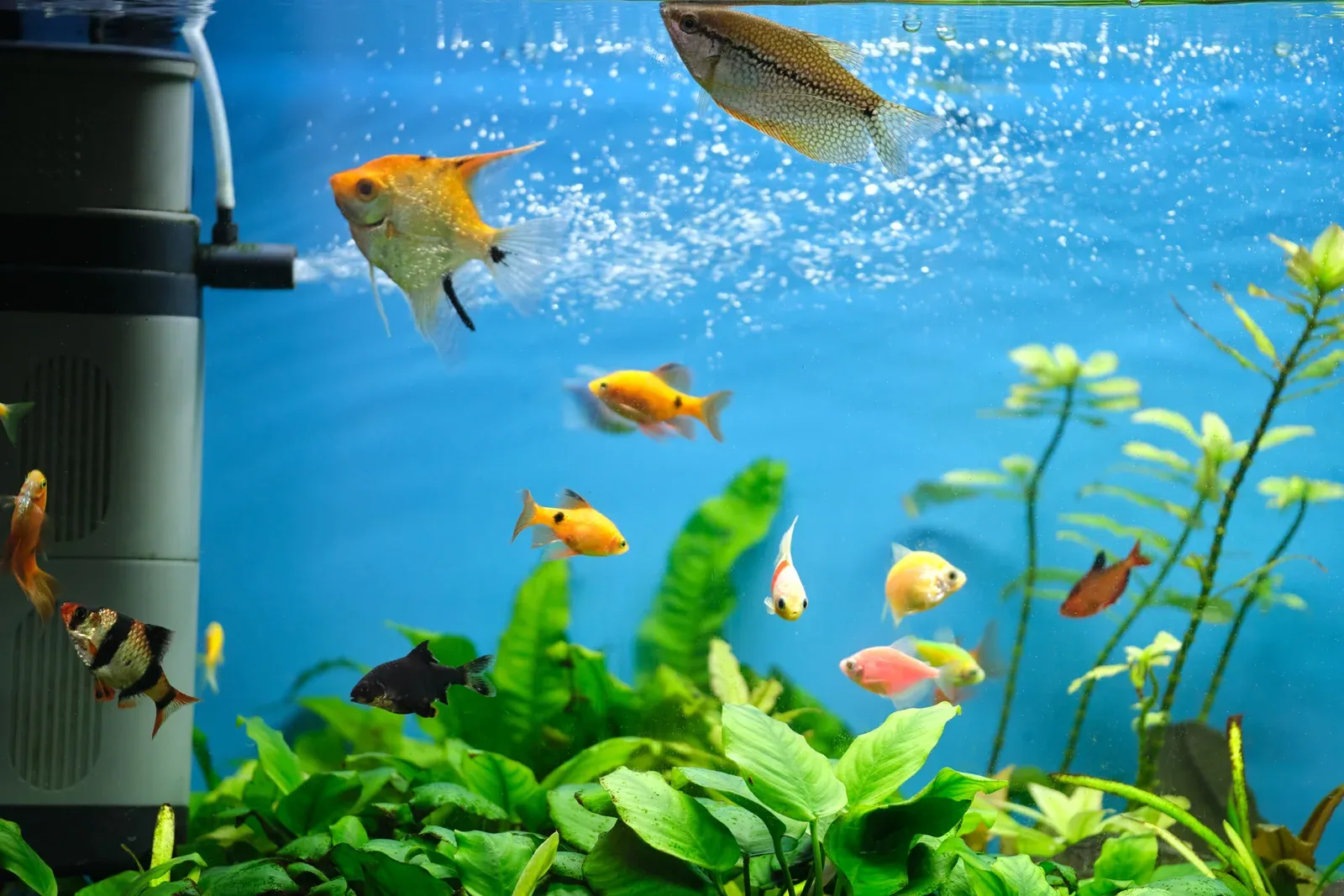
Credit: aquadecorbackgrounds.com
Choosing The Right Aquarium Setup
Setting up an aquarium for specific species needs careful planning. The right setup helps fish stay healthy and active.
Each species has unique needs for space, equipment, and environment. Meeting these needs means understanding their natural habits.
Selecting Appropriate Tank Size
Tank size is key to a happy aquarium. Smaller tanks can stress fish, while large tanks need more care. Choose a tank size that fits the species’ size and number.
- Research adult size of your species
- Allow enough space for swimming and hiding
- Consider future growth of fish
- Account for water volume to keep stable conditions
Matching Equipment To Species Needs
Different species need different equipment. Some require strong filters, others need gentle water flow. Lighting and heating also matter for comfort.
| Equipment | Purpose | Species Example |
| Filter | Clean water and oxygen | Tropical fish |
| Heater | Keep water warm | Discus, bettas |
| Light | Simulate natural day cycle | Coral reef fish |
| Air Pump | Increase oxygen | Goldfish |
Creating Natural Habitats
Natural habitats reduce stress and encourage natural behavior. Use plants, rocks, and substrates that match the fish’s home environment.
- Use sand or gravel like the species’ riverbed or ocean floor
- Add plants that provide hiding spots and oxygen
- Include driftwood or rocks to mimic natural shelters
- Match water color and pH to natural habitat if possible
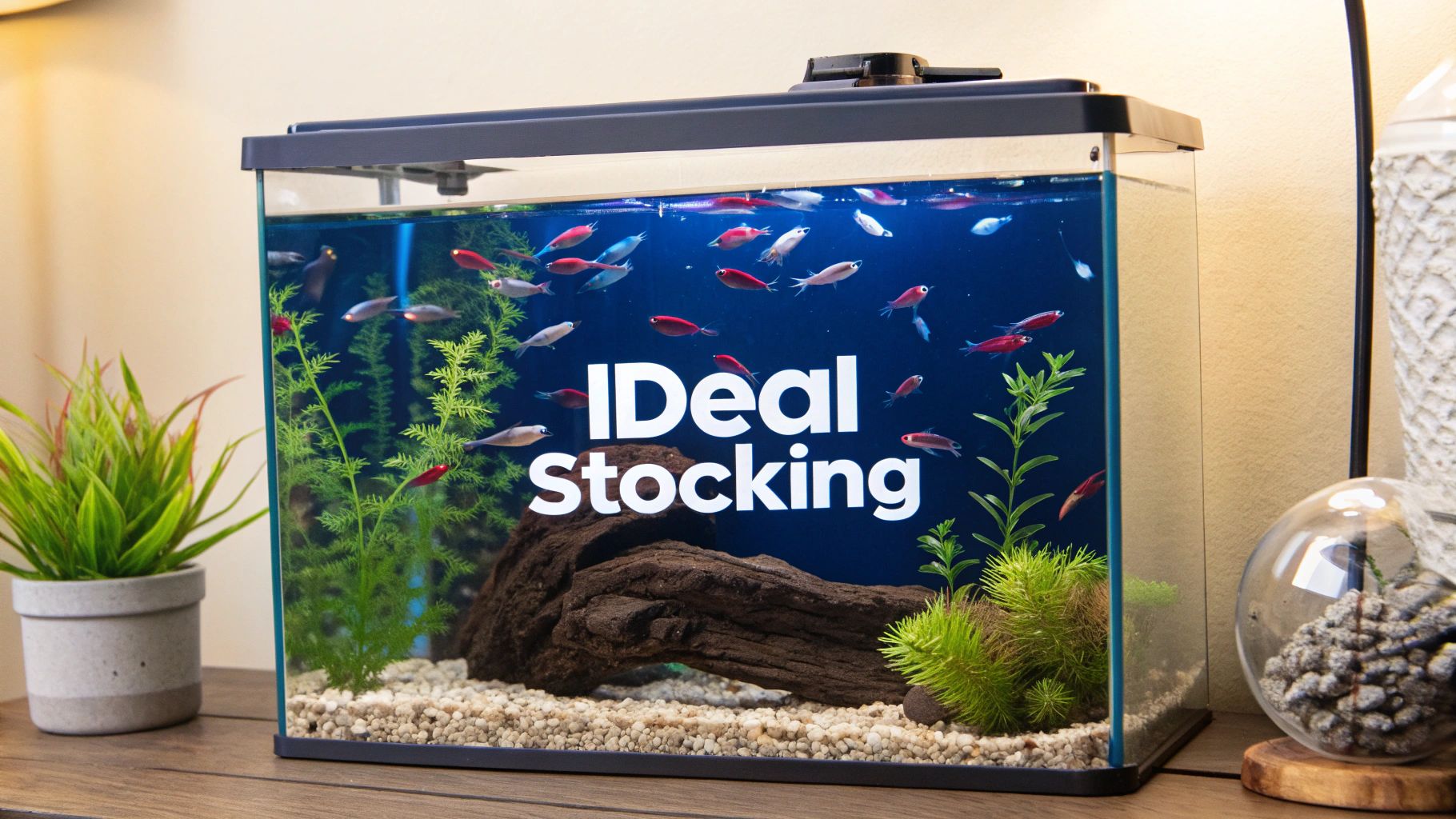
Credit: clixfueling.com
Water Quality Management
Maintaining water quality is crucial for species-specific aquariums. Different species need different water conditions to thrive. Consistent monitoring and maintenance help keep the aquarium healthy.
Understanding and managing water quality involves several key practices. These include monitoring pH and hardness, regular water changes, and filtration system maintenance.
Monitoring Ph And Hardness Levels
pH and hardness levels affect fish health. Test water regularly to ensure levels remain stable. Use a reliable test kit for accurate readings. Adjustments may be necessary to meet species-specific needs.
- Test pH weekly using a reliable kit.
- Check water hardness to match species needs.
- Adjust with appropriate conditioners if needed.
Regular Water Changes
Regular water changes remove waste and toxins. This helps maintain a clean environment. Use dechlorinated water to protect fish during changes.
Consider using a siphon for efficient water removal. Replace 10-15% of water weekly for most aquariums. Avoid drastic changes to prevent stress.
Filtration System Maintenance
A well-maintained filtration system keeps water clean. Regularly check and clean filters to ensure efficiency. Replace filter media as needed to prevent clogging.
| Filter Type | Maintenance Frequency |
| Mechanical Filter | Every 2 weeks |
| Biological Filter | Every month |
| Chemical Filter | Every 3 months |
Feeding And Nutrition
Proper feeding and nutrition are vital for the health of species-specific aquariums. Each species has different dietary needs that must be met to keep them thriving.
Understanding the right food types, feeding times, and amounts helps prevent common problems like malnutrition and water pollution.
Species-specific Diets
Each aquatic species needs a diet tailored to its natural habits. Carnivores, herbivores, and omnivores require different foods to stay healthy.
- Carnivores:Feed high-protein foods like live or frozen shrimp, fish, and insects.
- Herbivores:Provide algae, plant-based flakes, and fresh vegetables.
- Omnivores:Offer a balanced mix of protein and plant matter.
- Special diets:Some species need specific supplements, such as calcium or vitamins.
Feeding Schedules And Portions
Regular feeding times and correct portion sizes keep fish healthy and prevent waste buildup. Overfeeding can harm water quality and fish health.
| Species Type | Feeding Frequency | Portion Size |
|---|---|---|
| Carnivores | Once or twice daily | Small amounts, eaten within 5 minutes |
| Herbivores | Two to three times daily | Enough to consume quickly without leftovers |
| Omnivores | Once to twice daily | Moderate portions, avoid excess |
Avoiding Overfeeding
Overfeeding leads to poor water quality and can cause health problems for fish. Watch your fish during feeding and adjust portions as needed.
- Feed only what fish consume in 3–5 minutes
- Remove uneaten food promptly
- Use feeding tools like tongs or tubes for precise feeding
- Keep a feeding log to track amounts and frequency
- Observe fish behavior for signs of hunger or fullness
Health Monitoring And Disease Prevention
Keeping species-specific aquariums healthy needs regular health checks. Watching fish closely helps catch sickness early. This lowers risks and keeps the aquarium safe.
Good disease prevention means knowing signs of illness and using proper care. This guide covers key steps to protect your aquatic pets.
Recognizing Common Signs Of Illness
Fish show many signs when they are not well. Spotting these signs fast can save their lives. Look for changes in behavior or appearance.
- Loss of appetite or refusal to eat
- Unusual swimming patterns or lethargy
- Visible spots, sores, or discoloration
- Clamped fins or ragged fin edges
- Rapid breathing or gasping at the surface
- Excess mucus or slime on the body
Quarantine Procedures
New fish must stay in a separate tank before joining the main aquarium. This prevents spreading diseases to healthy fish.
| Quarantine Step | Description | Duration |
| Set up separate tank | Use a clean tank with similar water conditions | At least 2 weeks |
| Observe daily | Watch for any signs of illness or stress | Continuous |
| Treat if needed | Use safe medications if signs of disease appear | As prescribed |
| Gradual introduction | Move fish slowly to main tank after quarantine | After full recovery |
Using Safe Treatments
Choosing the right treatment keeps fish healthy without harm. Use only medications made for aquatic animals. Follow instructions carefully.
- Check the active ingredients to avoid harmful chemicals.
- Do not mix treatments unless approved.
- Remove activated carbon from filters during treatment.
- Keep water clean and stable in temperature.
- Monitor fish closely for side effects.
Tank Cleaning And Maintenance
Keeping a species-specific aquarium clean is vital for fish health. Regular maintenance helps prevent disease and keeps the environment stable.
Proper cleaning methods protect delicate species and preserve beneficial bacteria. Follow safe techniques and manage algae and substrate carefully.
Safe Cleaning Techniques
Use gentle tools to clean the tank. Avoid harsh chemicals that can harm aquatic life. Only clean part of the tank at a time to keep water stable.
- Use a soft sponge or algae scraper for tank walls
- Replace 10-20% of the water weekly
- Clean filters with tank water to save beneficial bacteria
- Remove uneaten food and waste daily
- Do not use soap or detergents inside the tank
Managing Algae Growth
Algae can harm water quality and block light. Control algae by balancing light and nutrients in the tank. Manual removal also helps keep it low.
| Method | Description |
| Light Control | Limit tank light to 8-10 hours daily |
| Algae Eaters | Add species that eat algae, if compatible |
| Manual Removal | Scrape algae from glass and decorations weekly |
| Water Changes | Regular partial water changes reduce nutrients |
Maintaining Substrate And Decorations
Substrate and decorations collect debris and waste. Clean them gently to avoid disturbing tank balance and the animals living inside.
- Vacuum substrate during water changes to remove waste
- Rinse decorations in tank water, not tap water
- Remove and clean decorations if algae or dirt build up
- Check for sharp edges that can hurt fish
- Do not over-clean to protect beneficial bacteria
Lighting And Temperature Control
Proper lighting and temperature are key to healthy species-specific aquariums. Each species needs a specific environment to thrive.
Adjusting these factors helps mimic natural habitats. This leads to better health and natural behaviors.
Adjusting Light For Species Needs
Different aquatic species require different light intensities and durations. Some need bright light to grow plants, while others prefer dimmer conditions.
- Research the natural habitat of your species.
- Use adjustable LED lights for flexibility.
- Provide shade or hiding spots for shy species.
- Match the light cycle to natural day and night periods.
- Avoid sudden light changes to reduce stress.
Maintaining Stable Temperatures
Stable water temperature is vital for fish health. Rapid changes can cause stress or illness.
| Species Type | Ideal Temperature (°F) |
| Tropical Fish | 75 – 80 |
| Coldwater Fish | 60 – 70 |
| Marine Species | 72 – 78 |
| Planted Aquariums | 72 – 82 |
Using Timers And Heaters Effectively
Timers and heaters help keep the aquarium environment consistent and safe.
Follow these tips for best results:
- Set heaters to the species’ preferred temperature range.
- Use timers to control lighting hours accurately.
- Check equipment regularly for proper function.
- Place heaters where water flows for even heat distribution.
- Backup power sources can prevent temperature drops during outages.
Breeding And Species Compatibility
Maintaining species-specific aquariums requires careful attention to breeding habits and how different species interact. Understanding these factors helps keep your aquarium healthy and balanced.
Knowing how to create the right environment and choose compatible tank mates reduces stress and increases the chance of successful breeding.
Creating Breeding-friendly Environments
Species need specific conditions to breed well. Adjust water temperature, pH, and lighting to match their natural habitat. Provide hiding places like plants or caves for egg laying and fry protection.
Regular water changes keep the tank clean and reduce stress. Use gentle filtration to avoid harming delicate eggs or young fish.
- Match water temperature to species needs
- Maintain proper pH and hardness levels
- Provide shelters for breeding and hiding
- Keep water clean with regular changes
- Use gentle water flow to protect eggs
Managing Aggressive Behaviors
Aggression can harm fish and disrupt breeding. Watch for signs like chasing, nipping, or hiding. Separate aggressive fish if needed to prevent injury.
Use decorations to create territories. This helps reduce fights by giving fish their own space. Avoid overcrowding the tank.
- Observe fish for aggressive actions
- Separate aggressive individuals quickly
- Create territories with plants or rocks
- Keep the tank spacious and uncrowded
- Feed fish well to lower competition
Selecting Compatible Tank Mates
Choose tank mates that have similar size and temperament. Avoid mixing aggressive and peaceful species. Compatible fish reduce stress and improve breeding success.
Research species requirements before adding new fish. Group fish with the same water and food needs to keep the aquarium balanced.
- Pick species with similar size and behavior
- Avoid mixing aggressive with peaceful fish
- Match water and food needs across species
- Introduce new fish slowly to reduce stress
- Monitor interactions to ensure harmony

Credit: buceplant.com
Frequently Asked Questions
What Are Essential Maintenance Tasks For Species-specific Aquariums?
Regular water changes, monitoring water parameters, and cleaning filters are essential. Tailor care to the species’ needs to ensure a healthy environment. Consistent feeding schedules and observing fish behavior also help maintain optimal conditions.
How Often Should Water Be Tested In Species-specific Tanks?
Test water weekly to check pH, ammonia, nitrite, and nitrate levels. Frequent testing helps catch issues early. Adjust water conditions based on species requirements for best results.
Why Is Tank Size Important For Species-specific Aquariums?
Proper tank size ensures enough space for swimming and growth. Overcrowding stresses fish and increases waste buildup. Match tank size to species’ adult size and activity level.
How Do I Prevent Diseases In Species-specific Aquariums?
Quarantine new fish before introduction. Maintain clean water and avoid overfeeding. Regularly inspect fish for signs of illness and act quickly if symptoms appear.
Conclusion
Caring for species-specific aquariums takes patience and attention. Keep water clean and check parameters often. Feed fish the right food for their needs. Watch for signs of stress or illness daily. Regular tank cleaning helps fish stay healthy and happy.
Small efforts lead to a thriving underwater world. Enjoy the beauty and peace your aquarium brings. Consistent care makes all the difference in success. Your fish will thank you with vibrant colors and energy.