
If you want your Molly Fry to stay healthy and vibrant, feeding it the right live foods is key. Choosing the best live foods can boost your fish’s energy, color, and overall well-being.
But with so many options out there, how do you know which ones are truly the best for your Molly Fry? You’ll discover the top live foods that will keep your fish thriving and happy. Keep reading to find out exactly what your Molly Fry needs to flourish!
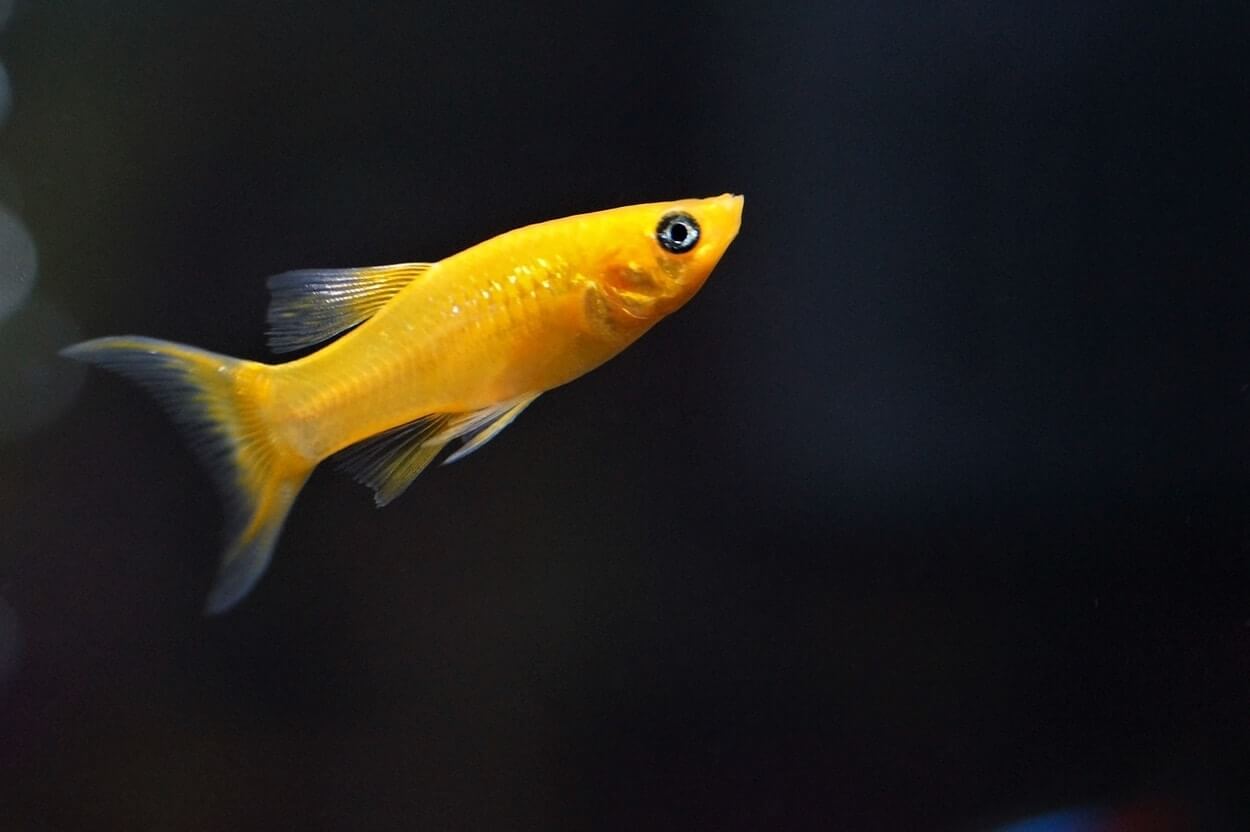
Credit: www.aquariumsource.com
Benefits Of Live Foods
Live foods are natural and rich in nutrients. They help Molly Fry fish stay healthy and active. Adding live foods to their diet supports their well-being in many ways.
These foods come from nature and offer vitamins, proteins, and minerals. They are easy for fish to digest and enjoy.
Boosting Growth And Color
Live foods help Molly Fry grow faster and develop bright colors. The natural nutrients support strong bones and muscles. They also improve the shine of their scales.
- Rich in protein for muscle growth
- Contains natural pigments for color enhancement
- Supplies vitamins that aid development
- Encourages active swimming and behavior
Enhancing Immune System
Feeding live foods boosts the immune system of Molly Fry. This helps them fight diseases and stay strong. Live foods contain natural enzymes and good bacteria that protect fish health.
| Immune Benefit | Live Food Source | Effect |
| Boosts white blood cells | Brine shrimp | Improves disease resistance |
| Provides probiotics | Daphnia | Supports gut health |
| Supplies vitamins C and E | Microworms | Reduces stress |
Improving Digestion
Live foods help Molly Fry digest food better. They contain enzymes that break down nutrients. This makes feeding efficient and reduces waste.
Some live foods that improve digestion include:
- Infusoria – tiny organisms easy to digest
- Rotifers – rich in enzymes for gut health
- Worms – provide fiber and nutrients
Top Live Food Options
Live foods are vital for Molly fry to grow strong and healthy. They provide essential nutrients and encourage natural hunting behavior.
Choosing the right live food can improve fry survival and development. Here are some of the best live food options for Molly fry.
Brine Shrimp
Brine shrimp are tiny and easy for Molly fry to eat. They are rich in protein and help fry grow quickly.
Baby brine shrimp, called nauplii, are the best size for fry. They swim actively, encouraging fry to hunt.
Daphnia
Daphnia are small water fleas that Molly fry enjoy. They have a crunchy shell and are full of nutrients.
Daphnia help keep water clean by eating algae. They are easy to culture at home for fresh feeding.
Microworms
Microworms are tiny worms that fry can eat easily. They are soft and safe for young fry to digest.
Microworms reproduce fast and are simple to grow on bread or oatmeal cultures.
Blackworms
Blackworms are rich in nutrients and good for larger Molly fry. They move slowly and attract fry attention.
They live in freshwater and can be bred in tanks with mud and decayed leaves.
Bloodworms
Bloodworms are bright red larvae that Molly fry find tasty. They have high protein and fat content.
Feed bloodworms in small amounts to avoid water pollution. They can be bought frozen or live for feeding.
Nutritional Profiles
Live foods are an essential part of a Molly Fry’s diet. They provide key nutrients that support growth and health. Understanding their nutritional profiles helps you choose the best options.
This guide covers the protein content, vitamins, minerals, and fatty acids found in popular live foods for Molly Fry.
Protein Content
Protein is vital for muscle development and repair in Molly Fry fish. Live foods vary in protein levels but generally offer high-quality protein sources.
- Bloodworms: High protein content, easy to digest.
- Brine shrimp: Moderate protein with good amino acids.
- Daphnia: Rich in protein and fiber.
- Blackworms: Very high in protein, ideal for growth.
- Microworms: Lower protein but good for fry feeding.
Vitamins And Minerals
Vitamins and minerals support immune function and overall health. Live foods supply essential nutrients like vitamin A, C, calcium, and iron.
| Live Food | Vitamin A (IU) | Vitamin C (mg) | Calcium (mg) | Iron (mg) |
| Bloodworms | 1200 | 2.5 | 35 | 4.2 |
| Brine shrimp | 900 | 1.8 | 40 | 3.5 |
| Daphnia | 1100 | 2.0 | 30 | 3.8 |
| Blackworms | 1300 | 2.2 | 38 | 4.5 |
| Microworms | 700 | 1.0 | 25 | 2.0 |
Fatty Acids
Fatty acids improve brain function and energy for Molly Fry. Omega-3 and omega-6 fatty acids are important for healthy development.
Common live foods and their fatty acid content (per 100g):
- Bloodworms:High in omega-3 fatty acids
- Brine shrimp:Balanced omega-3 and omega-6
- Daphnia:Moderate omega-6 content
- Blackworms:Rich in both omega-3 and omega-6
- Microworms:Lower fatty acid levels

Credit: www.aquariumsource.com
Feeding Tips For Molly Fry
Molly fry are young fish that need proper food to grow healthy. Live foods help them get the nutrients they need.
This guide explains how often to feed, what to mix with live food, and how to avoid overfeeding.
Frequency And Quantity
Feed molly fry small amounts several times a day. They eat often but in little portions.
Offer food they can finish in 2 to 3 minutes. Remove leftovers to keep water clean.
- Feed 3 to 4 times daily
- Use tiny portions each feeding
- Remove uneaten food quickly
Combining With Other Foods
Live foods are best when mixed with high-quality powdered or flake food. This gives balanced nutrition.
Try to add crushed flakes or fry food to live foods. This helps molly fry get vitamins and minerals.
- Mix live food with crushed flakes
- Use powdered fry food for extra nutrients
- Change food types to avoid boredom
Avoiding Overfeeding
Overfeeding can harm molly fry and pollute the water. Feed only what they can eat quickly.
Watch your fry while feeding. Stop if food remains after a few minutes to keep the tank clean.
- Feed small amounts to prevent waste
- Remove leftover food promptly
- Keep water clean with regular changes
Cultivating Live Foods At Home
Live foods are a great way to feed your Molly fry. Growing your own cultures at home is simple and cost-effective. It also ensures fresh and healthy food for your fish.
This guide explains how to set up, maintain, and harvest live foods. It also covers common challenges you may face during cultivation.
Setting Up Cultures
Choose a clean container with a lid that allows air flow. Use fresh water free from chlorine. Add a starter culture of live food like infusoria, brine shrimp, or microworms. Keep the container in a warm spot with indirect light.
Maintenance And Harvesting
Feed the culture daily with small amounts of food like yeast or powdered fish food. Stir gently to provide oxygen. Harvest small amounts of live food using a fine net or pipette. Replace the water regularly to avoid bad smells.
- Feed cultures lightly once a day
- Keep temperature between 70-80°F (21-27°C)
- Harvest small portions to avoid overpopulation
- Change water every 3-5 days
Common Challenges
| Challenge | Cause | Solution |
|---|---|---|
| Culture dies quickly | Water quality poor | Use dechlorinated water and clean container |
| Foul smell | Overfeeding or no water change | Reduce food and change water often |
| Low growth | Too cold or no light | Move to warmer place with indirect light |
Safety And Quality Checks
Molly fry need safe and quality live foods to grow healthy. Checking food safety is important to prevent health issues.
Quality checks ensure that the live food is nutritious. This helps molly fry develop properly.
Preventing Contamination
Contamination in live food can harm molly fry. Keeping food clean is essential.
Wash live foods before feeding them to your fish. This removes dirt and germs.
- Use clean water to rinse live foods
- Check for visible dirt or debris
- Store foods in clean containers
Ensuring Freshness
Fresh live foods provide the best nutrition for molly fry. Freshness affects the food’s quality.
Check the live food for signs of spoilage. Avoid giving old or spoiled food to your fish.
- Look for mold or bad smell
- Keep food in a cool place
- Use food before the expiration date
Sourcing Reliable Suppliers
Find suppliers that offer high-quality live foods. Reliable sources ensure better safety and nutrition.
Research suppliers before purchasing. Check reviews and ask other fish owners for recommendations.
- Choose suppliers with good reviews
- Ask for recommendations from trusted sources
- Check if the supplier has safety certifications

Credit: www.youtube.com
Frequently Asked Questions
What Are The Best Live Foods For Molly Fry?
The best live foods for Molly fry include infusoria, baby brine shrimp, and microworms. These provide essential nutrients and are small enough for fry to eat, promoting healthy growth and development.
How Often Should I Feed Live Foods To Molly Fry?
Feed Molly fry live foods 2-3 times daily in small amounts. This ensures they get enough nutrition without polluting the tank water or overfeeding.
Can Molly Fry Eat Baby Brine Shrimp?
Yes, baby brine shrimp are an excellent live food for Molly fry. They are rich in protein and easy to digest, supporting strong fry growth.
Why Is Infusoria Important For Molly Fry?
Infusoria are tiny aquatic organisms ideal for newly hatched Molly fry. They are easy to catch and provide vital nutrients during early development stages.
Conclusion
Choosing the right live foods helps Molly fry grow strong and healthy. Small live foods like baby brine shrimp and daphnia offer good nutrition. They keep Molly fry active and encourage natural hunting behavior. Feeding varied live foods supports their development and color.
Keep water clean and feed in small amounts to avoid waste. Healthy Molly fry make your aquarium lively and beautiful. Simple care with proper live foods makes a big difference. Enjoy watching your fish thrive every day.