
If you want your discus fish to thrive and show their vibrant colors, feeding them the right food is key. Choosing the best food for discus fish isn’t just about filling their tank; it’s about giving them the nutrients they need to stay healthy and active.
You’ll discover exactly what to feed your discus to boost their growth, improve their immunity, and keep them happy. Ready to become the best caretaker your discus has ever had? Keep reading to unlock the secrets of perfect discus nutrition.
Discus Fish Diet Basics
Discus fish need a healthy diet to grow strong and stay colorful. Their food should give them the right nutrients every day.
Feeding discus fish correctly helps keep them happy and active in the tank. Understanding their diet basics is important for any fish keeper.
Essential Nutrients
Discus fish need proteins, fats, vitamins, and minerals to stay healthy. Protein helps build their muscles and keep their colors bright.
Fats give them energy, and vitamins support their immune system. Minerals keep their bones strong and help in overall growth.
- High-quality protein from fish or shrimp
- Healthy fats for energy
- Vitamins A, C, and D for immunity
- Calcium and other minerals for bones
Feeding Frequency
Feed discus fish small meals several times a day. This keeps their digestion easy and helps them absorb nutrients well.
Young discus need more meals, about three to four times daily. Adult fish do well with two to three feedings each day.
- Juveniles: 3-4 small meals daily
- Adults: 2-3 meals daily
- Avoid large meals that are hard to digest
Avoiding Overfeeding
Overfeeding can cause water problems and make discus fish sick. Feed only what they can eat in 2-3 minutes.
Remove leftover food to keep the tank clean. Watch your fish to adjust food amount if needed.
- Feed small portions to prevent waste
- Watch fish eat and remove leftovers
- Keep tank water clean to avoid disease
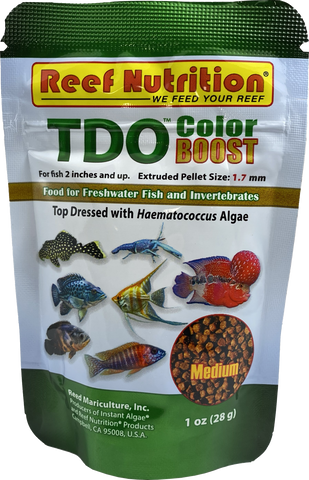
Credit: reefnutrition.com
Top Protein Sources
Discus fish need high protein food to stay healthy and grow strong. Protein helps build their muscles and supports their immune system.
Choosing the right protein sources can improve your discus fish’s color and activity. This guide covers live foods, frozen options, and pellets.
Live Foods
Live foods give discus fish natural nutrients and stimulate their hunting instincts. They are rich in protein and easy to digest.
- Bloodworms – High in protein and loved by discus.
- Brine shrimp – Small and nutritious for young fish.
- Daphnia – Good for digestion and protein supply.
- Blackworms – Offer essential fatty acids and protein.
Frozen Options
Frozen foods are a safe and convenient way to feed discus fish. They keep most nutrients and reduce the risk of disease.
| Frozen Food | Protein Content | Benefits |
| Frozen bloodworms | High | Easy to store and feed |
| Frozen brine shrimp | Moderate | Good for young and adult fish |
| Frozen mysis shrimp | High | Rich in protein and omega-3 |
| Frozen daphnia | Moderate | Helps reduce constipation |
High-quality Pellets
Pellets provide balanced nutrition with protein and vitamins. They are easy to store and help keep water clean.
- Choose pellets with at least 40% protein.
- Look for pellets made from fish meal or shrimp meal.
- Feed pellets designed specifically for discus fish.
- Use pellets as a supplement to live or frozen foods.
Vegetable And Plant-based Foods
Discus fish enjoy a diet that includes many plant-based foods. These foods add variety and essential nutrients. Vegetables and plants help keep discus healthy and strong.
Feeding your discus vegetables supports their digestion and improves their color. Some plants offer vitamins and minerals that meat alone cannot provide.
Algae And Spirulina
Algae are a natural food source for discus fish. Spirulina is a type of blue-green algae rich in protein and vitamins. It helps boost the immune system and coloration.
- Spirulina powder can be mixed with other foods
- Algae wafers offer a convenient way to feed algae
- Use algae as a supplement, not the main diet
- Fresh or dried algae are both suitable options
Blanched Vegetables
Blanching vegetables makes them soft and easy to eat for discus. It also helps remove harmful substances. Common blanched vegetables include spinach, peas, and zucchini.
| Vegetable | Preparation | Benefits |
| Spinach | Blanch and chop finely | High in iron and vitamins |
| Peas | Remove skin, blanch | Good source of fiber |
| Zucchini | Blanch and slice | Low calorie and easy to digest |
Plant Matter Benefits
Plant matter supports discus fish in many ways. It helps digestion and provides fiber. Plants also supply antioxidants and vitamins for better health.
- Improves digestion with natural fiber
- Boosts immune system with vitamins
- Enhances color and skin health
- Provides energy through natural carbohydrates
Homemade Food Recipes
Discus fish need a good diet to stay healthy and colorful. Homemade food lets you control the ingredients.
Using fresh and natural items helps improve their growth and immune system. You can mix different foods for balance.
Balanced Mixes
A balanced mix of protein, vitamins, and minerals is key for discus fish. Use a variety of ingredients for best results.
- Include beef heart for protein and fat
- Add shrimp and fish fillets for omega-3
- Use spinach or peas for vitamins and fiber
- Incorporate garlic to boost immunity
- Grind vitamin supplements into the mix
Preparation Tips
Prepare the food with care to keep nutrients intact and avoid spoilage. Clean ingredients and tools well.
- Chop all ingredients into small pieces
- Mix ingredients evenly for consistent nutrition
- Use a food processor for smooth texture
- Freeze the mix in small portions
- Thaw before feeding to discus fish
Storage Guidelines
Proper storage keeps homemade food fresh and safe. Follow these tips to avoid waste and bacterial growth.
| Storage Method | Duration | Notes |
| Refrigerator | 1-2 days | Keep in airtight container |
| Freezer | Up to 1 month | Store in small portions |
| Thawed Food | Use within 24 hours | Do not refreeze |
Supplements And Vitamins
Supplements and vitamins play a key role in keeping discus fish healthy. They help fill gaps in diet and improve overall fish well-being.
Choosing the right supplements supports immune health, color brightness, and growth. Each type has a specific benefit for your discus fish.
Boosting Immunity
Discus fish need strong immunity to fight off diseases. Vitamin C and probiotics are great supplements for this purpose.
- Vitamin C helps heal wounds and reduce stress.
- Probiotics improve digestion and gut health.
- Garlic extract can act as a natural immune booster.
Enhancing Color
Bright colors show healthy discus fish. Certain vitamins and minerals enhance their natural hues.
| Supplement | Benefit |
| Astaxanthin | Enhances red and orange colors |
| Spirulina | Boosts blue and green shades |
| Vitamin A | Supports pigment cell health |
Growth Support
Proper growth needs extra vitamins and minerals. These supplements help discus fish develop strong bones and muscles.
Key supplements for growth include:
- Calcium for strong bones
- Vitamin D to aid calcium absorption
- Protein supplements for muscle development

Credit: www.ebay.ca
Feeding Tips For Vibrant Health
Discus fish need a balanced diet for bright colors and good health. It’s important to feed them the right foods in the right amounts.
Providing a variety of food ensures they get all necessary nutrients. Let’s explore how to keep your discus fish healthy and happy.
Maintaining Water Quality
Clean water is crucial for discus fish. Poor water can affect their appetite and health. Here are steps to ensure optimal water conditions:
- Change 25% of the water every week
- Use a water filter to remove impurities
- Test water pH and temperature regularly
Observing Fish Behavior
Watching your discus fish helps you know if they are healthy. Notice how they swim and eat. Any changes might mean they need different care.
Adjusting Diet As Needed
Discus fish need a varied diet. Sometimes, you might need to change what you feed them. Here is a simple guide:
| Food Type | Frequency |
| Bloodworms | 2-3 times a week |
| Brine Shrimp | Once a week |
| Pellets | Daily |

Credit: www.amazon.com
Frequently Asked Questions
What Is The Best Diet For Discus Fish?
Discus fish thrive on a varied diet including high-quality flakes, pellets, frozen bloodworms, and brine shrimp. A balanced diet promotes vibrant colors and healthy growth.
Can Discus Fish Eat Live Food?
Yes, discus fish enjoy live foods like brine shrimp and bloodworms. Live food boosts their immune system and encourages natural feeding behaviors.
How Often Should I Feed Discus Fish?
Feed discus fish 2-3 times daily in small portions. Overfeeding can pollute water and harm their health.
Are Frozen Foods Suitable For Discus Fish?
Frozen foods like bloodworms and brine shrimp are excellent for discus fish. They provide essential nutrients and are safer than live foods.
Conclusion
Choosing the right food helps discus fish grow healthy and strong. Fresh, high-quality meals support their bright colors and energy. A balanced diet keeps discus fish happy and lively in your tank. Feeding them often with variety prevents boredom and health issues.
Watch your fish closely to know what they like best. Careful feeding leads to a beautiful and thriving aquarium. Keep their diet simple, fresh, and nutritious for the best results. Healthy discus fish make any tank more enjoyable to watch.